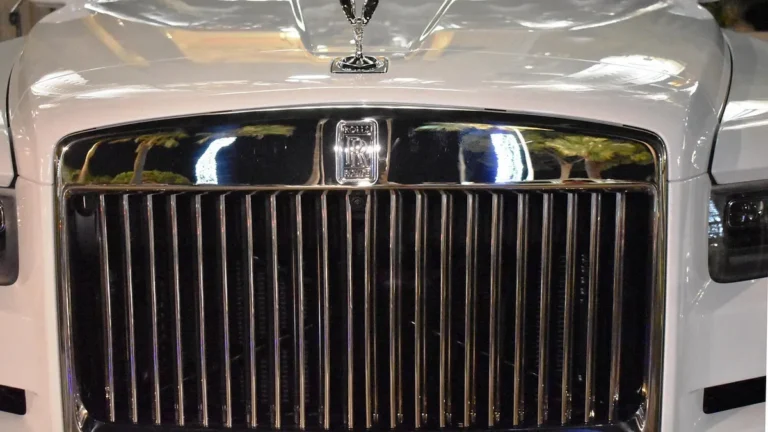
Luxury Car Ownership: Aspirations vs. Reality Costs
For a luxury car, the first 36-month cost can be a large share of the purchase price, before fuel, parking, and repairs; a practical rule is to budget around 10% to 20% of the purchase price per year. Miss that, and the monthly payment can hide a cash-flow hit that turns prestige into strain. Use this guide to compare depreciation, insurance, financing, maintenance, taxes, and fees before you buy.
| Decision factor | Aspirations | Reality | Winner |
|---|---|---|---|
| First-year cash flow | A visible badge and a monthly payment that looks manageable. | Depreciation, insurance, tires, fuel, and service can all hit before year one ends. | Reality |
| Maintenance risk | Assumed to be covered by prestige and a warranty. | Routine service still costs money, and wear items are rarely “included.” | Reality |
| Everyday fuel spend | Manufacturer MPG claims that look reasonable on paper. | Real-world city driving, weather, and heavy vehicles usually lower mileage. | Reality |
| Resale impact | Luxury nameplate will hold value well. | Early depreciation can be the largest hidden cost in the first 36 months. | Reality |
| Ownership simplicity | Buy it, drive it, enjoy it. | Specialized parts, labor, and insurance underwriting can complicate the budget. | Reality |
Luxury car ownership: what the badge does not tell you

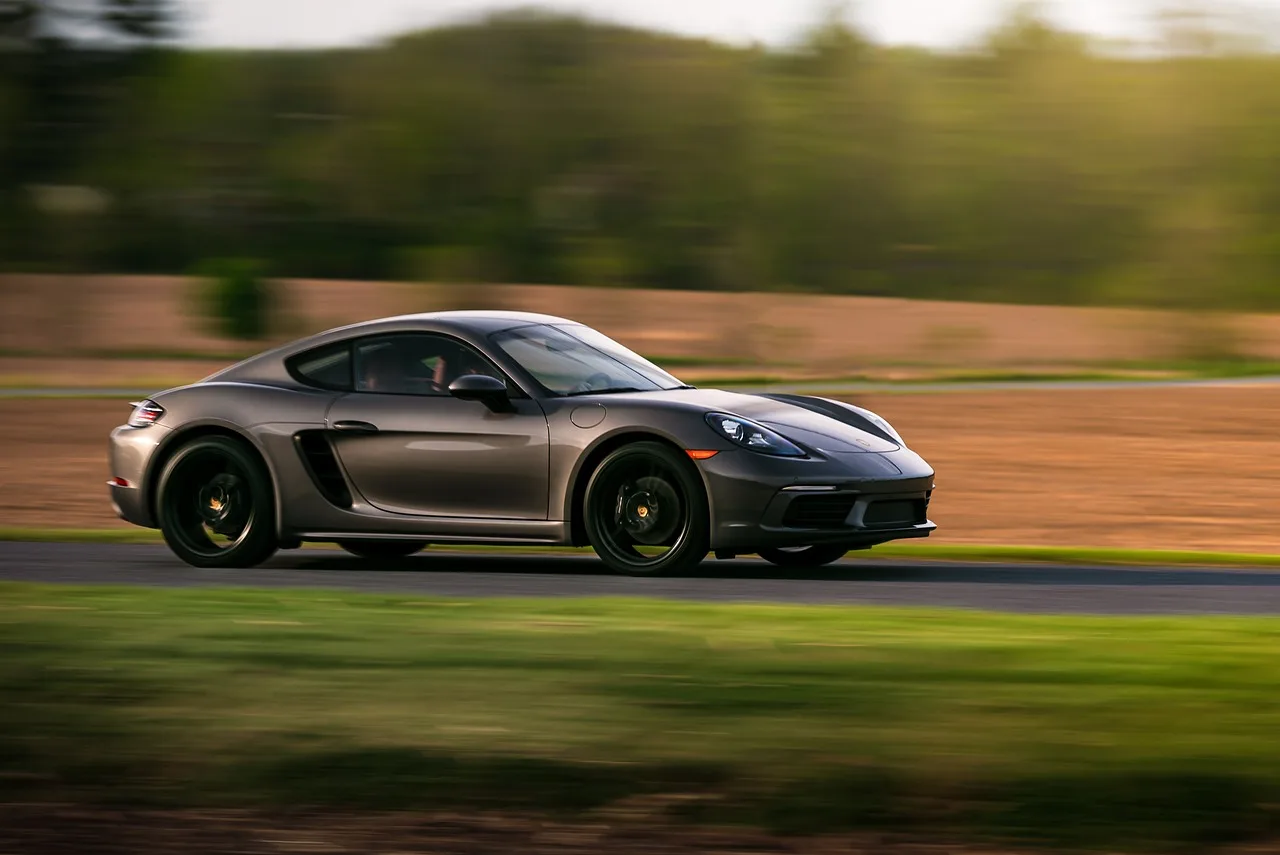
Luxury goods deliver comfort and status, but a car still has to fit your cash flow. Luxury can be nice to own and easy to want, and demand for these goods rises faster than income in many cases.
Why the sticker price is only the starting point
The purchase price is only the entry fee. Total cost of ownership adds depreciation, insurance, maintenance, fuel, and likely repairs, and those costs can land on a different schedule than your loan payment.
What changes after the first payment clears
Monthly payment math hides two things: early depreciation and uneven out-of-pocket costs. A luxury sedan can look affordable on paper while the first set of tires, a brake job, and a higher renewal premium arrive in the same 12-month window.
How the first 36 months expose the real cost
Three years is long enough for depreciation to bite and short enough that warranty coverage still matters. It is also when owners learn whether the car fits a stable budget or a tight one.
📊 The average annual premium for a German car can range from $1,200 to $2,500. Source: New Driver Ownership Expectations vs Reality.
What does a luxury car really cost over 36 months?
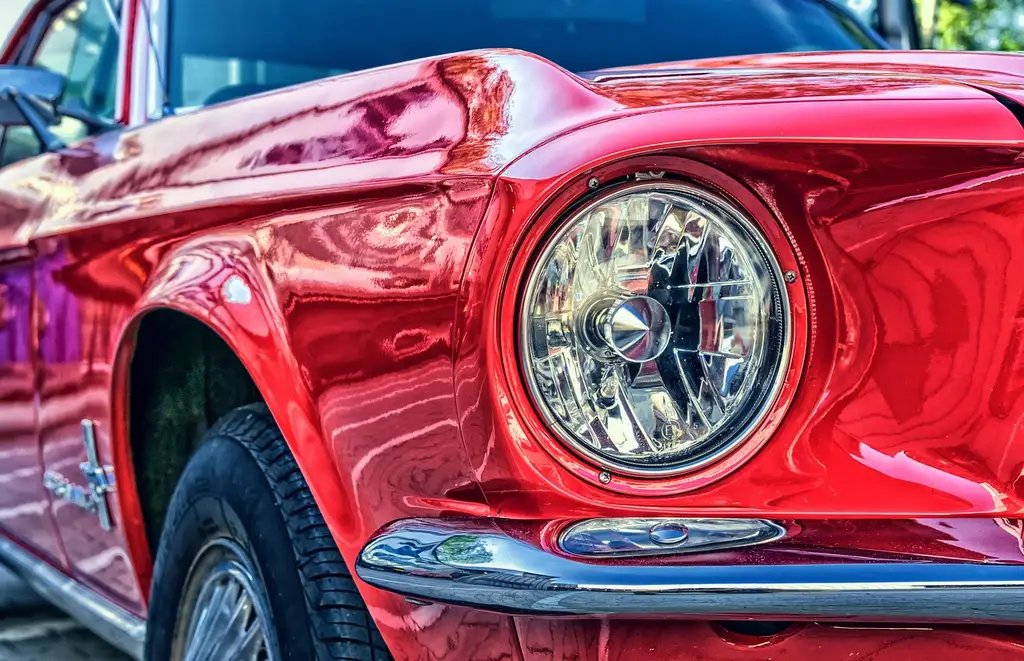
A luxury car’s 36-month cost is the purchase price minus resale value, plus insurance, fuel, maintenance, wear items, and likely repairs. The monthly payment alone can understate the true outflow, especially when depreciation is steep in the first years.
Build the total cost of ownership from purchase to resale
Total cost of ownership, or TCO, starts with the price you pay and ends with what the car is worth when you sell it. If a car is worth much less after three years, the drop in value can account for a large part of the cost before insurance or service.
Split costs into fixed and variable buckets
Fixed costs include depreciation, insurance, and financing. Variable costs include fuel, maintenance, tires, brakes, and repairs, which can swing hard if the model uses large wheels, performance tires, or specialized parts.
Why monthly payment math misses depreciation
A loan payment tells you how much cash leaves the account each month. It does not tell you how much value disappears while the car sits in your driveway, and that is often the bigger number over 36 months.
| 36-month worksheet line item | How to estimate it | Example for a $60,000 luxury car |
|---|---|---|
| Purchase depreciation | Purchase price minus expected resale value after 36 months | $18,000 to $30,000 depending on model, mileage, and demand |
| Insurance | Annual premium × 3 | $3,600 to $7,500 for many German luxury models |
| Fuel | Annual miles ÷ real-world MPG × fuel price | Varies with city driving, winter weather, and engine size |
| Scheduled maintenance | 1% to 2% of vehicle value per year, adjusted for service intervals | $600 to $1,200 per year, or more on some models |
| Tires and brakes | Replacement cost timed to tread depth and pad wear | Tires: $600 to over $1,200; brakes and rotors: $500 to $1,000 |
| Likely repairs | Reserve for out-of-warranty faults and electronics issues | Set aside an extra cash buffer before purchase |
Where the money goes: the main ownership cost buckets
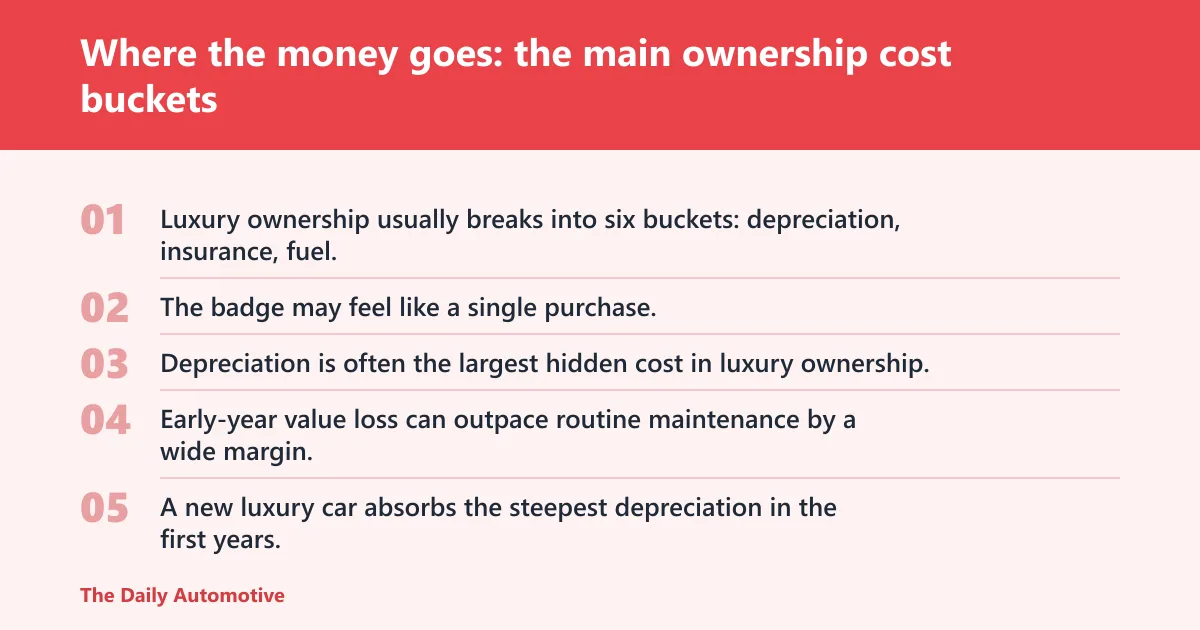
Luxury ownership usually breaks into six buckets: depreciation, insurance, fuel, maintenance, wear items, and repairs. The badge may feel like a single purchase, but the budget gets hit in separate ways over the next 36 months.
Purchase price and depreciation
Depreciation is often the largest hidden cost in luxury ownership. Early-year value loss can outpace routine maintenance by a wide margin, especially on high-trim sedans and fast-selling new models with heavy incentives.
New vs used matters here. A new luxury car absorbs the steepest depreciation in the first years, while a used one may let the first owner take that hit. But used cars can shift cost into maintenance, tires, and repairs if the prior owner deferred service.
Insurance, fuel, maintenance, tires, and brakes
Insurance can vary by model, engine size, driver age, theft exposure, and repair costs. Fuel use can also drift away from the window sticker, especially in cold weather and stop-and-go traffic.
Maintenance on a luxury car is rarely trivial. A useful rule of thumb is 1-2% of a vehicle’s value each year for maintenance, with model-dependent variance and service intervals changing the real number.
Likely repairs and out-of-pocket surprises
Warranty coverage can soften some risks, but it does not erase them. Dealer service plans may cover scheduled maintenance, while ad-hoc repairs still depend on exclusions, deductible terms, and whether the failure is truly included.
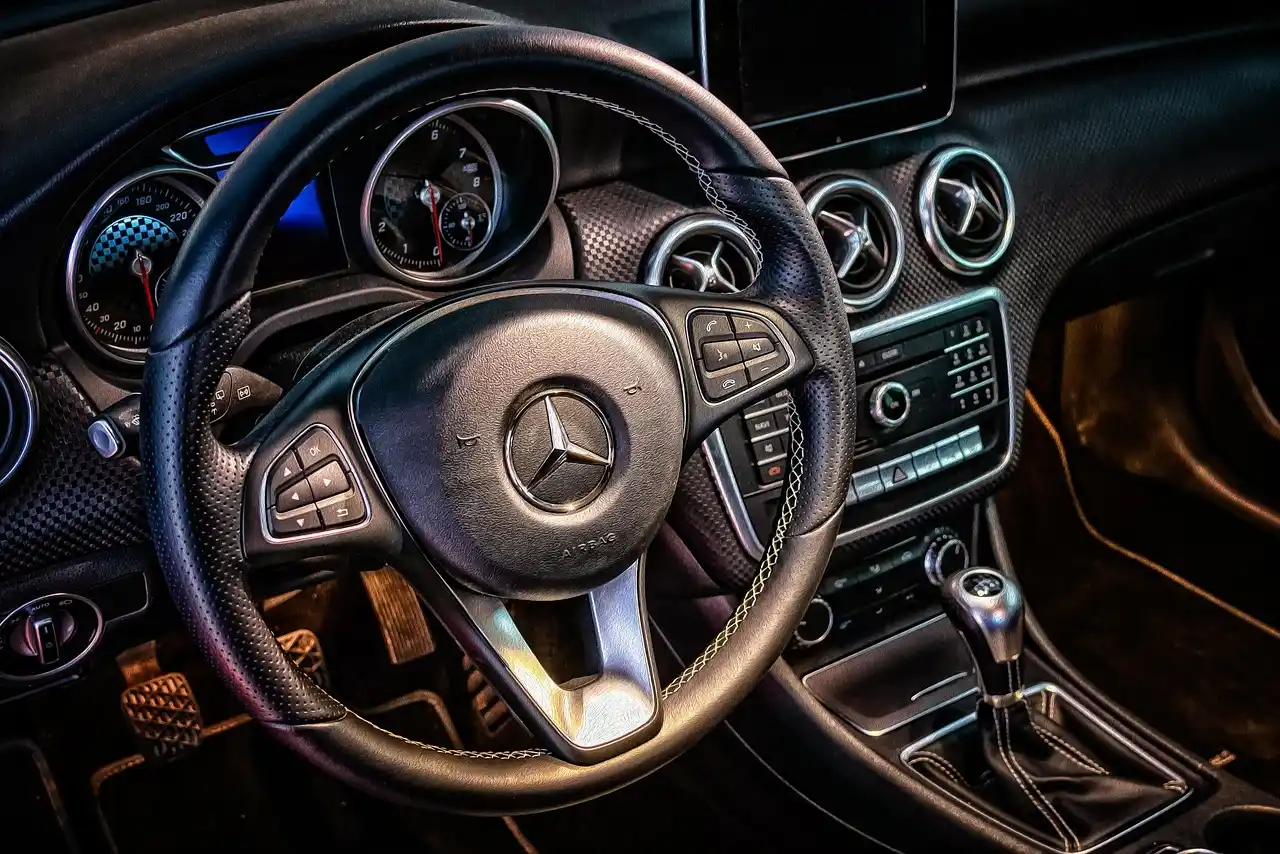
German luxury brands such as BMW, Audi, and Mercedes-Benz often involve specialized parts and labor, which can push routine work above mainstream-brand pricing. The average maintenance for a BMW can reach $1,200 annually, and average maintenance for an Audi may be around $1,300 annually.
Why do insurance costs jump on luxury cars?
Luxury car insurance is often higher because the vehicle can cost more to repair, attract more theft risk, and sit in a higher-priced underwriting class. Younger drivers and larger engines can raise premiums further, and some trims cost much more than the base model to insure.
How driver age, model choice, and engine size affect premium
Insurance companies price the person and the car together. A younger driver in a turbocharged luxury sedan often sees a different quote than an older driver in a lower-power trim, even when the badge is the same.
The role of theft rates, repair costs, and safety ratings
Theft-prone models and expensive-to-fix body panels can raise premiums. Safety ratings can help, but they do not erase the cost of aluminum structures, sensors, cameras, or adaptive systems that are expensive to replace after a claim.
Why some trims cost far more to insure than others
A performance package can change the risk profile enough to move the premium noticeably. The average annual premium for a German car can range from $1,200 to $2,500, which is wide enough to change a budget before the first oil change.
How much maintenance budget should you set aside?
Start with 1-2% of the vehicle’s value each year, then adjust for the brand, mileage, and service interval. That rule is a floor, not a ceiling, because some luxury cars need more frequent services, pricier consumables, or brand-specific fluids and parts.
Use the 1-2% annual value rule as a starting point
For a $50,000 car, the maintenance reserve is roughly $500 to $1,000 per year. For a $100,000 car, it becomes $1,000 to $2,000 per year, before tires, brakes, or repair surprises are added.
How service intervals change the cash flow picture
A long service interval can make year one look cheap and year two look expensive when multiple items come due together. That matters when a buyer is comparing models with included service versus models that charge at each visit.
Dealer service plans versus paying for repairs as they come
A service plan may cap predictable maintenance, but it rarely covers every wear item or every failure. Read the included services, mileage limits, and exclusions carefully, because a plan that helps at 10,000 miles may do little at 40,000.
Do luxury cars really use more fuel in daily driving?
Yes, often they do, because manufacturer MPG claims are usually measured under standardized conditions that do not match daily commuting. Real-world fuel economy may drop from about 35 MPG highway estimates to about 28 MPG in actual use, especially when city driving and cold weather are part of the routine.
Manufacturer MPG claims versus real-world results
Window-sticker numbers help with comparison, not prediction. Heavy vehicles, wide tires, and performance engines all make it harder to reproduce the best-case number once traffic, passengers, and weather get involved.
City, highway, and winter-weather differences
Stop-and-go traffic hurts mileage more than a steady highway run. Cold weather adds another penalty because engines warm up slowly and winter tires, denser air, and extra idling can drag down efficiency.
How heavier vehicles and performance engines change fuel spend
Luxury SUVs and high-output sedans often burn more fuel than buyers expect because mass and power both demand energy. That does not make them bad choices, but it does make the fuel line item more important over 36 months.
Why brakes and tires can surprise new owners
Brakes and tires are common failure points for budget shock because luxury models often use larger, softer, or performance-oriented components. A full set of tires can range from $600 to over $1,200, and brakes and rotors on high-performance models can cost $500 to $1,000 to replace.
Performance tire replacement costs
Low-profile tires and larger wheel sizes usually cost more and wear faster. A luxury SUV on 21-inch wheels can be much pricier to re-shod than the same vehicle on a smaller factory wheel package.
Brake rotor and pad pricing on premium models
Big brakes are useful, but they are not cheap. Performance pads, larger rotors, and sensor-equipped brake systems can turn a routine wear item into a major service line on the invoice.
Why larger wheels often raise replacement bills
Larger wheels often use lower-profile tires that are more vulnerable to pothole damage and curbing. That pushes both replacement cost and risk higher, which matters if the car lives on rough roads or in a cold climate.
Are German luxury cars more expensive to own than people expect?
Often, yes. BMW, Audi, and Mercedes-Benz can carry higher maintenance and insurance costs because of specialized parts, labor, and repair complexity, and the average annual premium for a German car can range from $1,200 to $2,500.
Specialized parts and labor
European luxury cars may need model-specific components, coded electronics, or dealer-level procedures. That can turn a simple job into a more expensive one, especially outside a dealer network.
Why the badge matters less than the trim
A base trim and a high-performance trim can have very different ownership costs even when both wear the same badge. The engine, wheel size, braking hardware, and tire spec matter more than the emblem alone.
Broader segment differences beyond German brands
Luxury EVs can shift cost away from oil changes and toward tires, software, and battery-related coverage rules. Ultra-luxury marques and large SUVs can also exceed German-brand norms, so it is a mistake to judge the whole segment by one badge family.
What should I compare before buying a luxury car: price, insurance, maintenance, or depreciation?
Compare all four, but start with depreciation because it can be the biggest hidden cost in the first 36 months. After that, compare insurance and maintenance together, then check fuel and wear-item pricing so the monthly payment does not fool you.
- Estimate purchase depreciation over 36 months.
- Get insurance quotes for your exact age, ZIP code, and trim.
- Apply the 1-2% maintenance rule, then adjust for service intervals.
- Check tire size, brake type, and likely replacement timing.
- Estimate fuel using real-world MPG, not only the window sticker.
- Add a repair reserve if the warranty will not cover the full period.
Use a common first-timer mistake as your warning sign
Say your budget fits a $700 monthly payment on a luxury sedan, but the insurance quote is $250 a month and the first set of tires is due in year one. The car still “fits” on paper until all three costs hit the same quarter.
How the worksheet exposes the mismatch
Write the numbers down before shopping. If the total 36-month number feels uncomfortable before purchase, it will not feel better after the first service visit.
How does real-world ownership differ from showroom expectations?
Showroom expectations focus on comfort, image, and technology, while real ownership is shaped by depreciation, insurance, maintenance, fuel, and wear items. The gap appears once the first bill arrives and the car’s prestige has to share space with cash flow.
Aspirations buy the experience; reality charges for the upkeep
The aspiration is simple: quiet cabin, strong badge appeal, and polished materials. The reality is that every premium part has a cost trail attached to it, and that trail tends to show up in the first 36 months.
Picture a luxury SUV with big wheels
Picture a midsize luxury SUV with 21-inch wheels, a turbo engine, and city commuting. The owner may face higher fuel use, a pricier tire set, and an insurance renewal that does not resemble the original quote.
What should the first-36-month worksheet include?
A useful worksheet should separate the visible cost from the hidden ones: purchase depreciation, insurance, fuel, maintenance, wear items, and likely repairs. Fill it in before shopping so you can compare models with the same math, not just the same badge.
First-36-month luxury ownership cost worksheet
| Line item | Your estimate | How to calculate |
|---|---|---|
| Purchase price | $ | Sticker price minus negotiated discount, plus taxes and fees |
| Expected resale value at 36 months | $ | Conservative market value estimate for mileage and condition |
| Depreciation | $ | Purchase price minus resale value |
| Insurance premium | $ | Annual premium × 3 |
| Fuel | $ | Annual miles ÷ real-world MPG × fuel price × 3 |
| Maintenance | $ | 1-2% of vehicle value per year × 3 |
| Tires | $ | Expected replacement set price, often $600 to over $1,200 |
| Brakes | $ | Expected pad and rotor cost, often $500 to $1,000 on performance models |
| Repair reserve | $ | Cash buffer for items the warranty does not cover |
Verdict: choose aspirations if the badge matters more than the budget; choose reality if cash flow has to stay stable
Aspirations win if the car is a short-term desire and the ownership cost is already fully covered. Reality wins for most buyers comparing two cars on the same budget, because depreciation, insurance, and wear items decide whether the vehicle fits the next 36 months without stress.
If you are cross-shopping new luxury models, build the worksheet first and compare the total 36-month number. If you are considering a used luxury car, put more weight on maintenance history, tire condition, and repair reserve, because the early depreciation may already be behind you but service risk may not be.
Frequently asked questions
What does luxury car ownership really cost beyond the monthly payment?
It includes depreciation, insurance, fuel, maintenance, tires, brakes, and repair risk. The payment is only one slice of the budget, while depreciation can erase far more value than a first-time buyer expects over 36 months.
How much should I budget each year for maintenance on a luxury car?
A practical starting point is 1-2% of the vehicle’s value per year. For some BMW and Audi models, annual maintenance can run around $1,200 or $1,300, and that is before major wear items enter the picture.
Why are insurance rates often higher for luxury cars?
Insurers price higher repair costs, theft exposure, expensive electronics, and trim-specific risk. Driver age, engine size, and safety ratings also matter, so two versions of the same model can land in very different premium brackets.
Do luxury cars really get worse fuel economy in everyday driving?
Often, yes. Manufacturer MPG claims are measured under controlled conditions, while city traffic, colder weather, and heavier vehicles lower real-world efficiency. A car that suggests about 35 MPG highway may return about 28 MPG in daily use.
Which luxury car expenses surprise owners most after purchase?
Tires, brakes, and insurance often create the first budget shock. Performance models can need $600 to over $1,200 for a tire set, and brakes and rotors on higher-performance trims can run $500 to $1,000.
Are German luxury cars more expensive to own than people expect?
Frequently, yes. BMW, Audi, and Mercedes-Benz can bring higher insurance, specialized parts, and labor costs, with annual German-car premiums often ranging from $1,200 to $2,500. That can move the ownership math more than the sticker price suggests.
Products related to this article
Sponsored / affiliate links. As an Amazon Associate I earn from qualifying purchases. I may earn additional commission from eligible campaigns.