Luxury Car Lifestyle Costs: What It Actually Costs
In many cases, a luxury car can cost a meaningful share of its purchase price each year once you add depreciation, insurance, fuel, maintenance, taxes, and financing. On a car in that price range, that can work out to roughly that amount per year. Skip that math, and the monthly bill can outrun your budget long before the loan ends. This guide breaks down sticker price, depreciation, insurance, maintenance, fuel, and resale so you can estimate the real yearly and lifetime cost before you buy.
What luxury car ownership really costs per year



The price tag is only the first number. A real annual budget has to include depreciation, insurance, maintenance, fuel, tires, financing interest, and a repair reserve, because luxury ownership costs two to three times more than a comparable standard car. That gap turns a payment that looks manageable into strained cash flow.
The cost buckets that matter most
Luxury ownership costs include insurance, maintenance, and depreciation. Those three do the most damage because they keep coming after the excitement of the purchase fades. Fuel, tires, and financing are next. Out-of-warranty repairs are the budget shock many buyers miss.
How to estimate a realistic annual total
Start with the annual loan cost, then add insurance, service, fuel, tires, depreciation, and a repair reserve. Budget from the top down, not the payment up. If the total annual number feels tight, the car is too expensive for the rest of the budget.
Why the sticker price misses the budget impact
A luxury car at that price does not cost only the sticker price to own. If you finance it, interest raises the total. If it needs premium fuel and larger tires, operating costs rise. If depreciation is steep, the car can lose value faster than the loan balance falls, which creates a negative-equity gap.
What makes a car luxury, and why does that change costs?
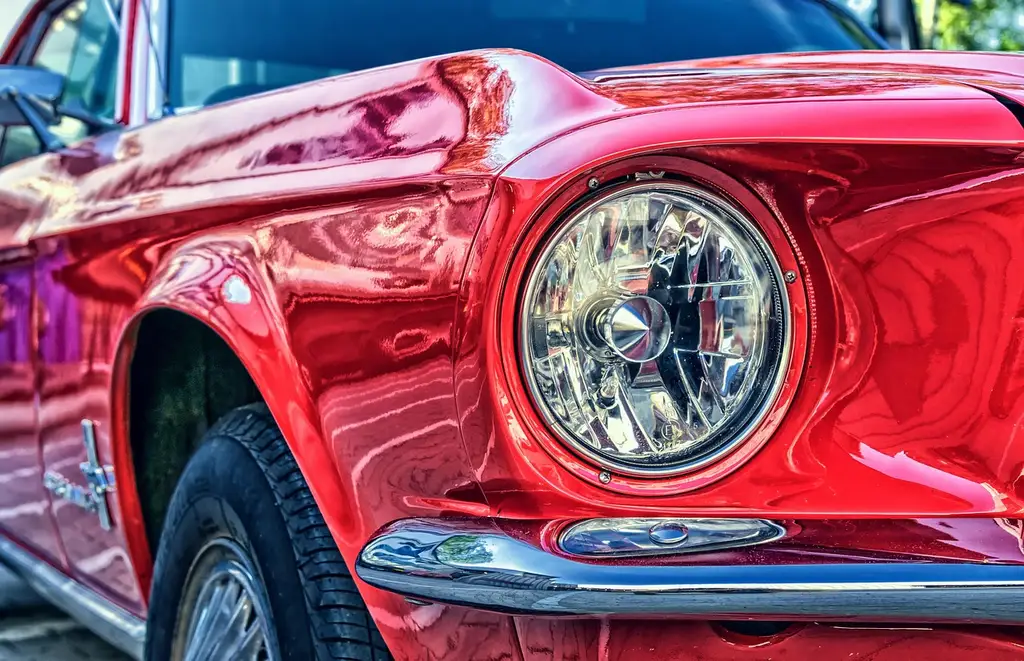
A luxury vehicle is a marketing term for a vehicle that brings more comfort, equipment, performance, or status than a mainstream model. Luxury can mean something pleasant to have but not necessary, and it can also mean the quality of being excessively expensive. Those traits usually bring higher repair, insurance, and depreciation costs.
Materials, tech, and performance features
Luxury models usually bring more sound insulation, leather or upgraded upholstery, larger screens, advanced driver assistance, and stronger engines or electric drivetrains. Those features add more systems that can fail and raise the cost of the parts that need replacement.
Why more equipment usually means pricier repairs
A headlamp, sensor, or touch screen on a luxury model often costs more than the same item on a mainstream car. Dealer diagnostics can also be more expensive when the car uses proprietary software, adaptive suspensions, air ride components, or performance brakes.
Why some luxury badges cost more to own than others
Brand reputation, reliability record, and feature desirability affect resale and repair risk. Some badges retain value better because buyers trust the name, while others drop faster when lease returns flood the used market. Kelley Blue Book retention signals often reflect that spread in demand.
How much does a luxury car cost over time than a regular car?
A luxury car usually costs much more over time than a regular car because the first bill is followed by higher insurance, faster depreciation, pricier tires, and more expensive repairs. The gap often widens after year one, when value loss is steep but the ownership bills keep arriving every month.
New price versus five-year ownership cost
New price is only one line item. Five-year ownership cost captures payment, interest, fuel, insurance, maintenance, and depreciation. A mainstream sedan with a lower sticker can still be cheaper by a wide margin over five years even if the luxury car looks attractive at purchase.
Where the gap usually widens after year one
Depreciation tends to bite hardest early. First-year value loss can reshape the budget because it happens while insurance and financing are still high. By year three, resale expectations matter as much as the original payment, especially for models with weak retention.
When a luxury model can be costlier than a mainstream car by a large margin
Performance luxury cars, large SUVs, and some EVs often create the biggest gap. Wider tires, bigger brakes, heavier curb weight, and expensive batteries or sensors can push service costs up. If the car is driven mostly in the city, fuel and brake wear can rise faster.
What are the biggest ongoing costs of owning a luxury car?
The biggest ongoing costs are insurance, maintenance, fuel, depreciation, tires, and the repair reserve you keep for out-of-warranty failures. A luxury model may feel manageable on the payment alone, but those recurring bills decide whether ownership stays comfortable or turns punishing.
Insurance premiums and coverage choices
Luxury car insurance often costs more because replacement parts are pricier and repairs usually require specialized labor. Liability and comprehensive coverage can both rise. Performance-car surcharge, driver profile, location, and annual mileage all affect the quote, so the same model can price very differently from one ZIP code to another.
Maintenance, brakes, and synthetic fluids
Luxury cars often need synthetic oil and premium fluids, plus regular scheduled checks every so often or after a few thousand miles. Brake pads and rotors can cost more because many luxury cars use larger or performance-oriented hardware. Dealer-only diagnostics can also be a real expense after the warranty ends.
Fuel, premium gas, and tire replacement
Luxury cars also require high-quality fuel and oil. A premium fuel requirement raises the cost per mile, and lower MPG makes the drain worse. High-performance tires wear faster and cost more to replace, especially on sporty sedans, coupes, and SUVs with staggered fitments.
Depreciation and resale value
Depreciation is often the largest cost because it can outpace every other bucket combined. Brand reputation, reliability, and feature desirability shape resale value. A car that is expensive to buy and easy to sell later may still be better than a cheaper luxury model that drops hard.
How depreciation changes the answer
Depreciation is the value loss between purchase and resale, and it can be the biggest hidden bill in luxury ownership. Many luxury cars lose a meaningful share of value in the first year, then level out over three years if the badge, trim, and equipment are in demand.
First-year value loss and 3-year resale expectations
The first year usually hurts most. Buyers should compare likely resale after three years, not just today’s invoice. Strong three-year retention can soften total cost, while weak retention can make a luxury model more expensive than its mainstream rival even with similar payments.
Brand reputation, reliability, and retention
Kelley Blue Book retention signals often reward brands with strong reliability records and desirable features. A model with expensive options that few used buyers want can lose value faster than a simpler trim. That matters because options do not always hold their original price.
Lease versus buy when depreciation is steep
Leasing can make sense when depreciation is sharp, since you are paying for use rather than long-term value loss. Buying usually works better when the model holds value well, service costs are predictable, and you plan to keep it long enough to spread the early loss across many years.
Why insurance and maintenance hit luxury buyers harder
Luxury buyers face higher insurance and maintenance because the cars cost more to repair, often need specialized parts, and are more expensive to replace after a claim. The premium is not arbitrary. It reflects the replacement value, the repair process, and the risks tied to bigger or faster vehicles.
Liability, comprehensive coverage, and replacement-part valuation
A higher replacement value means a larger payout if the vehicle is totaled or stolen. Comprehensive coverage can cost more when sensors, lighting, glass, and body panels are expensive. Liability may also rise on performance models because insurers price in greater damage potential.
Driver profile, ZIP code, and performance surcharges
Age, driving record, mileage, and location all influence the premium. Urban ZIP codes can cost more than suburban ones. Performance trims usually trigger a surcharge because they accelerate harder, reach higher speeds, and often include pricier parts that insurers expect to replace or repair.
Dealer diagnostics, independent shops, and service interval planning
Dealer service is often the default for warranty work and complicated electronics, but an independent shop can reduce some routine costs after the warranty ends. Plan around the maintenance interval, not a warning light. That is how small service bills stay small.
Luxury ownership cost worksheet: one example budget
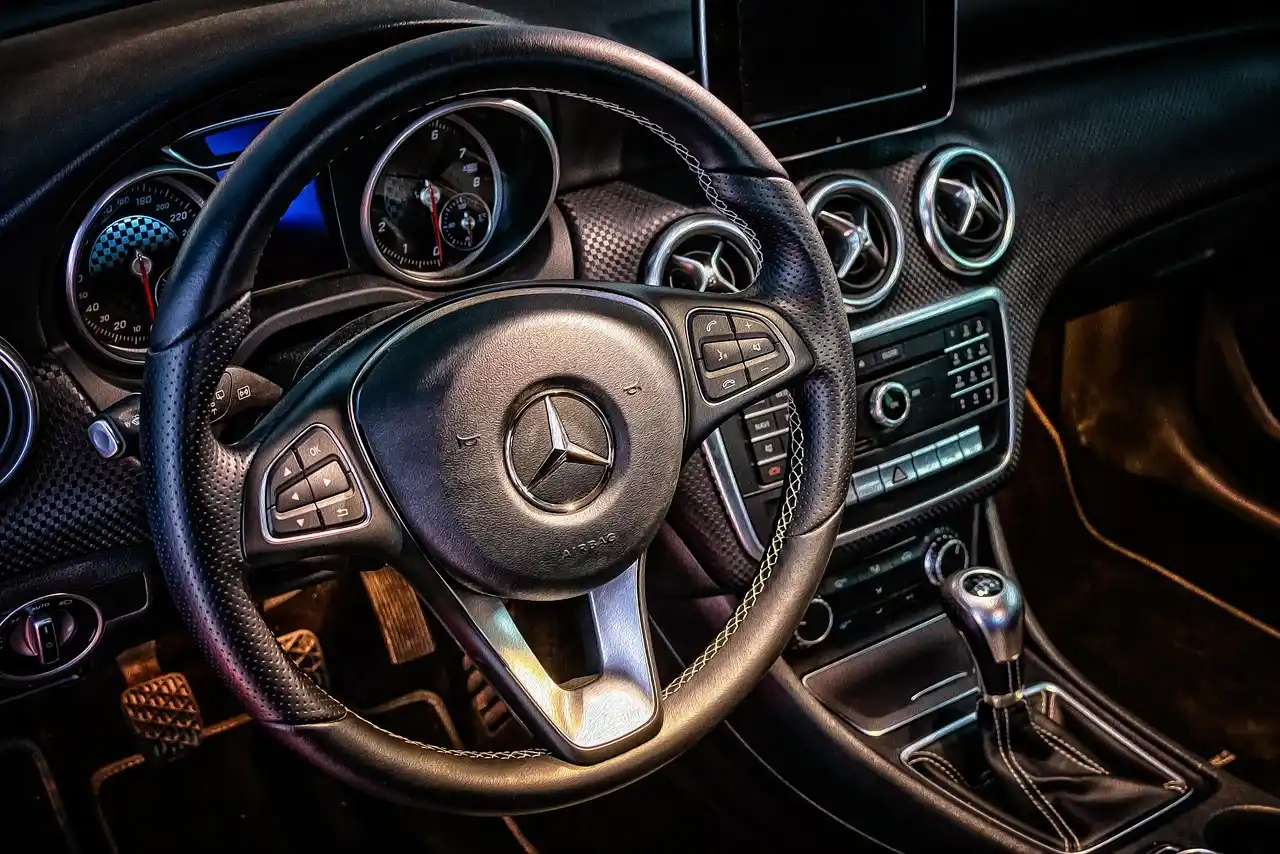
Use this worksheet as a template, not a promise. It shows how the same vehicle can move from manageable to expensive depending on financing, driving pattern, insurance profile, and repair risk. A common first-timer mistake is fixing attention on the payment while ignoring the yearly cash drain.
| Cost bucket | Low annual | Base annual | High annual |
|---|---|---|---|
| Purchase payment and interest | $8,400 | $10,200 | $12,000 |
| Insurance | $1,800 | $2,400 | $3,600 |
| Maintenance | $900 | $1,500 | $2,500 |
| Tires and brakes reserve | $700 | $1,200 | $2,000 |
| Fuel | $1,800 | $2,400 | $3,300 |
| Depreciation | $4,000 | $6,500 | $9,500 |
| Out-of-warranty repair reserve | $500 | $1,000 | $2,500 |
| Total annual cost | $18,100 | $25,200 | $35,400 |
For a luxury sedan around that price point, a range like this can be realistic when payment, insurance, and depreciation are included. The low case assumes strong resale and a careful mileage pattern. The high case assumes faster depreciation, pricier insurance, and more expensive service events.
How to adapt the worksheet to sedans, SUVs, EVs, and performance models
Compact luxury sedans usually sit on the lower end of the range. Mid-size luxury sedans often bring higher insurance and tire bills. SUVs add weight and tire cost. EV luxury differences show up in battery-related repair exposure, but they may save on fuel. Performance cars usually sit at the top because tires, brakes, and insurance rise quickly.
- Estimate your monthly payment with realistic APR, not the advertised teaser rate.
- Request an insurance quote before signing anything.
- Check the service schedule and price out the first three years of maintenance.
- Budget for tires, brakes, and one out-of-warranty repair event.
- Compare projected resale after three years with lease terms.
What makes a car luxury?
A car is luxury when it delivers more comfort, equipment, refinement, or prestige than the standard market baseline. Luxury can be pleasant to have but not necessary, and it often carries a higher purchase price, higher insurance, and higher maintenance. The label matters because it changes the ownership math.
What makes a vehicle luxury?
A vehicle is luxury when its price, materials, technology, or performance sit above the mainstream class. That usually means more electronics, more sophisticated suspension or braking hardware, and more expensive parts. Those same traits often push up repair labor and parts pricing later.
Frequently asked questions
Are luxury cars expensive to maintain?
Yes. Luxury cars are usually more expensive to maintain because they use pricier parts, premium fluids, and more complex systems. Scheduled service every six months or 5,000 miles can add up fast, and repairs after the warranty ends are often more expensive than on a mainstream car.
How much does luxury car insurance cost?
It varies widely by driver, location, and model. Luxury policies often cost more because replacement parts are expensive and performance cars may carry a surcharge. Liability and comprehensive coverage can both rise, so the best move is to get a quote before you sign the purchase agreement.
Which luxury cars hold their value best?
Models with strong brand reputation, good reliability, and desirable trim levels usually hold value better. Kelley Blue Book retention signals often reward that mix. Simpler options can also age better than flashy features that used buyers do not want to pay for later.
How much more does a luxury car cost over time than a regular car?
Often far more than the sticker price suggests. The article’s rule of thumb is that luxury ownership costs two to three times more than a comparable standard car once insurance, maintenance, and depreciation are added. That gap can widen with financing, tires, and fuel.
Products related to this article
Sponsored / affiliate links. As an Amazon Associate I earn from qualifying purchases. I may earn additional commission from eligible campaigns.