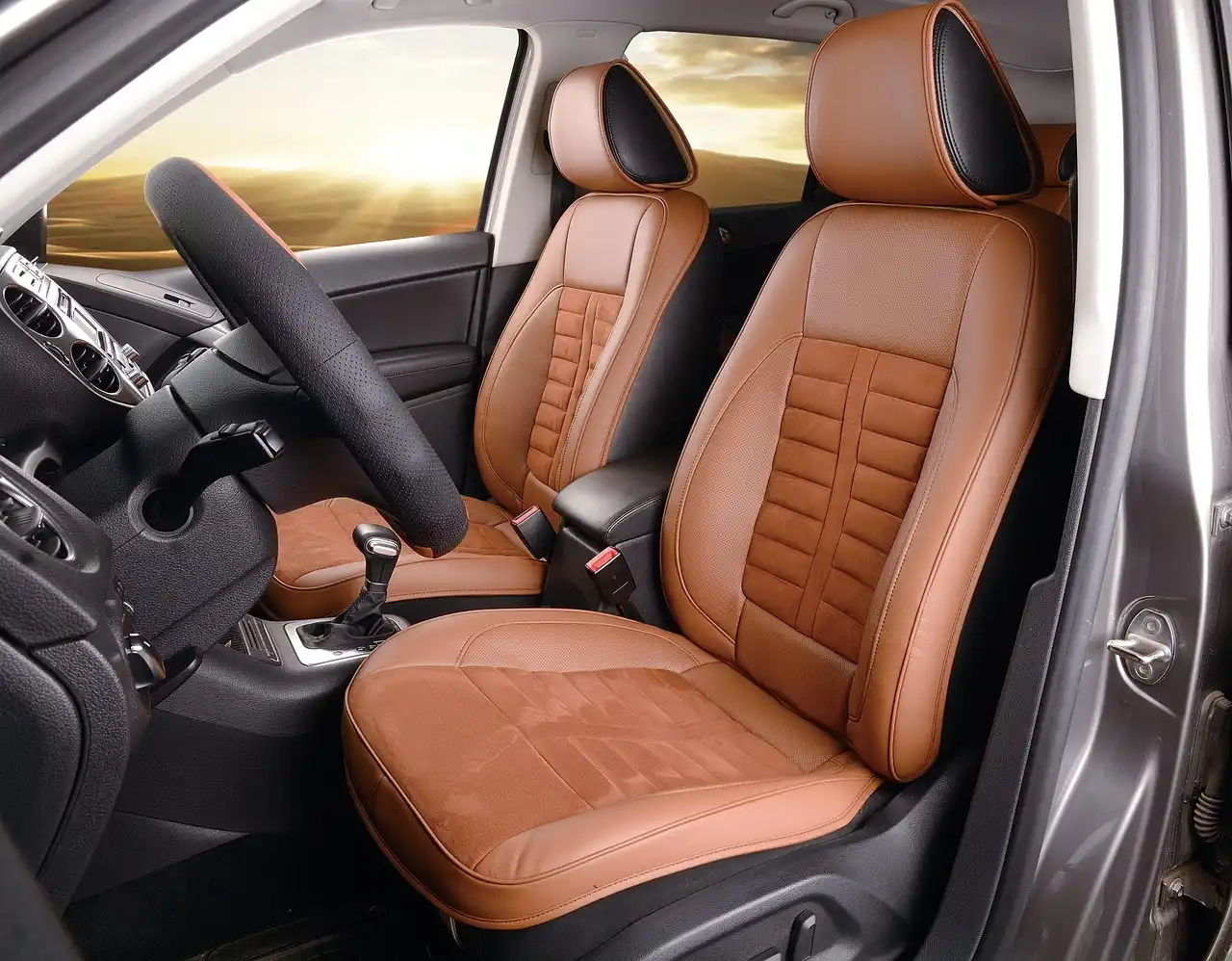
Car Accessories for Comfort and Convenience That Fit
The best car accessories for comfort and convenience are the ones that solve a recurring driving problem without creating a new one. For most people, that means starting with a stable phone mount, a charger that can keep up with navigation use, a well-fitted sun shade, or a simple comfort fix for a seat that gets tiring too quickly. The right choice depends less on what looks useful in a roundup and more on where your car frustrates you now: battery drain, dropped items, heat soak, clutter, or fatigue.
In my experience testing daily-driver accessories, the biggest mistake is buying by category instead of by scenario. A great organizer is wasted if your real issue is back fatigue. A thick seat cushion can be a bad buy if it changes pedal reach. And a charger that says “fast” on the box is not enough if your phone still loses battery during maps and calls. This guide keeps the focus on fit, safety, and real commuting use first.
How I evaluated these accessories
I look at accessories the same way I would for my own car: what problem they solve, whether they interfere with driving, and how much effort they add to daily use. My real-world criteria include mount stability over rough pavement, install time, cable routing, buckle and control clearance, ease of cleaning, and how the accessory behaves after repeated hot-car exposure.
For comfort items, I focus on posture change, seat-height change, pressure relief over 30 to 60 minutes, and whether the accessory alters pedal reach or sightlines. For charging gear, I look for whether battery percentage rises during active navigation rather than relying on vague “fast charging” language. Safety and fit checks are guided by owner’s manual airbag warnings, NHTSA distraction guidance, and seat-belt fit guidance from NHTSA and CDC.
For most drivers, the overall top pick is still a fast USB car charger, but not for affiliate-roundup reasons. It is the most universal daily fix when a phone has to handle navigation, music, and calls at the same time. If your battery percentage drops during normal use, fix that first. If it does not, comfort or heat control may deserve priority instead.
The best first buys for comfort and convenience
Many drivers should start with a few basics, especially a phone mount, a USB car charger, and a sun shade. In real use, those are the pieces that cut daily hassle fastest. They also fit the widest range of cars without changing seating position or giving up cargo space.
Buy the phone mount first if navigation is used every day and the cabin still has no stable, glanceable place for a phone. Buy the charger first if the current 12V adapter cannot keep up with modern phones, especially when navigation and wireless data are running at the same time. NHTSA’s distracted-driving guidance and many vehicle manuals both support keeping devices positioned for brief glances and without blocking the driver’s forward view.
Buy the sun shade first if the car sits outside for hours, the steering wheel gets hot, or the first part of every drive feels like a parked-car oven. NHTSA’s child heatstroke materials also underscore how quickly closed vehicles heat up in the sun, which is a good reminder that heat buildup is real even when we are talking only about comfort, not emergency risk. Skip the obvious pick and start with seat comfort or storage if the real pain point is lower-back fatigue, dropped items, or loose work gear sliding around.
Quick picks by need
- Faster daily routines: phone mount with one-hand operation and a stable viewing angle.
- Long-commute fatigue: lumbar support or a seat cushion with breathable fabric and support height that does not push the driver too far forward.
- Clutter control: seat-gap filler for phones and cards, then a trunk organizer for bigger loose items.
- New car owner: fast USB charger first, then a mount, then a sun shade.
- Family or shared car: sun shade and a compact trash can move between vehicles more easily than fitted seat accessories.
Dashboard vs Vent Phone Mount Selection
Choose a dashboard mount for flat or lightly textured surfaces requiring maximum stability, or select a vent mount only when vents are strong, low-positioned, and directed away from heat sources. Incorrect selection leads to dropped devices, obstructed airflow, or unsafe downward glances while driving.
This mount type comparison evaluates compatibility by cabin layout and provides specific fit checks to prevent installation failures. The guide details side-by-side performance differences and identifies which mounting style suits your vehicle’s interior geometry and typical driving conditions before purchase.
Dash Cam Mounts: Stability, Heat Resistance, and Vibration Control
Choosing the right dash cam mount prevents footage loss from heat, vibration, or poor angles. A stable, discreet install requires matching the mount style to your vehicle usage: adhesive for owned cars, suction for rentals, and ball-joints for precise positioning. dash cam mount review evaluates suction, adhesive, magnetic, and ball-joint options based on heat resistance, vibration control, removal speed, and surface compatibility. This breakdown helps you avoid weak mounts that fail on rough roads or leave incorrect angles after hard stops. Prioritizing these factors ensures your camera stays secure and captures clear footage without blocking the road view.
Magnetic vs Clamp Mounts: Choosing by Phone Weight and Road Conditions
Clamp mounts provide superior security for heavier devices and rough terrain, while magnetic options offer faster one-handed operation for lighter phones on smooth commutes. Selecting the incorrect type risks device slippage, blocked charging ports, or dangerous distractions during navigation.
This comparison evaluates failure modes, weight limits, and MagSafe compatibility to match your specific driving environment. Understanding these mechanical trade-offs ensures you select a holder that maintains stability without interfering with essential phone functions. Review the full magnetic vs clamp mount analysis to determine which mechanism best suits your daily commute, rideshare duties, or long-distance road trips.
Matching Trash Can Capacity to Your Driving Pattern
Your bin must handle the volume you generate without tipping or leaking. A compact 1- to 2-gallon container suits urban commuting, while a 2- to 3-gallon setup is better for longer road trips where waste accumulates over time. Getting the size and mount style wrong leads to spilled coffee and persistent odors that make cleanup tedious. To choose the right configuration for your specific routine, check the car trash can ranking to see which lidded and fixed-mount options offer the best spill and odor control.
Which accessory should you buy first for your driving routine?
Start with the accessory that fixes the problem you notice on every drive. Short city commutes often call for quicker phone access, mixed commutes may benefit most from charging and heat control, and long highway runs may be better served by comfort and fatigue reduction before storage extras. Shared cars favor portable accessories over fixed ones.
Short city commute: speed and phone access matter most
On a short commute, the biggest time loss usually comes from fumbling with a phone, cable, badge, or wallet. A good phone mount is the cleanest fix. Look for one-hand clamping, an adjustable viewing angle, and placement that does not block climate controls or the shifter.
Vent mounts work well in some compact cabins, but they can sag on thin horizontal vents and block airflow in hot weather. I’ve also seen heavier phones wobble there on patched city streets. Dashboard mounts usually stay steadier on rough roads, but textured dashes can weaken adhesive pads.
Mixed commute: start with charging and glare or heat control
Mixed driving exposes weak charging setups quickly. A modern charger should have the right port mix for the household, usually USB-C plus either another USB-C or USB-A. The real test is simple: battery percentage should still climb with navigation running and the screen bright. USB-IF guidance on USB Type-C and USB Power Delivery is helpful here: connector shape alone does not guarantee meaningful power delivery, so charger output and cable quality both matter.
Then look at heat. A sun shade with near full windshield coverage can help reduce cabin heat buildup and make touch points more tolerable, but fit matters more than style. Poorly fitted shades leave broad gaps at the corners and give away much of the benefit.
Long highway commute: reduce fatigue before adding storage extras
Long-drive comfort changes buying order. If the lower back, hips, or right shoulder feel tired first, a seat cushion, lumbar support, or seat belt pad may do more than another charger or organizer. Pick the smallest change that fixes the issue. Too much padding can alter pedal reach and thigh support, which is why I prefer thinner, flatter cushions unless the factory seat is truly harsh.
Seat feel is highly personal, so I would not overstate material claims. In practice, some drivers prefer memory foam because it spreads pressure more evenly over time, while others prefer firmer gel or mesh designs in hotter cabins. What has mattered most in my testing is not brand language but whether the cushion preserves your normal driving position for 30 to 60 minutes without forcing you closer to the wheel or higher in the seat.
Family car or shared car: choose accessories that move easily between vehicles
Shared vehicles benefit from accessories that install fast and remove fast. A portable trash can, foldable sun shade, and plug-in charger make sense. A fitted gap filler or large organizer may not.
If several drivers use the same car, avoid anything that changes seating position unless it comes off in seconds. Lumbar cushions with adjustable straps are easier to swap than full seat pads with thick bases.
Must-have accessories
Phone mount
A phone mount earns its place when it keeps the screen readable without adding reach or blocking sightlines. Dashboard mounts usually win for stability. Windshield mounts can work in tall cabins, but they can crowd the driver’s forward view if placed too high or too close to the center.
Vent mounts are the most cabin-dependent option. Round vents, deeply recessed vents, and soft fins can all cause poor grip. They also put a warm or cold air stream right onto the phone. For rough roads, look for a mount with a short arm and a firm ball joint. Long arms bounce more.
One-hand operation matters. A mount that needs two hands gets old fast. Check that the mount does not press volume buttons, side keys, or camera lenses on the phone itself. Also follow the placement cautions in your owner’s manual and NHTSA guidance so the mount does not obstruct the road view, controls, or airbag deployment zones.
USB car charger
Chargers are often treated as interchangeable. They are not. The right one depends on port type, total output, and whether two devices need meaningful charging at the same time.
USB-C is the better default for current phones. USB-A still matters for older cables, dash cams, and passengers. A charger that offers both is often the easiest fit for mixed households. The failure case is underpowering: the phone says “charging,” but battery level still drops during navigation, streaming, and a bright screen. I treat that as a failed setup even if the charger technically works.
Check the 12V socket location too. On some cars it sits low under the dash or inside a covered cubby, and bulky chargers can hit trim, block the lid, or force the cable into a sharp bend. If the cable bends sharply right at the plug, strain builds there and cable life gets short. For technical context, USB-IF specifications explain why charger capability and cable capability both affect real charging performance.
Sun shade
A sun shade is a low-cost fix for a daily heat problem, but only if it actually fits the windshield. The useful ones cover most of the glass, fold quickly, and do not fight the rearview mirror or sensor housing.
Accordion and umbrella styles both have tradeoffs. Folding accordion shades store flat but can be awkward in tight front footwells. Umbrella types pack smaller, though the center spine can conflict with some dashboards. Whichever style you choose, fit matters more than format.
If the car lives outdoors, a sun shade often does more for daily comfort than a cosmetic interior accessory. It can also reduce heat stress on mounts, adhesives, and dash cam hardware, though I would not promise a specific temperature drop because real results vary by vehicle, glass area, and sun exposure.
Nice-to-have accessories

Seat cushion and lumbar support
For long drives, seat comfort accessories help only when they match the seat shape and the driver’s posture. The kingphenix memory foam seat cushion is the kind of product I would consider only for drivers whose factory seat bottom feels too firm, not as a default add-on for everyone.
The catch is geometry. Any cushion raises hip point. That can reduce headroom, change thigh angle, and alter pedal reach. Drivers already sitting high in compact cars should be careful. A flatter cushion usually works better than a thick one in those cabins, and I always check whether my heel still pivots naturally between pedals before calling a cushion usable.
Adjustable lumbar support height matters more than cushion softness. If the support lands too high, it pushes the ribcage forward. Too low, and it does little. Breathable fabric helps on long drives; slick covers trap heat.
The honest drawback with the kingphenix is the same one many universal cushions face: “fits almost all seats” does not mean it matches every seat bolstering pattern. On strongly contoured sport seats, edge support can feel uneven.

Heated steering wheel cover
A heated steering wheel cover is a niche buy, but for cold-climate drivers it can make early-morning starts more tolerable. The DEFEK heated steering wheel cover is worth considering only if your wheel size matches and your cabin has a clean way to route the power cord.
The useful question is whether the extra cord and bulk are worth it. In cars with tight knee space or crowded center stacks, another powered accessory can add clutter. PU leather can also feel thicker than the factory wheel, which some drivers dislike.
Check cable routing before buying. Nothing should drape near the shifter, knees, pedals, or steering spokes. I would also avoid any wheel accessory that slips, bunches, or changes grip consistency. This is a comfort extra, not a universal recommendation.
Car seat gap filler and seat belt pad
Gap fillers solve one small but constant annoyance: phones, cards, and coins dropping between the seat and console. The good ones use flexible material, fit around the seat belt stalk, and come out quickly for vacuuming. The bad ones bind when the seat moves or interfere with buckle access.
Seat belt pads are simpler, but they deserve more caution than they usually get. If shoulder rubbing is the problem, a slim washable pad can improve comfort. It should not change where the belt lies across the shoulder or keep the belt from lying flat. NHTSA and CDC seat-belt fit guidance both stress proper belt routing, so I would skip overly thick pads that distort the belt path.
Car trash can
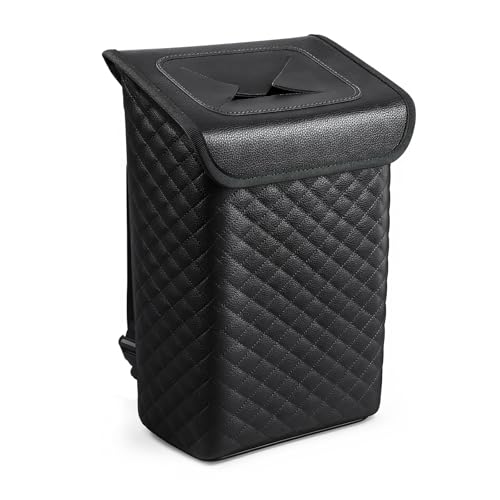
A car trash can makes sense for commuters who generate daily wrappers, receipts, tissues, or kid-related mess. The Tsumbay car trash can is most useful for drivers who will actually empty it often and have a clear place to hang it without crowding passengers.
The practical benefit is containment. A liner and lid matter more than outer finish because loose trash is what makes a cabin feel busy. Hanging designs work well behind the center console or seatback if legroom allows.
The drawback is bulk. A larger bin is useful, but it also takes space. In smaller back seats, a hanging bin can bump passengers’ knees or swing if the strap is not tightened. That was one of the first things I checked when testing similar bins in compact cabins.
Trunk organizer
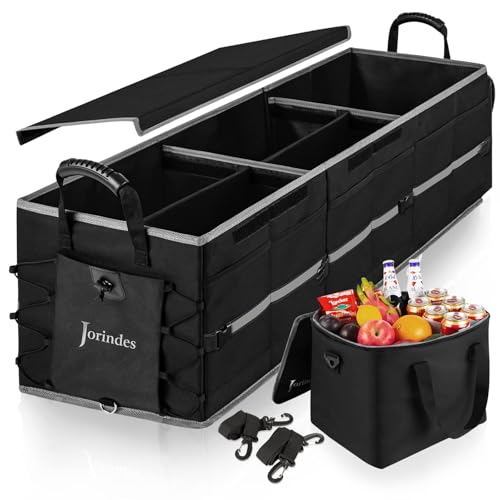
A trunk organizer is best for drivers carrying work samples, groceries, sports gear, or roadside routine items that otherwise slide corner to corner. The Jorindes collapsible trunk organizer makes the most sense in larger trunks or hatch areas where it can brace against a wall or tie-down point.
Capacity matters less than restraint. If the organizer has no way to brace against the cargo floor, it can still shift during driving. Straps, grippy feet, or a snug fit against the trunk wall make a bigger difference than another compartment. In my own use, an organizer that slides is almost as annoying as no organizer at all.
The drawback here is the same one found with many larger organizers: when half full, they can take up meaningful cargo space without staying tidy unless the dividers are used well. Foldable designs help, but only if they collapse flat enough for your trunk floor.
Dash cam mount
A dash cam mount is part visibility management and part heat management. Adhesive mounts usually give the cleanest windshield setup and the least wobble. Suction cups are easier to move, though they are more likely to drop after repeated heat cycles or when the glass gets dusty.
Camera compatibility is the first check. Some cameras use proprietary clips, others use standard plates or ball joints. Heat resistance matters because the upper windshield area gets very hot in parked cars. Mounts with weak adhesive pads often peel at the edges first.
Are car seat gap fillers worth it?
Yes, when the seat-to-console gap is wide enough to swallow daily items and the filler does not block the buckle or seat travel. They are a smart low-cost fix for the right cabin, but a bad match in narrow gaps or cars with tightly packed buckle hardware.
Where they work well and where they interfere
Gap fillers work best in cars where the seat base and center console run nearly parallel and the buckle stalk sits clear of the filler body. They work poorly where the gap narrows sharply front to back, or where the buckle sits low and close to the console.
Watch seat movement. Some fillers seem fine with the seat in one position, then bunch up or eject themselves when the seat slides forward for another driver.
How to measure before buying
- Measure the gap width at the front, middle, and rear of the seat-to-console space.
- Check the buckle stalk location and how much room remains around it when buckled.
- Move the seat through its full fore-aft range and watch for contact points.
- Check whether the console sidewall curves inward near the front, which can pinch thick fillers.
Material flexibility, removal, and cleaning tradeoffs
Flexible foam or silicone-style fillers conform better to uneven gaps. Firmer ABS-style shells hold shape better, but they can squeak or leave edges exposed in odd-shaped cabins. If the filler takes two hands and a lot of force to remove, it will not get cleaned often. That matters because the whole point is catching debris.
How do you choose safe accessories that actually fit your car?
Choose accessories by measuring the contact point, checking airbag and control clearance, and thinking about heat, vibration, and daily cleaning before purchase. Most bad buys fail in one of four ways: they wobble, they block something important, they deform in heat, or they take too much effort to maintain.
Fit checks that prevent returns
Check vent style before buying a vent mount. Thick horizontal slats hold better than small round vents or weak vertical fins. For sun shades, measure windshield width and height, then check mirror housing and any camera or rain-sensor pod behind the glass. Check dash texture before relying on adhesive pads.
Seat geometry matters for cushions and lumbar supports. Deep bolsters, short seat bases, or aggressive side wings can turn a universal cushion into an awkward fit. For organizers, look at cargo hooks, tie-down points, and whether the trunk floor is carpeted enough to resist sliding.
Safety checks around airbags, sightlines, and controls
Any accessory near the A-pillars, upper dash, steering wheel, or side seatbacks deserves extra caution. Do not place mounts or storage where they can interfere with airbags, mirror view, stalks, climate controls, or shifter access. Keep the phone screen low enough for a quick glance, not eye-level theater. This lines up with NHTSA distraction guidance and common owner’s manual warnings about airbag deployment zones.
Failure points to watch
Common failure cases are easy to predict. Mount wobble shows up on rough roads and with heavier phones. Adhesive pads fail sooner on textured, dusty, or overheated surfaces. Suction cups let go after repeated heat cycles. Foam seat cushions can flatten over time. Poorly shaped lumbar supports can create a pressure point rather than relieve one.
Chargers fail more quietly. The phone connects, but charge rate falls behind use. Organizers fail when they slide or tip. Gap fillers fail when they block the buckle. Trash cans fail when they swing or leak. Knowing the failure mode is half the buying decision.
Cleaning and replacement effort before you buy
Easy-clean interiors beat fancy materials in daily use. Washable covers, removable liners, replaceable adhesive pads, and spare straps are worth more than decorative trim. If an accessory touches food waste, shoes, or seat fabric every day, assume it will need routine cleaning from week one.
Choosing the Right Sun Shade for Your Windshield
A sun shade only works if it matches your windshield’s exact width, height, and curve. Choosing the wrong size leaves heat gaps, causes sagging edges, and forces you to readjust it every time you park.
Custom-fit foldable shades handle daily parking best, while universal accordion styles work across multiple vehicles and roll-up panels save storage space. This car sun shade review compares fit precision, folded dimensions, and overall value so you can select the type that actually blocks heat without adding friction to your routine.
Understanding Car Sun Shade Pricing and Value
Basic universal sun shades typically cost between $10 and $20, while semi-custom versions range from $20 to $40. Premium, vehicle-specific shades often cost $40 to $80 or more. Reviewing the car sun shade cost breakdown helps buyers evaluate how price tiers relate to fit quality, material durability, and long-term heat rejection.
Choosing the right price point prevents issues like sagging panels and inadequate dashboard protection, ensuring you select a shade that matches your vehicle’s specific windshield dimensions without overspending on unnecessary features.
Commute-to-accessory decision table
| Commuter type | Main pain point | Best first accessory | Why it comes first | Fit check before buying | Maintenance and wear points |
|---|---|---|---|---|---|
| 10-20 minute city commuter | Phone handling at lights and turns | Phone mount | Fixes daily reach and visibility issues fastest | Vent style, dash texture, windshield sightline | Clean clamp pads, check ball joint tightness, replace adhesive if it loosens |
| Mixed commuter with heavy navigation use | Battery drain | USB car charger | Keeps navigation, calls, and music running without battery loss | 12V socket depth, USB-A or USB-C need, cable bend angle | Inspect plug fit, replace frayed cables, keep dust out of ports |
| Outdoor-parked daily driver | Hot cabin and glare | Sun shade | Reduces first-drive heat load and protects touch points | Windshield width and height, mirror housing clearance | Fold dry, watch edge wire stress, replace when it warps |
| 45-minute highway commuter | Lower-back or hip fatigue | Lumbar support or seat cushion | Addresses body strain before storage extras | Seat base length, bolster shape, support height, pedal reach after install | Wash cover, monitor foam flattening, retighten straps |
| Driver who drops phone, cards, keys | Items falling beside the seat | Seat-gap filler | Cheap fix for a constant annoyance | Gap width front to rear, buckle clearance, seat travel | Vacuum debris, wipe flexible material, check for buckle interference |
| Parent or rideshare driver | Cabin trash and wrappers | Car trash can | Contains mess before it spreads across door pockets and footwells | Hanging location, passenger knee room, liner removal access | Empty often, wash liner, tighten strap if it swings |
| Work vehicle or grocery hauler | Loose cargo shifting | Trunk organizer | Stops load movement and groups small items | Trunk floor size, anchor points, folded height when not in use | Clean spills, inspect straps and dividers, collapse when empty |
| Dash cam user in hot climate | Messy mount or falling camera | Dash cam mount | Better video reliability starts with stable mounting | Camera plate compatibility, windshield frit area, heat exposure | Replace adhesive pads, clean glass, check for sag after heat cycles |
Consumables and spares
Charging cables
Buy one cable for the driver and one spare. Daily plugging and unplugging wears cable ends faster than most drivers expect. Short cables keep the cabin tidier near a dash-mounted phone. Longer cables suit passengers and rear-seat charging. Replace at the first sign of split strain relief or intermittent charging.
Spare adhesive pads, suction backups, and mount hardware
Mounts and dash cam bases often fail because the reusable bit was not actually reusable for that surface. A spare adhesive pad can save the mount. For suction designs, a backup cup helps after heat hardens the first one. Keep extra hardware in the glove box, not loose in the console.
Trash liners, washable covers, and organizer straps
Soft accessories stay useful only if the cleaning cycle is easy. Keep extra trash liners for any bin that sees food waste. Wash seat belt pads and seat cushion covers before odors set in. If an organizer uses detachable straps or dividers, check whether replacements are available before buying the organizer itself.
Budget setups
| Setup | Best for | Recommended mix | Where to spend more | What can be bought cheap |
|---|---|---|---|---|
| Under $50 starter | New commuter | USB charger, basic phone mount, fitted sun shade | Charger output and mount stability | Shade, spare cable |
| Mid-budget comfort setup | Long-drive comfort and charging | Seat cushion, fast charger, sun shade, seat belt pad | Seat support shape and breathable cover | Seat belt pad |
| Organization-first setup | Family or work vehicle | Tsumbay trash can, Jorindes trunk organizer, gap filler | Organizer restraint and leak control | Gap filler |
| Cold-climate comfort setup | Winter daily driver | DEFEK heated steering wheel cover, charger, sun shade for summer carryover | Safe cable routing and wheel fit | Shade |
Frequently asked questions
What are the best car accessories for comfort and convenience?
The best first buys for most drivers are a phone mount, a fast USB charger, and a sun shade. After that, choose by the problem you feel most often: lumbar support for fatigue, a seat-gap filler for dropped items, or a trash can and trunk organizer for clutter.
Which car accessories make long commutes more comfortable?
Long commutes usually benefit most from lumbar support, a seat cushion with breathable fabric, and a seat belt pad if shoulder rub is the issue. Add a reliable charger and stable phone mount next. Fix body strain first, because fatigue matters more than storage on a one-hour drive.
What accessories help keep a car organized and clutter-free?
The most effective organization accessories are a seat-gap filler, a compact trash can with a liner, and a trunk organizer that will not slide. Those three handle the small-item drop zone, daily litter, and cargo movement. Pick designs that remove easily for cleaning, or they become clutter too.
Which accessories are best for phone charging and mounting?
A stable dashboard phone mount and a fast USB-C charger are the best pairing for most cars. Vent mounts are more cabin-sensitive and can block airflow. Chargers should match the household’s cable types and provide enough output to keep pace with navigation, calls, and music use.
How do I choose safe car accessories that fit my vehicle?
Measure the exact contact point, then check for interference with airbags, sightlines, climate controls, buckles, and shifter access. Think about heat too. Adhesive pads, suction cups, and foam all behave differently after repeated hot parking cycles. A good fit on day one is only half the job.
Sources
- National Highway Traffic Safety Administration (NHTSA), distracted driving guidance and consumer advice on minimizing device-related distraction in vehicles.
- NHTSA, vehicle heatstroke prevention materials documenting rapid heat buildup in parked vehicles.
- USB Implementers Forum (USB-IF), USB Type-C and USB Power Delivery specifications and compliance guidance.
- Centers for Disease Control and Prevention (CDC), guidance on proper seat belt fit and positioning.
- Vehicle owner’s manuals, general warnings regarding airbag deployment zones, windshield obstruction, and accessory placement near controls and steering components.
Products related to this article
Sponsored / affiliate links. As an Amazon Associate I earn from qualifying purchases. I may earn additional commission from eligible campaigns.