Magnetic Letters for Cars: Will They Actually Stick?
Magnetic car letters usually stick on flat, steel body panels when the surface is clean, dry, and paint-smooth; aluminum, plastic, fiberglass, heavy curves, and speeds above about 50 mph can make them less reliable. If they fail, you can lose the sign or scratch paint. This guide explains which panels work, when speed and weather matter, and how to keep magnetic lettering from lifting or sliding.
Which car surfaces actually hold magnetic letters?
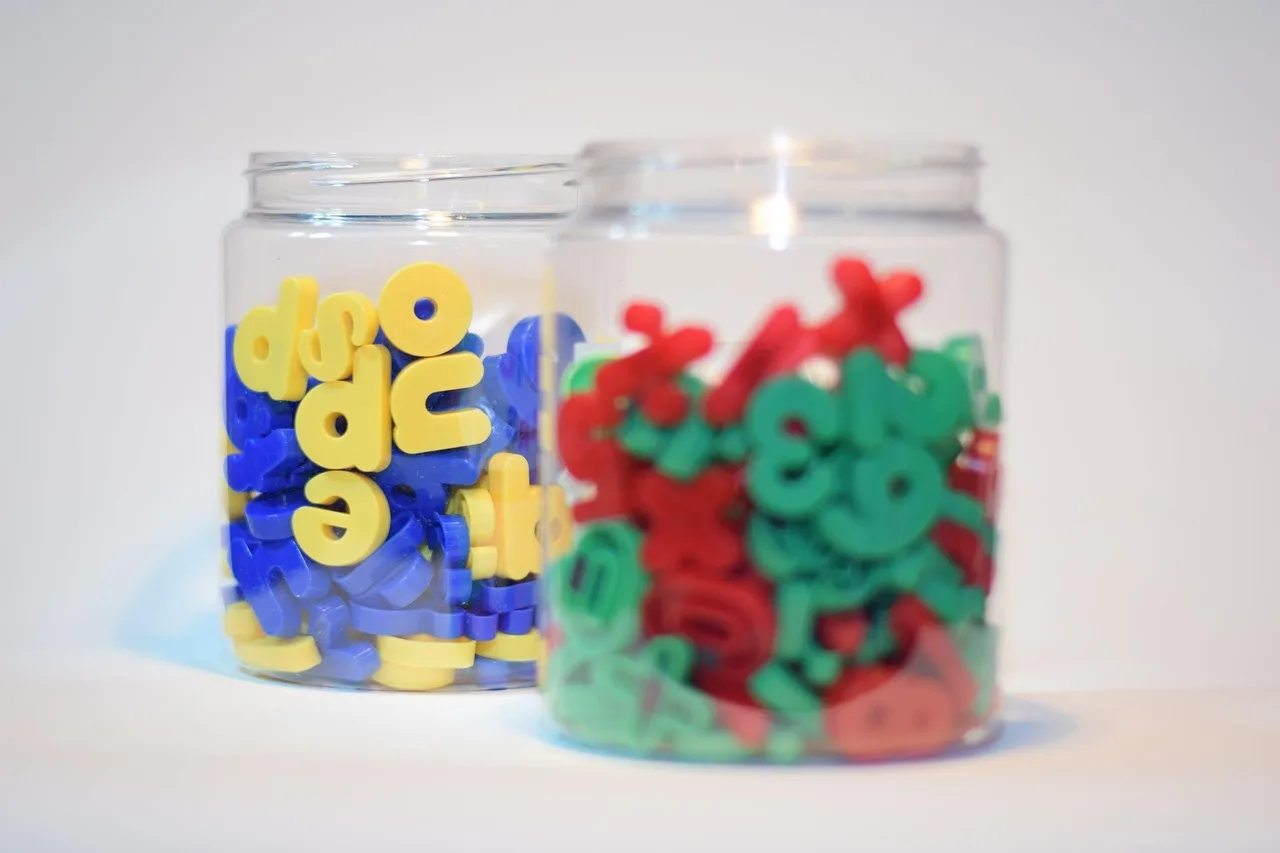

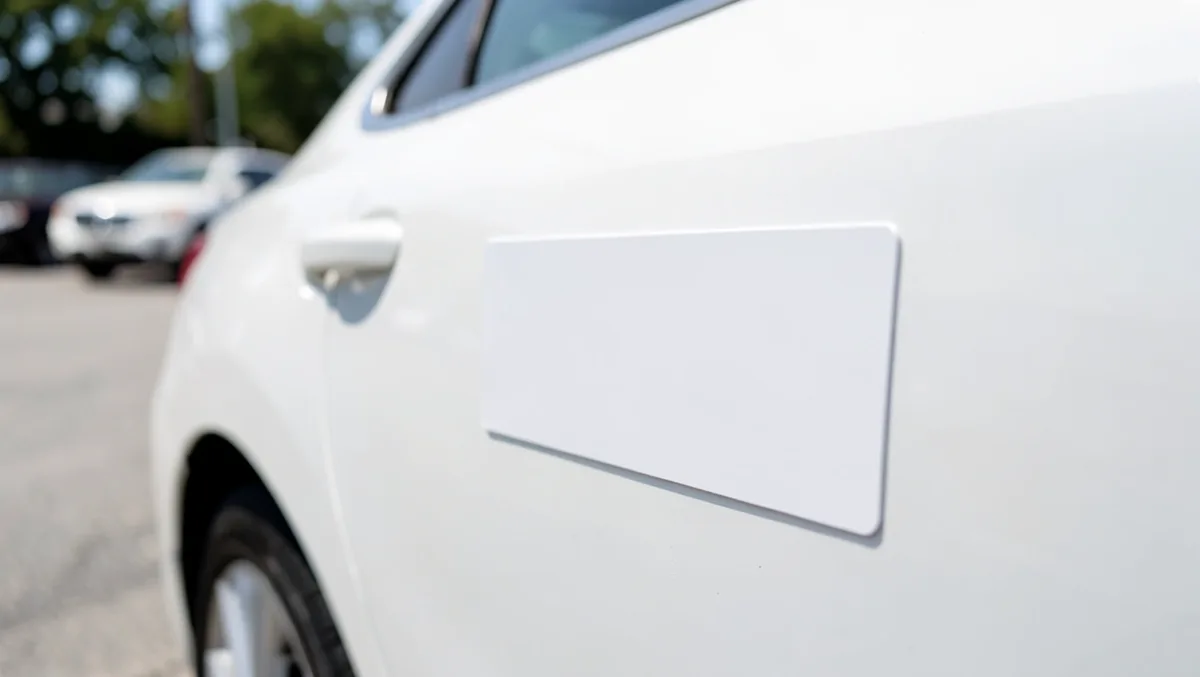
Magnetic car signs use flexible magnetic material, often sold as blank sheets or pre-cut letters for temporary display. They need a ferrous steel panel to hold. That means the magnet needs a steel surface, not aluminum, fiberglass, carbon-fiber bodywork, or plastic trim.
The usual target is a flat door skin, trunk lid, or other steel sheet panel. Edges and corners matter too. A magnet that curls up, bridges a crease, or lands on a textured area will lose contact and start to peel.
Ferrous steel only
Steel is the key surface for magnetic car signs to stick. If the panel is not ferrous, the magnet has nothing to grab. Many modern vehicles mix materials, so one part of the car may work while another part beside it will not.
Clean contact surface
Dust, road salt, wax, sealant, moisture, and trapped grit all reduce grip. Clearcoat can also hold tiny particles that act like sandpaper. A dirty panel gives weaker hold and more abrasion risk, which is why a clean, dry surface matters before every application.
Will magnetic letters work on your car?
They will work on many cars, but not on every panel of every car. The safe assumption is that only flat, steel surfaces are suitable. Doors and trunk lids often qualify, while some hoods, quarter panels, tailgates, and roof sections do not.
Modern vehicles commonly use aluminum in hoods or tailgates, plastic for trim and bumper covers, and composite parts in some body sections. Those areas will not hold a magnetic sign. Even on steel, a strong curve or body crease can make the magnet unreliable.
Body panels that usually work
Flat steel doors are the best bet. A flat steel trunk lid can also work well, provided the surface is clean and the sign sits flush. Large, smooth panels are better than small or crowned panels because they give the magnet more even contact.
Panels that usually do not
Aluminum hoods and tailgates, fiberglass body panels, plastic bumpers, and many mirror caps generally will not hold magnetic letters well, if at all. Curved or stamped sections may hold at first, then fail once wind starts prying at a lifted edge.
Quick fit check before you buy
Use a simple test before ordering signs. Hold a household magnet or the actual sign against the intended spot. If it will not cling firmly, or if part of the piece rocks on the panel, that location is a poor fit.
- Check the panel material.
- Check whether the surface is flat enough for full contact.
- Check that the sign sits without bridging a ridge, seam, or crease.
- Check whether the spot stays clean after daily driving.
- Check whether you can remove and dry it often.
Speed, shape, and edge lift
Higher speed increases peel risk because wind gets under the leading edge. Curved panels make that worse by reducing the contact area. Once a corner lifts, airflow can pry the rest loose fast, especially at highway speed.
That is why many manufacturers give speed guidance with their signs. The exact number varies by product, but a common practical rule is that signs become far more vulnerable at highway speeds. Flat panels help; curved panels hurt; dirty edges fail first.
Why highway wind matters
At speed, air pressure builds on the front edge and tries to roll the magnet back. If the edge is not fully flush, wind can enter the gap. The sign then behaves like a flap, which can lead to loss or paint wear.
Why edges come up first
Edge lift is commonly reported as a main failure mode. Curvature, panel flexing, or dirt under the magnet starts a small gap. Once that gap exists, wind and vibration work on it every mile until the magnet slides, peels, or drops.
Say your delivery van has a steel sliding door with a shallow body curve and you place a 12-inch magnetic letter set near the rear edge. At neighborhood speeds it may seem fine, but a highway merge can push air under the corner and start a lift within minutes.
Will magnetic letters scratch paint?
Yes, they can, especially when dirt gets trapped under the magnet or when the sign moves over a soft clearcoat. The magnet itself is not the only risk. Abrasive grit, moisture, and repeated flexing can mark paint and leave dull patches.
Fresh paint needs extra caution. New finishes can be more vulnerable, and any sign placed before full cure can trap contamination or leave a visible outline. Even older paint can wear if the magnet stays in one spot for too long.
How grit causes abrasion
Dust, road salt, and fine grit can sit between the sign and the panel. Every vibration turns that trapped debris into a rubbing layer. Over time, it can haze the clearcoat or leave a dull border where the magnet sat.
Wax, sealant, and trapped moisture
Wax and paint sealants can reduce grip, which makes the sign easier to shift. Moisture trapped under the magnet also weakens hold and can encourage corrosion on exposed edges or dirt lines. Clean, dry paint is the safest surface.
Why fresh paint needs extra caution
A newly painted panel may still outgas or remain softer than a fully cured finish. A magnetic sign can stick, but that does not make it a good idea. Fresh paint deserves more time before any magnet is placed on it.
Magnetic letters decision table
This checklist scores the five things that most often decide if magnetic letters stay put. Add the points for each line, then use the total to judge the fit. It is meant for temporary signage, not permanent branding.
| Factor | 0 points | 1 point | 2 points | 3 points |
|---|---|---|---|---|
| Panel material | Aluminum, plastic, fiberglass | Unknown material | Steel but unverified | Known flat steel panel |
| Panel curvature | Strong curve or ridge | Moderate curve | Light curve | Flat and smooth |
| Driving speed | Mostly highway miles | Mixed city and highway | Mostly local roads | Short, low-speed trips |
| Wash frequency | Frequent automatic washes | Regular pressure washing | Hand washing only | Rare use, removed often |
| Storage and maintenance | Left on in sun and weather | Cleaned only sometimes | Removed after wet use | Cleaned, dried, stored flat |
Will Magnetic Letters Work on Your Car? Total the points. 11 to 15 means suitable. 6 to 10 means risky. 0 to 5 means not recommended.
Say your small business wants a pair of magnetic door letters for a steel cargo van used mostly around town. The van gets hand-washed, the panels are flat, and the signs come off each night. That setup scores well. A half-ton pickup with aluminum doors and weekly tunnel washes does not.
Care, washing, and storage
Remove magnetic letters before automatic car washes when possible. Brush systems can catch an edge and rip the sign off, and high-pressure water can lift corners. Hand washing is safer, but even then the sign should come off if the panel will be scrubbed hard.
After rain, washing, or road spray, clean both the magnet and the panel, then dry them fully before reapplication. Periodic removal matters because moisture and grit can hide underneath. Leaving a magnet in one place for weeks is how paint marks start.
Clean and dry before application
Wipe the panel first, then wipe the back of the magnet. Remove dust, road salt, wax, and any moisture. Do not place the sign over a wet edge or a dirty seam.
After rain or washing
If the sign gets wet, take it off, dry both sides, and inspect for grit. Reapply only after the panel is dry. A magnet that goes back on wet is more likely to lose grip and hold debris against the paint.
How to store magnets between uses
Store the sign flat or on a clean, dry surface. Keep it out of prolonged sun, since heat can soften the material and sunlight can fade printed graphics over time. Cold weather can reduce conformability, so a stiff magnet may need extra care before re-use.
Frequently asked questions
Do magnetic letters stick to cars at highway speeds?
They can, but highway speeds raise the chance of edge lift. Wind load matters more on curved or dirty panels. Most products are meant for temporary display, so a flat steel door at local speeds is a safer fit than a highway-facing panel that flexes.
What kind of car surface do magnetic letters need to stick?
They need a ferrous steel panel with a smooth, clean, dry finish. Aluminum, plastic, fiberglass, and most trim pieces will not hold them. Even on steel, the surface should be flat enough that the whole magnet sits flush without bridging a crease.
Will magnetic letters scratch my car paint?
They can if dirt, salt, or grit gets trapped underneath or if the sign shifts in wind. A clean, dry panel lowers the risk, but it does not remove it. Remove the magnet regularly, wash both surfaces, and avoid placing it over fresh paint.
Do magnetic letters work on aluminum or plastic car panels?
No. Magnetic attraction requires steel. Aluminum, fiberglass, and plastic panels will not hold a magnetic sign, even if the surface looks similar from the outside. Some vehicles mix materials, so one part of the body may work while another part does not.
How fast can you drive with magnetic letters on a car?
There is no single safe number for every sign, but higher speed always raises peel risk. A common rule of thumb is to treat highway driving as a stress point, especially on curved panels. Follow the product’s speed guidance and remove the sign if it starts to lift.
How do you clean and store magnetic letters for cars?
Wash off dust, salt, and grime, then dry both the magnet and the panel before reuse. Store the letters flat, away from heat and direct sun. If the sign has been in rain or a wash bay, inspect the edges before putting it back on.
Are magnetic letters legal for business vehicles?
Often yes, but local rules can vary by city, state, or province, especially for commercial marking and visibility requirements. The bigger issue is practical fit: magnetic letters are better for temporary branding and removable identification than for long-term, all-weather use.
What is the difference between magnetic letters and vinyl decals?
Magnetic letters are removable and depend on steel contact, which makes them useful for temporary display. Vinyl decals bond to the surface and are usually better for long-term branding. If you need daily durability, roof signs, wraps, or window clings may fit the job better.
Why do magnetic letters stop sticking after a while?
They usually stop sticking because dirt builds up, the panel shape flexes, or the edges begin to lift. Heat can soften the material, cold can make it less conformable, and repeated washing can weaken the fit. Once a corner lifts, wind can finish the job.
Products related to this article
Sponsored / affiliate links. As an Amazon Associate I earn from qualifying purchases. I may earn additional commission from eligible campaigns.