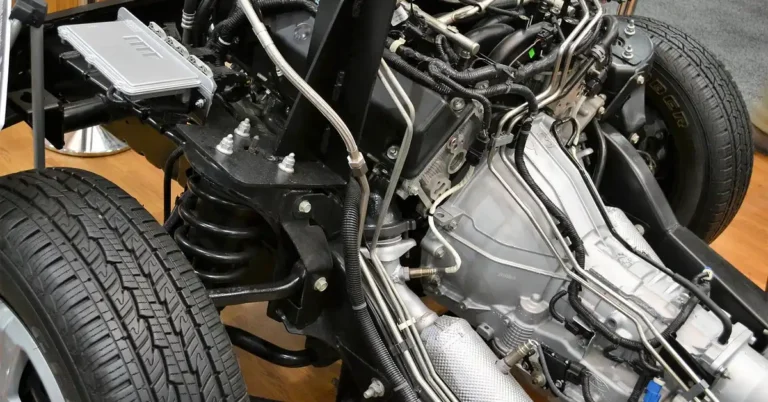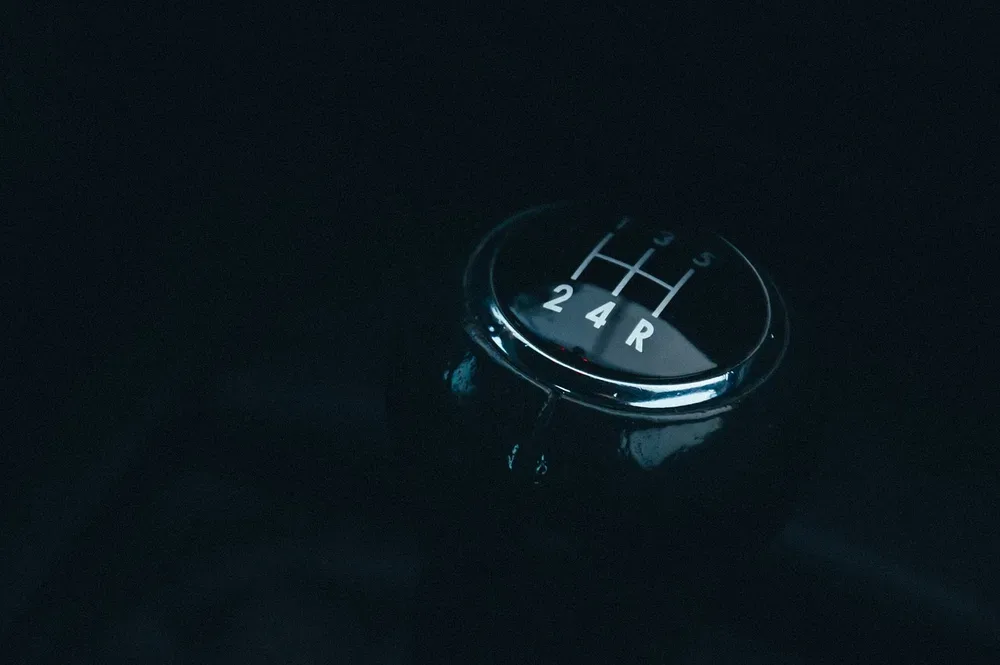
Manual vs. Automatic: Which Car Transmission Is Best?
Manual vs. automatic transmissions represent a fundamental choice for drivers, each offering distinct driving experiences and benefits. Understanding the nuances between these two systems is crucial for making an informed decision that aligns with your driving style, budget, and overall priorities.
This post will break down the key differences, advantages, and disadvantages of both manual and automatic cars, helping you decide which transmission type is the right fit for you.
Simply put, manual transmissions offer more driver control, engagement, and often better fuel economy for skilled drivers, while automatic transmissions provide unparalleled convenience, ease of use, and smoother rides, especially in stop-and-go traffic. The “best” choice depends entirely on individual preferences and driving conditions.
Key Takeaways
- Manual transmissions offer greater driver control and a more engaging driving experience.
- Automatic transmissions provide superior convenience and ease of operation, ideal for city driving.
- Traditionally, manual cars were more fuel-efficient and cheaper to buy, but modern automatics have closed this gap significantly.
- Maintenance costs can vary, with manual clutches requiring eventual replacement and automatics sometimes needing more complex repairs.
- Choosing between manual vs. automatic hinges on your personal driving style, intended use, and budget.
What is a Manual Transmission?
A manual transmission, often referred to as a stick shift, requires the driver to actively engage in the gear-shifting process. This involves using a clutch pedal to disengage the engine from the transmission and a gear shifter to select the appropriate gear for the current speed and driving conditions. This direct connection between the driver and the vehicle’s mechanics fosters a sense of control and responsiveness that many enthusiasts cherish.
The fundamental operation of a manual gearbox involves a series of gears of different sizes that mesh together. When you press the clutch, you disconnect the engine’s power flow. This allows you to move the gear lever, which in turn moves specific gears into alignment.
Releasing the clutch re-engages the engine, sending power through the selected gear set to the wheels. The driver must synchronize clutch operation with throttle input to achieve smooth gear changes.
This active participation in driving can be incredibly rewarding. Learning to master the clutch and shifter takes practice, but the payoff is a deeper connection to the road and the machine. The tactile feedback from the shifter and the ability to precisely control engine RPMs contribute to the unique appeal of manual driving.
How a Manual Transmission Works
The core components of a manual transmission system include the clutch, the gearbox itself, and the gear shifter. The clutch assembly is typically a friction plate connected to the engine’s flywheel and a pressure plate connected to the transmission input shaft. Pressing the clutch pedal disengages the pressure plate, allowing the engine to spin independently of the transmission.
Inside the gearbox are sets of gears with varying tooth counts. These gears are mounted on shafts. When a gear is selected via the shifter, a collar is moved to lock a specific gear onto the output shaft, thereby determining the gear ratio.
The gear ratio dictates how many times the engine must rotate to turn the drive wheels once. Lower gears provide more torque for acceleration and climbing, while higher gears allow for lower engine speeds at higher road speeds, improving fuel efficiency.
- Clutch Pedal: Disengages the engine from the transmission to allow for gear changes.
- Gear Shifter: Lever used by the driver to select different gear ratios.
- Transmission Input Shaft: Connects to the clutch and receives power from the engine.
- Countershaft (Layshaft): Holds gears that are constantly meshed with gears on the input shaft.
- Output Shaft: Connected to the drive wheels, transfers power after gear selection.
- Synchronizers: Mechanisms that match the speed of the selected gear to the output shaft for smooth shifts.
The process of shifting involves a coordinated dance of the clutch pedal and the gear shifter. For instance, to shift from first to second gear, the driver would depress the clutch, move the shifter from first to second, and then smoothly release the clutch while reapplying throttle. This continuous engagement helps drivers feel more in tune with their vehicle’s performance.
Advantages of Manual Transmissions
One of the primary appeals of a manual transmission is the enhanced sense of control it offers drivers. You have direct command over which gear your vehicle is in, allowing for more precise adjustments to speed and power delivery. This is particularly beneficial in situations requiring quick acceleration, such as merging onto a highway, or for engine braking on steep descents.
Manual cars often come with a lower initial purchase price compared to their automatic counterparts. Furthermore, historically, they have offered better fuel economy. While modern automatic transmissions have narrowed this gap, skilled manual drivers can still often achieve superior MPG by driving efficiently.
Maintenance can also be less complex, though clutch replacement is a significant expense that eventually arises.
| Benefit | Description |
|---|---|
| Driver Engagement | More connected driving experience, greater control over vehicle performance. |
| Cost Savings (Initial) | Generally lower purchase price for new and used vehicles. |
| Fuel Efficiency (Potential) | Skilled drivers can often achieve better MPG than with older automatic systems. |
| Simpler Mechanics | Fewer complex electronic components compared to many modern automatics. |
These advantages make manual cars a popular choice for driving enthusiasts and those looking to save money on their initial vehicle investment.
Disadvantages of Manual Transmissions
The most significant disadvantage for many drivers is the learning curve associated with operating a manual transmission. It requires coordination between the clutch, accelerator, and gear shifter, which can be challenging for new drivers, especially in heavy traffic or on hilly terrain. Stalling the engine is a common occurrence for beginners.
Driving in stop-and-go traffic can become tiring and frustrating with a manual. Constantly engaging and disengaging the clutch can lead to leg fatigue. Furthermore, while modern automatics have closed the fuel efficiency gap, an unskilled manual driver may actually achieve worse MPG than with an automatic.
Finally, eventual clutch replacement can be a costly repair, typically ranging from several hundred to over a thousand dollars, depending on the vehicle and labor rates.
- Steeper learning curve for new drivers.
- Can be tiresome in heavy, stop-and-go traffic.
- Risk of stalling the engine, especially for beginners.
- Potential for premature clutch wear due to improper use.
- Clutch replacement is a significant, albeit eventual, maintenance expense.
Warning: Improper clutch use, such as “riding” the clutch (keeping your foot lightly on the pedal while driving), can significantly shorten its lifespan.
These drawbacks mean that while engaging, manual transmissions are not the ideal choice for everyone.
What is an Automatic Transmission?
An automatic transmission takes the burden of gear selection away from the driver, automating the process based on vehicle speed, engine load, and throttle position. This results in a smoother, more convenient driving experience, making it the preferred choice for the majority of car buyers today. The driver simply selects a mode (Park, Reverse, Neutral, Drive) and the car handles the rest.
At its core, an automatic transmission uses a torque converter instead of a clutch to connect the engine to the transmission. The torque converter is a fluid coupling that allows the engine to continue running when the vehicle is stopped without stalling. Inside the transmission, a complex system of planetary gearsets, hydraulic controls, and electronic sensors work together to shift gears seamlessly.
Modern automatics often feature numerous gears (6, 8, 10, or even more) for optimal efficiency and performance.
The convenience factor is undeniable. For daily commutes, particularly in urban environments with frequent traffic lights and congestion, an automatic transmission significantly reduces driver fatigue. It allows drivers to focus more on steering, observing their surroundings, and navigating traffic without the constant need to operate a clutch and shifter.
How an Automatic Transmission Works
The operation of an automatic transmission begins with the torque converter. This device uses transmission fluid to transfer rotational power from the engine to the transmission’s input shaft. When the engine is running and the vehicle is stopped in “Drive,” the fluid in the torque converter allows the engine to spin without turning the transmission, acting like a slip clutch.
When the driver accelerates, the fluid pressure increases, transmitting more power. Within the transmission, a hydraulic system, controlled by solenoids and valves, directs fluid pressure to engage and disengage clutches and bands that lock or release different parts of the planetary gearsets. These gearsets are what create the different gear ratios.
Electronic control units (ECUs) interpret data from various sensors (speed, throttle position, engine load) to decide precisely when to shift gears for optimal performance and efficiency. “Manumatic” or paddle shifters on some automatics allow for optional manual gear selection, but the system still manages the clutch engagement.
- Torque Converter: Replaces the manual clutch, using fluid to transmit power and allow the engine to idle when stopped.
- Planetary Gearsets: Complex arrangements of gears that create different gear ratios.
- Hydraulic System: Uses transmission fluid pressure to engage clutches and bands that control the gearsets.
- Valve Body: The “brain” of the hydraulic system, directing fluid flow.
- Electronic Control Unit (ECU): Monitors sensors and commands the solenoids in the valve body to shift gears.
- Clutches and Bands: Friction elements that lock or release parts of the planetary gearsets to select a gear.
The sophisticated interplay of hydraulics and electronics allows automatic transmissions to shift gears smoothly and efficiently, often without the driver even noticing. This automation is key to their widespread appeal for everyday driving.
Advantages of Automatic Transmissions
The most compelling advantage of an automatic transmission is its sheer convenience. It greatly simplifies the driving process, making it accessible and less stressful for a wider range of drivers. Simply put the car in “Drive” and go; the vehicle manages all gear changes automatically, requiring minimal driver input beyond steering and pedal control.
This ease of use is a lifesaver in congested urban environments. Stop-and-go traffic becomes far less fatiguing when you don’t have to constantly operate a clutch pedal. Furthermore, modern automatic transmissions, especially those with many gears (like 8-speed or 10-speed automatics) or dual-clutch systems (DCTs), can achieve excellent fuel economy, often matching or even surpassing that of manuals in real-world driving conditions.
They also contribute to a smoother, more comfortable ride.
| Benefit | Description |
|---|---|
| Ease of Use | Simplifies driving, ideal for beginners and daily commutes. |
| Comfort in Traffic | Significantly reduces driver fatigue in stop-and-go situations. |
| Fuel Efficiency (Modern) | Many modern automatics rival or exceed manual MPG. |
| Smoother Ride | Generally provides a more refined and less jerky driving experience. |
| Resale Value | Higher demand often leads to better resale value for automatic vehicles. |
The convenience and often comparable efficiency of automatics make them the dominant choice in many markets.
Disadvantages of Automatic Transmissions
While convenient, automatic transmissions can be more expensive to purchase than their manual counterparts. This difference in initial cost can be a deciding factor for budget-conscious buyers. The complexity of their internal workings also means that repairs, when needed, can be significantly more costly than those for a manual transmission.
Some driving enthusiasts lament the lack of driver engagement with automatic transmissions. The car makes all the decisions, which can feel less involving for those who enjoy the tactile feedback and control offered by a manual. While modern automatics are very efficient, older designs or those with fewer gears might not achieve the same MPG as a skilled manual driver.
Furthermore, specialized automatic transmission fluid is required, and changing it is a maintenance task that should not be overlooked.
- Higher initial purchase price.
- More expensive to repair if major issues arise.
- Less driver engagement and control compared to manuals.
- Older or simpler designs may be less fuel-efficient than manuals.
- Requires specific transmission fluid for maintenance.
Important: Regular transmission fluid changes are crucial for the longevity of an automatic transmission. Consult your owner’s manual for the recommended interval.
Despite these points, the overwhelming benefits of convenience and ease of use continue to drive the popularity of automatic transmissions.
Manual vs. Automatic: A Direct Comparison
When comparing manual and automatic transmissions head-to-head, several key areas stand out. Traditionally, manuals excelled in cost and driver control, while automatics led in convenience. However, modern automotive technology has blurred these lines considerably.
For example, advancements in automatic transmission design, such as dual-clutch transmissions (DCTs) and transmissions with 8-10 speeds, have significantly improved fuel efficiency and acceleration, often matching or exceeding manual performance.
Cost is another factor that has shifted. While manuals are still generally cheaper to buy new, the price difference has narrowed, and the higher resale value of automatics can sometimes offset their initial higher cost. Maintenance costs are also complex.
Manuals will eventually need a new clutch, a significant expense. Automatics, with their intricate hydraulic and electronic systems, can be very expensive to repair if a major failure occurs, though they may not require the same type of component replacement as a clutch.
The driving experience is perhaps the most subjective area. Enthusiasts often prefer the engagement and control of a manual, enjoying the process of downshifting for power or engine braking. For most daily drivers, however, the effortless operation of an automatic, especially in congested traffic, is a far more appealing proposition.
Fuel Efficiency: Manual vs. Automatic
Historically, manual transmissions held a clear advantage in fuel efficiency. Drivers could expertly modulate the clutch and throttle to achieve optimal RPMs for cruising and shifting at precisely the right moment. This allowed them to consistently get better miles per gallon (MPG) than with older, less sophisticated automatic transmissions, which often had fewer gears and relied on torque converters that could be less efficient.
However, this gap has dramatically shrunk, and in many cases, reversed. Modern automatic transmissions, particularly those with 8, 9, or 10 speeds, and dual-clutch transmissions (DCTs), are engineered for maximum efficiency. These systems can shift faster and at lower RPMs than a human driver can, keeping the engine in its most economical operating range more consistently.
According to the U.S. Environmental Protection Agency (EPA), in 2022, the average fuel economy for automatic vehicles was approximately 24 MPG combined, while manual vehicles averaged around 22 MPG combined. This trend reflects the sophisticated programming and multiple gear ratios available in modern automatics, making them a viable, and often superior, choice for fuel-conscious drivers.
| Transmission Type | Average Combined MPG (Approx.) | Key Factors |
|---|---|---|
| Manual | 22 MPG | Driver skill, fewer gears (typically 5-6). |
| Automatic (Traditional) | 24 MPG | Fewer gears (typically 4-6), torque converter efficiency. |
| Automatic (Modern – 8+ speeds, DCT) | 26+ MPG | Multiple gears, rapid shifting, advanced programming. |
This data indicates that while manuals can still be efficient, modern automatics often have the edge in overall fuel economy for the average driver.
Cost of Ownership: Purchase Price and Maintenance
The initial purchase price often favors manual transmission vehicles. New cars equipped with manual gearboxes typically have a lower MSRP than their automatic counterparts. For example, a base model sedan might be $1,000 to $2,000 cheaper when equipped with a manual transmission.
This cost difference is primarily due to the simpler mechanical design and fewer components involved in a manual gearbox.
Maintenance costs present a more complex picture. Manual transmissions are generally simpler, leading to potentially lower repair bills for minor issues. However, the clutch is a wear-and-tear item that will eventually need replacement.
Clutch replacement can cost anywhere from $500 to $1,500 or more, depending on the vehicle and whether the flywheel also needs resurfacing or replacement. Automatic transmissions, with their intricate hydraulic systems, electronic controls, and torque converters, can be significantly more expensive to repair if a major component fails. A full transmission rebuild or replacement can easily run into thousands of dollars.
Routine maintenance for automatics includes regular fluid changes, which are crucial for longevity and can cost around $150-$300 per service. According to RepairPal, the average annual repair cost for manual transmission vehicles is around $550, while for automatic transmission vehicles it’s around $650, with the disparity often stemming from the eventual clutch replacement for manuals and more frequent, complex repairs for automatics.
| Factor | Manual Transmission | Automatic Transmission |
|---|---|---|
| Initial Purchase Price | Lower | Higher |
| Routine Maintenance | Generally simpler; may involve periodic checks. | Regular fluid changes are critical; can be more costly. |
| Major Component Wear | Clutch (eventual replacement needed). | Torque converter, internal clutches/bands (less frequent but complex). |
| Potential Repair Costs | Clutch replacement is a significant expense ($500-$1500+). | Complex repairs can be very expensive ($1500-$5000+). |
| Average Annual Repair Cost (Estimate) | ~$550 | ~$650 |
When considering the total cost of ownership, it’s essential to weigh the initial savings of a manual against the potential long-term repair costs and the higher purchase price of an automatic.
Which Transmission is Right for You?
The choice between a manual and automatic transmission is highly personal and depends on a variety of factors. If you value a direct connection to your vehicle, enjoy the process of driving, and are looking for a potentially lower initial cost, a manual transmission might be your ideal choice. They are also often preferred by performance driving enthusiasts for track days or spirited driving on winding roads.
Conversely, if convenience, ease of use, and comfort, especially in city driving and heavy traffic, are your top priorities, an automatic transmission is likely the better option. Modern automatics offer excellent fuel efficiency and smooth performance, making them suitable for almost any driver. Consider your daily commute, your comfort level with learning a new driving skill, and your tolerance for stop-and-go traffic when making your decision.
Tip: If you’re considering a manual but are unsure about your skill level, try renting a manual car for a weekend or taking a driving lesson focused on stick shifts. This can help you gauge your comfort and aptitude.
Ultimately, both transmission types have evolved significantly and offer viable solutions for modern drivers. Test driving both types in similar conditions is highly recommended before making a final decision.
Frequently Asked Questions
Is a manual or automatic transmission better for fuel economy?
Modern automatic transmissions, especially those with 8 or more gears, often achieve better fuel economy than manual transmissions due to their precise gear selection and efficient operation. However, a skilled manual driver can still achieve excellent MPG.
Which type of transmission is cheaper to buy?
Generally, vehicles equipped with manual transmissions have a lower initial purchase price compared to identical models with automatic transmissions. This cost difference is primarily due to the simpler mechanical design of manual gearboxes.
Are manual transmissions harder to maintain than automatic ones?
Manual transmissions are often considered simpler mechanically, but they require eventual clutch replacement, which is a significant expense. Automatic transmissions have more complex internal parts, and their repairs can be very costly if major issues arise, though routine maintenance like fluid changes is critical.
Which transmission is better for learning to drive?
Automatic transmissions are significantly easier for new drivers to learn. They eliminate the need to coordinate the clutch and shifter, allowing learners to focus on steering, braking, and accelerating more effectively.
Will I regret buying a car with a manual transmission?
Whether you regret buying a manual transmission depends on your driving habits and preferences. If you enjoy driving, appreciate control, and don’t frequently drive in heavy traffic, you likely won’t regret it. However, if you prioritize convenience and comfort, you might find a manual to be more challenging over time.
Final Thoughts
The debate between manual vs. automatic transmissions continues, but the choice boils down to individual preference and intended use. Manuals offer engagement and control, while automatics prioritize convenience and ease.
With modern advancements, both types provide competitive fuel efficiency and performance, making neither definitively superior across the board. Consider your personal driving style, your typical driving environment, and your budget to make the best decision for your next vehicle.
Products related to this article
Sponsored / affiliate links. As an Amazon Associate I earn from qualifying purchases. I may earn additional commission from eligible campaigns.