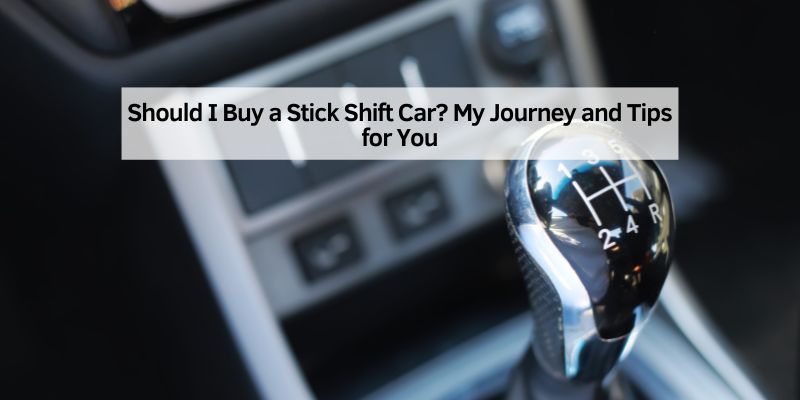
Should You Buy a Stick Shift Car? Pros, Cons & 2026 Models
A stick shift car is worth buying if you value hands-on control, lower theft risk, and cheaper repairs — but not if you spend most of your time in stop-and-go traffic. Manual transmissions now make up less than 1% of new U.S. car sales, per EPA data, so your choice narrows to about two dozen 2026 models. This guide covers real ownership costs, which cars still offer a manual, and how to decide if one fits your drive.
Quick Answer
Buy a stick shift if you drive mostly highway or backroads, want lower theft risk, and don’t mind a smaller resale pool for everyday cars. Skip it if you’re stuck in heavy city traffic daily. Manuals now match or beat automatic fuel economy in most 2026 models, and a clutch replacement runs $800–$3,000 versus a full automatic transmission overhaul.
What Is a Stick Shift Car?
A stick shift car, also called a manual car, lets you control the gears yourself. You use a clutch pedal and a gear stick to shift gears while driving. Unlike automatic cars, which shift gears for you, manuals need you to decide when to change gears. This makes driving more hands-on and, for a lot of drivers, more fun.
Stick shift cars have been around since the earliest days of the automobile. Today they’re concentrated in sports cars, off-road trucks, and a shrinking handful of economy models. You’ll still find them from Honda, Toyota, Mazda, Subaru, Ford, and Jeep — but at very specific trims, not across the board.
Why Choose a Stick Shift Car?
Driving a manual car feels like a dance. You press the clutch, shift gears, and feel the car respond directly to what you do. Here’s why people still choose them:
- More control: You decide when to shift, giving you direct say over speed, RPM, and engine braking.
- Fun to drive: Shifting gears feels engaging, especially on curvy roads or a good on-ramp.
- Usually cheaper to buy: When a manual and automatic version of the same trim exist, the manual is typically the less expensive option.
- Harder to steal: Most opportunistic and joyriding thieves have never learned to operate a clutch. There’s no official government tally of theft rates by transmission type, but law enforcement and the auto-security industry consistently note that recovered stolen vehicles rarely have a clutch pedal.
I still remember my first time driving a stick shift — my dad’s old pickup truck stalled three times before I got it moving, but the thrill of shifting gears myself was worth it. On a later road trip, shifting through the gears on winding mountain roads made the drive genuinely more fun than an automatic ever has for me.
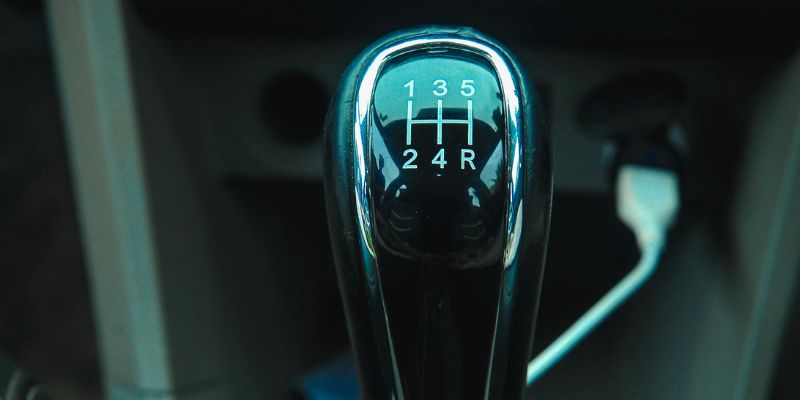
Benefits of Driving a Stick Shift
Manual cars have a few real, practical perks beyond the fun factor. Here are the ones that actually hold up:
- Lower purchase price: Manual trims commonly run $800–$2,000 less than the identical automatic trim.
- Simpler, cheaper repairs: A manual gearbox has no torque converter, valve body, or complex hydraulics to fail. A clutch replacement (the main wear item) typically runs $800–$3,000 depending on the vehicle, versus a much pricier rebuild if an automatic transmission fails.
- Engaging drive: You feel every gear change, which makes ordinary drives more interesting.
- Theft deterrent: As noted above, thieves who can’t drive stick generally move on to an easier target.
Do Manual Cars Really Get Better Gas Mileage? Not Anymore
This used to be true, and it’s still repeated constantly — but it isn’t accurate for most modern cars. Since roughly model year 2016, automatic transmissions with more gears (8–10 speeds) and CVTs have closed or reversed the gap. The U.S. Department of Energy notes that starting with MY2016, automatic-transmission vehicles have had higher average fuel economy than manual-transmission vehicles of the same model, not the other way around.
Manuals can still edge out automatics on a handful of older-style economy cars if you shift efficiently, but as a blanket rule for new cars, treat “manuals save gas” as outdated advice.
Drawbacks to Consider
Manuals aren’t perfect, especially for beginners or daily city commuters. Here are the real downsides:
- Learning curve: It takes time to master the clutch and gears. I stalled my car constantly at first.
- Traffic fatigue: Constant clutching in stop-and-go traffic gets tiring on your left leg.
- Very few options: Manuals are now a rounding error in new-car sales — see the exact figure below.
- Smaller buyer pool: Most everyday buyers shopping for a used sedan, SUV, or truck want an automatic, which can slow down a sale.
Once, I got stuck in a long traffic jam with my manual car. My leg was sore by the time I got home, and for the first time I understood why so many buyers just want an automatic.
Will a Manual Hurt My Car’s Resale Value? It Depends on the Car
For an everyday sedan, SUV, or pickup, yes — a manual usually narrows your buyer pool and can soften trade-in offers, since most used-car shoppers want an automatic. But that isn’t universal. Hagerty’s collector-car price data shows more than 2,000 vehicle generations are actually worth more with a manual than an automatic, averaging about a 17% premium, because enthusiast and sports-car buyers specifically seek out the stick shift version. The rule of thumb: manual hurts resale on ordinary daily drivers, but can help it on sports cars and other enthusiast-focused models.
📊 Manual transmissions made up under 1% of new U.S. vehicle sales in the latest EPA reporting period, down from 1.7% in 2023 and about 35% back in 1980. — Source: EPA Automotive Trends Report, 2026
How to Drive a Stick Shift Car
Learning to drive a manual is like riding a bike — tricky at first, then automatic. Here’s the basic sequence to get started:
- Find a quiet spot: Use an empty parking lot to practice without traffic pressure.
- Press the clutch: Push the clutch pedal (leftmost pedal) all the way to the floor.
- Shift to first gear: Move the gear stick to the “1” position.
- Ease off the clutch: Slowly lift your foot while pressing the gas lightly until the car starts to move.
- Shift up as the engine climbs: Around 2,500–3,000 RPM, press the clutch, move to the next gear, and release smoothly.
I practiced in a school parking lot on weekends and felt confident within about a week. For a much deeper breakdown of clutch feel, RPM timing, and gear selection, see our full guide on how to drive a stick shift car.
Comparing Stick Shift and Automatic Cars
Here’s a quick side-by-side. For a full feature-by-feature breakdown, see our dedicated stick shift vs. automatic comparison.
| Feature | Stick Shift | Automatic |
|---|---|---|
| Purchase Price | Usually $800–$2,000 cheaper | More expensive on the same trim |
| Fuel Economy | Comparable, occasionally slightly better on older-style compacts | Equal or better on most cars sold since MY2016 |
| Ease of Use | Steeper learning curve | Easy for beginners |
| Driving Engagement | Very hands-on | Less interactive |
| Repair Costs | Lower — clutch job runs $800–$3,000 | Higher — a transmission rebuild costs significantly more |
Caption: Comparing stick shift and automatic cars for new drivers, updated with current fuel-economy and repair-cost data.
Costs of Owning a Stick Shift Car
Owning a manual can save money, but there are real costs to plan for. Here’s a realistic breakdown:
| Item | Cost | Notes |
|---|---|---|
| Purchase Price | $24,000–$45,000+ | Most 2026 manuals are sports cars, trucks, or performance trims; base economy models run the lower end. |
| Clutch Replacement | $800–$3,000 | Needed roughly every 60,000–100,000 miles depending on how you drive; sports and truck clutches cost more. |
| Fuel | $1,400–$1,800/year (avg.) | Comparable to an equivalent automatic, not automatically cheaper. |
| Insurance | $1,000–$2,000/year | Similar to the automatic version of the same car. |
Caption: Typical costs for owning a stick shift car in the USA.
I saved about $1,200 when I bought my manual Mazda3 compared to pricing out the automatic version of the same trim — a savings that’s held up well since.
Which 2026 Cars Still Come With a Manual Transmission?
Roughly two dozen new vehicles still offer a manual for the 2026 model year, almost all concentrated in sports cars, off-roaders, and enthusiast trims rather than mainstream commuter cars. Here’s a snapshot by category:
| Category | 2026 Models Still Offering a Manual |
|---|---|
| Affordable sports cars | Mazda MX-5 Miata, Subaru BRZ, Toyota GR86 |
| Sport compacts | Honda Civic Si & Civic Type R, Mazda3, Subaru WRX, Toyota GR Corolla |
| Performance flagships | Toyota GR Supra, Ford Mustang GT & Dark Horse |
| Trucks & off-road | Jeep Wrangler, Ford Bronco (base/Big Bend/Badlands/Heritage with the 2.3L EcoBoost), Toyota Tacoma TRD (select trims) |
Availability by trim and region changes year to year, so always confirm with the dealer before you shop. For the full, continuously updated list of every manual car sold in the U.S., see what cars are still made with a manual transmission.
Tips for Buying a Stick Shift Car
Here are my top tips for choosing a manual car in a market where they’re increasingly rare:
- Test drive first: Try shifting in real traffic and on a hill, not just a straight lot.
- Call ahead: With so few manuals built, dealer lots often have zero in stock — confirm availability before you drive out.
- Budget for the clutch: Set aside $800–$3,000 for an eventual clutch replacement, timed to your mileage and driving style.
- Be patient learning: It takes most new drivers one to two weeks of practice to feel smooth.
I test-drove a manual Subaru before buying mine, and it made me far more confident in the decision. A site like Kelley Blue Book can help you check which specific trims still offer a manual before you visit a dealer.
Common Mistakes to Avoid
New drivers make the same few mistakes with manuals. Here’s what to watch for:
- Releasing the clutch too fast: This causes stalling. Go slow and smooth.
- Wrong gear choice: Shifting to third instead of first is a common early mistake. Double-check the shift pattern.
- Riding the clutch: Don’t rest your foot on the pedal while driving — it wears the clutch out faster.
I once shifted to fifth instead of third and the car lurched hard. A little more practice fixed it fast.
Alternatives to Stick Shift Cars
If a full manual sounds like too much, consider these options:
- Automatic cars: Easier to drive and much better suited to heavy city traffic.
- CVT transmissions: Smooth and efficient but less engaging, common in many Nissans and Subarus.
- Dual-clutch automatics: Sporty and quick like a manual but shift on their own, common in VW and Porsche models.
I tried a dual-clutch VW GTI and it felt genuinely sporty without any clutch work on my part — a solid middle ground if you want engagement without the learning curve.
Safety Tips for Driving a Manual
Driving a stick shift is just as safe as driving an automatic if you follow these habits:
- Focus on the road: Shifting takes a moment of attention, so avoid other distractions while you do it.
- Practice hill starts: Use the handbrake or your right foot to hold the car in place so you don’t roll back.
- Check your mirrors: Stay aware of surrounding traffic while your attention is briefly on shifting.
I learned hill starts in a parking garage, which saved me from rolling into the car behind me the first time I tried it on a real hill. AAA’s own guide to driving a stick shift covers hill-start technique in more detail if you want extra practice tips.
“Every time I hand someone my keys and watch them hesitate at the clutch, I’m reminded why my manual has never once worried me in a parking lot. Most people simply never learned how — and that’s the real reason a stick shift is such an effective, if accidental, anti-theft device.”
Why I Love My Stick Shift Car
My manual car makes every ordinary drive feel a little more engaged than an automatic ever did for me. It’s cheaper to maintain, and I’ve genuinely enjoyed the driving itself more. But it’s not for everyone. If you love control and don’t mind practicing, a stick shift might be your dream car — and if you want to show it off, there are even stick shift bumper stickers made for exactly that. If daily traffic already stresses you out, an automatic is probably the better call.
Conclusion
Stick shift cars are fun, usually cheaper to buy and repair, and give you real control over the drive. They’re harder to learn, and traffic can tire you out, but for the right driver they’re genuinely rewarding. Test drive one to see if it fits how and where you actually drive before you rule it out.
Frequently Asked Questions
Is It Hard to Learn a Stick Shift?
Yes, it takes practice. You’ll stall a few times, but most people learn the basics in a week or two. Start in an empty parking lot and go slow with the clutch. I stalled a lot at first but got smooth within about a week of practice.
Are Stick Shift Cars Cheaper to Buy?
Usually, yes. When both are offered, a manual trim typically costs $800–$2,000 less than the identical automatic trim. Manuals are also generally cheaper to repair long-term, since the clutch is simpler and less expensive to fix than a failed automatic transmission.
Do Stick Shift Cars Get Better Gas Mileage?
Not anymore, in most cases. This was true years ago, but since around model year 2016, automatic transmissions with more gears and CVTs have closed or reversed the gap, according to the U.S. Department of Energy. Treat “manuals save gas” as outdated for most current vehicles.
Are Stick Shift Cars Safe to Drive?
Yes, if you drive carefully. Shifting takes a brief moment of focus, so avoid other distractions while you do it, and practice hill starts so you don’t roll back into traffic. AAA’s own guide to driving a stick shift covers safe hill-start technique in detail.
Can I Drive a Stick Shift in Heavy Traffic?
Yes, but it’s more tiring. Constant clutching in stop-and-go traffic strains your left leg over a long commute. If you spend most of your driving time in heavy city traffic, an automatic will genuinely be less fatiguing day to day.
Where Can I Find a New Stick Shift Car?
Check Honda, Toyota, Mazda, Subaru, Ford, and Jeep, since these brands still build manual trims for 2026. Manuals are well under 1% of new car sales, so call the dealership ahead of time to confirm a specific trim is actually in stock before you drive out.
Is It Worth Learning to Drive a Manual in 2026?
Yes, for two practical reasons beyond the fun factor: it’s a useful backup skill if you ever need to drive a manual rental, loaner, or a friend’s car, and it measurably narrows the pool of people who could drive off in your car if it’s ever left unattended with keys inside.
Products related to this article
Sponsored / affiliate links. As an Amazon Associate I earn from qualifying purchases. I may earn additional commission from eligible campaigns.