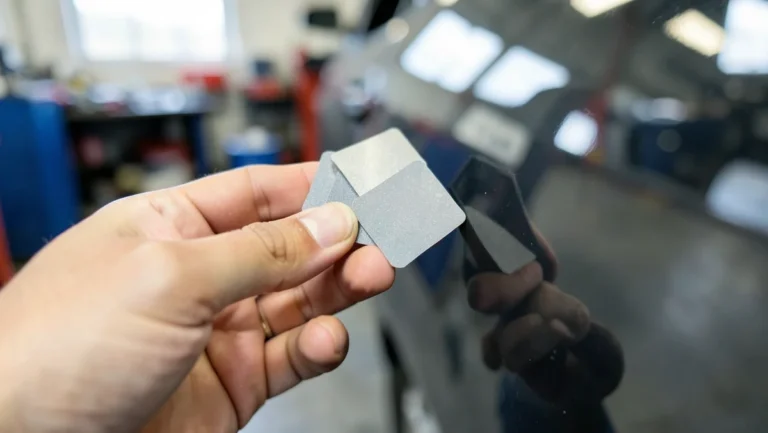
3 Best Washing Cloths for Cars (2026): We Compared
The best washing cloth for car care depends on the job: choose a plush microfiber wash mitt or cloth for paint, a dual-use microfiber for detailing, and a waffle-weave drying towel for drying. Use the wrong cloth and you can drag grit across clear coat, leaving swirls on black paint and coating. This guide compares microfiber, chenille, chamois, and drying towels, then gives three picks by use case.
The best washing cloth for car care depends on the job: use a plush microfiber wash mitt or cloth for paint, a dual-use microfiber for detailing, and a waffle-weave drying towel for drying. Use the wrong cloth and you can drag grit across clear coat, leaving swirls on black paint and coating. This guide compares microfiber, chenille, chamois, and drying towels, then gives three picks by use case.
Quick comparison
| Product | Badge | Best for | Price | ||
|---|---|---|---|---|---|
 |
Chemical Guys, Chenille Microfiber Wash Mitt for Cars, LimeChemical Guys | Our pick | Single · ultra-soft chenille · lime green | $8.99
Price as of 25 Oct 2026
|
View |
 |
Detailer’s Preference Premium Edgeless Microfiber Towels,Detailer’s Preference | Also great | 12-pack · 350 GSM · light blue | $19.99
Price as of 25 Oct 2026
|
View |
 |
Simple Houseware 25" x 36" Waffle Weave Gray MatterSimple Houseware | Budget pick | 25 x 36 in. · waffle weave · gray | $9.97
Price as of 25 Oct 2026
|
View |
 |
SOFTBATFY Ultrasoft, Large, Thick and Quick Drying CarSOFTBATFY | Also great | $22.99
Price as of 25 Oct 2026
|
View |
The right cloth depends on where it touches the car. Paint washing needs lubrication and grit control. Drying needs high absorbency and low lint. Detailing needs a towel that can wash, buff, and wipe without grabbing too hard.
How we chose
We compared each cloth by paint safety, absorbency, edge construction, size, and care. We also split washing, detailing, and drying so you can match the tool to the job, rather than treating every cloth as interchangeable.
GSM matters here, but it is not the only filter. A heavier towel can hold more water, yet weave, edge design, and pile often decide whether the cloth stays gentle on clear coat or feels too grabby on tight panels.
Paint safety and swirl risk
Microfiber cleaning cloths are popular because they shed little lint, are non-abrasive, and go in the washer. Chenille mitts add deep pile and soap retention, which helps float dirt away from paint. Chamois dries fast, but it is less forgiving if dust is still on the panel.
Absorbency, pile, and GSM
GSM, or grams per square meter, is a helpful weight metric for towel density. A 300 GSM+ baseline is often cited because thicker plush towels usually hold more water and feel safer on paint, while very thin towels can run out of absorbency too quickly.
Edges, size, and ease of rinsing
Edge construction affects scratch risk. Overlocked stitching can be fine if the seam is soft; edgeless designs reduce the chance of a hard border touching the finish. Very large towels dry faster, but a bulky mitt can feel awkward on mirrors, grilles, and narrow trim.
Care, reuse, and lifespan
Machine washability matters because a dirty cloth can carry contamination. Rinse during use, wash after the job, avoid fabric softener, and store towels clean and dry. When a cloth starts shedding lint, losing absorbency, or feeling rough, it is past its best use.
Chemical Guys chenille wash mitt: best for paint-safe washing
If your main goal is safe contact with paint, this chenille wash mitt is the strongest fit. The manufacturer describes it as ultra-soft chenille microfiber, and the deep pile is meant to hold water and soap for lubrication while it lifts dirt from clear coat, glass, and chrome.
That shape matters on dirty panels. A mitt gives you a hand inside the tool, so you can guide it around contours while keeping pressure light. It is a better match for daily drivers, black paint, and vehicles that pick up road film after every commute.
The drawback is bulk. A mitt can feel awkward in tight spaces like emblems, fuel doors, and narrow mirror housings, where a smaller towel or dedicated detailing cloth gives you more control. It is also not a drying tool.
Why deep pile matters on dirty panels
Deep pile gives grime more room to stay away from the paint face. That does not make the mitt magic. You still need a clean rinse bucket, frequent rinsing, and straight-line passes so loosened grit is not dragged back across the finish.
Best fit for daily drivers and black paint
Daily drivers need a wash tool that keeps soap in the pile and cuts friction. Black paint shows swirls quickly, so a plush chenille mitt is a sensible first step when the car has ordinary road dust rather than caked mud or heavy grit.
When not to use it
Do not use this mitt as a drying cloth. Do not use it on dry, dusty paint without a rinse stage. And do not force it into tight badge lines if the bulk keeps the pile from contacting the surface evenly.
Detailer’s Preference edgeless microfiber towels: best for multipurpose detailing
This 350 GSM edgeless microfiber towel is commonly a good all-rounder for wash-adjacent detailing jobs. Based on the listing, it is a 12-pack of 16×16 towels built for washing, waxing, buffing, and polishing, so it fits the driver who wants one cloth family for several tasks.
The appeal is range. Edgeless construction helps reduce scratch risk, while the 350 GSM weight gives more body than thin utility towels. That makes it useful for final wipe-downs, interior touch-ups, quick spot cleaning, and light drying where you want control more than maximum water pickup.
The honest drawback is that one towel cannot do everything perfectly. It is not as specialized as a chenille mitt for washing or a 25 x 36 waffle towel for fast drying, and a smaller 16×16 format can fill up faster on larger vehicles.
Wash side vs dry/buff side
A dual-use microfiber towel works because one face can lift grime while the other finishes the panel. MR.SIGA’s product details spell out that split clearly: one side is for washing and scrubbing, the other for drying and buffing. That kind of design helps when you want one towel to do more than one job.
Edge design and scratch control
Edges matter more than many buyers expect. A soft edge or edgeless cut lowers the chance of a seam rubbing the paint. Overlocked stitching can work, but only if the border stays pliable and does not feel sharp in hand.
Best fit for interior touch-ups and final wipe-downs
This towel suits door jambs, interior trim, wax removal, and quick rinseless-style finishing work better than a bulky mitt. It is the pick for people who want one microfiber type for multiple chores, not the absolute best cloth for a single job.
Simple Houseware waffle-weave drying towel: best for fast drying
For pure drying speed, a waffle-weave microfiber towel is the cleanest choice here. The listed 25" x 36" size gives you broad coverage, and the waffle pattern is designed to pull water fast while leaving a streak-free finish after the wash.
This is the better fit for larger panels, glass, and full-body drying when you want high absorbency without a heavy, plush feel. The large size helps you cover more sheet metal in fewer passes, which matters after a full wash or after rain.
The drawback is obvious: a drying towel should not replace a proper wash mitt on dirty panels. If the cloth is too thin or already saturated, it stops absorbing well and can start pushing water around instead of removing it.
Why waffle weave pulls water fast
Waffle-weave texture increases surface area and gives water somewhere to go. That helps the towel grab rinse water quickly and reduce streaking. It is a drying tool first, not a wash mitt, because the weave is meant for water management rather than deep dirt suspension.
Best fit for streak-free drying
Use this after the paint is already clean. It is a strong match for ceramic-coated cars, daily drivers that need quick drying after a wash, and anyone who wants fewer towel passes on large hoods, roofs, and doors.
When a drying towel is too thin for washing
If a towel feels thin, it can saturate too quickly during washing and lose the cushion that protects clear coat. That is where a proper wash mitt or plush microfiber cloth is safer. A drying towel belongs at the end of the process, not at the dirtiest stage.
SOFTBATFY thick microfiber towel: best for plush all-purpose use
This 800GSM microfiber towel sits at the plush end of the list. Based on the listing, it is a 6-pack of 16 x 16-inch towels built for polishing, waxing, and general auto detailing, which makes it appealing if you want a thick towel for wiping and buffing.
The standout feature is density. Higher GSM usually means more body and more absorbency, so this towel can feel reassuring on finishing work and light drying. It is a sensible alternative when you want one towel to feel substantial in hand.
The drawback is practical: thicker is not always better for every task. A dense 800GSM towel can be overkill for tight spaces, and it still does not replace a chenille mitt for paint washing or a large waffle-weave towel for fast full-car drying.
Wash cloth matrix
| Winner | Best for | GSM | Weave / pile | Size | Edge design | Care and lifespan |
|---|---|---|---|---|---|---|
| Chemical Guys chenille wash mitt | Paint-safe washing on dirty panels | Not stated | Ultra-soft chenille microfiber, deep pile | Mitts sized for hand coverage | Soft mitt cuff; no hard towel edge at the paint face | Rinse often during use, machine wash after, air-dry or tumble dry low, replace when the pile mats down or holds grit |
| Detailer’s Preference edgeless microfiber towel | Multipurpose detailing, final wipe-downs, light drying | 350 GSM | Microfiber towel, edgeless | 16×16 | Edgeless to reduce scratch risk | Wash separately, avoid fabric softener, keep folded clean, replace when edges fray or absorbency drops |
| Simple Houseware waffle-weave drying towel | Fast, streak-free drying | Not stated | Waffle-weave microfiber | 25" x 36" | Soft towel border | Wash after drying jobs, dry fully before storage, replace when it starts leaving lint or needs too many passes to dry panels |
| SOFTBATFY plush microfiber towel | Thick all-purpose buffing and light drying | 800GSM | Plush microfiber | 16 x 16 | Typical towel edge | Wash gently, keep free of fabric softener, store clean and dry, replace when the plush feel collapses or the towel drags on paint |
Washing cloth checklist
- Chenille mitt: do not use on a dry, dusty panel without rinsing first; do not force it into tight trim where the bulk cannot stay flat; do not use it as a drying towel.
- Microfiber detailing towel: do not expect a 16×16 towel to dry a whole SUV quickly; do not use a thin towel on heavily soiled paint; do not let a hard edge touch fresh clear coat.
- Waffle-weave drying towel: do not use it as the only wash cloth on gritty paint; do not keep using it once it is saturated; do not choose a tiny towel for a large truck.
- Chamois: do not use it on dusty paint that still needs lubrication; do not treat it as a safe first-contact wash tool; do not use a stiff, dry chamois on a black car with visible grit.
What GSM should you buy?
For most car wash cloth buyers, 300 GSM+ is a sensible baseline because it usually signals a thicker towel with better absorbency than ultra-thin utility cloths. A denser towel often feels safer in hand, especially for drying and buffing, because it has more body and fewer rough edges rubbing the finish.
GSM helps most when you are comparing similar towels. It matters less than weave and edge design if the cloth will touch paint directly. A 350 GSM edgeless towel can be more paint-friendly than a heavier towel with a rough seam.
Thicker plush towels help most when you want cushioning, spot drying, or final finishing. Very high GSM can also mean a bulkier towel that is slower to wring out, so it is not automatically the best choice for every task.
When thicker plush towels help
Thicker towels are useful for drying large flat panels, buffing wax residue, and protecting delicate clear coat during final wipe-downs. They also feel better for people who want a little more cushion between their hand and the paint.
When GSM matters less than weave and edge
If the towel will be used on trim, door jambs, or tight panels, edge construction matters more than raw GSM. A soft edge or edgeless cut can matter more than moving from 350 GSM to 800GSM when the goal is reducing scratch risk.
Is microfiber or chenille better for car washing?
Chenille is usually better for the wash step because its deep pile holds soap and water, which improves lubrication on clear coat. Microfiber towels are better as general-purpose cloths, especially for wiping, buffing, and light detailing, where a flat towel gives more control.
The choice is not about one material winning every time. Chenille is the safer wash tool for dirty body panels, while microfiber is the better all-purpose format when you want a cloth that can do several jobs around the car.
Washing performance on paint and clear coat
On paint, the key is keeping grit suspended and pressure low. Chenille does that well because the pile can trap suds and grime away from the surface. Microfiber can still wash safely, but it usually works best when it is plush, clean, and used with a careful rinse routine.
Soap retention and hand feel
Chenille tends to feel fuller in the hand because the noodles hold a lot of water and suds. Microfiber towels feel flatter and more controlled, which helps for finishing work but gives less cushion during heavy wash contact.
Best use cases for each material
Choose chenille for first-contact washing of dirty paint. Choose microfiber for final wipe-downs, quick touch-ups, and multi-use detailing. A common first-timer mistake is using the same thin towel on the whole car, then wondering why the hood starts showing fine swirls.
Are chamois cloths good for car washing and drying?
Chamois cloths are better for drying than for washing. Natural leather and synthetic versions both offer high absorbency and can be wrung out, but they are less forgiving on dusty paint than a plush microfiber mitt or towel. That makes them a drying tool, not a safe first wash cloth.
If the panel is already clean, a chamois can help remove water quickly and stay lint-free. If the paint still has road film or dust, the cloth can feel too unforgiving and may drag contamination rather than float it away.
Natural leather vs synthetic chamois
Natural leather chamois and synthetic chamois both focus on water removal. The practical difference for most buyers is how they feel in use and how easily they can be wrung out. Neither one is the best choice for dirty paint that still needs lubrication.
Why chamois works better as a dryer
Chamois works well after the wash is already done. It can absorb a lot of water, stays lint-free, and can be wrung out as it loads up. That makes it a fast drying aid, not a wash mitt replacement.
When chamois is too unforgiving on dusty paint
Suppose a sedan has a thin layer of dust after sitting under a tree all day. A chamois dragged across that surface can feel grabby because the dust has not been lifted yet. In that case, a rinse and a lubricated wash mitt are the safer first step.
Choose chenille if… / Choose microfiber if… / Choose waffle weave if…
Choose the chenille mitt if your priority is paint-safe washing, especially on black paint, daily drivers, or cars that collect road grit quickly. Choose the edgeless microfiber towel if you want one cloth family for wiping, buffing, light drying, and interior touch-ups. Choose the waffle-weave towel if drying speed is the main job.
Choose the plush 800GSM towel if you want a thick multipurpose towel for polishing and finishing, but do not expect it to replace a mitt for washing or a waffle towel for full drying. If you want the fewest cloths, the dual-use microfiber format is the most flexible compromise.
Picture a pickup truck with a tailgate full of dust and a ceramic-coated roof. The wash mitt should handle the dirty panels, the microfiber towel should clean the door handles and trim, and the waffle towel should finish the rinse water on the roof and hood.
Best for daily drivers, black paint, trucks, and ceramic coating
Daily drivers benefit most from the chenille mitt because it protects clear coat during frequent washes. Black paint needs the same safety margin, because swirls show up sooner. Trucks and SUVs benefit from a large drying towel because their panels collect more water and need fewer passes to dry.
Ceramic-coated cars still need the right cloth. Coating does not cancel poor technique. A safe wash mitt and a soft drying towel still matter because the clear coat beneath the coating can still pick up marring if grit is dragged across it.
Which one should you buy?
Buy the Chemical Guys chenille mitt if you want the safest wash tool for paint. It is the best choice when scratch prevention comes first and you already have a separate drying towel.
Buy the Detailer’s Preference edgeless microfiber towels if you want one cloth type for more than one task. This is the best value-oriented choice for detailing, buffing, and light wipe-downs, especially if you like a 300 GSM+ baseline with a softer edge profile.
Buy the Simple Houseware waffle-weave towel if drying speed matters most. It is the clearest pick for quick, streak-free water removal after a proper wash.
Buy the SOFTBATFY plush towels if you prefer a thick all-purpose towel and do not mind a smaller 16 x 16 format. It is the least specialized option here, which can be fine for finishing work but not ideal as your only wash cloth.
For the simplest setup, start with two cloth types: a chenille mitt for washing and a waffle-weave towel for drying. Add an edgeless microfiber towel if you also want one cloth for interior touch-ups and buffing.
Frequently asked questions
What is the best cloth for washing a car without scratching the paint?
A plush chenille wash mitt is the safest first choice for washing paint because the deep pile holds soap and water, which improves lubrication. A microfiber towel can also be safe, but only if it is clean, soft, and used with careful rinsing. Avoid using a drying cloth on gritty paint.
Can I use a drying towel as a wash cloth for my car?
No, a drying towel should not replace a wash mitt on dirty panels. Drying towels are built to absorb water, not to suspend grit during the cleaning stage. If the towel is too thin or already saturated, it can push contamination across the paint instead of lifting it away.
What GSM is best for a car wash cloth?
A common baseline is 300 GSM+, especially for microfiber towels. That level usually gives enough body and absorbency for safe drying or finishing work. For wash mitts, weave and pile matter more than GSM alone, so do not buy by weight only.
How do I keep a wash cloth from causing swirl marks?
Keep the cloth clean, rinse it often, and use a separate tool for drying. Use straight-line passes, not circles, and stop if the towel picks up grit. Soft edges or edgeless designs help, but technique matters just as much as the cloth itself.
Products related to this article
Sponsored / affiliate links. As an Amazon Associate I earn from qualifying purchases. I may earn additional commission from eligible campaigns.