Best Microfiber Towels for Cars (2026): We Compared
Pick three towels: a 70/30 or plush drying towel for drying, a 300–400 GSM edgeless or soft-bound towel for detailing, and a tight-weave waffle or low-pile towel for glass. The wrong towel can leave water spots, lint, or haze, and it can slow the job by forcing extra passes. This guide matches weave, GSM, edge, and size to each task so you buy fewer mismatched towels.
Byline: Revised for car-care buyers using manufacturer specifications and microfiber-care guidance. This version keeps the buying advice task-first and adds the failure modes and care details that matter most.
Top picks
Matrix
| Product | Badge | Best for | Price | ||
|---|---|---|---|---|---|
 |
The Rag Company Eagle Edgeless 500 Detailing Towel, 16×16The Rag Company | Our pick | 16 x 16 in · 500 GSM · edgeless | $25.95
Price as of 28 Oct 2026
|
View |
 |
Chemical Guys Drying Towel, Woolly Mammoth Large Car Towel,Chemical Guys | Also great | 36 x 25 in · oversized · drying towel | $29.99
Price as of 28 Oct 2026
|
View |
 |
Meguiar’s Supreme Shine Microfiber Towels, 16×24 in, 3Meguiar’s | Pair with it | 16 x 24 in · dual-sided · 9-pack | $27.99
Price as of 28 Oct 2026
|
View |
 |
CleanAide Ultra-Absorbent 300 GSM Microfiber Towels forCleanAide | Budget pick | 16 x 16 in · 300 GSM · 12-pack | $19.99
Price as of 28 Oct 2026
|
View |
 |
Shimeyao 15 Pcs 16 x 24 Inch Waffle Weave Microfiber CarShimeyao | Also great | 16 x 24 in · waffle weave · 15-pack | $17.99
Price as of 28 Oct 2026
|
View |
Use the matrix to match towel type to the task before you shop by brand. The safest pick usually matches the panel, the residue, and the chance of marring.
For most DIY owners, one drying towel, one buffing towel, and one glass towel will cover a full wash and detail without forcing the same cloth into every job.
How to choose
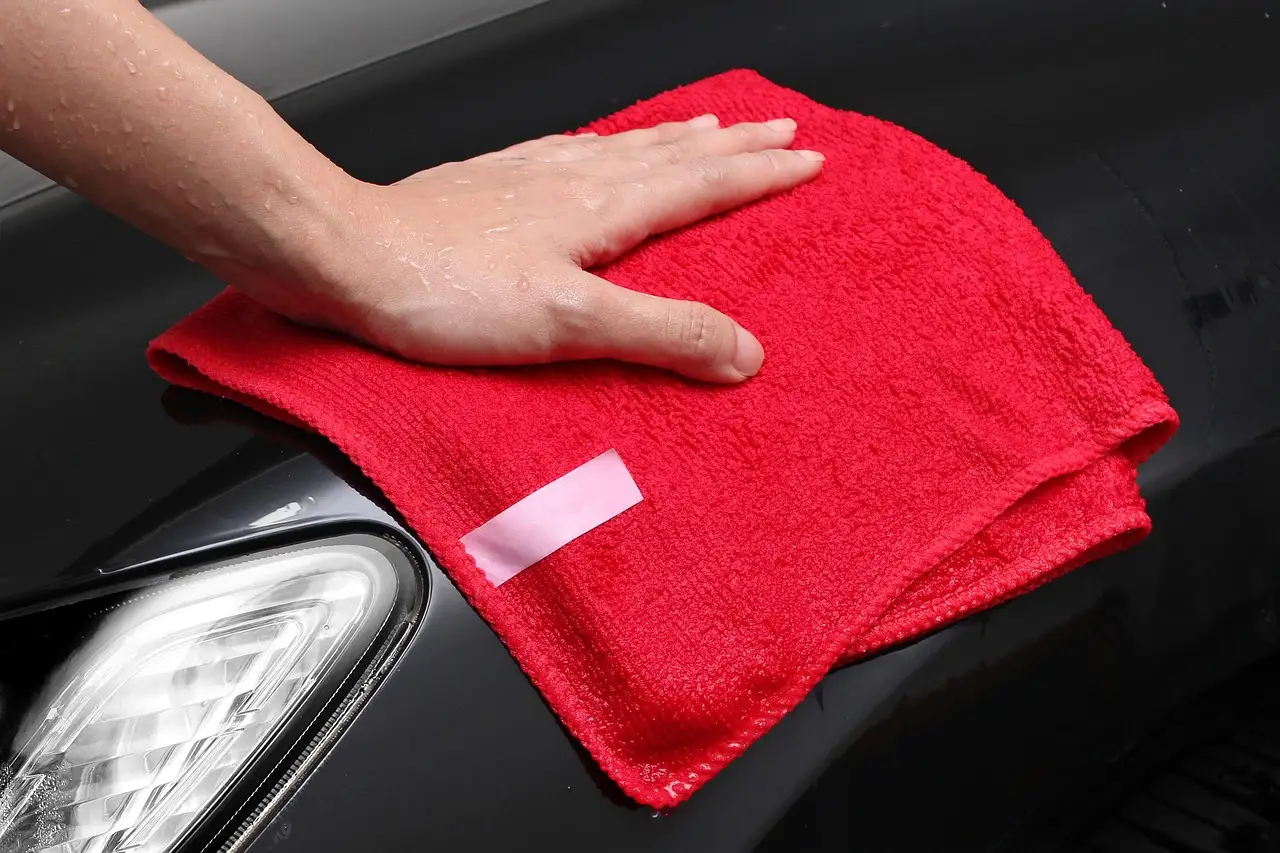
How to choose: start with the task, then match the towel to the finish. Manufacturer specs and microfiber-care guidance agree on the big levers: blend, GSM, pile, edge, and cleanliness. 70/30 blends are often favored for paint and glass, while 80/20 remains a practical budget option for lower-risk jobs. GSM matters too: higher numbers generally mean more pile and water-holding capacity, but too much plushness can make a towel slower on glass and more prone to drag when saturated.
Care matters as much as the weave. Microfiber manufacturers and detailing authorities consistently advise washing microfiber separately with liquid detergent, skipping fabric softener and dryer sheets, and using low heat or air drying. Softener coats the fibers and reduces absorbency, which is exactly what you do not want on a drying towel or glass towel.
For drying, choose a large towel if you own an SUV, truck, or long-roof wagon. Larger towels reduce the number of passes and can help prevent streaking by keeping you from working a towel after it has become overloaded.
For paint, the safest buffer is an edgeless or very soft-bound towel. That matters most during wax removal and polish cleanup, where a stiff seam can catch on trim or leave a line on soft clear coat.
For glass, choose a tighter weave and lower pile. Waffle weave and low-pile towels leave less lint visible on windshields and side glass, and they tend to produce less haze than a plush drying towel. If the towel feels plush enough to dry paint quickly, it is usually too plush for the final glass wipe.
If you want a simple buying rule: buy one oversized drying towel, one edgeless paint towel in the 300–500 GSM range, and one waffle or low-pile glass towel. That combination covers the failure modes that matter most: streaking on wet paint, lint on glass, and edge marks on delicate panels.
How we chose
This guide is based on manufacturer specs, listing details, and published buyer feedback about lint, streaking, edge quality, and size. The goal is not to crown one universal towel, but to match the towel to the job.
We prioritized weave, GSM, edge construction, and dimensions because those are the details that affect finish quality most. Price matters, but only after the towel fits the task.
A cheaper towel can be the better buy when the job is low-risk, such as interior wipe-downs or wheel cleanup. A premium towel makes more sense when paint or glass shows every defect.
Wash method note: the safest microfiber care routine is to wash towels separately, avoid fabric softener, and dry on low. That guidance aligns with manufacturer care instructions and helps preserve absorbency, which is critical for drying towels and the low-lint behavior expected on glass.
Microfiber selection matrix
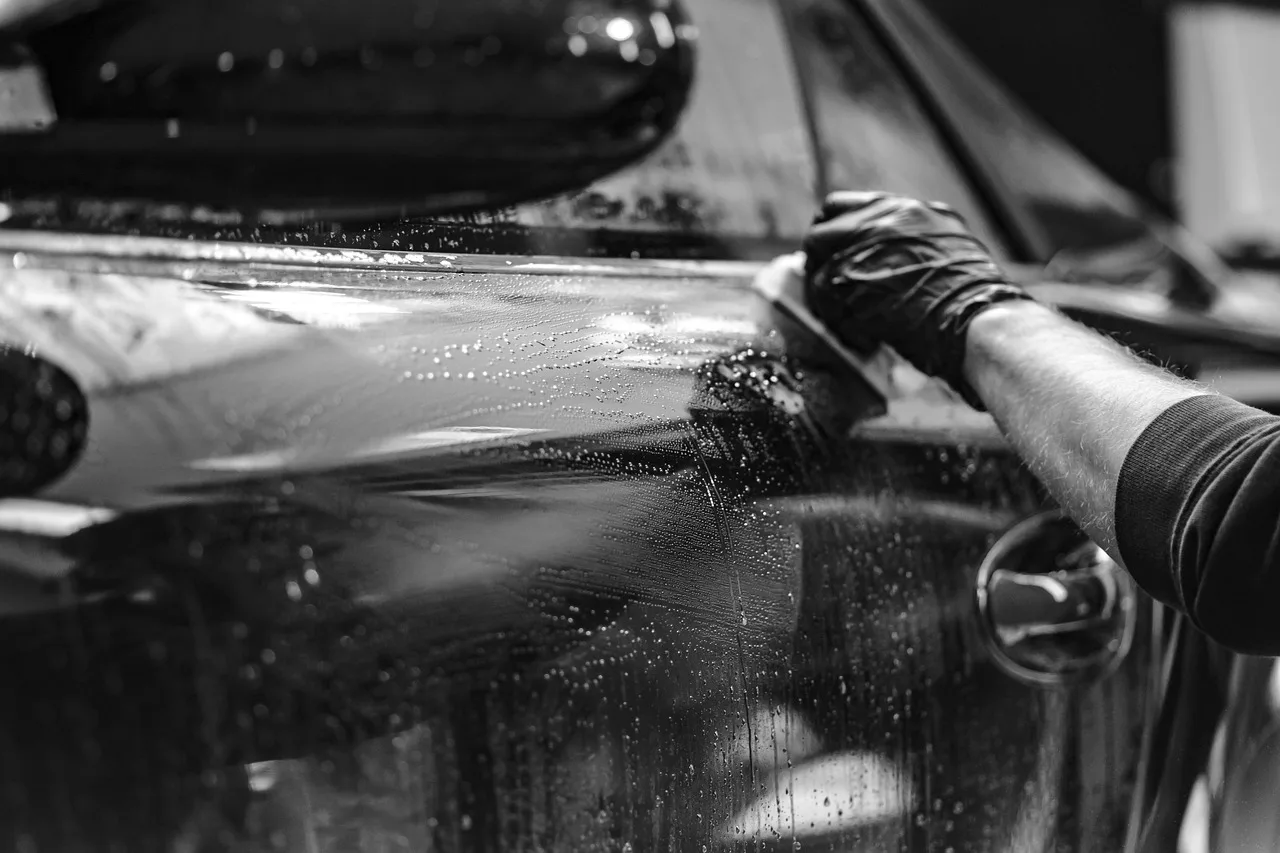
| Task | Recommended weave | Ideal GSM range | Edge type | Size | Common failure mode |
|---|---|---|---|---|---|
| Drying | Twisted-loop or waffle-weave microfiber | 600–900+ GSM | Soft bound or edgeless | 15 x 24 in for most cars; 22 x 30 in or larger for SUVs | Saturated towel streaking and smearing |
| Drying | Waffle-weave microfiber | 600–900+ GSM | Soft bound | 15 x 24 in | Dragging a soaked towel across the panel |
| Drying | Plush high-pile microfiber | 600–900+ GSM | Edgeless or soft bound | 22 x 30 in or larger | Slow water pickup on large vehicles |
| Paint buffing | Low-pile plush microfiber | 300–400 GSM | Edgeless | 16 x 16 in | Edge marring on trim or soft paint |
| Paint buffing | 70/30 blend detailing towel | 300–400 GSM | Edgeless or very soft bound | 16 x 16 in or 16 x 24 in | Lint left in wax or polish residue |
| Paint buffing | Plush circular-knit microfiber | 300–400 GSM | Edgeless | 16 x 16 in | Overly thick pile that clogs with residue |
| Glass cleaning | Waffle-weave microfiber | 250–300 GSM | Soft bound | 16 x 16 in or 16 x 24 in | Haze and fiber trails |
| Glass cleaning | Low-pile microfiber | 300–400 GSM | Edgeless or soft bound | 16 x 16 in | Streaking from a towel that is too plush |
| Glass cleaning | Fine-waffle or tight-knit towel | 250–300 GSM | Soft bound | 16 x 16 in | Lint left on tinted glass |
| Do not use for drying | Short-nap economy towel | Below 300 GSM | Hard stitched edge | Any small cloth | Smearing, poor water pickup, and extra passes |
| Do not use for paint buffing | Wheel towel or greasy utility towel | Any GSM | Any edge | Any size | Cross-contamination and embedded grit |
| Do not use for glass | Deep-plush drying towel | 600–900+ GSM | Any edge | Any large size | Lint, drag, and visible haze |
The Rag Company Eagle Edgeless 500: best for paint buffing
This towel fits wax removal, polish residue cleanup, and other paint-contact work where edge marring is the main concern. The 70/30 Korean split-microfiber blend and 500 GSM build place it above basic interior cloths for finish work.
The draw here is the edgeless, tagless construction. That lowers the chance of a hard border contacting delicate paint, which is why edgeless towels are preferred for correction wipe-downs and final buffing.
This towel is less bulky than a plush drying towel and more suited to residue removal than to glass, where a tighter weave typically leaves less haze and lint. The drawback is equally clear: 500 GSM is still too much towel for most glass jobs.
Chemical Guys Woolly Mammoth: best for drying
This oversized drying towel is aimed at drivers who want one cloth to pull a lot of water off the panel quickly. Its large 36 x 25 size gives you more coverage than a standard detailing towel, which helps on full-size vehicles and repeated rinse-less drying passes.
The plush pile is meant to lift water and grit, but that only works well if the towel stays in its absorbent range. Once it is saturated, streaking becomes the main drawback, so fold and rotate it before it gets heavy.
Compared with a smaller 16 x 16 paint towel, this one offers more coverage and water pickup but is less controlled on small areas. It is not the best choice for crisp glass work. The size and pile are better suited to drying than to the last haze-free wipe on a windshield.
Meguiar’s Supreme Shine Microfiber Towels: best for wax and polish cleanup
This 16 x 24 towel is a practical middle ground for buffing off wax, polish residue, and light detailing sprays. The listing’s dual-sided, plush construction and safety edging make it a strong match for paint-safe towel duties without forcing you into a huge drying cloth.
This towel brings more structure and a bit more edge protection, but it is not as minimal as a pure paint-finish cloth. Compared with a drying towel, it is easier to control on small panels and less likely to feel bulky. The main drawback is that it is not a dedicated glass towel, and its plushness can leave more drag on windows than a tighter weave.
For owners who want one towel type for residue removal, this is the most flexible fit in the group, especially when paired with separate wheel and drying towels.
CleanAide 300 GSM towels: best budget detailing towel
This 16 x 16, 300 GSM pack is the budget-friendly pick for interior wipe-downs, light detail sprays, and other low-risk cleaning jobs. The GSM level sits in the range that works for glass and interior work, and the color-coded pack helps keep tasks separated.
Its strength is not plushness; it is quantity and separation. Compared with the premium paint towel, it is less specialized and less forgiving on delicate finish work, but that also makes it easier to dedicate by task. The main advantage is cost per towel.
The drawback is that a 300 GSM towel is not the plushest choice for final paint buffing, and a cheaper towel may leave more lint if you push it into high-visibility glass work.
Shimeyao waffle-weave towels: best for glass
This 16 x 24 waffle-weave pack targets glass, windows, and drying tasks where streak control matters. Waffle weave is one of the most practical choices for glass because it is low pile, absorbs well, and moves water without leaving as much haze as a plush towel can.
Compared with a plush drying towel, it is less likely to leave visible lint on windshield glass and more likely to finish cleanly on a final wipe. The soft bound edges help reduce scratch risk, and the larger size gives you more usable surface before the towel loads up. That matters on windshield glass, which shows every missed fiber line.
The drawback is that a waffle towel is not the best final-contact choice for delicate paint residue if the panel is extremely sensitive. It works best when the job is glass first and drying second.
Which one should you buy?
Buy by task first, not by marketing. If you dry a sedan or hatchback, start with the oversized drying towel; if you want a paint-safe residue remover, start with the edgeless 70/30 towel; if glass is your main pain point, start with the waffle-weave option.
Buy by vehicle size second. A compact car can get by with 16 x 16 or 16 x 24 towels, but SUVs and trucks usually benefit from 22 x 30 inches or larger because the towel has to cover more sheet metal before it saturates.
A cheaper towel is the smarter pick when the task is low risk. Interior plastics, wheel wells, and dirty jambs do not need your best paint towel, and separating those jobs protects the towels that matter most.
Say your SUV has a long hood and a tall roof. A single small towel will saturate quickly, then start pushing water around instead of lifting it. A larger 15 x 24 or 22 x 30 drying towel cuts the number of passes and lowers streak risk.
Suppose you are wiping fresh polish from a black sedan. A thick wheel towel with a stitched border can leave edge marks where the panel catches the border. A 16 x 16 edgeless buffing towel is the safer fit because the edge is not the part touching the finish.
Questions
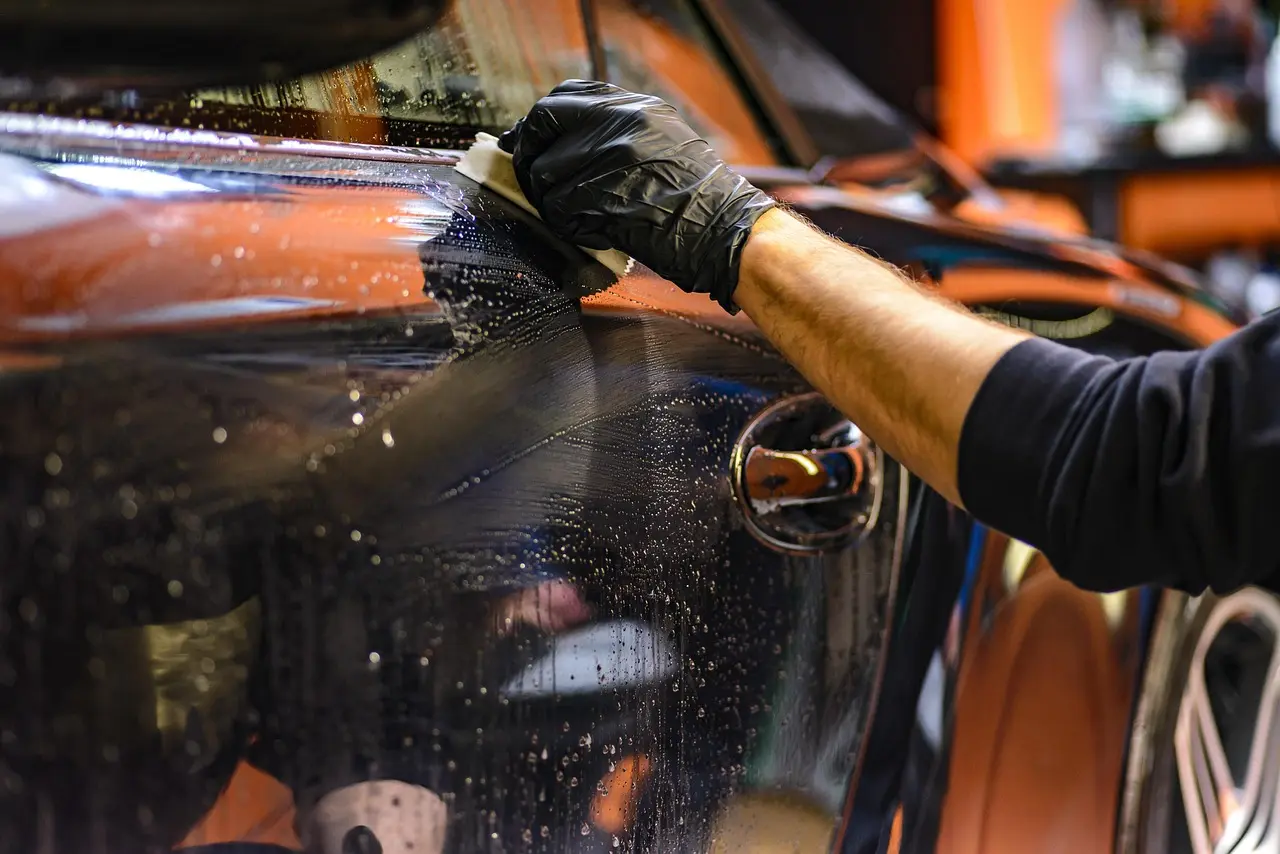
Frequently asked questions
What GSM microfiber towel is best for car drying?
For drying, 600–900+ GSM is the practical sweet spot, and many buyers move higher when they want one towel to hold more water per pass. A plush drying towel in that range is better when you want less dragging and fewer passes.
Twisted-loop drying towels often sit in the about 800–1,100+ GSM range. A waffle-weave towel can also work well because it stays low pile while still absorbing quickly. Size matters too; about 15 x 24 inches is a useful baseline, and larger towels suit SUVs.
Are edgeless microfiber towels safer for paint?
Yes, edgeless towels are usually safer for paint-contact jobs because they remove the hard stitched border that can catch trim or drag across soft clear coat. That is why they are preferred for polish residue cleanup and final buffing, especially on sensitive finishes.
A sewn edge can still be acceptable if it is soft, thin, and kept off the panel edge. The edge matters less than the whole towel being clean, lint-free, and matched to the residue. A dirty premium towel is still the wrong towel.
What microfiber towel should I use for car glass?
Use a waffle-weave or other low-pile towel for glass. Glass towels are often in the about 250–300 GSM range, or in the lighter about 300–400 GSM band when the weave is tight and the towel is meant to stay low lint on the window.
Glass shows haze and fiber trails faster than paint. That is why buyers keep asking for lint-free and scratch-free performance on window towels. If the towel is too plush, it tends to leave streaks. If it is too dirty, it leaves smudges no matter how good the weave is.
70/30 or 80/20 microfiber towels: which is better for cars?
For paint and glass, 70/30 is usually the stronger choice because it is often favored for softer, more absorbent towels. That said, there is no single universal standard for every towel or task.
80/20 towels still have a place, especially in lower-risk cleanup where cost matters more than plushness. The better towel is the one that fits the job: 70/30 for sensitive paint-contact work, 80/20 when the surface is less demanding or the towel will not be your final wipe.
Can I use the same microfiber towel for paint and wheels?
No, that is a poor trade. Wheels pick up brake dust, grit, and oily residue that can transfer to paint and create scratches or contamination. Separate towels are the safer habit, even if the wheel towel looks clean after one use.
If you must reuse a towel type, keep wheel towels clearly separated by color or storage location. A low-cost 300 GSM towel is a better candidate for wheels than a premium edgeless paint towel, because the cheaper towel can absorb the punishment without risking your finish towels.
Which microfiber towels leave the least lint on glass?
The least lint usually comes from tight-weave waffle towels or low-pile glass towels in the 250–300 GSM range, provided they are clean and washed without fabric softener. Lower pile helps because there is less loose fiber to shed onto the glass during the final wipe.
Plush drying towels and deep-buffing towels are more likely to leave visible fibers on windows. If glass cleanup is the priority, choose a towel made for that task rather than trying to make a paint towel do it all.
How many microfiber towels do I need for a full car detail?
A practical starting point is at least four to six towels: one for drying, one or two for paint buffing, one for glass, and one separate towel for wheels or jambs. Larger vehicles, dirtier washes, or multi-step polishing jobs can push that number higher fast.
The real rule is separation by task. If you want fewer mistakes, buy enough towels to keep paint, wheels, glass, and interior work apart. A 10-pack or 12-pack can make sense because it gives you a clean towel for each job instead of forcing one cloth to do everything.
What towels are best for wax removal and polishing?
For wax removal and polishing residue, choose a 300–400 GSM detailing towel with an edgeless or very soft-bound edge. That range gives you enough plushness to lift residue without pushing a hard border across the panel, and it fits the common 16 x 16 detailing size well.
A 70/30 blend is especially useful here because it is softer and more absorbent than many general-purpose towels. The main failure mode is edge marring on trim or soft paint, so avoid coarse borders and keep the towel clean between passes.
Products related to this article
Sponsored / affiliate links. As an Amazon Associate I earn from qualifying purchases. I may earn additional commission from eligible campaigns.