My Moldy Car Seat Nightmare
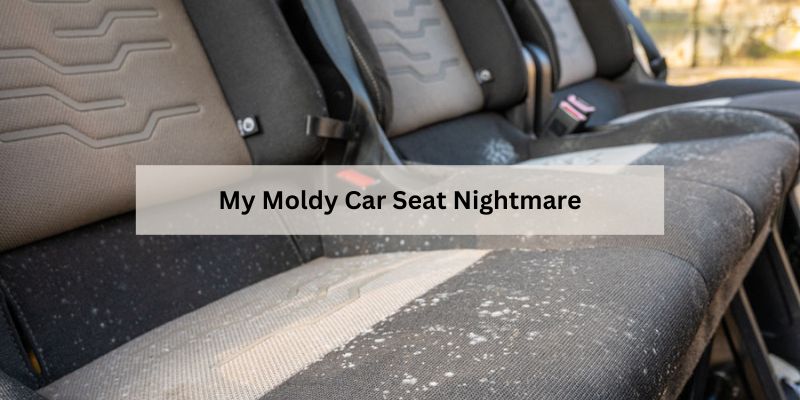
A couple of years ago, I parked my Camry in a friend’s garage during a rainy Chicago spring. I didn’t drive it for a few weeks, and when I finally opened the door, I was hit with a damp, musty smell. Then I saw it—greenish-white patches of mold on my cloth seats.
It was gross, and I worried about breathing it in or ruining my car. I tried cleaning it myself, made some mistakes, and eventually got it right with advice from a local detailer. Since then, I’ve helped friends clean mold from their cars and learned what works (and what doesn’t). Let me share my step-by-step process so you can avoid my mistakes and get your seats looking and smelling great.
Why Mold Grows on Car Seats
Mold loves warm, damp, and dark places, and car seats can be a perfect home for it. Spilled drinks, wet clothes, or even a leaky window can create the moisture that mold needs. My Camry’s mold came from humidity in the garage, plus a forgotten water bottle that spilled on the back seat. Poor ventilation, like keeping windows up in a parked car, makes it worse. Mold can grow on cloth, leather, or vinyl seats, and it’s not just ugly—it can cause allergies or respiratory issues. Knowing why mold grows helps you clean it and prevent it from coming back.
Health Risks of Mold in Your Car
Before we dive into cleaning, let’s talk about why mold is a big deal. Breathing in mold spores can trigger allergies, asthma, or sinus problems. I noticed my eyes got itchy when I sat in my moldy Camry, and my friend’s kid coughed after a ride. Mold can also damage your seats, causing stains or weakening fabric over time. Cleaning it properly protects your health and your car’s value. If you or your passengers have health issues, act fast to get rid of mold.
Supplies You’ll Need to Clean Mold
I learned that having the right tools makes all the difference. Here’s what I gathered to tackle the mold on my Camry’s seats:
- White Vinegar: A natural mold-killer, safe for most seats.
- Distilled Water: For diluting vinegar and cleaning.
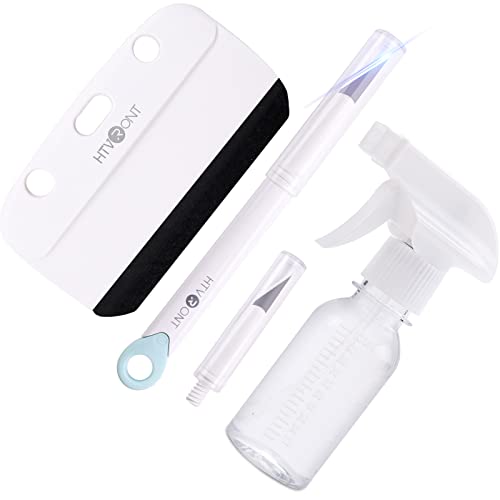
- Spray Bottle: To apply cleaning solutions evenly.
- Soft-Bristle Brush: For scrubbing without damaging seats.
- Microfiber Cloths: For wiping and drying.
- Vacuum with Upholstery Attachment: To remove loose mold and debris.
- Protective Gear: Gloves, mask, and safety glasses to avoid mold spores.
- Rubbing Alcohol (Optional): For tough mold on leather or vinyl.
- Mild Dish Soap: For gentle cleaning on delicate surfaces.
- Bucket: For mixing solutions.
- Portable Wet/Dry Vacuum (Optional): For deep cleaning cloth seats.
- Fan or Hairdryer: To dry seats quickly.
I got most of these at a hardware store for under $30. If you have leather seats, check your owner’s manual for specific cleaners to avoid damage.
How to Clean Mold Off Cloth Car Seats
Cloth seats, like the ones in my Camry, are mold magnets because they absorb moisture. Here’s the process I used to clean them:
Step 1: Prep Your Car
Park in a well-ventilated area, preferably outside in sunlight, since mold hates light. Open all doors and windows. I parked my Camry in my driveway on a sunny day to help dry things out. Wear gloves, a mask, and safety glasses to protect yourself from mold spores.
Step 2: Vacuum the Seats
Use a vacuum with an upholstery attachment to suck up loose mold, dirt, and debris. I went over every inch of my seats, focusing on creases where mold hides. Empty the vacuum outside to avoid spreading spores.
Step 3: Make a Vinegar Solution
Mix equal parts white vinegar and distilled water in a spray bottle. Vinegar kills mold naturally and is safe for cloth seats. I used a 50/50 mix, about a cup of each, and shook it well.
Step 4: Spray and Scrub
Lightly spray the moldy areas with the vinegar solution. Don’t soak the seats—too much liquid can make mold worse. Let it sit for 10 minutes to kill the mold. Then, use a soft-bristle brush to scrub gently. I worked in small circles to lift the mold without spreading it. Wipe away residue with a microfiber cloth.
Step 5: Rinse and Dry
Dampen a clean microfiber cloth with distilled water and wipe the seats to remove vinegar residue. Use a dry cloth to blot excess moisture. I set up a fan to dry my seats faster, which took about an hour. Don’t let seats stay wet, as it invites more mold.
Step 6: Vacuum Again
Once dry, vacuum again to remove any leftover mold spores. I noticed a few stubborn spots, so I repeated the vinegar step on those areas.
Cleaning Mold Off Leather or Vinyl Seats
Leather and vinyl seats need extra care because harsh cleaners can damage them. My friend had mold on his Audi’s leather seats, and here’s how we cleaned them:
Step 1: Vacuum and Prep
Vacuum the seats to remove loose mold. Wear protective gear and work in a ventilated area. We opened his car doors and set up a fan to keep air moving.
Step 2: Use a Mild Solution
Mix a few drops of mild dish soap with distilled water in a bucket. For tougher mold, you can use a 70% rubbing alcohol and 30% water mix in a spray bottle. We used the soap solution first to be gentle on the leather.
Step 3: Wipe and Scrub
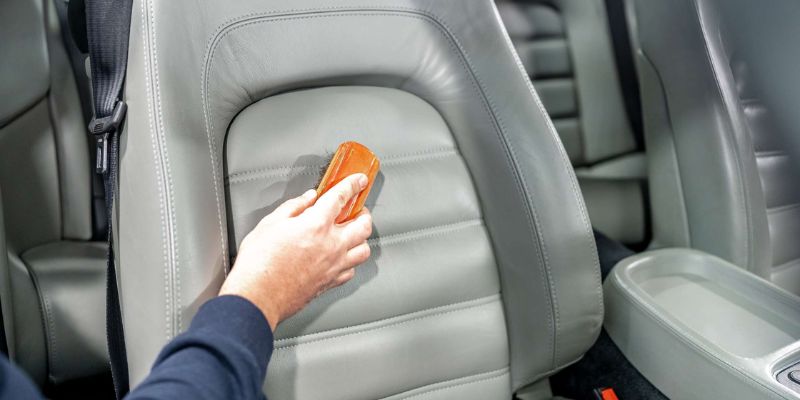
Dampen a microfiber cloth with the soap solution and wipe the moldy areas. For stubborn spots, spray a little alcohol mix and scrub gently with a soft brush. We were careful not to scrub too hard to avoid scratching the leather.
Step 4: Clean and Condition
Wipe the seats with a water-dampened cloth to remove soap or alcohol. Dry with a clean microfiber cloth. Apply a leather conditioner to keep the seats soft and prevent cracking. My friend used a $10 conditioner from an auto store, and his seats looked brand new.
Step 5: Dry Thoroughly
Use a fan or hairdryer on a low, cool setting to dry the seats. We dried his Audi seats in about 30 minutes to prevent moisture buildup.
Dealing with Stubborn Mold or Odors
Sometimes, mold doesn’t give up easily. In my Camry, a faint musty smell lingered after cleaning. Here’s what I did:
- Baking Soda: Sprinkle baking soda on cloth seats, let it sit overnight, and vacuum it up. It absorbs odors. I did this twice, and the smell was gone.
- Commercial Mold Cleaners: For tough cases, use a car-safe mold remover like Concrobium or Meguiar’s. I tried Concrobium ($15) on a stubborn patch, and it worked great.
- Ozone Generator: For severe odors, pros use ozone machines to kill mold and smells. My detailer offered this for $100, but I didn’t need it.
- Replace Seat Padding: If mold has soaked into the foam under cloth seats, you may need a pro to replace it. This is rare but can cost $200–$500.
Preventing Mold from Coming Back
Cleaning mold is only half the battle. I learned how to keep it from returning:
- Fix Leaks: Check windows, sunroofs, and door seals for leaks. I found a loose window seal in my Camry and had it fixed for $50.
- Ventilate Your Car: Crack windows or park in a garage with good airflow. I now leave my windows slightly open on dry days.
- Use a Dehumidifier: In damp climates, a car dehumidifier bag ($5–$10) absorbs moisture. I keep one in my trunk.
- Clean Spills Fast: Wipe up drinks or wet items immediately. My spilled water bottle caused my mold issue, so I’m careful now.
- Regular Cleaning: Vacuum and wipe seats monthly to prevent dirt buildup, which mold loves.
When to Call a Professional
I handled my Camry’s mold myself, but some cases need a pro:
- Mold covers large areas or keeps coming back.
- You smell mold but can’t find it (it might be in the ventilation system).
- Leather seats are damaged, or you’re worried about ruining them.
- You have health issues and need to avoid mold exposure.
A professional detailer charged my friend $150 to clean mold from his Audi’s seats and vents, and it was worth it for the thorough job. Expect to pay $100–$300, depending on severity.
Costs of Cleaning Mold Off Car Seats
Here’s what I spent or saw others pay:
- DIY Supplies: $20–$50 (vinegar, brushes, cloths, etc.).
- Commercial Cleaners: $10–$20 per bottle.
- Professional Cleaning: $100–$300, depending on the car and mold extent.
- Seat Foam Replacement: $200–$500 for severe cases.
- Ozone Treatment: $50–$150 for odor removal.
DIY is cheapest, but pros are worth it for tough jobs or peace of mind.
What Other Drivers Say
I checked forums like Reddit and CarTalk to see how others handled mold. Many drivers used vinegar like I did, with great results. One user swore by a $12 mold spray from an auto store. Another had a pro clean their Jeep’s seats for $200 after a flood left mold everywhere. Some warned about using bleach, which can damage seats and leave harmful fumes. The consensus? Act fast, use safe cleaners, and dry thoroughly.
Mold on Different Seat Materials
Mold behaves differently on various seat types:
- Cloth: Absorbs moisture, so mold spreads easily. My Camry’s cloth seats were tough to clean, but responded well to vinegar.
- Leather: Mold sits on the surface, making it easier to clean but riskier to damage. My friend’s Audi needed gentle cleaning to avoid cracks.
- Vinyl: Similar to leather but more durable. A coworker’s vinyl seats cleaned up quickly with alcohol.
Always test cleaners on a small, hidden spot first to avoid damage.
My Final Thoughts
Dealing with mold on my car seats was a hassle, but it taught me how to clean and prevent it. That musty smell and fuzzy patches on my Camry are long gone, thanks to vinegar, elbow grease, and some smart prevention tips. Whether you’ve got cloth, leather, or vinyl seats, you can tackle mold with the right tools and a little patience. Start with a vacuum, use safe cleaners like vinegar or alcohol, and dry everything thoroughly. If the job feels too big, a professional detailer can save the day. By keeping your car dry and ventilated, you’ll stop mold from coming back. I hope my experience helps you get your seats clean and your car fresh again—there’s nothing like a mold-free ride!
FAQs
How do I know if my car seats have mold?
Look for green, white, or black fuzzy patches, a musty smell, or stains on seats. Check creases and under items like floor mats.
Is it safe to clean the mold myself?
Yes, if you wear gloves, a mask, and safety glasses to avoid spores. Work in a ventilated area and dry seats completely.
Can I use bleach to clean mold off car seats?
Avoid bleach—it can damage seats and leave harmful fumes. Use vinegar or car-safe mold cleaners instead.
How long does it take to clean mold off car seats?
DIY cleaning takes 1–2 hours, including drying. Professional jobs may take a few hours, depending on the severity.
How do I prevent mold from growing in my car?
Fix leaks, ventilate your car, clean spills fast, and use a dehumidifier in damp climates.
What if the mold smell doesn’t go away?
Try baking soda, a commercial odor eliminator, or an ozone treatment. If it persists, a pro may need to check the ventilation system.