Plastic Trim Restorer for Cars: Best Pick and How to Use It
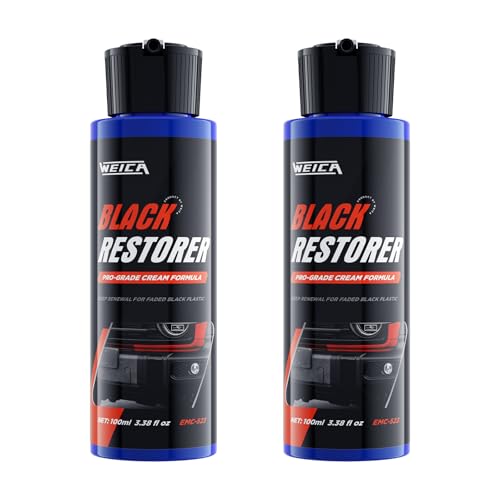
The best plastic trim restorer for cars is a UV-blocking dressing or dye that soaks into faded, chalky-looking bumpers, mirror caps, and door trim and turns them back to a deep, even black. A single 8 to 16 oz bottle typically costs $9 to $20, covers an entire car in under 30 minutes, and keeps trim looking new for anywhere from six weeks (basic dressings) to six months or more (dye-infused and ceramic formulas). This guide covers what actually causes plastic trim to fade, our top product pick, step-by-step application, how the different restorer types compare, and what to look for before you buy.
Why Plastic Trim Fades in the First Place
Most exterior car trim — bumper cladding, rocker panels, mirror housings, and door handle surrounds — is made from unpainted polypropylene or ABS plastic. Manufacturers mix in black pigment and UV stabilizers at the factory, but those stabilizers break down over years of sun exposure. Ultraviolet light oxidizes the surface of the plastic, pulling the natural oils out of it. That’s what causes the dull, grayish, chalky look — technically called “blooming” or oxidation — that makes a car look years older than its actual mileage.
Washing with the wrong products speeds this up. Dish soap, degreasers, and some all-purpose cleaners strip the last bit of natural oil out of the plastic, which is why trim that gets scrubbed hard at every wash often fades faster than trim on a car that’s washed less aggressively. A plastic trim restorer works by replacing those lost oils (dressings), physically dyeing new color into the surface (dye-based formulas), or sealing the plastic under a UV-resistant coating (ceramic kits) so the oxidation process can’t restart as quickly.
Best Overall Plastic Trim Restorer
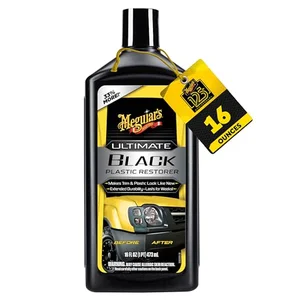 |
Meguiar’s Ultimate Black Plastic Restorer, 16 Oz – $9.44 A dye-infused dressing that soaks in rather than sitting on the surface, which is exactly the kind of oxidation-fighting formula covered above — one 16 oz bottle is enough for several full details.
|
How to Apply Plastic Trim Restorer (Step by Step)
Application takes about 20 to 30 minutes for an average car and doesn’t require any special skill. The steps below apply to dressing and dye-based restorers, which cover the vast majority of products on the market:
- Wash the trim first. Restorer applied over road grime or wax residue traps dirt underneath and looks patchy. Use a plastic-safe car soap, not dish soap.
- Let it dry completely. Trapped moisture under the restorer can cause streaking or a hazy finish once it cures.
- Tape off any painted panels next to the trim if you’re using a dye-based product, since some dyes can tint light-colored paint if they’re wiped onto it and left to dry.
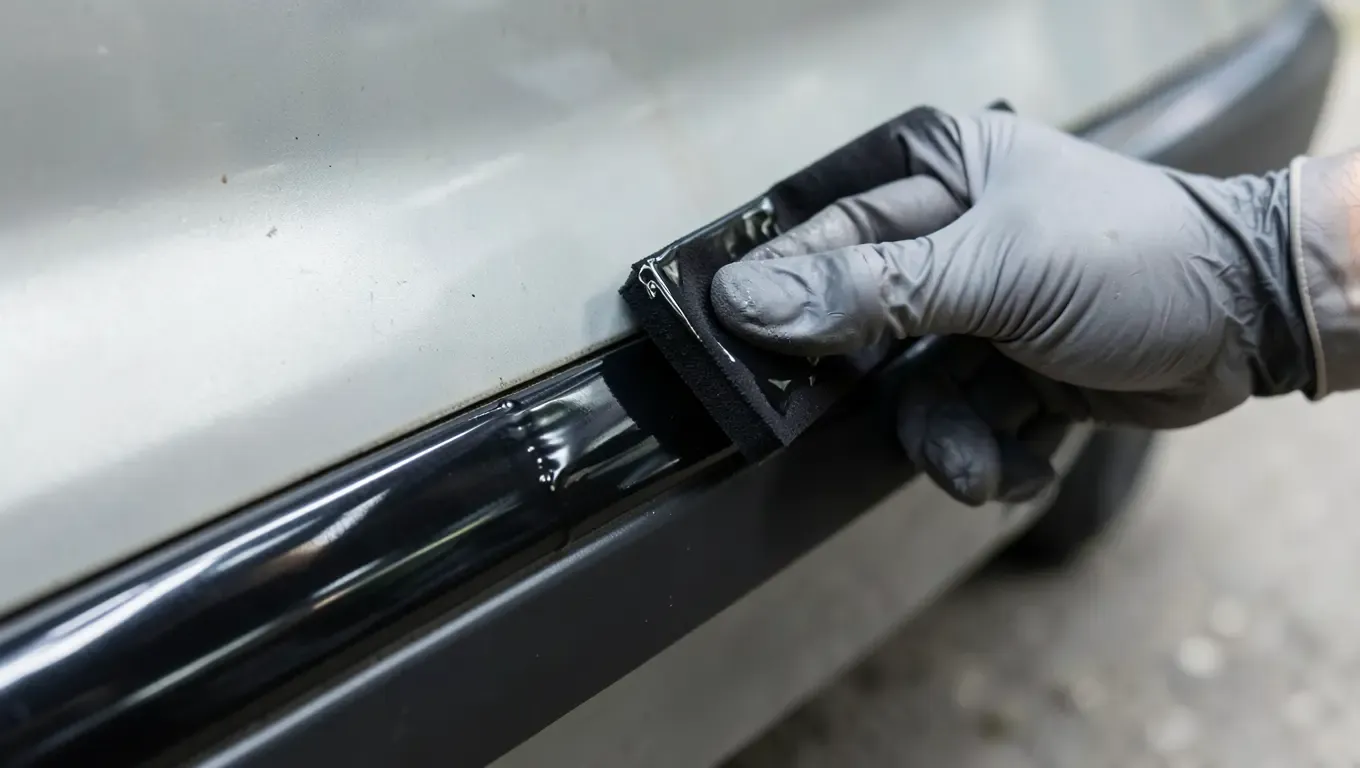
- Apply a thin, even coat with the included applicator or a microfiber towel. Work in small sections and go with the grain of any texture in the plastic.
- Wait the manufacturer’s recommended cure time — usually 10 to 20 minutes — then buff off any excess with a clean, dry microfiber towel.
- Avoid washing the car for at least 24 hours so the restorer has time to fully bond to the plastic surface.
Trim Dressing vs. Trim Dye vs. Ceramic Trim Coating
Not every product labeled “plastic trim restorer” works the same way, and picking the wrong type for your situation is the most common reason people say a restorer “didn’t work.” The table below breaks down the three main categories:
| Type | How It Works | Typical Lifespan | Best For |
|---|---|---|---|
| Dressing (oil-based) | Sits on the surface and darkens the plastic temporarily | 1 to 3 weeks, or until the next wash | Quick shine before a car show or sale |
| Dye-infused restorer | Soaks into the plastic and chemically bonds pigment to it | 4 to 8 weeks average | Daily drivers that need real, lasting color |
| Ceramic trim coating | Forms a hard, UV-resistant sealant layer over the plastic | Several months, some claim 150 to 200+ washes | Long-term protection with fewer reapplications |
Ceramic trim coatings, like CERAKOTE’s Trim Coat Kit, cost more up front and take longer to apply — usually including a prep step with isopropyl alcohol to strip any old dressing residue — but they hold up far longer between applications. If you’re restoring trim once and don’t want to touch it again for months, a ceramic kit is worth the extra cost and prep time over a basic dressing.
How to Choose the Right Plastic Trim Restorer
- Match the product to your trim’s condition. Lightly faded trim responds well to a basic dressing. Deeply oxidized, chalky-white trim usually needs a dye-based or ceramic product — a light dressing alone won’t fully restore it.
- Check for UV inhibitors on the label. A restorer without UV protection just adds temporary shine; the trim will fade again within days once it’s back in direct sun.
- Decide between matte and glossy finish. Most factory trim originally had a satin or matte finish. A very glossy restorer can look artificial next to the rest of the car, so check reviews or product photos for finish type before buying.
- Look for a “dry-to-the-touch” formula if you drive a lot. Greasy dressings attract dust and road grime, which builds up fast on daily drivers.
- Water resistance matters more in wet climates. A restorer that’s not rain-resistant can streak or wash off within a day or two if you get caught in a downpour.
- Bigger bottles are usually the better value. A 16 oz bottle costs only slightly more than an 8 oz bottle of the same formula but covers roughly twice as many applications.
Frequently Asked Questions
What Is a Plastic Trim Restorer?
A plastic trim restorer is a dressing, dye, or coating designed to reverse the chalky, gray, sun-faded look of unpainted plastic and rubber trim on a car — things like bumper cladding, rocker panels, mirror housings, and door handle surrounds. It works by replacing lost surface oils, adding pigment back into the plastic, or sealing it under a UV-resistant layer, depending on the type of product.
How Do You Apply Plastic Trim Restorer?
Wash and fully dry the trim first, then apply a thin, even coat with the included applicator pad or a clean microfiber towel. Let it cure for the time listed on the label — usually 10 to 20 minutes — then buff off any excess and avoid washing the car for at least 24 hours so the product has time to bond.
How Long Does Plastic Trim Restorer Last?
It depends on the type of product. Basic oil-based dressings typically last 1 to 3 weeks or until the next car wash. Dye-infused restorers hold up for 4 to 8 weeks on average. Ceramic trim coatings last the longest, with some manufacturers claiming protection through 150 to 200-plus washes before reapplication is needed.
Can Plastic Trim Restorer Be Used on All Cars?
Yes. Plastic trim restorers work on any car, truck, or SUV with unpainted exterior plastic or rubber trim, regardless of make or model. Just avoid applying dye-based formulas onto adjacent painted body panels, since some dyes can leave a tint on light-colored paint if they’re not wiped away before they dry.
What Is the Difference Between a Trim Dressing and a Trim Coating?
A dressing sits on top of the plastic and typically needs reapplication every few weeks. A ceramic trim coating chemically bonds to the plastic surface and forms a much harder, longer-lasting barrier, often holding up for months instead of weeks. Coatings usually cost more and take longer to apply, but they need far less maintenance afterward.
Can You Use Plastic Trim Restorer on Faded Bumpers?
Yes, faded bumper cladding is one of the most common places to use a plastic trim restorer. For bumpers with heavy, chalky-white oxidation, a dye-infused restorer or ceramic coating will usually give a more complete, longer-lasting result than a basic dressing alone.
Conclusion
Faded plastic trim is one of the fastest, cheapest fixes you can make to how old a car looks. A dye-infused restorer like Meguiar’s Ultimate Black handles most daily-driver trim in under 30 minutes, while a ceramic kit is worth the extra prep time if you want the color to hold for months instead of weeks. Match the product type to how faded your trim actually is, apply it on clean, dry plastic, and give it 24 hours to bond before the next wash — that’s really the whole process.
Products related to this article
Sponsored / affiliate links. As an Amazon Associate I earn from qualifying purchases. I may earn additional commission from eligible campaigns.