Car Wax vs Paint Sealant: Which Should You Use for Your Car?
Paint sealant is often the better default for many DIY owners because it usually lasts longer, while car wax often needs reapplication more frequently. Skip both, and your clear coat takes more UV, water-spot, and dirt abuse. This guide compares wax, sealant, and close options by how long they last, how they look, and the parking and upkeep routine each one suits best.
This guide is part of our Car maintenance and repair guide series.
| Decision factor | Car Wax | Paint Sealant | Winner |
|---|---|---|---|
| Durability | Usually shorter-lived; common reapplication window is 4 to 8 weeks | Usually longer-lived; common reapplication window is 3 to 6 months | Paint Sealant |
| Finish character | Warmer, deeper look, especially with carnauba paste | Brighter gloss, more sparkle, and a slicker look | Depends on taste |
| Ease of use | Often easy to apply and buff off, especially paste waxes on clean paint | Also easy for DIY use; often chosen for simple spread and longer interval | Tie |
| Best fit | Garage-kept weekend cars, show cars, owners who like frequent detailing | Daily drivers, outdoor parking, harsh weather, lower-maintenance owners | Context dependent |
| Prep sensitivity | Needs clean paint; poor prep leads to residue and weak results | Also needs clean paint; bonding suffers on dirty or contaminated panels | Tie |
What does car wax do to paint?

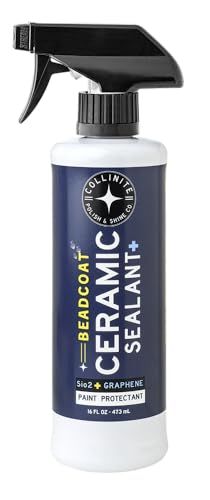
Car wax lays a thin protective film over paint, usually with a warmer visual finish than sealant. Waxes can use natural or synthetic ingredients, and both help block sun exposure, moisture, and pollution while adding gloss.
Carnauba wax vs synthetic wax formulas
Carnauba wax is the natural wax source most buyers mean when they say “wax.” It is usually a hand-buffed paste format and is known for depth and warmth of finish. Synthetic wax formulas often look similar on the label but act more like sealants in durability.
Shine, depth, and water behavior
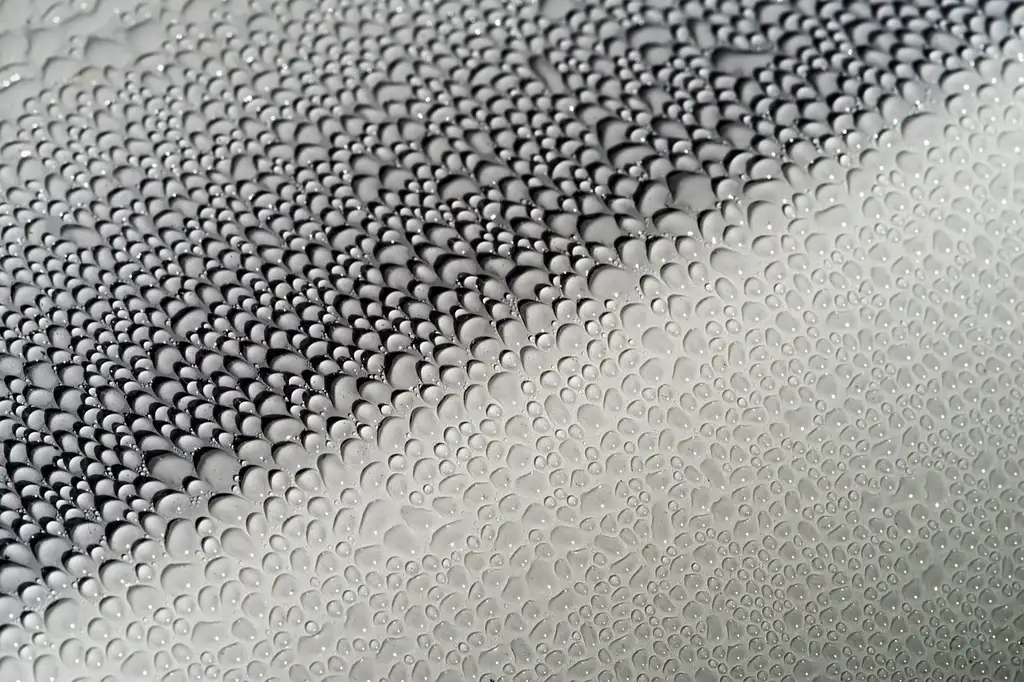
Carnauba wax adds depth and warmth to shine, which is why it stays popular on black paint and show-oriented finishes. Water beads well when the surface is clean and the coating is fresh, but the visual effect fades faster than a good sealant.
Typical durability and reapplication interval
Wax is the shorter-life choice. A common real-world interval is often around a month or two, though heat, washing frequency, and outdoor parking can shorten that window. That makes wax a maintenance product, not a one-and-done layer.
Where wax fits best
Wax fits garage-kept weekend cars, lightly used classics, and show cars where finish character matters more than long service life. It can also work on daily drivers, but only if the owner is comfortable reapplying often.
What does paint sealant do differently?
Paint sealant uses synthetic protection, usually based on polymer or acrylic-resin chemistry, to form a longer-lasting barrier on paint. It offers more brilliance, sparkle, and lasting protection than wax, which makes it the stronger default for most daily-use vehicles.
Polymer and acrylic-resin chemistry
Sealants are built for longevity rather than the warm glow associated with carnauba. The synthetic film is designed to resist breakdown from UV, moisture, and road grime for longer than wax, and it works on coated or uncoated paint as a top layer.
Gloss, slickness, and water behavior
Sealants usually look brighter and sharper. They often feel slicker, and water tends to sheet or bead cleanly when the finish is fresh. That slick feel does not mean more scratch protection; it mainly helps with cleaning and water behavior.
How long sealants usually last
Many people choose sealants because they can stretch maintenance intervals. A typical service-life range is often described as a few months, though weather, washing method, and prep quality can matter. Spray sealants and ceramic spray hybrids can shorten application time, but they still need occasional refreshes.
Best fit for daily drivers and outdoor parking
Sealant is the smarter pick for a commuter, family SUV, or pickup that lives outside. It keeps working longer between washes and gives a practical balance of gloss and upkeep when the car sees rain, sun, road film, and pollution.

Does paint prep matter more than the product?
Yes. Prep often matters more than the choice between wax and sealant because both products perform poorly on dirty, oxidized, or contaminated paint. If the surface still has defects, the finish can look dull no matter which protectant goes on top.
Paint correction vs polishing vs cleaner wax
Paint correction means removing oxidation and visible defects before protection. Polishing is the refining step that improves clarity and removes light haze. Cleaner wax is different: it combines polish and wax in one step, but the wax acts as a lubricant, which limits polishing ability.
Why defects change the result
Oxidation, swirls, and bonded contamination scatter light and make any protectant look weaker than it should. If the paint is neglected, wax can hide a little and sealant can gloss over some haze, but neither one fixes the underlying problem.
When prep matters more than product choice
Prep matters most on neglected clear coat, repainted panels, and vehicles that sit under trees or next to industrial dust. In those cases, washing, decontamination, and polishing do more for the finish than swapping one protectant for another.
Cleaner wax, spray sealants, and ceramic coatings: where they fit
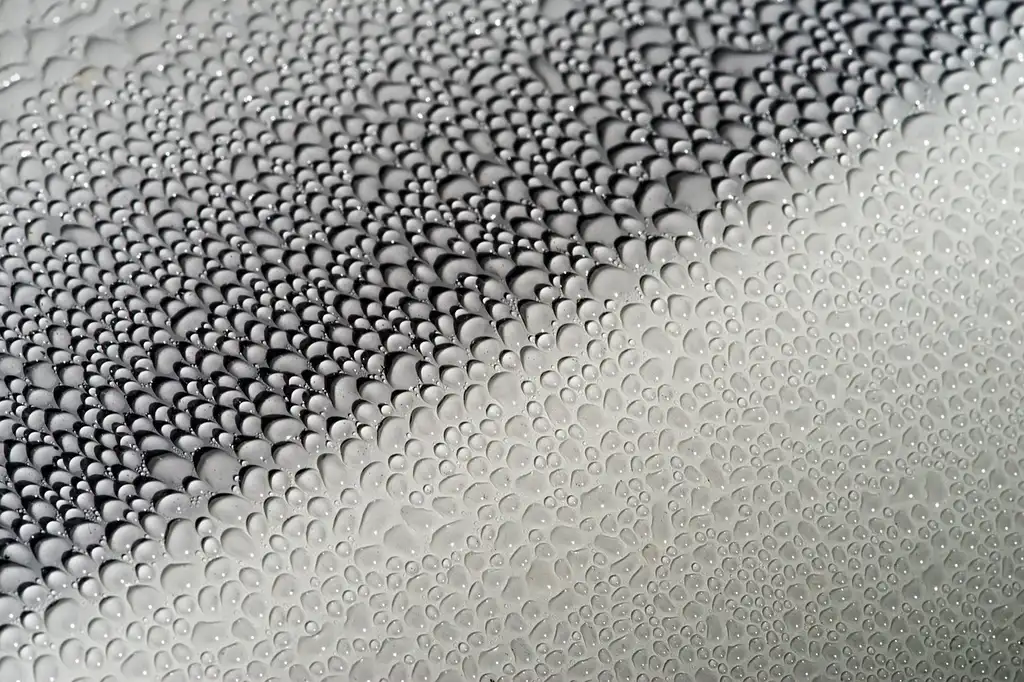
Cleaner wax, spray sealants, and ceramic coatings all sit near the wax-versus-sealant decision, but they solve different problems. Cleaner wax is a shortcut for light correction, spray products are for quick maintenance, and ceramic coating is the longer-term option with more prep and cost.
Cleaner wax as a one-step fix
Cleaner wax is a polish-and-wax combination in one step. It works best on lightly oxidized paint that needs modest cleaning and short-term protection, but its durability is limited because the cleaning action shortens the protection window.
Spray sealants and ceramic spray hybrids
Spray sealants are practical for owners who want faster application than paste or liquid products. Ceramic spray hybrids can add slickness and water behavior with less effort, but they are maintenance products, not a substitute for proper paint correction or a full coating system.
Ceramic coating compared with wax and sealant
Ceramic coating is the option shoppers compare against wax and sealant when they want the longest service life. It usually demands more prep, higher cost, and a cleaner installation process than wax or sealant, so it makes sense only when the owner is ready for that commitment.
Say your sedan sits outside under streetlights, sees weekly rain, and gets washed every two weeks. A sealant or spray sealant keeps maintenance reasonable. A hand-applied carnauba wax would look good at first, then lose protection too quickly for that routine.
Suppose your coupe spends most weekends in a garage and only comes out for fair-weather drives and meets. A carnauba paste can make sense because the owner may value warmth and depth more than long service life. The short interval is less of a drawback in that setup.
Choose Car Wax if… / Choose Paint Sealant if…
Choose car wax if you want the warmest-looking finish, do not mind reapplying often, and keep the vehicle indoors or use it lightly. Choose paint sealant if you want longer protection, easier upkeep over time, and a better fit for daily driving or outside parking.
Choose car wax if…
- You own a garage-kept weekend car or show car.
- You prefer depth and warmth over a sharp, bright finish.
- You enjoy frequent detailing and reapply every 4 to 8 weeks.
- You want a hand-buffed paste finish such as a carnauba wax.
Choose paint sealant if…
- You drive the car daily or park outside.
- You want a longer protection interval, often 3 to 6 months.
- You want brighter gloss, more sparkle, and a slicker surface.
- You prefer fewer reapplications and simpler upkeep.
Decision table: which protection matches your car?
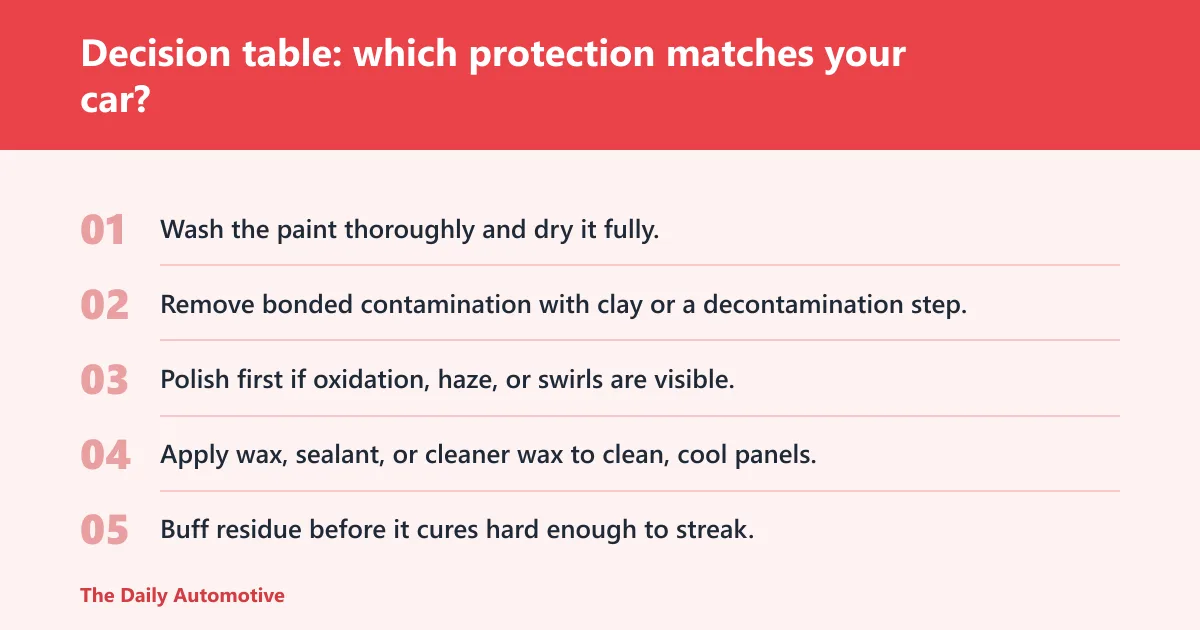
The right choice depends on vehicle type, parking conditions, and how much time you want to spend on upkeep. The table below ties those factors together with a simple prep list and reapplication schedule.
| Vehicle type and parking | Maintenance time budget | Recommended choice | Reapplication schedule | Prep checklist |
|---|---|---|---|---|
| Garage-kept weekend car | High, with frequent detailing | Car wax, especially carnauba paste | Every 4 to 8 weeks | Wash, decontaminate, polish if needed, then apply to clean paint |
| Daily driver in mixed weather | Moderate, with limited weekends | Paint sealant | Every 3 to 6 months | Wash, clay or decontaminate, correct defects if needed, then seal |
| Outdoor parking in sun, rain, or pollution | Low, with a focus on easy upkeep | Paint sealant or spray sealant | Every 2 to 4 months for spray products; 3 to 6 months for traditional sealant | Thorough wash, remove bonded grime, dry fully, then apply evenly |
| Lightly oxidized paint that needs quick improvement | Low, one-step preference | Cleaner wax | Short interval, based on product label and exposure | Wash, use on cool paint, buff residue fully, plan a proper correction later |
Recommended prep checklist
- Wash the paint thoroughly and dry it fully.
- Remove bonded contamination with clay or a decontamination step.
- Polish first if oxidation, haze, or swirls are visible.
- Apply wax, sealant, or cleaner wax to clean, cool panels.
- Buff residue before it cures hard enough to streak.
Frequently asked questions
Is paint sealant better than wax?
For most drivers, yes. Paint sealant is usually better if you want longer protection, fewer reapplications, and a brighter gloss. Wax still has a place when warmth and depth matter more than longevity, especially on garage-kept or show-focused vehicles.
Paint sealant vs wax
Paint sealant is synthetic and built for durability, while wax can be natural or synthetic and usually emphasizes appearance more than service life. Sealant typically lasts months, while wax often needs monthly or near-monthly renewal depending on weather and washing.
Should I use wax or sealant on my car?
Use wax if the car is a weekend toy, a show car, or anything that gets frequent detailing. Use sealant if the car is a commuter, family vehicle, or outdoor parker that needs steadier protection with less upkeep.
Does car wax protect paint?
Yes, but in a limited way. Car wax helps protect against sun exposure, moisture, and pollution, and it improves water behavior on the paint. It does not prevent chips, deep scratches, or washing damage, so it should be treated as surface protection only.
How long does paint sealant last compared with wax?
A common rule of thumb is 3 to 6 months for paint sealant and 4 to 8 weeks for wax. Real-world life depends on storage, climate, wash method, and whether the paint was properly cleaned and corrected before application.
What’s better wax sealant or ceramic coating?
Ceramic coating usually lasts longer than either wax or sealant, but it asks for more prep, more careful application, and a bigger budget. Wax is easiest to refresh, sealant is the practical middle ground, and ceramic coating makes sense when long-term durability justifies the extra work.
Can you layer wax over sealant?
Yes, but only after the sealant has cured according to its directions. Some owners add wax over sealant to mix the warmth of wax with the durability of a synthetic base, but stacking products on dirty or uncured paint can lead to residue, streaking, or weak bonding.
Paint Sealants Vs Wax – Which Is Right For Your Vehicle… — Paint Sealants Vs Wax – Which Is Right For Your Vehicle?
Paint sealant is the safer default for most cars that live outdoors, see regular weather, or need easier upkeep. Wax is still the better match for garage-kept vehicles and owners who value a warmer finish and do not mind frequent reapplication.
Products related to this article
Sponsored / affiliate links. As an Amazon Associate I earn from qualifying purchases. I may earn additional commission from eligible campaigns.