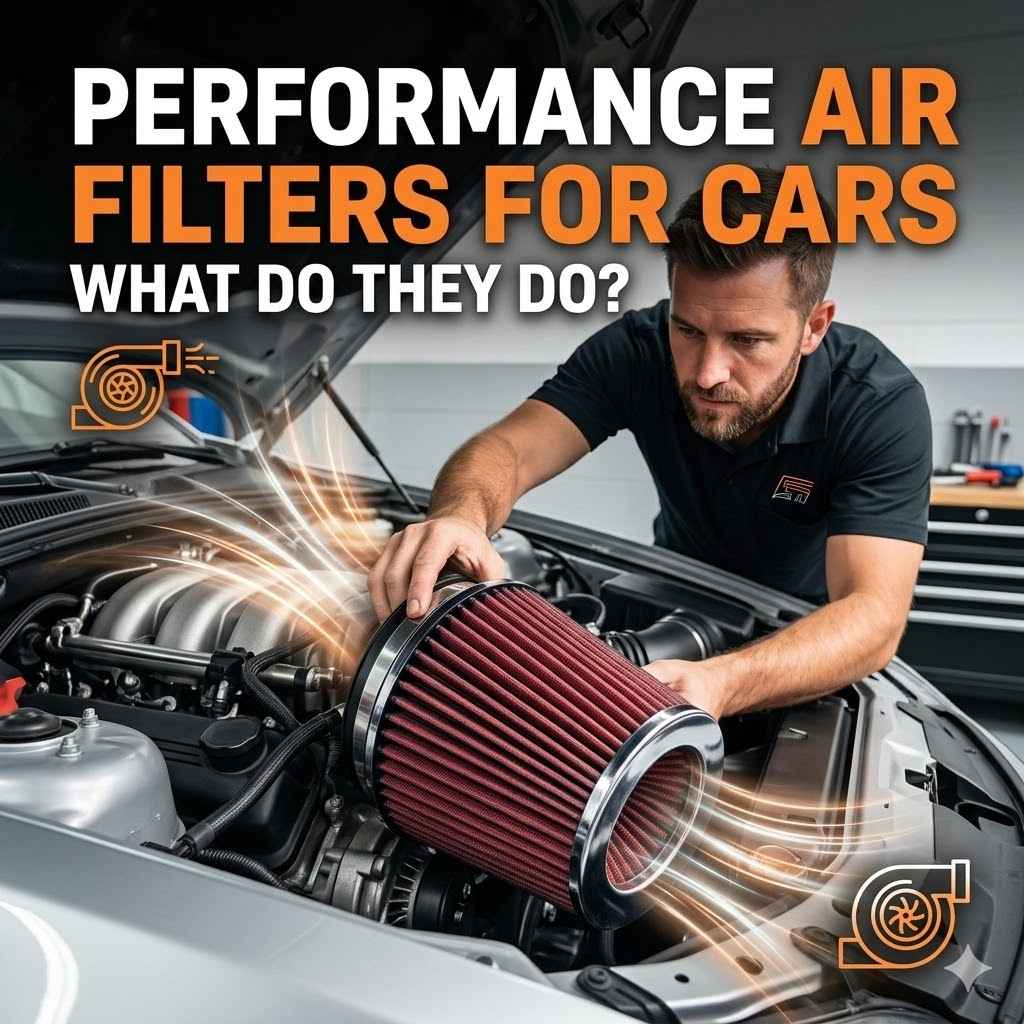
Performance Air Filters For Cars What Do They Do
You might be wondering about performance air filters for cars and what exactly they do. It can seem a bit confusing at first with all the different car parts out there. Don’t worry, though!
We’ll break down Performance Air Filters for Cars: What Do They Do? in a simple way. Think of it like getting a clear map for your car’s engine. We’ll go step-by-step so you can easily see how these filters help your car run better.
Let’s find out what they are all about!
What Performance Air Filters Do For Cars
Performance air filters are special parts that go into your car’s engine. Their main job is to let the engine breathe better. Think of your engine like your body; it needs air to work.
A performance air filter is designed to let more air in, and cleaner air too. This helps your car’s engine get more power and run a bit more smoothly. It’s like giving your car a special diet to help it perform at its best.
Many people choose them because they want their car to feel a little faster and more responsive when they drive.
How Air Filters Work Generally
Every car has an air filter. Its job is to stop dirt, dust, and bugs from getting into the engine. Imagine breathing through a cloth that has tiny holes.
That cloth stops tiny particles from going into your lungs. An engine air filter does a similar thing for your car’s engine. It’s usually made of paper or cotton.
When the engine needs air to mix with fuel and create power, it sucks air in. The filter sits in the way and catches all the bad stuff. This keeps the inside of your engine clean and running smoothly.
When an air filter gets dirty, it’s like that cloth getting clogged. It makes it harder for air to get through. This means the engine might not get enough air.
It can make your car feel slower. It can also make your car use more fuel. Replacing a dirty air filter is a simple maintenance step that most car owners do.
It helps keep the engine healthy and efficient. The basic idea is always the same: clean air for the engine.
What Makes A Performance Air Filter Different
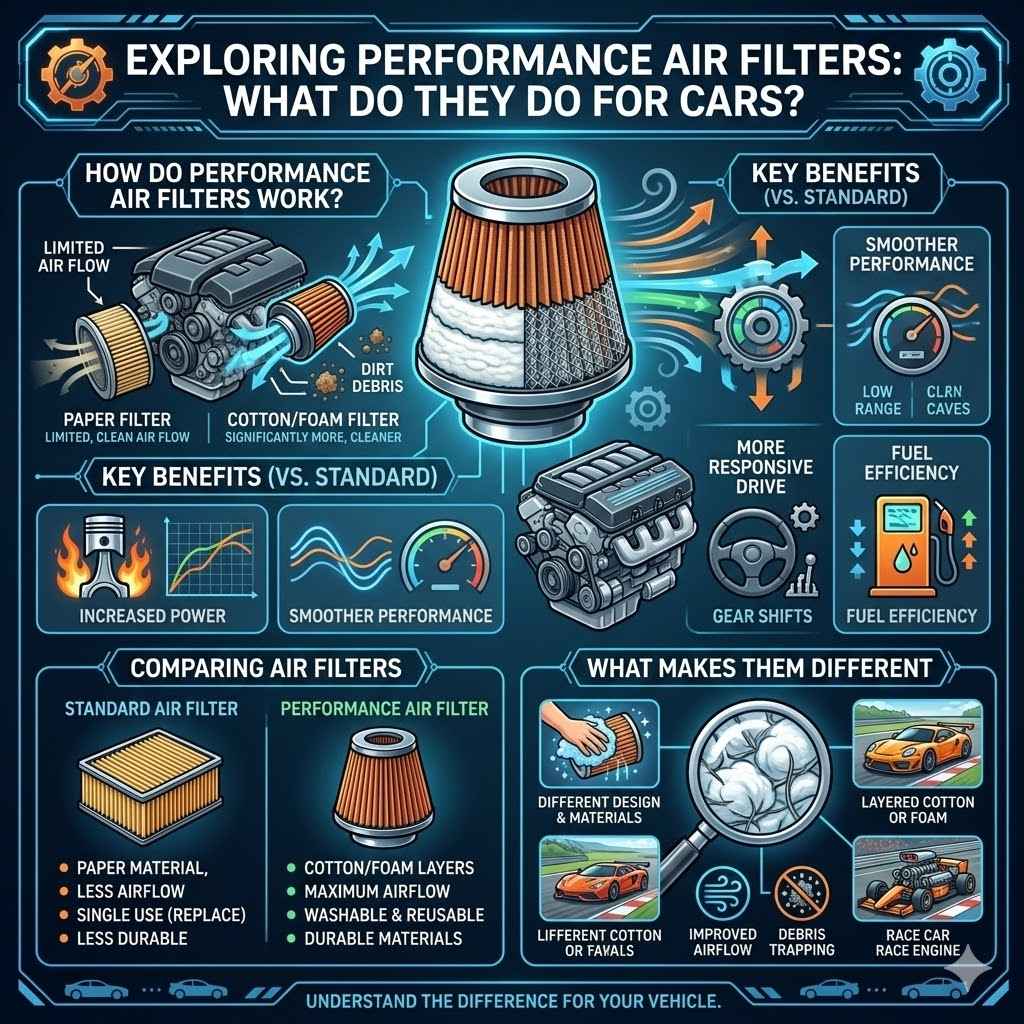
Performance air filters are different from regular ones because they are made with better materials and a different design. They often use layers of special cotton or foam. These materials are designed to let more air pass through compared to a standard paper filter.
At the same time, they still catch most of the dirt and debris. The goal is to improve airflow without sacrificing engine protection. This extra airflow can lead to small improvements in how the car drives.
Think of it like a race car. Race cars need a lot of air to make their engines work as hard as possible. A performance air filter helps give the engine that extra air it craves.
It’s not about making your car a race car overnight, but about giving the engine the best chance to perform well. The materials are often washable and reusable. This means you can clean them and put them back in, saving money over time compared to buying new paper filters.
Benefits Of Using Performance Air Filters
Using a performance air filter can offer several good things for your car. The most talked-about benefit is a potential increase in horsepower. When an engine gets more air, it can burn fuel more efficiently.
This can translate to a little more power when you step on the gas pedal. It can make your car feel more lively. Also, because the engine is getting air more easily, it might use fuel a bit better.
Another great thing is that many performance air filters are washable and reusable. This is different from standard paper filters that you have to throw away and replace. You can clean a performance filter and put it back in your car.
This can save you money in the long run. It’s also a good choice for the environment because you create less waste. Taking care of your filter means it lasts a long time.
Increased Horsepower And Torque
Horsepower is a measure of how much power an engine can produce. Torque is how much twisting force an engine has. When a performance air filter allows more air into the engine, the engine can mix this air with more fuel.
This controlled increase in the air-fuel mixture means the engine can create a slightly stronger explosion inside its cylinders. This stronger explosion generates more power. It’s like giving your engine more energy to work with.
This extra power might not be huge, but it can be noticeable, especially in everyday driving. You might feel quicker acceleration from a stop or a bit more oomph when passing other cars. For many drivers, this improved response makes driving more enjoyable.
The feeling of a more responsive engine is a key reason why people choose performance air filters. It’s a way to get a little more out of your car’s existing engine.
Better Fuel Economy
While the primary goal of performance air filters is often power, they can also help with fuel economy. This might seem a bit strange because more power often means using more fuel. However, a performance air filter allows the engine to breathe more easily.
This means the engine doesn’t have to work as hard to suck in air. When an engine works less hard, it can be more efficient with the fuel it uses.
Imagine trying to drink a thick milkshake through a thin straw. It’s hard work, right? Now imagine drinking it through a wider straw.
It’s much easier. The engine is like the person drinking. An unrestricted air filter makes it easier for the engine to “drink” the air it needs.
This efficiency can lead to a small improvement in how many miles your car gets per gallon of gas. It’s a nice bonus that complements the performance gains.
Reusability And Cost Savings
One of the biggest advantages of many performance air filters is their reusability. Unlike regular paper filters that are designed for single use, performance filters are often made from materials like cotton gauze or foam. These materials can be cleaned and re-oiled.
This means you don’t have to buy a new filter every time it gets dirty. You just clean the one you have and put it back.
Over the lifespan of your car, this can lead to significant cost savings. A single performance air filter can last for tens of thousands of miles, and some can even last the life of the vehicle with proper care. While the initial cost of a performance filter might be higher than a standard paper filter, the long-term savings make it a good investment for many car owners.
It also reduces waste, which is good for the environment.
Durability And Longevity
Performance air filters are typically built to last. The materials used, like high-quality cotton or synthetic fibers, are chosen for their strength and ability to withstand the harsh conditions under the hood of a car. They are designed to resist tearing and degradation from heat, oil, and vibration.
This makes them much more durable than standard paper filters, which can become brittle and tear over time.
The robust construction ensures that the filter can continue to protect your engine effectively for a long time. When properly maintained, a performance air filter can serve your car reliably for many years. This longevity means fewer replacements and less hassle for the car owner.
It’s a component that’s built for performance and built to last, offering peace of mind.
How Performance Air Filters Work Mechanically
The mechanical operation of a performance air filter involves how it physically filters air and how its design affects airflow. It’s a balance between stopping particles and allowing gases to pass through easily. The materials and construction are key to achieving this balance.
Understanding these mechanics helps appreciate why they can offer benefits over standard filters.
Filtration Media And Construction
Performance air filters often use a multi-layer filtration system. The most common media are oiled cotton gauze or synthetic foam. Cotton gauze filters use layers of cotton fabric sandwiched between fine aluminum or epoxy-coated wire mesh.
The cotton is then treated with a special low-tack oil. This oil helps trap smaller particles that the cotton fibers might miss on their own. The mesh provides structural support, preventing the filter from collapsing under suction.
Synthetic foam filters use open-cell foam. This foam has a porous structure with interconnected cells. Air passes through these cells, and dirt particles get trapped in the pockets.
Some high-performance filters use a combination of materials or advanced synthetic media designed for maximum airflow and filtration. The way these materials are layered and constructed is crucial for their effectiveness. It’s about creating a barrier that’s efficient at stopping dirt but easy for air to flow through.
Airflow Dynamics
The design of a performance air filter aims to reduce restriction to airflow. Standard paper filters can become very dense as they trap dirt, creating a significant restriction. Performance filters, with their open media, maintain better airflow even as they collect some debris.
The pleating pattern of the filter material is also important. More pleats mean a larger surface area for air to pass through. A larger surface area reduces the speed at which air has to travel through the filter, which in turn lowers resistance.
This improved airflow means the engine doesn’t have to pull as hard to get the air it needs. This reduced “intake restriction” allows the engine to breathe more freely. It’s like giving the engine a less stuffy nose.
The smoother the airflow, the more efficient the combustion process can be. This is a direct contributor to the potential power gains and improved throttle response that drivers often experience.
Particle Trapping Efficiency
While performance filters aim for high airflow, they must still effectively trap harmful particles. The filtration efficiency of a performance air filter is measured by its ability to capture particles of various sizes. High-quality performance filters are designed to capture even very small particles, down to a few microns.
The oiled cotton gauze and specialized foam media are effective at this. The oil in cotton filters acts like a sticky trap for fine dust and dirt.
The goal is to find a balance. Too much filtration can restrict airflow, and too little can let damaging particles into the engine. Reputable performance filter manufacturers test their products to ensure they meet high standards for both airflow and particle capture.
This ensures your engine is protected while still benefiting from improved breathing. The construction method is key to achieving this balance. The layers work together to trap contaminants.
Installation And Maintenance Of Performance Air Filters
Putting in a performance air filter is often a simple process. Most of them are designed to fit directly into the factory airbox. This makes them a straightforward upgrade for most car owners.
Once installed, keeping them in good shape is important for them to work well.
Simple Installation Process
For most vehicles, installing a performance air filter involves just a few steps. First, you need to locate the airbox. This is usually a black plastic box under the hood connected to the engine’s air intake.
You’ll typically need a screwdriver to unclip or unscrew the airbox lid. Once open, you can remove the old, dirty air filter. Then, you simply place the new performance air filter into the same spot.
Make sure the filter is seated properly and seals all the way around. This prevents air from bypassing the filter. Finally, close the airbox lid and secure it.
Many performance air filters are “drop-in” replacements, meaning they are shaped to perfectly fit the original airbox. This makes the upgrade accessible even for people who don’t do a lot of car repairs. It’s a quick way to enhance your car’s engine performance.
Cleaning And Oiling
When it’s time to clean your performance air filter, you’ll need a cleaning kit designed for your specific type of filter. These kits usually come with a cleaning solution and a re-oiling spray. First, spray the cleaning solution onto the filter and let it sit for a while.
Then, rinse the filter thoroughly from the inside out with water. You want to push the dirt away from the side that faces the engine.
After rinsing, let the filter air dry completely. Do not use compressed air or heat, as this can damage the filter material. Once it’s dry, you’ll apply the re-oiling spray.
Apply the oil evenly along the peaks of the filter media. Be careful not to use too much oil, as this can cause problems. A light, even coat is best.
Let the oil soak in for a bit before reinstalling the filter. This whole process usually takes a few hours.
When To Replace A Performance Air Filter
Even though performance air filters are reusable, they don’t last forever. Eventually, the filter material can become worn out or damaged. If you notice tears, holes, or thinning in the filter media, it’s time to replace it.
Also, if the filter is heavily stained and cannot be cleaned effectively, it might be nearing the end of its life.
For many, cleaning and re-oiling every 30,000 to 50,000 miles is a good schedule. However, this can vary based on driving conditions. If you drive in dusty environments, you might need to clean it more often.
A visual inspection is the best way to determine if it’s time for a replacement. It’s better to replace a worn filter than risk engine damage from poor filtration or reduced airflow.
Potential Downsides And Considerations
While performance air filters offer several advantages, it’s important to be aware of potential drawbacks and things to consider before making a purchase. Not every situation or car benefits equally, and some factors can affect your experience.
Cost Compared To Standard Filters
The initial price of a performance air filter is usually higher than a standard paper filter. A typical paper air filter might cost between $15 and $30. A performance filter, on the other hand, can range from $40 to $80 or even more, depending on the brand and vehicle model.
This higher upfront cost is a barrier for some car owners.
However, as mentioned earlier, the reusability of many performance filters can offset this cost over time. If you plan to keep your car for many years and perform regular maintenance, the long-term savings can be substantial. It’s a trade-off between a lower initial investment and greater ongoing value.
It’s a decision that depends on your budget and how long you intend to own the vehicle.
Risk Of Over-Oiling
One common mistake when maintaining reusable performance air filters is using too much oil during the re-oiling process. If an air filter is over-oiled, the excess oil can be drawn into the engine’s Mass Air Flow (MAF) sensor. The MAF sensor measures the amount of air entering the engine.
If it gets coated with oil, it can send incorrect readings to the engine’s computer. This can lead to a variety of performance issues, including rough idling, poor acceleration, and illuminated check engine lights.
This is why it’s crucial to follow the manufacturer’s instructions carefully and use the correct amount of oil. If you’re unsure, it’s always better to err on the side of using too little oil rather than too much. Many people prefer to use a spray oil that comes with an applicator for more precise control.
This ensures the filter is properly lubricated without posing a risk to engine components.
Effectiveness Varies By Vehicle
The benefits gained from a performance air filter can differ significantly from one vehicle to another. On older cars or those with naturally less efficient air intake systems, the gains in horsepower and fuel economy might be more noticeable. This is because the stock air filter might be more restrictive.
In contrast, modern cars often come with very efficient, low-restriction air intake systems already installed from the factory.
For these vehicles, the improvement from a performance air filter might be minimal, if noticeable at all. Some vehicles might see a slight improvement in throttle response, while others might see almost no change. It’s important to research specific performance air filters for your car model to see what results other owners have reported.
Not all cars will experience the same dramatic improvements.
Potential For Reduced Filtration In Some Cases
While many high-quality performance air filters offer excellent filtration, some cheaper or poorly designed models might not be as effective as OEM paper filters. The primary goal of performance filters is to allow more air through, and sometimes this can come at the expense of trapping smaller particles. If a performance filter uses a very coarse media or is not properly sealed, it could allow more dirt and debris into the engine.
This could lead to increased wear and tear on internal engine components over time. It’s essential to choose reputable brands that have a proven track record for quality and performance. Always look for filters that specify their filtration efficiency and ensure they are designed for your vehicle’s needs.
Investing in a quality filter from a trusted manufacturer is key to avoiding potential engine damage.
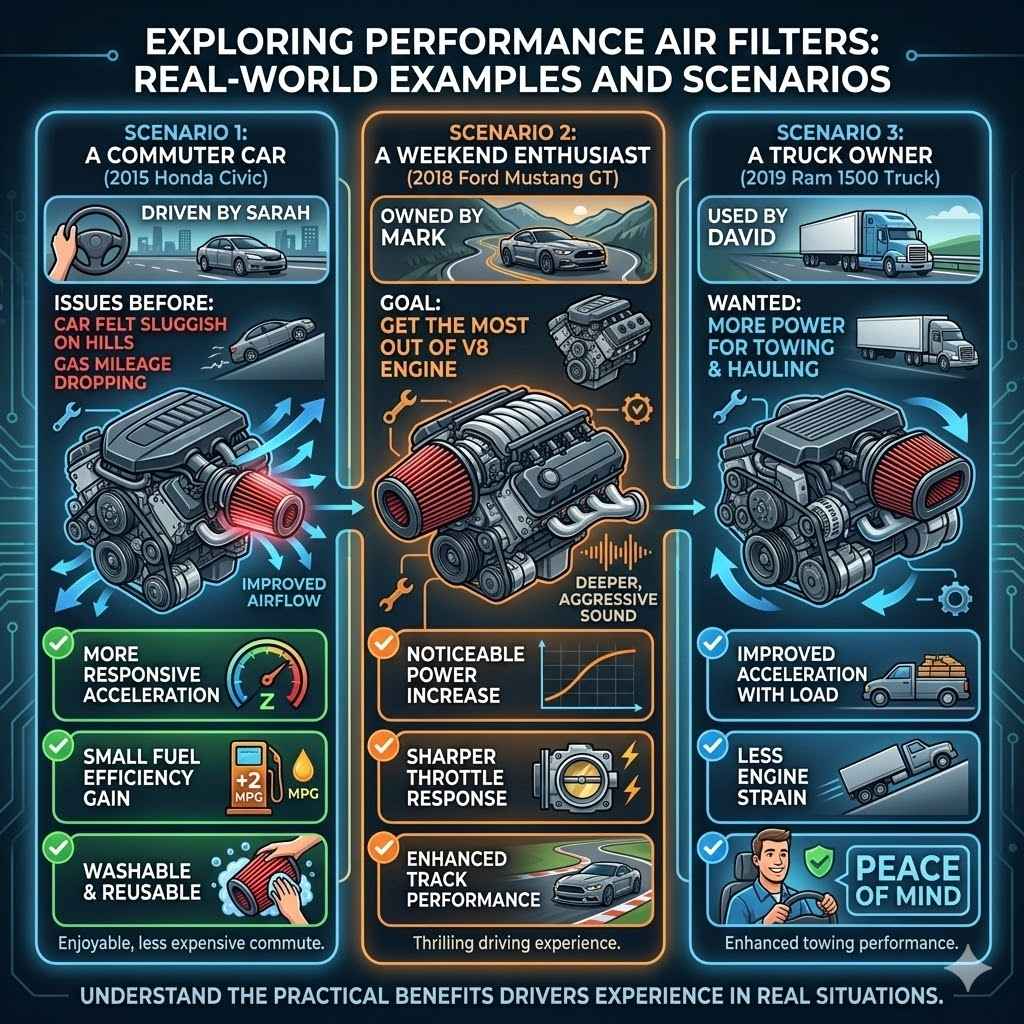
Real-World Examples And Scenarios
Let’s look at how performance air filters can make a difference in real situations. These examples show the practical benefits drivers might experience.
Scenario 1 A Commuter Car
Sarah drives a 2015 Honda Civic for her daily commute. She noticed that her car felt a bit sluggish on hills and that her gas mileage seemed to be dropping. After some research, she decided to try a performance air filter designed for her car.
After installing it, she noticed that her car felt more responsive when she accelerated. The engine seemed to rev a little easier.
Over the next month, she tracked her fuel economy. She saw that her average miles per gallon had increased by about 2 miles. While it wasn’t a huge change, she was happy with the improvement in responsiveness and the small gain in fuel efficiency.
For her daily driving, these small changes made her commute more enjoyable and a bit less expensive. She also liked knowing she wouldn’t have to buy a new filter for a long time.
Scenario 2 A Weekend Enthusiast
Mark owns a 2018 Ford Mustang GT. He loves driving it on weekends and wants to get the most out of its V8 engine. He already has an aftermarket exhaust system, and he decided to add a performance air filter.
He chose a high-flow, washable filter. He noticed that the engine had a deeper, more aggressive sound when he accelerated.
More importantly, he felt a noticeable increase in power. The car pulled harder, especially in the mid-range RPMs. He also felt that the throttle response was sharper.
Mark likes to take his car to occasional track days, and he believes the improved airflow helps the engine perform better under demanding conditions. For him, the sound and the power increase were the main benefits, making his driving experience more thrilling.
Scenario 3 A Truck Owner
David uses his 2019 Ram 1500 truck for towing and hauling. He wanted to see if a performance air filter could help his truck feel more powerful when towing his trailer. He installed a performance filter and noticed a slight improvement in acceleration, especially when starting from a stop with a load.
The engine seemed to be less strained.
He also felt that the truck maintained speed on inclines a bit better. While the fuel economy didn’t change much while towing, he appreciated the added confidence that the engine had more power available when he needed it. For his truck, the primary benefit was the enhanced towing performance and the engine’s ability to handle heavy loads with more ease.
It gave him peace of mind on longer trips.
Frequently Asked Questions
Question: Can a performance air filter really make my car faster?
Answer: A performance air filter can contribute to a small increase in horsepower and torque by allowing more air into the engine. This can make your car feel more responsive and accelerate a bit quicker, but it won’t transform an economy car into a sports car.
Question: How often do I need to clean a performance air filter?
Answer: The cleaning schedule depends on your driving conditions. Generally, cleaning is recommended every 30,000 to 50,000 miles. Driving in dusty environments may require more frequent cleaning.
Question: Will a performance air filter void my car’s warranty?
Answer: In most cases, simply installing a performance air filter will not void your car’s warranty, as long as it’s installed correctly and doesn’t cause any engine damage. However, it’s always a good idea to check your warranty documentation or ask your dealer.
Question: What happens if I over-oil my performance air filter?
Answer: If you use too much oil, it can saturate the filter media and potentially get drawn into the Mass Air Flow (MAF) sensor. This can cause engine performance issues and trigger warning lights.
Question: Are performance air filters good for all types of cars?
Answer: Performance air filters can benefit many cars, especially older ones or those with restrictive stock air intakes. However, on some modern cars with already efficient systems, the gains might be very minimal.
Summary
Performance air filters for cars primarily aim to improve airflow to the engine. They often use washable, reusable materials that let more air in while still trapping dirt. This can lead to slight increases in horsepower, better fuel economy, and long-term cost savings due to reusability.
While there are potential downsides like initial cost and the risk of over-oiling, a quality performance air filter can be a smart upgrade for many drivers looking for a little more from their car’s engine.