Phone Mount Cost
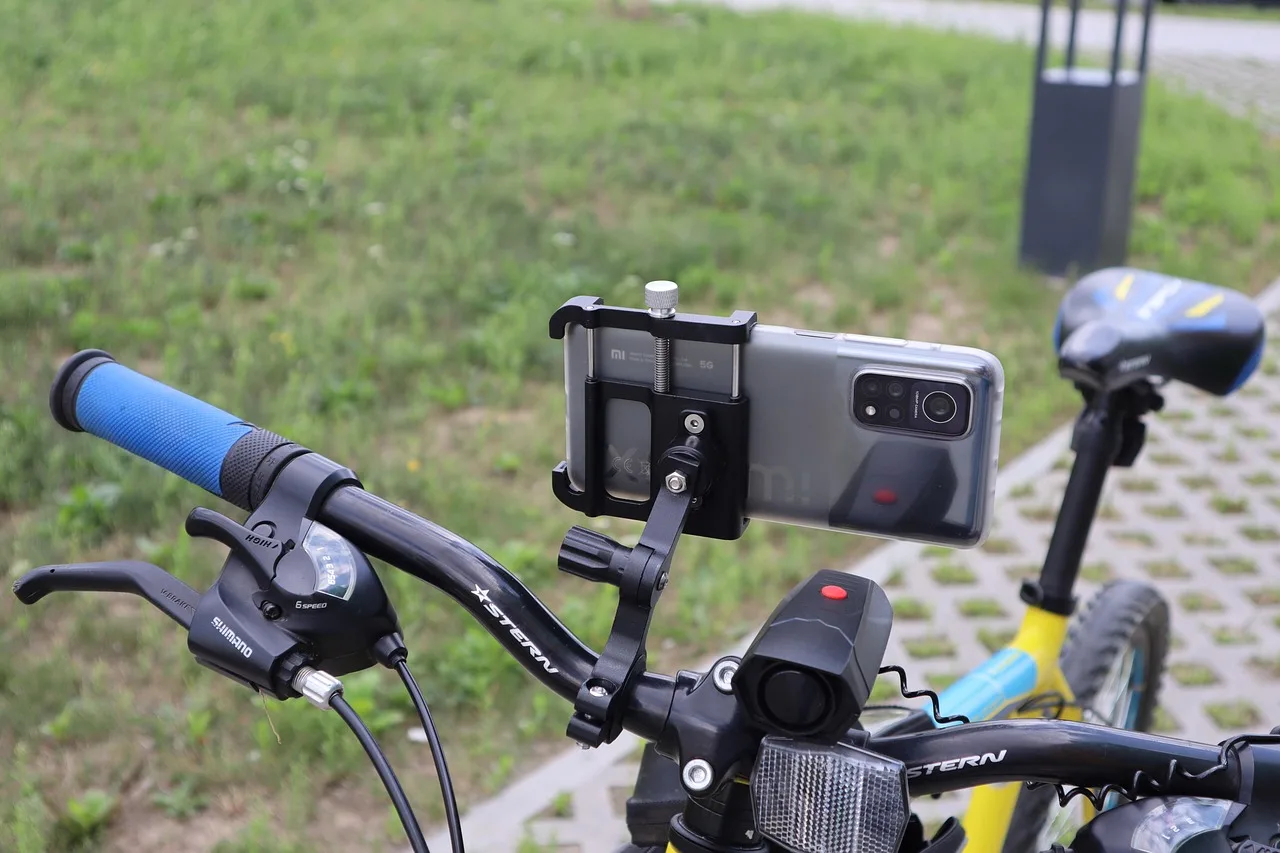
Phone mount cost usually runs from about $10 to $40+, with basic vent or dashboard mounts at the low end and stronger magnetic, adjustable, or wireless-charging models often costing more. Buy too cheap or fit the wrong mount, and you get wobble, blocked vents, poor phone grip, or a setup that fails on rough roads. This guide breaks down each price tier, what features change, and which options are worth paying for by vehicle, phone size, and daily use.
Phone mount cost by price tier


$10-$15: entry-level mounts and their tradeoffs
In this range, you usually get the simplest hardware: a basic vent clip, a simple suction cup, or a low-cost magnetic mount with a separate plate. It can work for light phones and short trips, but the weaker clip, thinner arm, and smaller contact points are more likely to shift on rough pavement.
Cheap mounts often keep the price down by skipping extras like a telescoping arm, a well-built ball-head joint, or stronger suction hardware. That matters if your dashboard is textured, your vent slats are thin, or your phone is heavy in a thick case.
$15-$25: the mainstream range for most drivers
This is the range where build quality usually starts to improve in a way you can feel in daily use. Expect better grip, more stable rotation, and a stronger chance of getting a dash or windshield mount that stays put without constant readjustment.
Wirecutter’s top dash or windshield pick, the iOttie iTap 3 Magnetic Dashboard Mount, sits at $20 from Amazon. Wirecutter describes it as easy to set up and secure on a dashboard or windshield, and it includes both a telescoping arm and a ball-head joint for positioning flexibility.
$25-$35: stronger hardware and better fit
At this level, a common rule of thumb is that more of the price goes toward firmer mounting hardware, better adjustability, or a more specialized design. CD-slot mounts also start to make more sense here because the better versions tend to use a sturdier bracket and a tighter fit in the slot.
Wirecutter’s top CD-slot pick, the iOttie iTap 2 Magnetic CD Slot Mount, is $25 from Amazon. A mount in this band is more likely to handle a larger phone, a heavier case, or repeated repositioning without feeling loose.
$35+: wireless charging and premium hardware
Wireless-charging mounts often cost more than about $35. That extra cost only makes sense if you actually need charging on the mount or want a setup that stays stable with a large phone and a thick case.
Wireless-charging mounts can reduce cable clutter, but the charging hardware adds cost and can create compatibility limits. If a case is too thick, or if a magnetic plate sits in the wrong place, charging speed or alignment can suffer.
What drives the price up?
Mount type and hardware complexity
Basic air vent mounts are usually the least expensive because they rely on a simple clip and little else. Dash mounts, windshield mounts, and CD-slot mounts often cost more because they need a suction cup, adhesive disc, or slot bracket that holds steady under motion.
A telescoping arm, a more adjustable ball-head joint, and a stronger suction cup can all add cost. They also add control over reach and angle, which matters when the only usable spot in a vehicle sits farther from the driver.
Magnetic vs clamp-style designs
Magnetic mounts often cost less to use and less to operate because they skip the spring-loaded cradle. Clamp-style mounts usually cost more when they are built to hold larger phones with a stronger grip and wider jaws.
Magnetic designs are quick to place and remove, but the phone depends on magnet strength and plate placement. Clamp designs can feel more secure on rough roads, especially with larger phones, but they take a little more time to load and release.
Wireless charging and power hardware
Wireless-charging mounts cost more because the mount must include charging coils, power regulation, and often a more substantial body. That extra hardware can be useful if you navigate often and want the phone powered without plugging and unplugging cables.
The same source notes that the Auto Sense 2 includes wireless charging. That feature can raise the price quickly, and it is only worth paying for if your phone supports wireless charging and the mount does not create alignment or thickness problems.
Extra parts and replacement costs
The sticker price is not the whole cost. Some mounts need a replacement adhesive disc for textured dashboards, extra magnetic plates or rings, or a new suction pad if the original seal weakens.
If a mount uses an adhesive disc, expect that disc to be part of the ownership cost, not a one-time bonus. Magnetic systems can also need a replacement plate or ring if you switch phones, change cases, or move the mount to another vehicle.
Which mount type costs the least?
Air vent mounts
Air vent mounts are often the cheapest useful option because they need less hardware than dash, windshield, or charging models. They are common in the under-$15 range, but cheap vent clips can slip if the slats are thin, angled oddly, or made from softer plastic.
They also depend on the vent layout. Horizontal slats often hold better than vertical ones, and deep vents can put the phone too close to the dashboard, which can make the screen harder to reach or read.
CD-slot mounts
CD-slot mounts are often inexpensive because they use the existing slot as the anchor point. They can be a good bargain if the car still has a usable CD slot and the slot sits in a stable, accessible position.
The drawback is obvious: no working CD slot, no mount. Some vehicles also have slot mechanisms that feel loose or awkward, so the cheapest CD mount is not always the best-value choice.
Suction cup dash and windshield mounts
Suction cup mounts often start inexpensive, but better ones cost more because the suction base, arm, and joint need to hold position under vibration. A low-cost suction cup can work well on a clean, smooth surface and fail on a textured or curved one.
Windshield reach matters here. If the mount has to stretch too far, the arm can bounce more and the phone may sit in a less comfortable line of sight.
Magnetic plates and rings
Magnetic plates and rings are not always the mount itself, but they add to total cost. A magnetic phone setup may need a plate for older cases or a ring for MagSafe-style alignment on non-MagSafe iPhones or Android devices.
That matters because these add-ons can change the total bill and the charging outcome. The same source says the updated iTap 3 uses a magnetic ring for non-MagSafe iPhones or Android devices, and that ring will not interfere with wireless charging for those devices.
Phone mount cost matrix
| Price tier | Expected mount type | Typical features | Likely tradeoffs | Best for |
|---|---|---|---|---|
| $10-$15 | Air vent, basic suction cup, simple magnetic mount | Simple clip or suction base, basic rotation, minimal parts | Less grip on rough roads, more wobble, weaker fit with large phones | Light phones, short commutes, low-cost backup use |
| $15-$25 | Better vent, dash, or windshield mount | Stronger clamp or magnet, better arm, more stable angle control | May still need an adhesive disc or plate; not every model fits every dashboard | Most drivers who want a reliable daily mount |
| $25-$35 | Stronger CD-slot, dash, or magnetic mount | Better ball-head joint, more secure bracket, improved stability under cornering | CD-slot fit depends on the vehicle; some models cost more than needed for simple use | Larger phones, frequent repositioning, drivers who want firmer mounting |
| $35+ | Wireless-charging dash, windshield, or vent mount | Charging coil, premium arm hardware, more adjustment, often heavier build | Charging can be affected by case thickness, plate placement, or alignment | Drivers who want charging on the mount and are willing to pay for it |
Which mount works best for large phones?
Large phones usually do best with a mount that has strong grip, a wide cradle, or a strong magnetic system paired with the right plate or ring. For a heavy phone in a thick case, the safest budget is usually above the cheapest tier because weak clips and small magnets are more likely to slip.
Phone size and case thickness
Fit depends on the actual device size and the case. A thick case can keep a phone from sitting fully in a cradle or can push a magnetic plate far enough away to weaken hold strength.
That is why a mount that claims broad compatibility may still struggle with one bulky phone. The mount may fit the phone, yet not hold it well under braking or cornering.
Grip strength and cornering stability
Large phones need stronger clip pressure or a stronger magnet because they create more pressure on the mount. On rough roads, that load turns small weaknesses into bounce, tilt, or a slow slide out of position.
Metal plates help some magnetic mounts, but the grip has to be balanced against charging needs and case thickness. A stronger hold is useful only if it does not create a setup that is awkward to remove or incompatible with wireless charging.
Magnetic strength vs clamp security
Magnetic mounts are often easier to use one-handed, but clamp-style mounts usually win on pure retention with heavy phones. If the phone is large and used for long navigation sessions, clamp security is often the safer choice.
Suppose a 6.7-inch phone sits in a thick case and the car sees rough pavement every day. A cheap magnetic disc mount may stay upright at first, then drift as vibration works against the contact point. A firmer clamp or a stronger premium magnet is the better fit there.
Do magnetic mounts work with wireless charging?
Sometimes, but not always. MagSafe-compatible iPhones can work well with magnetic charging mounts, while non-MagSafe iPhones and Android phones may need a ring or plate, and that add-on can affect charging if it is the wrong type or is placed poorly.
MagSafe and non-MagSafe compatibility
MagSafe-compatible iPhones are the easiest match for magnetic charging mounts. Non-MagSafe iPhones and Android phones usually need an added ring or plate for alignment, which adds cost and can change the charging experience.
The same source says the updated iTap 3 uses a magnetic ring for non-MagSafe iPhones or Android devices, and that the ring will not interfere with wireless charging for those devices. That is a useful detail, but it applies to that design, not every magnetic mount on the market.
When plates or rings interfere
Metal plates and some ring accessories can interfere with wireless charging, especially if they sit between the phone and the charging coil in the wrong setup. Even when the mount holds the phone securely, charging can fail or slow down if the stack-up is too thick.
That is the hidden cost many buyers miss. A mount that seems cheap at checkout can become more expensive once you add the right plate, ring, or charging cable.
What to buy if charging matters
If charging matters, choose a mount designed for it rather than adding a charger to a basic holder later. That usually means spending more up front for a wireless-charging model with the correct phone compatibility and enough power to keep up with navigation use.
For drivers who only need a holder, a non-charging mount is usually better value. For drivers who run navigation every day and hate cable clutter, the higher price can be worth it.
Safety, legality, and placement
Phone mount legality depends on local rules, where the mount sits, and whether the driver can keep a clear view of the road. A legal mount in one place may be restricted in another, especially if it blocks windshield visibility or invites one-handed phone use while driving.
Hands-free use and one-hand operation
A mount should support hands-free use, not encourage active phone handling. One-hand operation is useful for placing the phone, but the phone should not become a reason to tap, scroll, or hold it while the car is moving.
That distinction matters because some rules focus on handheld phone use, while others also restrict how and where a device can be mounted.
Windshield visibility rules
Windshield mounts can be legal in some places and restricted in others. The common issue is visibility: if the mount sits in the driver’s sightline or blocks a required portion of the windshield, it may violate local rules.
Check state or country rules before choosing a windshield mount. If the law is stricter where you live, a dash or vent location may be the safer path.
Dash placement and driver sightlines
Dash placement often gives a cleaner legal and practical result than a windshield position, provided the dashboard material supports adhesion. Smooth, flat dash material usually helps suction and adhesive bases hold better than coarse or curved surfaces.
Picture a car with a steep windshield and a long dashboard. A suction mount near the glass may sit too far forward, while a dash mount with a shorter arm keeps the phone easier to reach and may reduce glare.
Frequently asked questions
How much does a phone mount cost?
Most phone mounts land between $10 and $40+, with the lower end covering simple vent or basic suction designs and the upper end covering stronger magnetic, adjustable, or wireless-charging models. The real total can be higher once you add adhesive discs, magnetic plates, rings, or charging accessories.
Are phone mounts legal?
Sometimes, but legality depends on where you live and where the mount is installed. A mount that blocks the windshield, interferes with sightlines, or encourages handheld use can run into local rules even if the product itself is sold as road-safe.
What is the cheapest type of phone mount?
Air vent mounts are usually the cheapest useful option, followed by some basic suction cup and magnetic designs. They stay inexpensive because they use simpler hardware, but that lower price can come with weaker grip, less stability, or a poorer fit in some cars.
What is the best phone mount for a budget?
The best budget choice is usually a $15-$25 mount that fits the car’s dash, vent, or CD slot without forcing awkward placement. That range tends to offer the best balance of grip, rotation control, and everyday reliability without paying for wireless charging you may not need.
Do magnetic phone mounts work with wireless charging?
They can, but compatibility depends on the phone, the ring or plate used, and the mount design. MagSafe-compatible iPhones are the cleanest fit; non-MagSafe iPhones and Android phones may need a ring, and some metal add-ons can interfere with charging.
Which phone mount type is best for large phones?
Large phones usually do best with a stronger clamp-style mount or a premium magnetic mount built for heavier devices. Weak vent clips and tiny magnetic pads are more likely to slip, especially on rough roads or during sharp turns.
Products related to this article
Sponsored / affiliate links. As an Amazon Associate I earn from qualifying purchases. I may earn additional commission from eligible campaigns.