Dash Cam Hardwire Kit vs Cigarette Lighter Plug: Pick One
Use a hardwire kit if you need parking mode or leave the car parked for hours; use a cigarette-lighter plug if you only want recording while driving and want the easiest install. Pick the wrong feed and you can flatten the battery, lose parked coverage, or end up with a setup you stop using. This guide compares both power methods by parking habits, battery risk, install effort, and lease-friendly practicality.
This guide is part of our Car exterior accessories guide series.

Dash cam hardwire kit vs cigarette lighter plug: the real trade-off
The real choice is how the camera gets power, not cable neatness. A hardwire kit can feed the camera from the fuse box and support parking mode, while a cigarette lighter plug usually gives simpler ignition-switched power with less install work and fewer wiring concerns.
If the car sits for long periods, the battery matters more than the hidden wiring. If the camera only needs power while driving, the plug-in route is often the better fit because it avoids fuse-box work, ACC circuit hunting, and the chance of tying into an always-on circuit by mistake.
| Decision factor | Dash Cam Hardwire Kit | Cigarette Lighter Plug | Winner |
|---|---|---|---|
| Parking mode support | Usually supports parked recording with constant power and cutoff protection | Usually stops when the ignition goes off | Dash Cam Hardwire Kit |
| Install effort | Fuse box tap, ground point, trim routing, circuit selection | Plug into the 12V accessory socket | Cigarette Lighter Plug |
| Battery-risk control | Depends on correct wiring and low-voltage cutoff | Lower risk because it usually shuts off with the car | Cigarette Lighter Plug |
| Cable visibility | Can be hidden behind trim | Often visible unless routed carefully | Dash Cam Hardwire Kit |
| Lease-friendly practicality | Less attractive because it is more invasive | Better for temporary or reversible installs | Cigarette Lighter Plug |
Parking mode support
The hardwire kit wins because parking mode needs power after the key is off. A plug-in setup can work only if the accessory socket stays live, and that varies by vehicle. For parked recording, I would start with a hardwire kit that has proper cutoff protection.
Install effort
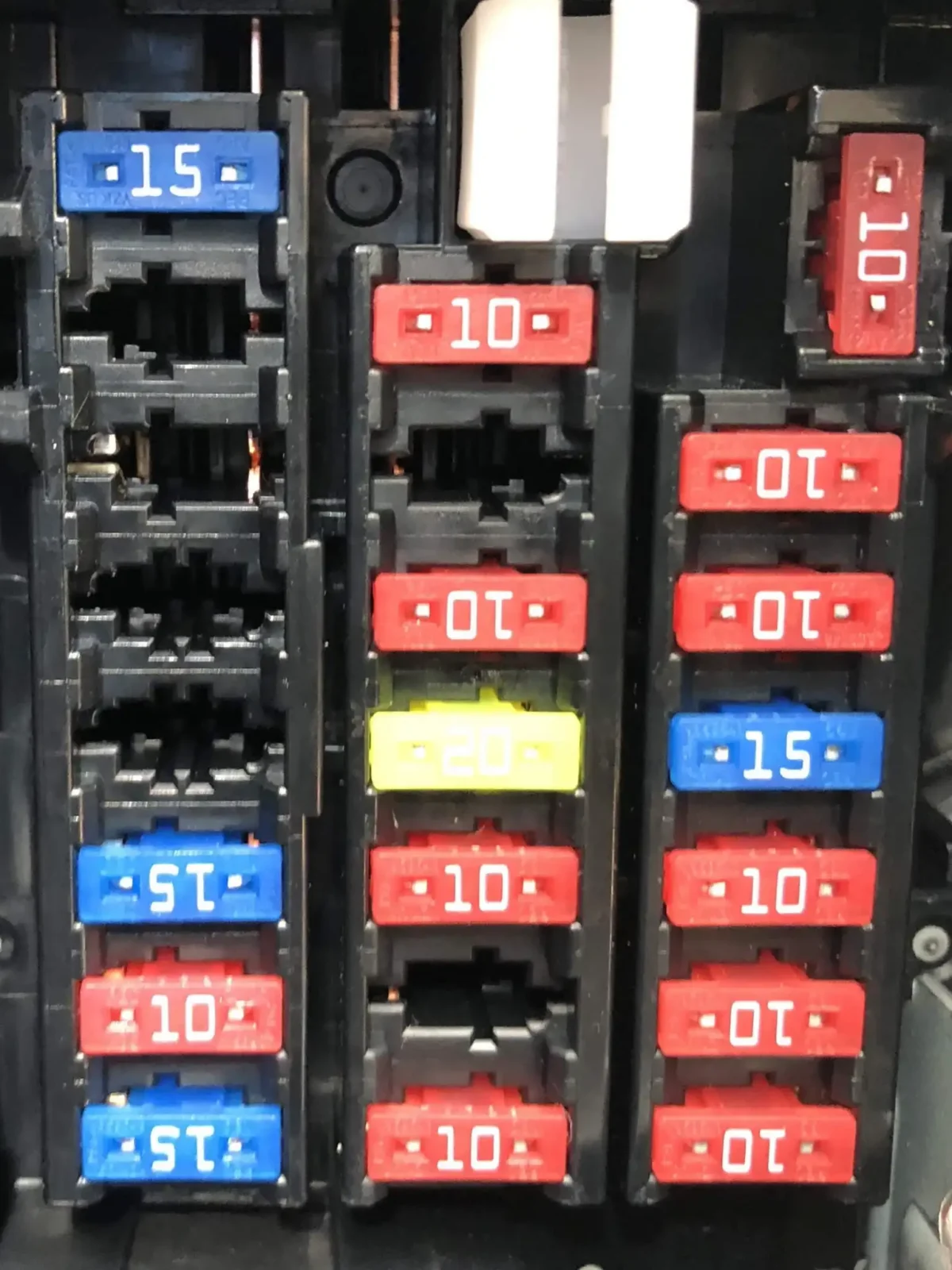
The cigarette lighter plug wins by a mile on simplicity. Hardwiring means choosing an ignition-switched circuit, an always-on circuit, and a solid ground point in the fuse box. A plug-in setup usually takes minutes, not a trim-and-fuse-box session.
Battery-risk control
The plug-in route usually carries less battery risk because many accessory sockets shut off with the ignition. Hardwiring can be safe too, but only if the kit includes low-voltage cutoff and the installer chooses the right fuse taps. Most problems start with the wrong fuse or the wrong circuit.
Cable visibility
Hardwiring wins if the goal is a hidden installation. A hard wire kit can be kept out of sight, while the plug-in path often leaves some cable visible even if it is tucked into trim. Hidden routing is possible either way, but the socket plug still needs a path back to the outlet.
Lease-friendly practicality
The lighter plug is the easier choice for leased cars and temporary ownership. It is reversible, occupies only the socket, and avoids opening the fuse box. A hardwire install can be removed later, but it is still more invasive and easier to get wrong.
How each power method works
Dash cam hardwire kit: fuse-tap, ACC, BATT, and ground
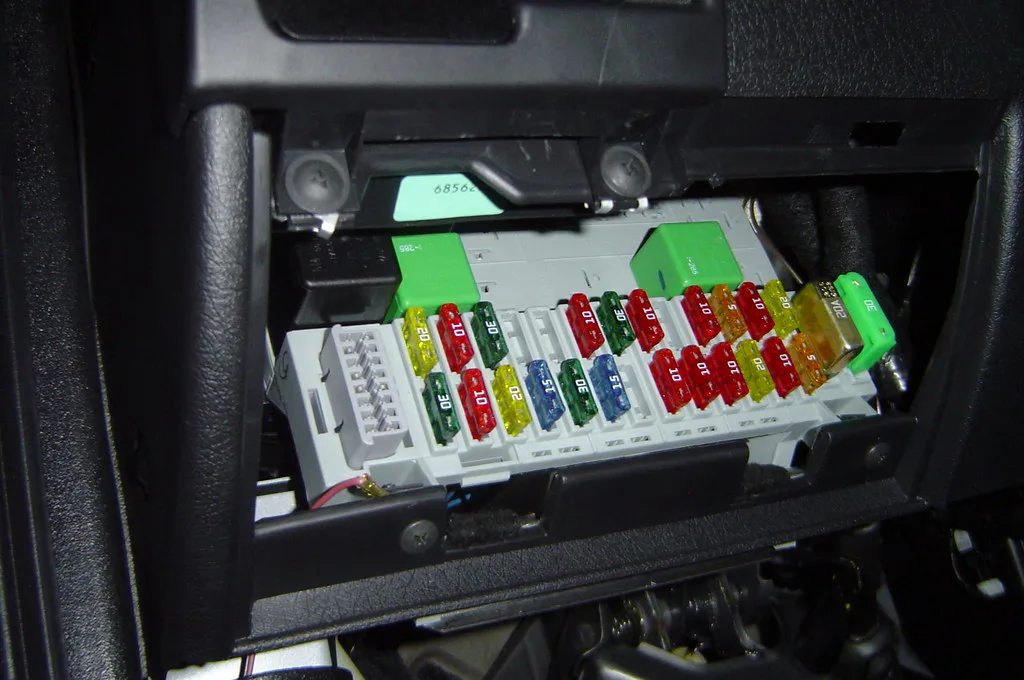
A hardwire kit plugs into the fusebox inside the car. The usual layout uses a 12V fuse-tap connection, an ACC wire that tells the camera the car is on, a BATT constant-power wire for parked recording, and a ground wire for return path. That split is what lets the camera switch between driving mode and parking mode.
Most kits also include a low-voltage cutoff module. That module watches battery voltage and cuts power before the starter battery is pushed too far down. Hidden wiring behind trim is common with hardwire kits, and that is why they are often chosen for cleaner installs and true parking coverage.
Cigarette lighter plug: 12V accessory socket and plug-and-play power
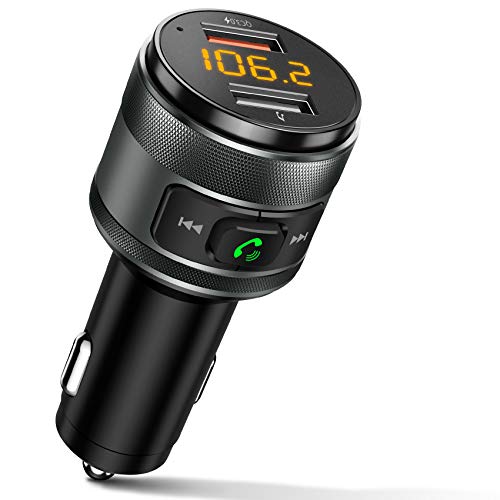
A cigarette lighter plug uses the 12V accessory socket. It is generally plug-and-play and often ignition-switched, so the camera powers on with the car and shuts off when the car does. Some adapters include USB output, which matters because many dash cams use 5V USB input through an adapter rather than raw 12V.
That socket can be a limitation if you need the outlet for something else. It can also be a benefit, because it keeps the install reversible and avoids fuse-box work. In many cars, the cable can still be routed around trim for a cleaner look, even without hardwiring.
Dash cam power input: 5V USB adapter versus model-specific connector
Not every dash cam wants the same feed. Many use 5V USB input through an adapter, while some use a model-specific connector from the hardwire kit or the included lighter adapter. Before buying, the connector type has to match the camera or the kit becomes useless.
Does a hardwire kit enable parking mode?
Yes, on many dash cams a hardwire kit is what makes parking mode possible. Parking mode means the camera records while the car is off, so it needs constant power, a wake condition, and battery protection. Without constant power, the camera has nothing to run on once the ignition is off.
What parking mode actually needs
Parking mode needs more than “power.” It needs the camera to know when the car is on, usually through the ACC wire, and when the car is off, usually through constant power from BATT. Some systems then switch to motion or impact-trigger behavior once the car is parked. That is how they avoid recording every empty minute.
How motion and impact triggers behave when the car is off
When parked, the camera may sleep and wake on vibration, motion, or a hard hit. That is useful, but it only works if the camera still has standby power. If the kit is not wired correctly, the camera may never enter parking mode, or it may keep recording until the battery runs down.
Why constant power and low-voltage cutoff matter
Constant power is what keeps parking mode alive. Low-voltage cutoff is what keeps that idea from killing the starter battery. Some hardwire kits include low battery cutoff specifically for that reason. Without it, permanent parking-mode wiring can kill the battery.
Will hardwiring my car battery?
It can, but only when the setup is wrong or the car sits too long for the battery size and condition. A hardwire kit is not automatically dangerous. The risk comes from always-on power without cutoff protection, a weak battery, or a vehicle that is parked for days at a time.
Starter battery risk in daily use versus infrequent use
Daily commuters usually have the lowest risk because the alternator has regular chances to recharge the battery. Weekend drivers, airport-parked cars, and vehicles with an older battery face a much higher risk if parking mode runs often. The same kit can be fine in one car and a bad idea in another.
How low-voltage cutoff modules protect the battery
A battery cutoff module watches voltage and shuts the dash cam off before the battery drops too far. The important part is the threshold: too low and the protection is late, too high and the camera shuts off too early. A decent kit gives the car a margin instead of letting parking mode run until the battery is flat.
Common miswiring mistakes and why they matter
The most common mistake is tapping the wrong fuse. If the ACC wire lands on an always-on circuit, the camera may never shut down. If the constant-power lead is put on the wrong side, parking mode can fail or the car can get odd behavior such as clock resets, dead batteries, or a camera that never changes modes.
Can I hide dash cam cables without hardwiring?
Yes. A dash cam can be powered by the cigarette charger and routed around trim, so hiding the cable does not require hardwiring. The difference is how complete the hiding can be. A plug-in install can be tidy, but the cable still has to travel from the camera to the socket.
Trim routing from the camera to the socket
The usual route is along the headliner, down the A-pillar, then toward the glove-box area or center console. That keeps most of the wire out of sight. It does not eliminate the plug, though, and the socket end still needs a home.
Glove-box area routing and visible cable limits
Some owners run the cable into the glove-box area so the wire is less obvious. That can work well if the socket is nearby. It still leaves more visible hardware than a hardwire kit, because the adapter body and the final run to the 12V accessory socket remain part of the setup.
What plug-in installs can and cannot hide
Plug-in installs can hide most of the cable. They cannot hide the fact that the camera depends on the accessory socket. If the car’s outlet stays live after shutdown, the camera may keep running when you do not want it to. If the outlet turns off, parking mode is usually off the table.
Choose the right power method by driver type
| Driver scenario | Safest power method | Why it fits | Install difficulty |
|---|---|---|---|
| Daily commuter | Cigarette lighter plug | Driving is frequent, battery recharge is regular, parking mode is often unnecessary | Easy |
| Street parker | Dash cam hardwire kit | Parking coverage matters, constant power and cutoff protection are useful | Moderate |
| Garage parker | Cigarette lighter plug | Lower parking-risk exposure, recording while driving is usually enough | Easy |
| Weekend driver | Cigarette lighter plug | Infrequent driving raises battery risk, so a simpler switched-power setup is safer | Easy |
| Leased car | Cigarette lighter plug | Reversible install, less invasive, fewer surprises at lease return | Easy |
Battery-risk checklist
- If the car sits more than a day or two at a time, favor the safer power method.
- If the battery is older or already weak, avoid always-on parking power unless cutoff protection is verified.
- If the car is leased, prefer reversible wiring.
- If the dash cam must record parked incidents, confirm constant power and cutoff settings before install.
- If the accessory socket stays live after shutdown, treat the plug-in route as a parking-power setup only after testing.
Must-have
 As an Amazon Associate we earn from qualifying purchases. Prices and availability are accurate as of the date shown and are subject to change.
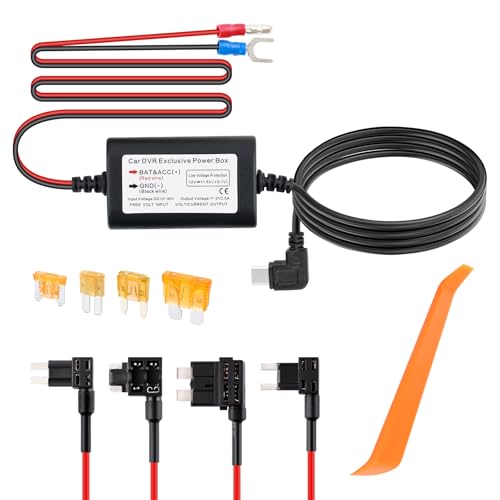
Figpade 9.68Ft Type C Dash Cam Hardwire Kit is the most direct fit when parking mode is the reason for buying a hardwire kit at all. Based on the spec sheet and owner feedback, the low-voltage protection is the key value here, and the included fuse taps make it easier to build a proper ACC/BATT/ground setup.
Drawback: it is still a hardwire kit, so the install is more involved than a plug-in adapter and the wrong fuse choice can create problems.
As an Amazon Associate we earn from qualifying purchases. Prices and availability are accurate as of the date shown and are subject to change.
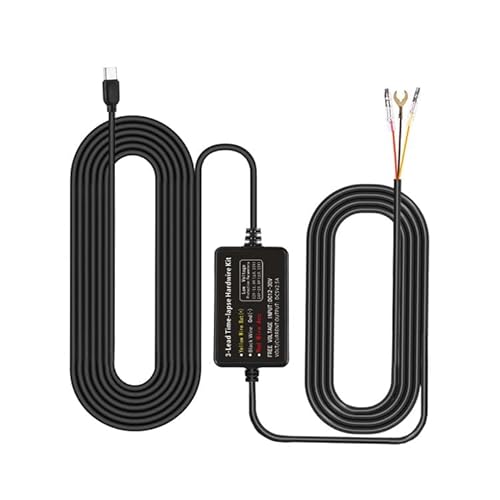
zhiroad Dashcam Hardwire Kit makes sense for drivers who want a longer run and installation tools included. The 13ft cable is helpful for larger cabins, and the parking-monitoring focus fits owners who need the camera awake after shutdown.
Drawback: it is still more invasive than a lighter plug, and any parking-mode kit depends on correct circuit selection and cutoff settings.
Nice-to-have
Cigarette lighter plug power adapter
There is no separate product listing here, but the part itself is the cleaner answer for drivers who want plug-and-play power, a reversible install, and fewer battery concerns. It is the better fit when the car is driven often and parking recording is not a requirement.
What to look for: stable 12V accessory power, a long enough dash-to-socket run, and a USB output that matches the dash cam’s input needs.
Consumables and spares
Fuse box tap
A fuse box tap is the consumable part that turns a hardwire kit into a real install. The add-a-fuse style setup lets the camera share a circuit safely when the installer chooses the right ignition-switched circuit and, if needed, an always-on circuit.
Ground point hardware
Ground matters because the dash cam needs a complete circuit, not just a positive feed. A clean metal ground point avoids flaky operation, random resets, and mode-switching errors that can happen when the return path is poor.
Budget setups
| Setup | What it includes | Price | Best for |
|---|---|---|---|
| Starter | Plug-in cigarette lighter power route | Lowest ongoing cost | Daily driving, leased cars, and anyone avoiding fuse-box work |
| Mid | Figpade hardwire kit with low-voltage protection | $7.99 | Drivers who want parking mode without spending much |
| Serious | zhiroad hardwire kit with installation tool included | $25.99 | Owners who want longer cable reach and a more complete DIY kit |
Choose dash cam hardwire kit if… / Choose cigarette lighter plug if…
Choose a dash cam hardwire kit if you need parking mode, leave the car parked for hours, want hidden wiring, or are willing to spend more time on a fuse-box install for more complete coverage. It is also the right call when the camera must stay awake after shutdown and the kit includes low-voltage cutoff.
Choose a cigarette lighter plug if you only want recording while driving, drive often enough that parking mode is unnecessary, own a leased car, have an older or weak battery, or want the safest reversible setup. For many daily drivers, this is the smarter and simpler answer.
What does the install actually involve?
A hardwire install usually means opening the fuse box, picking one ignition-switched circuit for ACC and one constant-power circuit for BATT, attaching the ground wire to a metal point, then routing the cable behind trim. If the car has sensitive electronics or cramped fuse access, that extra labor is the hidden cost people forget.
A plug-in install is simpler. The cable usually runs from the camera to the accessory socket, often through trim and sometimes into the glove-box area. It occupies the lighter socket, but it avoids fuse work and is easy to remove later.
Frequently asked questions
What is the difference between a dash cam hardwire kit and a cigarette lighter plug?
A hardwire kit draws power from the fuse box and can support parking mode, while a cigarette lighter plug draws power from the 12V accessory socket and is usually just for driving-time recording. The hardwire route is more capable, but the plug-in route is simpler and often safer for casual use.
Does a hardwire kit enable parking mode on a dash cam?
Usually, yes. Parking mode needs constant power after the ignition turns off, plus a way to protect the starter battery. A hardwire kit can supply both when it is wired correctly and paired with a low-voltage cutoff module. Without that, parking mode can become a battery problem.
Will hardwiring a dash cam drain my car battery?
It can if the camera runs from an always-on circuit without cutoff protection, or if the car sits long enough for the battery to discharge. That risk is much higher on older batteries and weekend-driven cars. With proper wiring and cutoff settings, the risk drops sharply.
Can I hide dash cam cables without hardwiring?
Yes. The cable can be tucked into trim and routed neatly to the accessory socket, so hidden wiring is not exclusive to hardwiring. The difference is that a plug-in setup still leaves a plug and socket connection in play, while a hardwire kit can disappear more completely.
Which is easier to install: hardwire kit or cigarette lighter plug?
The cigarette lighter plug is easier by far. It is plug-and-play, needs no fuse-box access, and avoids ACC, BATT, and ground selection. A hardwire kit takes more time, more routing, and more care, especially if the goal is parked recording without battery trouble.
Is a cigarette lighter plug enough for daily dash cam use?
For many drivers, yes. If the camera only needs to record while driving and the socket shuts off with the ignition, the plug is often the best balance of safety and convenience. It becomes less ideal only when parking mode or hidden wiring matters more than simplicity.
When is a hardwire kit worth the extra effort?
It is worth it when the car is parked on the street, when true parking mode is a must, or when the owner wants a hidden installation and is comfortable with fuse-box work. It is less attractive for leases, weak batteries, and cars that spend long stretches parked.
Products related to this article
Sponsored / affiliate links. As an Amazon Associate I earn from qualifying purchases. I may earn additional commission from eligible campaigns.