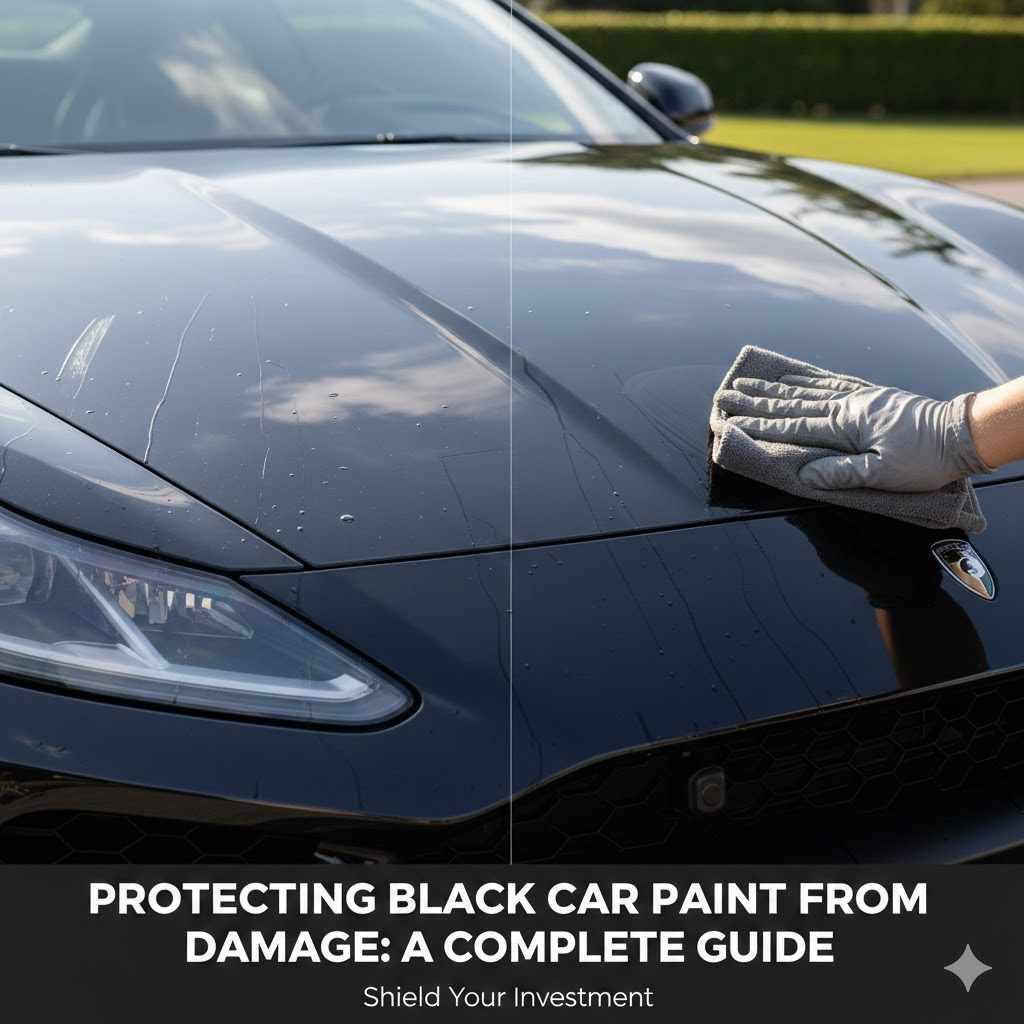
Protecting Black Car Paint From Damage: A Complete Guide
Owning a black car is awesome, but keeping it looking great can be tough! How to Protect Black Car Paint From Scratches is a common challenge because scratches show up easily on dark colors. Don’t worry, it’s totally manageable. This guide will show you simple steps to protect your car’s paint, so it stays sleek and shiny. We’ll explore everything you need to know, making it easy to keep your black car looking its best. Let’s get started!
Understanding Black Car Paint and Its Vulnerabilities
Black car paint looks fantastic, but it’s like a diva – high-maintenance! It shows every little imperfection, from swirls to scratches. This is because black absorbs light, making any damage stand out. The way black paint is made also plays a role. It often contains additives to achieve that deep, rich look, but these can sometimes make the paint a bit softer. This section will explore the science behind black paint and why it’s so sensitive to scratches, and how various conditions affect the car’s paint.
The Composition of Black Car Paint
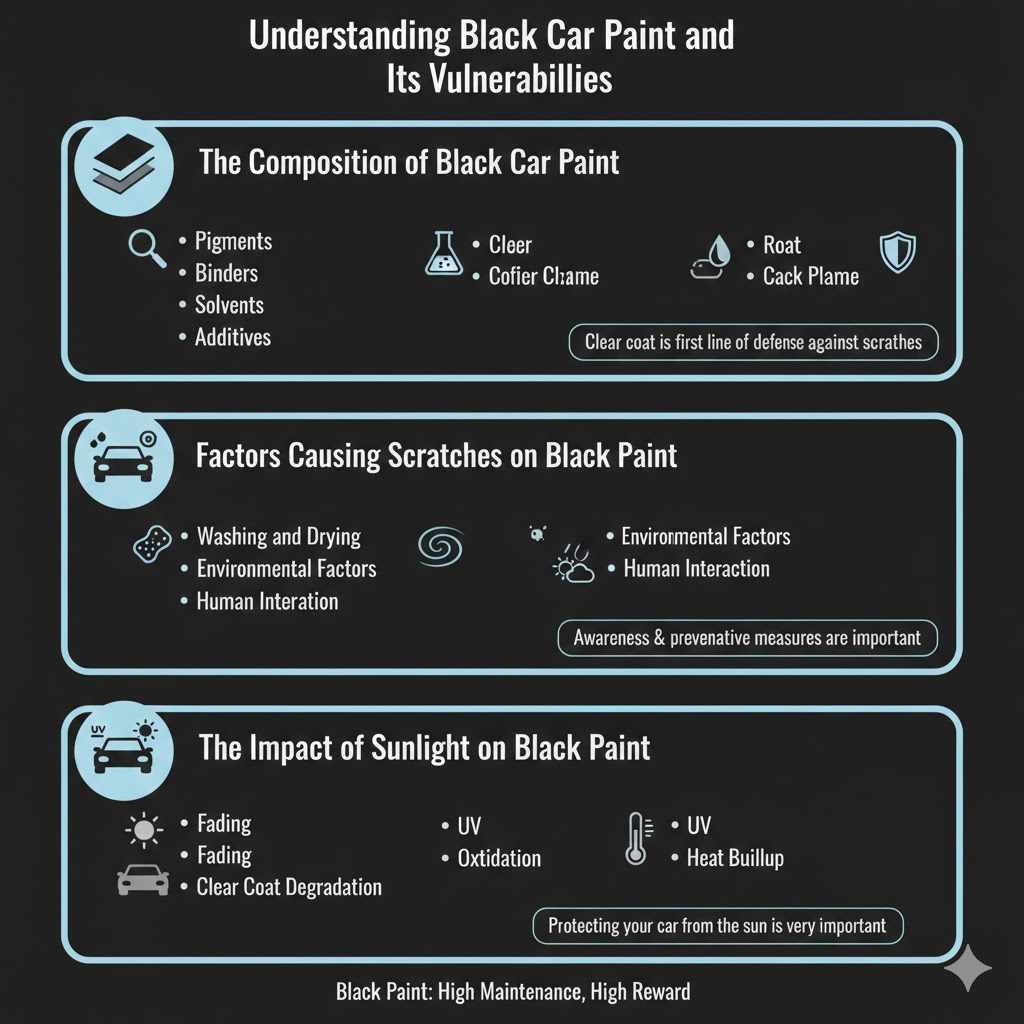
Car paint is made of several layers. There’s a primer, which helps the paint stick to the metal. Then comes the base coat, which gives the car its color. For black, this is the layer that gives the car its deep, dark hue. Finally, there’s a clear coat, a transparent layer that protects the color and gives the car its shine. The clear coat is the first line of defense against scratches. The pigment in black paint is designed to absorb light, which is why imperfections are so visible. In addition, the composition of the clear coat itself will impact its ability to resist scratching. Some clear coats are harder and more scratch-resistant than others, and the quality of paint used impacts these factors as well.
- Pigments: These tiny particles give the paint its color. Black car paint uses pigments that absorb light, making the car appear black.
- Binders: These are the glue that holds everything together. They keep the pigments and other additives in place on the car’s surface.
- Solvents: These help the paint flow and apply smoothly. They evaporate as the paint dries, leaving behind the colored coating.
- Additives: These can include materials that make the paint more durable or shiny. They can also affect how the paint handles UV rays.
Factors Causing Scratches on Black Paint
Many things can scratch black car paint. Everyday use, like washing your car, can cause swirl marks if not done carefully. Tree branches, road debris, and even the weather can also damage the paint. The way you park your car, where you drive, and how you clean it play a huge role in the paint’s lifespan. Some scratches come from outside sources like other cars, rocks, or anything else that comes in contact with the car’s surface. A combination of these factors can lead to an accumulation of scratches, which can diminish the appearance of your vehicle. That’s why awareness and preventative measures are so important.
- Washing and Drying: Using the wrong techniques can cause swirl marks. This happens when dirt is rubbed against the paint.
- Road Debris: Rocks, gravel, and other debris kicked up by tires can hit your car and scratch the paint.
- Environmental Factors: UV rays can fade the paint over time, making it less resilient. Acid rain can also damage it.
- Human Interaction: Keys, rings, or even fingernails can easily scratch the surface of your black car if you are not careful.
The Impact of Sunlight on Black Paint
Sunlight, or more accurately, the UV rays in sunlight, has a significant impact on black car paint. UV rays can fade and degrade the paint, making it less shiny and more prone to scratches. This process is called oxidation. Black paint, due to its deep color, absorbs more sunlight, making it more vulnerable to UV damage. The longer your car is exposed to the sun, the greater the risk of fading and damage. UV rays cause the paint molecules to break down over time. Over time, the clear coat, which protects the color, can become thin and less effective. That’s why protecting your car from the sun is very important.
- Fading: UV rays cause the color to fade, making the car look less vibrant.
- Oxidation: This is the breakdown of the paint’s surface. It makes the paint look dull.
- Clear Coat Degradation: The clear coat protects the color, but UV rays can damage it over time.
- Heat Buildup: Black cars absorb more heat, which can accelerate the damage from UV rays.
Preventive Measures: Keeping Your Black Paint Safe
Stopping scratches before they happen is the best approach. There are several things you can do to protect your black car paint. This section focuses on the simple, effective ways to reduce the risk of scratches, from where you park to how you wash your car. Taking these steps can make a big difference in the car’s appearance. It’s about being proactive and making small changes to safeguard the paint. Prevention is better than a cure, especially when it comes to keeping your black car looking its best.
Safe Washing Techniques
Washing your car might seem straightforward, but how you do it makes a big difference. Using the wrong techniques can cause swirl marks and scratches. Here is the process for washing your car safely, from pre-rinsing to drying. The goal is to remove dirt and grime without damaging the paint. It all starts with the right equipment and methods.
- Pre-Rinse: Before you start, rinse the car thoroughly with water to remove loose dirt and debris. This step prevents you from rubbing dirt into the paint.
- Two-Bucket Method: This is key. Use two buckets: one with soapy water and one with clean water. Dip your wash mitt in the soapy water, wash a section of the car, then rinse the mitt in the clean water before dipping it back into the soap bucket. This prevents dirt from going back onto the car.
- Wash Mitts: Use a soft microfiber wash mitt. Microfiber is gentle and traps dirt, reducing the chance of scratches.
- Drying: Dry your car with a clean microfiber towel. Avoid using dirty towels or cloths, as they can scratch the paint. Pat the car dry instead of rubbing.
Parking Smartly
Where you park your car can affect its paint job. Choosing the right spot can reduce the risk of scratches and other damage. Parking in a garage is ideal, but if you don’t have one, there are other strategies to protect your car. Smart parking means being aware of your surroundings and taking steps to keep your car safe from hazards.
- Garage Parking: The best protection is a garage. It shields your car from the sun, weather, and other potential dangers.
- Shady Spots: If a garage isn’t available, park in the shade. This helps protect the paint from UV rays.
- Avoid High-Traffic Areas: Try to avoid parking in areas where people might brush against your car or where there’s a lot of potential for damage.
- Consider the Surroundings: Watch out for trees with overhanging branches, which can scratch the paint. Also, be mindful of where other cars are parked.
Regular Waxing and Sealants
Waxing and using sealants are essential for protecting black car paint. These products create a protective layer on the car’s surface. This layer helps repel water, dirt, and UV rays, keeping the paint in good shape. Regular application is key. Think of it as putting a shield on your car. Waxing and sealing are not just about looks. They’re about providing a barrier that helps keep your car’s paint safe. A layer of wax or sealant can make a huge difference in the longevity of the paint.
- Waxing: Wax adds a layer of protection that repels water and provides a barrier against dirt and UV rays.
- Sealants: Sealants are synthetic products that offer longer-lasting protection than wax.
- Frequency: Wax your car every few months. Sealants can last longer, often six months to a year.
- Application: Follow the product instructions. Proper application ensures the best protection.
Repairing Existing Scratches: A Step-by-Step Guide
Even with the best care, scratches can happen. It’s important to know how to fix them. The process for repairing scratches depends on their severity. This section explores different methods for fixing scratches, from minor surface scratches to deeper damage. It’s about knowing how to assess the damage and choose the right approach to restore your car’s paint.
Identifying the Scratch Type
Before you start, figure out how deep the scratch is. There are different types of scratches, and they each need a different repair method. This assessment helps you select the right solution. You don’t want to use an aggressive method on a light scratch or a simple solution on something that needs a more in-depth repair. Correctly identifying the scratch determines the approach.
- Surface Scratches: These scratches are only in the clear coat. They are usually light and can often be fixed with polishing.
- Clear Coat Scratches: These go through the clear coat but don’t reach the base coat. They might be fixed with a scratch repair kit.
- Base Coat Scratches: These scratches go through the clear coat and reach the color coat. This type of damage needs more effort to fix.
- Deep Scratches: These scratches go all the way to the metal. You’ll need to prime, paint, and clear coat these.
Repairing Minor Scratches
Minor scratches are the easiest to fix. These are typically surface scratches that affect only the clear coat. The methods described here are often sufficient. The key is to address the issue before it gets worse. By using these approaches, you can restore your car’s look and maintain its value. These methods are designed to be safe and effective, ensuring a smooth and protected finish.
- Wash and Dry the Area: Always start by cleaning the area around the scratch with soap and water, then dry it thoroughly.
- Use a Scratch Removal Kit: These kits usually come with a polishing compound and a microfiber cloth. Follow the instructions on the kit.
- Apply the Compound: Apply the polishing compound to the scratch and rub it gently, using a circular motion.
- Buff with a Microfiber Cloth: After polishing, buff the area with a clean microfiber cloth to restore shine.
Fixing Deeper Scratches
For deeper scratches, you will need a more involved process. This method requires more time and effort. It is important to know the steps to restore your car’s paint. This guide provides information for fixing scratches that have gone through the clear coat and sometimes the base coat. This usually includes priming, painting, and applying a clear coat for a great finish.
- Clean the area: Wash and dry the damaged area and the space around it.
- Sand the scratch: Use fine-grit sandpaper to smooth the edges of the scratch, carefully sanding the damaged surface.
- Apply Primer: Use a fine-tipped brush or pen to carefully apply a thin layer of primer to the sanded area.
- Apply Paint: When the primer has dried, use a paint pen or a small brush to paint the scratch.
- Apply Clear Coat: Once the paint is dry, apply a clear coat to protect the paint.
Choosing the Right Products and Tools
Using the right products and tools is essential for protecting and repairing your car’s paint. This section explores what to look for when buying products and tools. From choosing the correct wash soap to the right type of buffer, having the right gear is important. Selecting these products based on the quality can ensure the proper care and treatment of your car’s paint.
Selecting Car Washing Products
The right car wash products are essential for keeping your black car clean and safe from scratches. Some products can contain harsh chemicals. Choose products that are specifically designed for car paint. These products will keep your car looking great. The goal is to use products that are safe for your paint and effective at removing dirt and grime.
- Car Wash Soap: Choose a pH-neutral car wash soap. This is gentle on the paint.
- Microfiber Towels: Use microfiber towels for washing and drying. They are soft and reduce the risk of scratches.
- Wheel Cleaner: Use a separate wheel cleaner that is safe for your wheels.
- Bug and Tar Remover: Use a bug and tar remover to safely remove tough spots.
Picking the Right Protective Coatings
Protective coatings are important for protecting your car’s paint. Coatings are designed to protect the paint from the elements. There are different types of coatings available, from wax to ceramic coatings. They offer long-term protection, making your car shine and easier to clean. Knowing what they offer helps to choose the best option for your car.
- Wax: Wax provides a layer of protection that lasts a few months. It’s easy to apply.
- Sealants: Sealants are synthetic products that offer longer-lasting protection.
- Ceramic Coatings: Ceramic coatings offer durable protection and are designed to last for years.
- Application Tools: Proper application tools, like microfiber applicators, are essential for applying these coatings.
Tools for Scratch Repair
You’ll need the right tools if you want to fix scratches yourself. You’ll need items for cleaning, sanding, and polishing. There are different tools to choose from. This section looks at the essentials for scratch repair. These tools will help you remove scratches and restore your car’s paint. Having the proper equipment can make the job easier and more effective.
- Microfiber Cloths: Essential for cleaning, polishing, and drying.
- Polishing Compound: Used to remove minor scratches and swirl marks.
- Sandpaper: Use fine-grit sandpaper for sanding down scratches.
- Applicators: Use foam applicators for applying wax or sealant.
- Buffer: This tool will help with polishing large areas.

Frequently Asked Questions
Question: How often should I wash my black car?
Answer: Wash your black car every one to two weeks, or more often if it’s exposed to dirt or weather.
Question: Can I use dish soap to wash my car?
Answer: No, dish soap is too harsh and can strip away the protective wax from your car’s paint.
Question: How long does a ceramic coating last?
Answer: Ceramic coatings can last for several years with proper care and maintenance.
Question: What’s the best way to dry my car?
Answer: Use a clean microfiber drying towel. Pat the car dry instead of rubbing.
Question: Should I wax my car before applying a sealant?
Answer: No, sealants are designed to bond directly with the paint. Waxing first will prevent this.
Final Thoughts
Keeping a black car scratch-free might seem challenging, but with the right approach, it’s totally achievable. We’ve explored the secrets of black paint, the common causes of scratches, and the easy steps you can take to keep your car looking amazing. From simple washing techniques to the importance of parking your car in a safe spot, every small step makes a difference.
Remember, the best strategy involves a mix of prevention and knowing how to fix minor issues quickly. This will keep your black car looking great for years. Now you’re equipped to protect your car. Get out there, give your car some love, and enjoy the shine!