Proven Guide: Remove Tire Marks Effortlessly
Remove tire marks from your car easily with simple household cleaners and a bit of elbow grease. This guide breaks down the safest and most effective ways, saving you time and money.
Seeing those black streaks on your car’s paint can be frustrating. Tire marks often appear after a close encounter with a curb, a parking lot mishap, or even a playful skid. But don’t worry! Getting rid of them on your car’s paint is usually a straightforward process that most car owners can tackle themselves. This guide will walk you through it, step by step, so you can restore your car’s clean look without a fuss.
Why Do Tire Marks Happen?
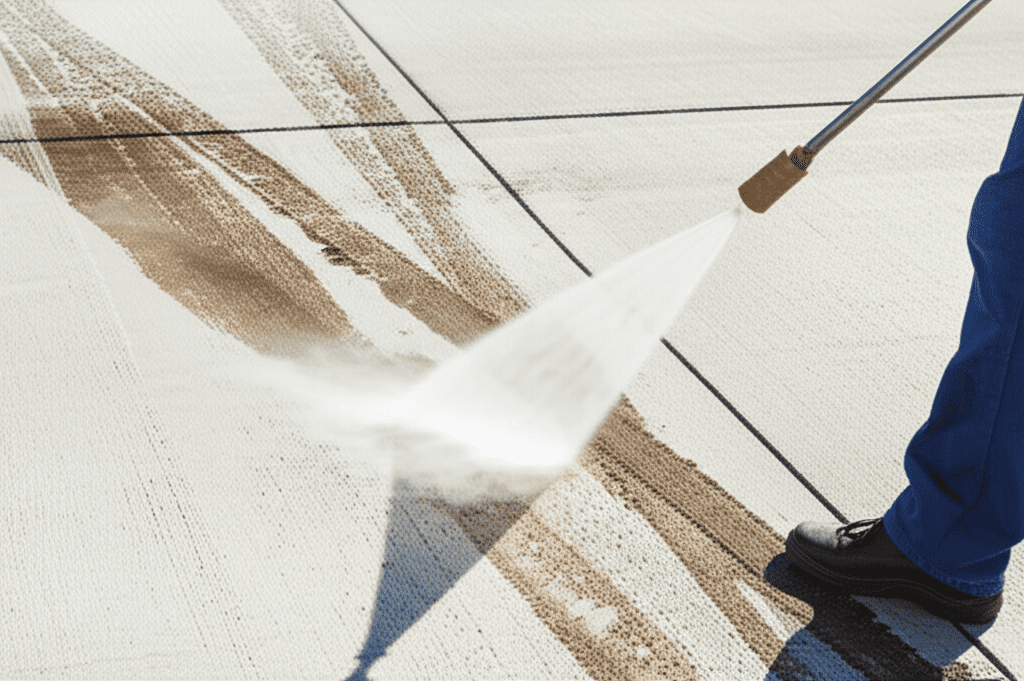
Tire marks, also known as “hot tire pickup,” usually occur when rubber from a tire is transferred onto a surface. This can happen in a few ways that are quite common for drivers:
- Sharp Turns or Parking: When you turn your steering wheel sharply while the car is stationary or moving slowly, the tire can sometimes scuff against the curb or even the fender, leaving a mark.
- Skidding or Sliding: In situations where tires lose traction, like sudden braking or driving on slippery surfaces, they can drag along the pavement or other objects, depositing rubber.
- Accidental Contact: Sometimes, it’s as simple as misjudging a parking space and brushing up against a tire of another vehicle or a concrete barrier.
- Road Debris: Occasionally, debris on the road can cause a temporary transfer of rubber onto your car’s paint if your tires hit it at just the wrong angle.
What You’ll Need: Your Tire Mark Removal Toolkit
Before you start, gather these common items. Having everything ready makes the cleaning process smooth and efficient. You probably have most of these already!
Essential Cleaning Supplies:
- Two Buckets (one for soapy water, one for rinsing)
- Mild Car Wash Soap
- Microfiber Wash Mitt or Soft Sponge
- Several Clean Microfiber Towels
- Spray Bottle
- Warm Water
For Stubborn Marks (Choose ONE Or TWO that best suits your situation):
- All-Purpose Cleaner (APC): Look for one specifically designed for automotive use to ensure it’s safe for paintwork.
- Clay Bar Kit: This is excellent for removing embedded contaminants that washing alone can’t touch. You’ll also need a lubricant spray that often comes with the kit.
- Bug and Tar Remover: These are formulated to break down sticky, tough residues.
- Rubbing Alcohol (Isopropyl Alcohol): Diluted, this can be effective but use with extreme caution as it can strip waxes.
- Glass Cleaner: Sometimes, a good glass cleaner can surprise you with its gentle effectiveness on paint.
Step-by-Step Guide: How to Remove Tire Marks from Car Paint
Let’s get those tire marks off your car safely and effectively. Follow these steps, and you’ll have your car looking pristine again in no time.
Step 1: Basic Wash and Rinse
This is always the first step, no matter how tough the mark. It removes loose dirt and debris, preventing scratches and giving us a clean surface to work on.
- Prepare Your Wash Buckets: Fill one bucket with warm water and add the recommended amount of car wash soap according to the product label. Fill the second bucket with plain, clean water for rinsing your wash mitt.
- Rinse the Car: Use a hose to gently rinse the affected area of your car. This removes any loose dirt or grit that could scratch the paint during washing.
- Wash the Car: Dip your microfiber wash mitt or soft sponge into the soapy water. Gently wash the entire car, starting from the top and working your way down. Pay extra attention to the areas with tire marks, but avoid aggressive scrubbing at this stage.
- Rinse the Mitt: After washing a section, thoroughly rinse your wash mitt in the plain water bucket before dipping it back into the soapy water. This prevents you from spreading dirt and scratching the paint.
- Final Rinse: Once the car is washed, rinse it thoroughly with clean water, ensuring all soap residue is removed.
Step 2: Assess the Tire Marks
After the initial wash, take a good look at the tire marks. Are they faint surface scuffs, or do they look like rubber has bonded to the paint? The severity of the mark will determine the best cleaning method.
- Surface Scuffs: These are usually easier to remove and might come off with a good wash or a simple cleaner.
- Embedded Rubber: These marks look like black streaks or patches that are stuck onto the paint. They might require a bit more effort and a specialized cleaner.
Step 3: Tackle the Marks with Gentle Cleaners
Start with the mildest method possible. This protects your car’s paint and clear coat.
Method A: Using All-Purpose Cleaner (APC) or Bug & Tar Remover
These products are designed to break down sticky residues.
- Spray the Cleaner: Lightly spray the automotive APC or bug and tar remover directly onto the tire mark. Let it sit for 30-60 seconds to allow it to start breaking down the rubber. Avoid letting the cleaner dry on the paint.
- Gently Agitate: Take a clean microfiber towel and lay it over the treated area. Gently rub the towel back and forth or in a circular motion. You should feel the rubber starting to lift. You can also use a clean, damp microfiber wash mitt for this.
- Wipe Away: Use a clean section of the microfiber towel to wipe away the loosened tire mark residue.
- Rinse: Spray the area with water or use a damp cloth to rinse away any cleaner residue.
- Inspect and Repeat: Check the area. If the mark is gone, you’re done with this step. If it’s still there, repeat the process. For very stubborn marks, you might need to try a different product.
Method B: Using Rubbing Alcohol (Isopropyl Alcohol)
This is potent and should be used sparingly and diluted.
- Dilute the Alcohol: Mix rubbing alcohol with distilled water in a spray bottle. A common ratio is 1 part alcohol to 3 parts water. Always test this mixture on an inconspicuous area of your car first to ensure it doesn’t harm the paint. Do not use undiluted alcohol on paint.
- Apply to a Towel: Instead of spraying directly, lightly spray the diluted alcohol mixture onto a clean microfiber towel.
- Gently Rub: Carefully rub the tire mark with the damp towel. Work in small sections. The alcohol helps to dissolve the rubber.
- Wipe Clean: Use a separate clean, dry microfiber towel to wipe away the dissolved rubber and any alcohol residue.
- Rinse Immediately: It’s crucial to rinse the area thoroughly with water or a damp microfiber towel right after using alcohol to remove all traces of the cleaner from the paint.
- Follow Up Wash: Wash the area again with car soap and water to ensure all chemical residue is gone.
Step 4: Using a Clay Bar for Embedded Marks
If simpler methods don’t work, a clay bar is designed to physically remove contaminants from your paint.
- Prepare the Surface: Ensure the car is clean and dry. Spray the affected area and the clay bar with the lubricant spray generously. The lubricant is essential to prevent the clay from dragging and scratching. You can find lubrication spray as part of most clay bar kits, or sometimes a quick detailer spray can work, though dedicated clay lubricant is best.
- Gently Glide the Clay: Take the clay bar and gently glide it over the lubricated tire mark in a back-and-forth motion, without applying much pressure. You should feel the clay grabbing and lifting the rubber residue.
- Clean the Clay Bar: As the clay picks up dirt and rubber, it will get dirty. Fold the clay over to expose a clean surface, or if it becomes too contaminated, discard it and use a fresh piece. Never drop a clay bar on the ground; if you do, throw it away.
- Wipe and Inspect: After gliding the clay over the mark, wipe the area with a clean microfiber towel. Inspect the surface for any remaining tire marks.
- Repeat as Needed: You may need to repeat the claying process a few times for stubborn marks.
- Follow Up: Once the tire marks are gone, wipe the area clean with a fresh microfiber towel. Since claying can sometimes remove wax or sealant, it’s a good idea to reapply wax to the area if you plan to do a full detail soon.
Step 5: Final Rinse and Drying
Once the tire marks are removed using your chosen method, it’s time for a final clean-up to ensure no residue is left behind.
- Rinse the Area: Thoroughly rinse the treated area with water to remove any leftover cleaning product or loosened dirt.
- Dry the Car: Use a clean, dry microfiber towel to gently dry the car’s surface. Pat or blot the water rather than rubbing firmly to help prevent water spots and ensure a scratch-free finish.
- Inspect: Give the area a final look to make sure the tire marks are completely gone and the paint is smooth and clean.
Table: Choosing the Right Cleaner for Tire Marks
Here’s a quick reference to help you decide which cleaning approach to use based on the tire mark’s appearance.
| Tire Mark Appearance | Recommended Cleaner/Method | Cautionary Notes |
|---|---|---|
| Light Surface Scuff | Mild Car Wash Soap, Glass Cleaner | Start with washing. If that doesn’t work, try glass cleaner. |
| Moderate Black Streaks | Automotive All-Purpose Cleaner (APC), Bug & Tar Remover | Test on an inconspicuous area first. Do not let cleaners dry on paint. |
| Stubborn, Embedded Rubber | Clay Bar Kit (with lubricant) | Always use plenty of lubricant. Discard clay if dropped. |
| Very Tough or Old Marks | Diluted Rubbing Alcohol (1:3 ratio with water), followed by thorough rinsing and re-washing. | Use as a last resort. Always dilute and test first. Rinse immediately and thoroughly. Can strip wax/sealant. |
Tips for Preventing Future Tire Marks
Prevention is always better than cure! Here are some tips to help you avoid those frustrating marks in the future:
- Mind Your Parking: When parking near curbs, try not to get too close. Many modern cars have parking sensors that can help.
- Slow Down on Turns: Especially when navigating tight corners or parking spots, taking it slow can prevent tires from scraping against obstacles.
- Be Wary of Road Debris: If you see something unusual on the road, try to steer clear of it if it’s safe to do so.
- Regular Washing: Keeping your car clean can make it easier to spot potential issues before they become serious problems.
Frequently Asked Questions (FAQ)
Q1: Will washing my car with soap and water remove tire marks?
For very light scuffs, a good wash with car soap and a microfiber mitt might be enough. However, for most tire marks, you’ll likely need a more specialized automotive cleaner or a clay bar after the initial wash.
Q2: Is rubbing alcohol safe to use on car paint?
Rubbing alcohol (isopropyl alcohol) can be used, but it must be diluted with water (e.g., 1 part alcohol to 3 parts water) and tested on an inconspicuous area first. It can strip wax or sealant from your paint, so always follow up with a thorough rinse and consider reapplying wax to the cleaned area.
Q3: How often should I clay bar my car?
A clay bar treatment is generally recommended every 6-12 months, depending on your driving conditions and environment. If you frequently drive on dusty roads or encounter a lot of contaminants, you might benefit from claying more often. It’s a great way to decontaminate paint before waxing or sealing.
Q4: Can I use household cleaners like Windex on tire marks?
Some glass cleaners, like Windex, can be surprisingly effective on light tire marks because they contain mild solvents. However, it’s always best to use products specifically designed for automotive paint. If you try a household cleaner, test it in a small, hidden area first and rinse thoroughly afterward.
Q5: What if the tire mark is near a decal or sticker?
Be very careful around decals or stickers. Use the gentlest method possible, like a mild soap and water wash. If you need to use a cleaner, spray it onto your microfiber towel first, not directly onto the decal. A clay bar might be too abrasive for some decals. If you’re unsure, it’s best to consult a professional detailer.
Q6: How can I tell if a tire mark has damaged my car’s clear coat?
If the tire mark looks like it has etched into the paint or if you feel a rough or uneven surface even after cleaning, it might have damaged the clear coat. These deeper scratches may require polishing compound or professional attention to repair.
Q7: Should I wax my car after removing tire marks?
It’s a good idea to apply a coat of wax or sealant to the area you cleaned, especially if you used stronger cleaners like rubbing alcohol or a clay bar. These methods can sometimes strip away the existing protective layer of wax or sealant, leaving the paint more vulnerable. Reapplying wax provides essential protection.
Conclusion
Dealing with tire marks on your car’s paint doesn’t have to be a daunting task. By following these simple, step-by-step instructions and using the right tools and techniques, you can effectively remove those unsightly streaks and keep your car looking its best. Remember to always start with the gentlest method and work your way up if needed, always prioritizing the health of your car’s paint. With a little patience and care, you can confidently tackle this common car care issue and maintain that showroom shine. Happy detailing!