Proven Ways To Get Puke Smell Out
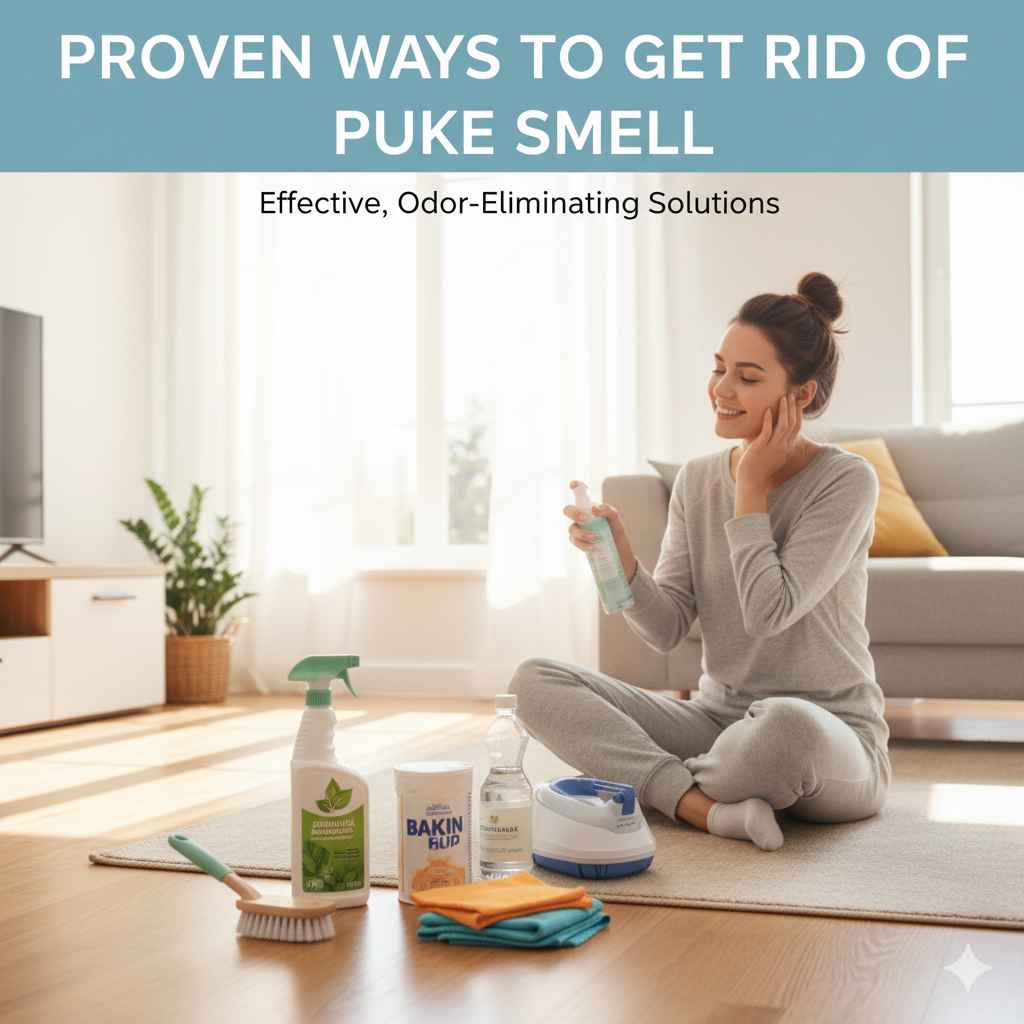
To get puke smell out of your car, act fast! Blot the mess, then use a cleaning solution made of water and white vinegar or dish soap. For stubborn smells, baking soda and enzyme cleaners are your best bet. Always test cleaners on an inconspicuous spot first and ensure good ventilation during and after cleaning.
Nobody plans for it, but sometimes, life happens in the car. A sudden bout of motion sickness can leave behind an odor that’s incredibly hard to get rid of. That strong, lingering smell not only makes your car unpleasant to be in but can also feel like a stain on your car’s cleanliness. But don’t worry! As your go-to guide for all things car-related, I’m here to tell you that getting that puke smell out is totally achievable. We’ll walk through simple, effective methods that work, turning your car back into a fresh, inviting space. Let’s get started!
Why Puke Smell is So Stubborn
The smell of vomit contains compounds that cling to surfaces and can react with them, making removal a bit tricky. These compounds are often acidic and can break down fabric fibers. They also contain bacteria and proteins that, as they decompose, release sulfurous gases – and that’s the source of that unmistakable, unpleasant odor. The longer it sits, the deeper it can penetrate into upholstery, carpets, and even air vents.
Understanding this is the first step to defeating the smell. We’re not just masking it; we’re breaking down the source of the odor so it doesn’t come back. And the good news is, you probably have most of what you need right in your home!
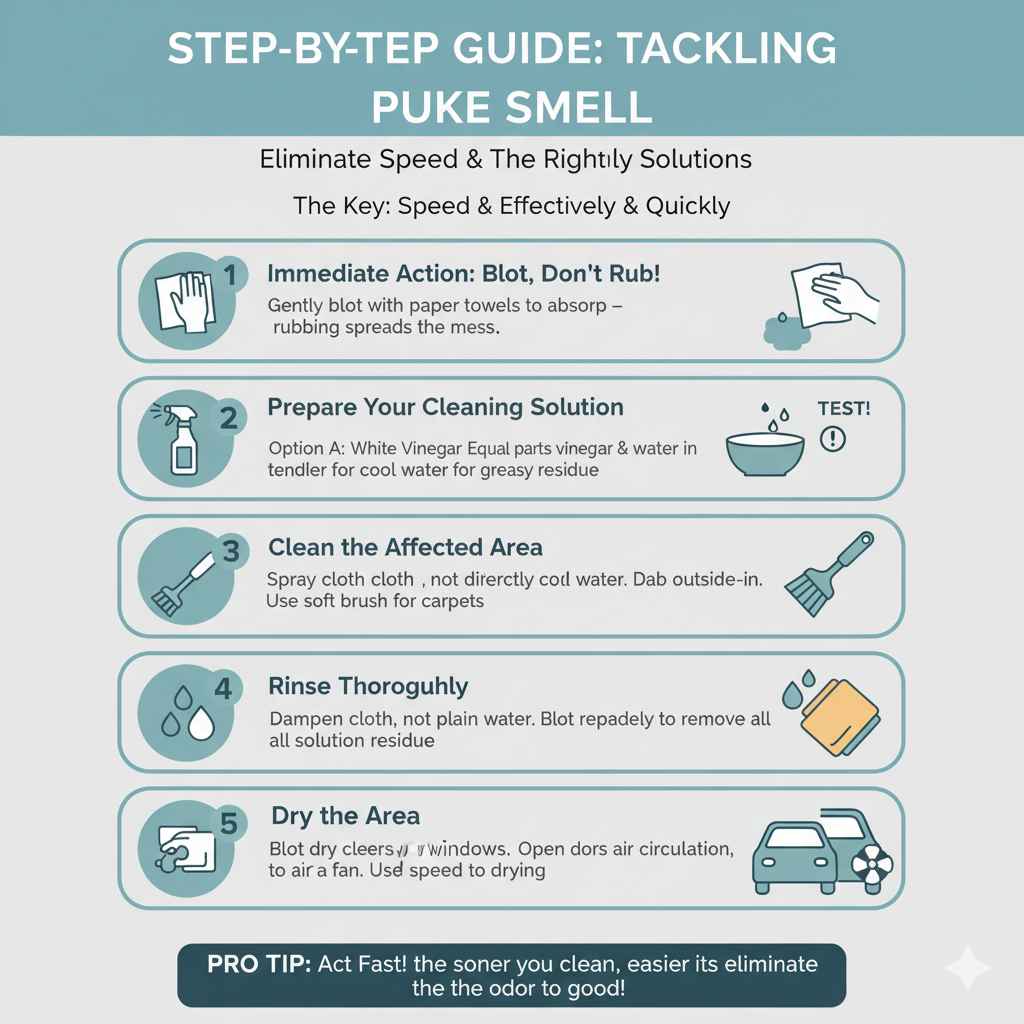
Step-by-Step Guide: Tackling the Puke Smell
The key to success is speed and using the right cleaning agents. The sooner you can address the mess, the easier it will be to eliminate the odor.
Step 1: Immediate Action – Blot, Don’t Rub!
As soon as the incident happens, grab paper towels or a clean, absorbent cloth and gently blot up as much of the mess as possible. It’s crucial to blot because rubbing can push the substance deeper into the fabric and spread the stain and smell.
Step 2: Prepare Your Cleaning Solution
You have a few effective options here. Always test any cleaning solution on a small, hidden area of your car’s interior first to make sure it doesn’t discolor or damage the material.
Option A: The White Vinegar Solution (Your Go-To First Line of Defense)
White vinegar is a fantastic natural deodorizer. Its acidity can help neutralize the alkaline compounds in vomit.
- Mix equal parts white vinegar and cool water in a spray bottle.
- For example, use 1 cup of vinegar and 1 cup of water.
Option B: Mild Dish Soap Solution (For Greasier Residue)
If the vomit was particularly fatty or you want to ensure all residue is lifted, a mild dish soap can help break down oils.
- Add a few drops of mild, dye-free dish soap to a bowl of cool water.
- Stir gently to create a slightly soapy solution. Avoid making it too sudsy, as excess soap can be hard to rinse out.
Step 3: Clean the Affected Area
Now, it’s time to apply your chosen solution.
- Lightly spray your solution onto a clean cloth (not directly onto the upholstery, to avoid over-saturating).
- Gently dab the affected area, working from the outside of the stain inward to prevent spreading.
- Continue blotting gently until you’ve lifted as much residue as possible.
- For cloth or carpeted surfaces, you might need to use a scrub brush with soft bristles if the solution isn’t lifting properly, but remember to be gentle.
Step 4: Rinse Thoroughly
It’s important to remove the cleaning solution residue to prevent attracting more dirt later.
- Dampen a clean cloth with plain cool water.
- Gently blot the area you just cleaned to rinse away the vinegar or soap solution.
- Repeat this rinsing step a couple of times to ensure all cleaning agents are removed.
Step 5: Dry the Area
Moisture can lead to mold and mildew, which brings its own set of odor problems.
- Use dry, clean towels to blot the area and absorb as much moisture as possible.
- If possible, open your car doors and windows to allow for good air circulation and natural drying.
- A fan can also help speed up the drying process.
When the Smell Lingers: Advanced Deodorizing Techniques
Sometimes, even after thorough cleaning, a faint odor might persist. This is where more potent deodorizers come into play. These are excellent for tackling the smells that have had a little more time to set in, or for those particularly persistent odors.
Baking Soda: The Odor Absorber
Baking soda is a miracle worker when it comes to absorbing odors. It’s non-toxic and safe for most car interiors.
- Ensure the cleaned area is completely dry.
- Generously sprinkle baking soda over the affected area (and surrounding spots just in case).
- Let it sit for at least a few hours, or preferably overnight. The longer it sits, the more odor it will absorb.
- After waiting, vacuum up the baking soda thoroughly. Make sure to get every last grain!
Enzyme Cleaners: Biotechnology to the Rescue
Enzyme cleaners are specifically designed to break down organic matter, like vomit. They contain live enzymes that literally eat away at the odor-causing molecules. These are incredibly effective for organic stains and smells.
- Look for an enzyme cleaner specifically designed for pet stains or upholstery. Many of these are safe for human organic matter too.
- Always follow the product’s instructions carefully.
- Typically, you’ll spray the cleaner onto the affected area, let it dwell for a specified time to allow the enzymes to work, and then blot or vacuum it up.
- Ensure the area remains slightly damp during the enzyme action as per the product instructions; this is how the enzymes thrive.
- Good ventilation is important when using these products.
You can find effective enzyme cleaners at most pet stores or online retailers. A popular type is a biological odor eliminator, which works by breaking down organic waste at a molecular level.
Activated Charcoal Bags: Passive Odor Absorption
For continuous, passive odor absorption, activated charcoal bags are a great option. You can place them in your car and forget about them. They work by adsorbing odor molecules from the air.
- Simply place the bags in the affected area or around your car.
- Most charcoal bags can be “recharged” by placing them in sunlight every few months, which extends their life.
Specific Surfaces, Specific Solutions
Car interiors are made of various materials, and some require special care.
How to Get Puke Smell Out of Car Seat Straps
Seat belts can be tricky because they’re made of nylon webbing and roll up into a mechanism. Over-wetting them is a bad idea.
- When the incident happens, extend the seat belt about halfway and try to blot up any visible residue.
- Mix a solution of equal parts water and white vinegar in a spray bottle.
- Lightly mist a clean cloth with the solution (do NOT spray directly onto the belt).
- Gently wipe down the exposed section of the seat belt.
- Use a separate cloth dampened with plain water to wipe away the vinegar solution.
- Let the seat belt air dry completely. It’s best to leave the car door open if possible.
- If the smell lingers, you can try lightly sprinkling baking soda on the dry strap, letting it sit for a few hours, and then brushing it off. Be sure to vacuum up any residual powder.
Getting Puke Smell Out of Carpets and Floor Mats
Car carpets and floor mats can absorb a lot, so they require thorough treatment.
- Start with the blotting and cleaning solution steps mentioned earlier.
- For deeper cleaning, consider using a carpet cleaner from an auto parts store, following the instructions precisely.
- If you have a wet/dry vacuum, you can use it to extract excess moisture and cleaning solution after cleaning, which helps prevent lingering dampness and smells.
- For stubborn odors on floor mats, especially if they’re synthetic, you can try airing them out in direct sunlight for a day, as UV rays can help kill bacteria and neutralize odors.
Upholstery and Leather Seats
The approach for upholstery will be similar to carpets, but always be mindful of the fabric type.
- For cloth upholstery, the vinegar and water, or baking soda methods are usually very effective.
- For leather seats, it’s best to use a cleaner specifically designed for leather. Most leather cleaners have gentle degreasing properties that can help lift residue without damaging the material.
- After cleaning and rinsing, use a leather conditioner to rehydrate the seats and prevent drying or cracking. A light application of vinegar solution followed by a thorough wipe-down with a damp cloth is often safe for leather, but always test first.
Important Considerations and Pro Tips
Here are a few extra tips to make your cleaning mission a success and keep your car smelling fresh.
Ventilation is Key
Always ensure your car is well-ventilated while cleaning, especially when using vinegar or enzyme cleaners. Open all the doors and windows. After cleaning and drying, leave the doors open for a while longer if possible.
Don’t Forget the Air Vents!
Sometimes, the smell can get into your car’s ventilation system. After addressing the spill, run your car’s fan on high with the windows down. You can also try spraying a little of your diluted vinegar solution into the exterior air intake vents (usually located at the base of your windshield) while the fan is running on high. Be careful not to spray directly into the engine compartment.
Professional Cleaning as a Last Resort
If you’ve tried everything and the smell stubbornly remains, it might be time to consider professional car detailing. They have specialized equipment and stronger cleaning agents that can often tackle even the most persistent odors.
Preventative Measures
To avoid this in the future, keep a small emergency kit in your car with paper towels, a small bottle of water, and maybe a small container of baking soda. For passengers prone to motion sickness, consider having them sit in the front passenger seat if possible, and ensure they have fresh air.
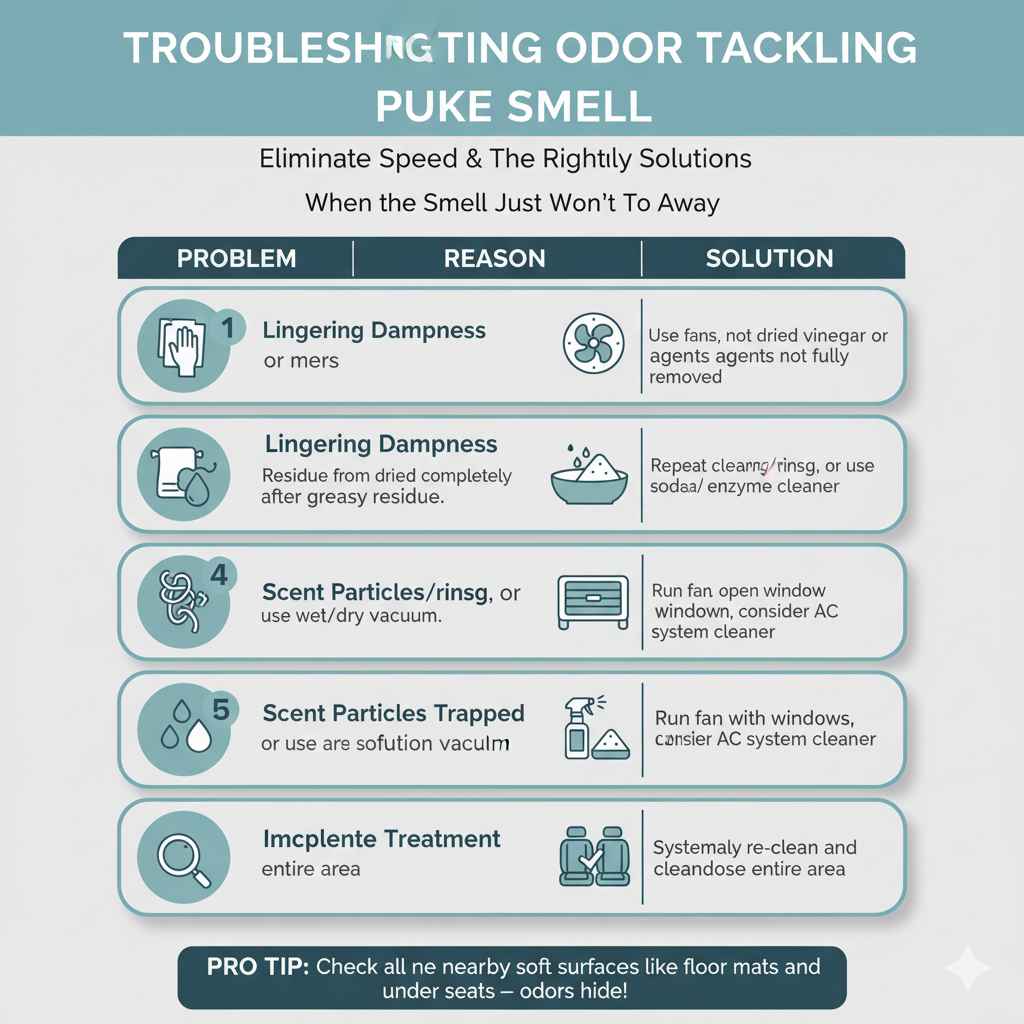
Troubleshooting Odor Persistence
Here’s a quick look at why a smell might stick around and how to fix it.
| Problem | Reason | Solution |
|---|---|---|
| Lingering Dampness | Area not dried completely after cleaning. | Use fans, open windows, or a wet/dry vacuum to ensure dryness. |
| Scent Particles Trapped | Residue from vomit or cleaning agents not fully removed. | Repeat cleaning and rinsing, or use baking soda/enzyme cleaner. |
| Odor Entered Vents | Fumes were drawn into the HVAC system. | Run fan with windows down, consider AC system cleaner. |
| Incomplete Treatment | Not all affected areas were cleaned or deodorized. | Systematically re-clean and deodorize the entire area and nearby spots. |
FAQ: Your Puke Smell Questions Answered
Here are some common questions car owners have when dealing with this yucky situation:
Q1: How quickly should I clean up vomit in my car?
The sooner, the better! Ideally, within minutes of the incident. Dried-on vomit is much harder to remove and deodorize effectively.
Q2: Can I use a regular household cleaner?
It’s best to stick to gentle, natural solutions or cleaners specifically designed for car interiors. Harsh household cleaners might damage upholstery or leave chemical residues. Always test any cleaner on a hidden spot first.
Q3: Is it safe to use bleach?
No, we strongly advise against using bleach in your car’s interior. Bleach can damage and discolor many car fabrics and plastics, and its fumes can be harmful in a confined space. Plus, mixing bleach with organic matter can produce dangerous gases. Stick to safer alternatives.
Q4: I cleaned it, but I still smell it faintly. What’s next?
This often means the odor molecules are still present. Try the baking soda method next – let it sit overnight. If that doesn’t work, an enzyme cleaner is your best bet for breaking down any remaining organic material.
Q5: Can I use air fresheners to cover the smell?
Air fresheners only mask odors temporarily and don’t get rid of the source. While they might provide a pleasant scent after cleaning, they won’t solve the underlying problem. Focus on deodorizing the source first.
Q6: How can I prevent stomach bugs from causing car cleanups?
For frequent travelers or those with children, keeping a small “emergency kit” with a plastic bag, paper towels, and a small container of baking soda or an old T-shirt can be helpful. Encouraging passengers with sensitive stomachs to get fresh air and keeping the car cool may also reduce the risk of motion sickness.
Conclusion: A Fresh Start for Your Car
Dealing with the aftermath of an unpleasant car incident doesn’t have to be a daunting or permanent problem. By following these proven methods, you can effectively tackle puke smells, leaving your car smelling fresh and clean. Remember the core principles: act fast, blot gently, use the right cleaning agents (vinegar is your friend!), rinse thoroughly, and ensure complete drying. For those tougher, lingering odors, baking soda and enzyme cleaners are your superheroes.
I’m Md Meraj, and I believe that with a little knowledge and the right approach, you can confidently handle these car care challenges. Don’t let a bad smell keep you from enjoying your drive. With these steps, your car’s interior will be a pleasant space again, ready for your next journey. Drive safe, and drive fresh!