Vinyl Wrap for Car: Custom Design Options
A quality vinyl wrap for car projects lasts 3–7 years, and the best choice depends on whether you want paint protection, advertising, or a color change. Pick the wrong film or installer, and you can end up with peeling edges, trapped bubbles, or expensive removal. This guide compares wrap materials, finishes, durability, protection, and installation options so you can ask for the right quote with clearer terms.
Vinyl wrap basics
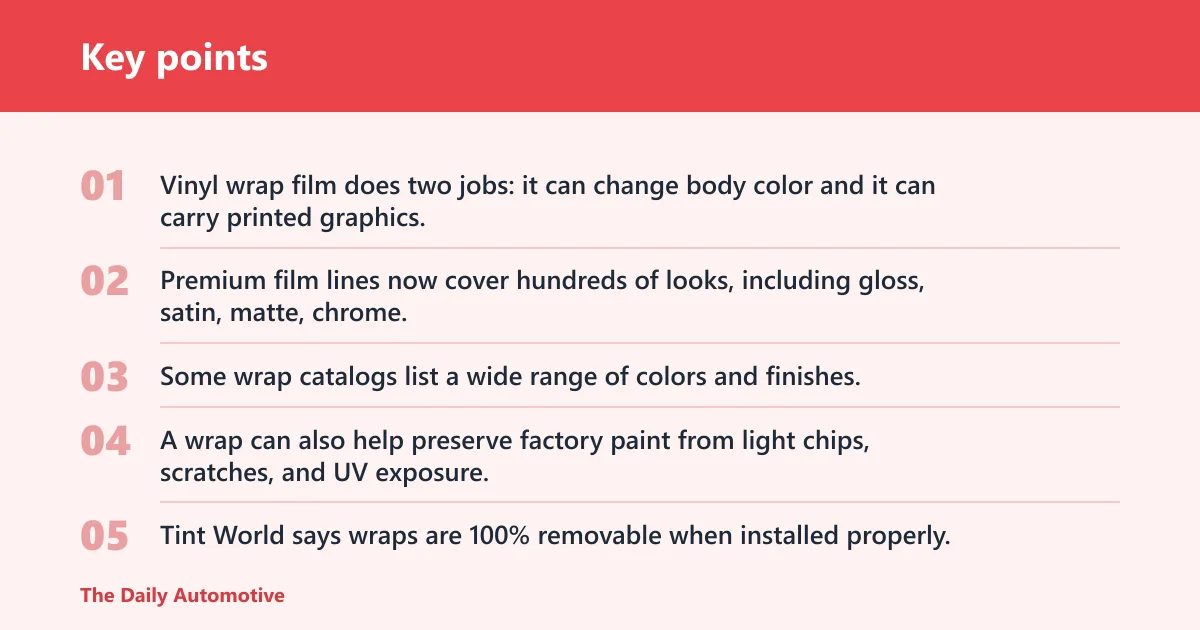

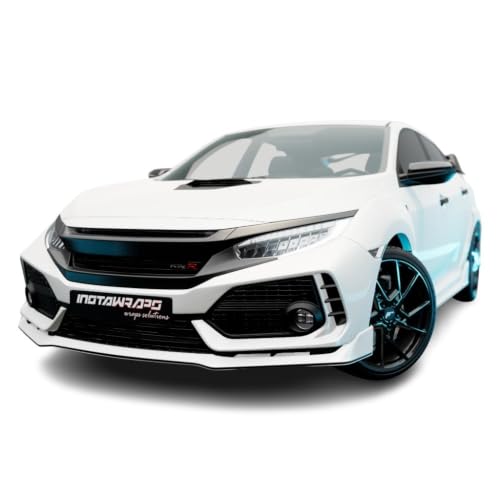

Vinyl wrap film does two jobs: it can change body color and it can carry printed graphics. Premium film lines now cover hundreds of looks, including gloss, satin, matte, chrome, metallic, and color shift. Some wrap catalogs list a wide range of colors and finishes, and some visualizers offer an even larger selection.
A wrap can also help preserve factory paint from light chips, scratches, and UV exposure, which matters for resale value when the original finish is in good condition. Tint World says wraps are 100% removable when installed properly, but removal is safest on factory paint that has not already failed, faded unevenly, or been repainted poorly.
What the film can do
Color-change film creates a new look across the body panels you cover. Printed vinyl carries artwork, gradients, logos, and lettering. Tint World lists car wrap types including color change and printed graphics, and CWS USA advertises custom vinyl wrap printing and design services.
Finish choice changes the result as much as color choice. Gloss reads closest to painted bodywork. Satin softens reflections. Matte cuts glare but often shows oils, road film, and wash marks sooner. Chrome and color-shift films stand out, but they demand better handling during design and installation.
Where wraps fit on a car
A full car wrap covers most or all painted exterior surfaces. That creates a complete color change or design change. Vehicle graphics can include smaller decals, logos, lettering, striping, and accent pieces. Those can stand alone or be combined with a full wrap concept when you want a cleaner brand look.
Failure cases show up fast. Poor paint prep can trap contamination under the film. Weak edges can lift on door seams, bumpers, and sharp body lines. If a design ignores sensors, camera housings, or tight panel gaps, the finished car can look busy or misaligned even when the film itself is good.
Full wrap vs graphics
A full wrap gives the largest visual change and the strongest unified look. Vehicle graphics are better when you want lower cost, faster turnaround, or targeted branding. Partial coverage makes sense when you want to change only the roof, hood, mirrors, lower body, or select panels without paying for every painted surface.
Best use cases for each option
Choose a full wrap when the goal is a complete rebrand, a color change, or a high-end custom design that needs panel-to-panel continuity. Choose graphics when the goal is advertising, trim accents, or a budget-conscious refresh. Choose partial coverage when the body already has a strong factory color and you want contrast rather than total replacement.
Suppose a hatchback owner wants a black roof, mirrors, and rear spoiler on a silver car. Partial coverage usually fits that goal well. A food-truck fleet, by contrast, usually benefits from bigger panel coverage and readable copy, because visibility matters more than subtle styling.
Custom printed wrap options
Custom printed wrap work is built around bespoke artwork, gradients, multicolor layouts, and brand-specific layouts. It is the better route when solid-color film cannot carry the message you want. Printed work can also be paired with solid vinyl so the result stays clean instead of crowded.
Branding and mixed builds
For business use, printed wraps can carry names, phone numbers, service lists, QR codes, and large logos. Commercial fleet wrap work extends that to multiple vehicles, turning a parked van, service truck, or delivery car into mobile advertising that stays visible all day and night.
For personal builds, printed panels can add fades, patterns, or a one-off theme. A solid base color with printed accents often costs less than a full printed design, and it usually ages better visually because the print is limited to the areas that need it most.
What affects wrap cost
Cost depends on material grade, finish choice, coverage area, body shape, print work, and labor time. Tint World says wraps can be cheaper than a comparable paint job and take less time than a paint job, but that does not mean every wrap quote should look similar. Complex shapes and custom print increase labor quickly.
Material and labor drivers
- Film quality: premium cast film usually costs more than basic film, but it is easier to position and finish cleanly on curves.
- Finish type: chrome, metallic, and color shift often require more care than standard gloss colors.
- Coverage: a full wrap costs more than partial graphics because more panels, seams, and trim edges need work.
- Vehicle shape: deep bumper recesses, sharp contours, spoilers, and complex mirrors raise labor time.
- Print complexity: custom artwork, color matching, and panel alignment add design and production time.
Common price pressure points are easy to spot. The more curves, the more edge work. The more print registration needed, the more setup time. A simple color-change job on a square-sided vehicle is easier to price than a printed concept on a modern crossover with heavy contouring.
Wrap decision matrix
This matrix compares the three common choices side by side so you can match budget, style, and use case before you buy. It also shows where each option tends to fail if the quote is too cheap or the prep is rushed.
| Criterion | Full wrap | Partial wrap | Printed graphics |
|---|---|---|---|
| Visual impact | Highest; changes the car’s overall look | Medium; contrast on selected panels | Variable; strong for branding, lighter for cosmetic change |
| Typical complexity | High | Low to medium | Medium to high |
| Repaint protection | Broad coverage on painted surfaces | Only where film is applied | Only under the graphic areas |
| Maintenance difficulty | Medium; finish-dependent | Low to medium | Low to medium |
| Removability risk | Higher if film is aged or prep is poor | Lower overall, but still prep-dependent | Higher on old graphics and weak paint |
| Brand-advertising value | High for fleets and service vehicles | Moderate | Highest for logos, lettering, and contact details |
| Best-use case | Color change, full custom concept, fleet identity | Accent styling, budget-friendly refresh | Commercial messaging, decals, striping, branded panels |
| Questions to ask an installer | How are seams, edges, and sensors handled? | Which panels get wrapped and why? | How is print matched across panels and curves? |
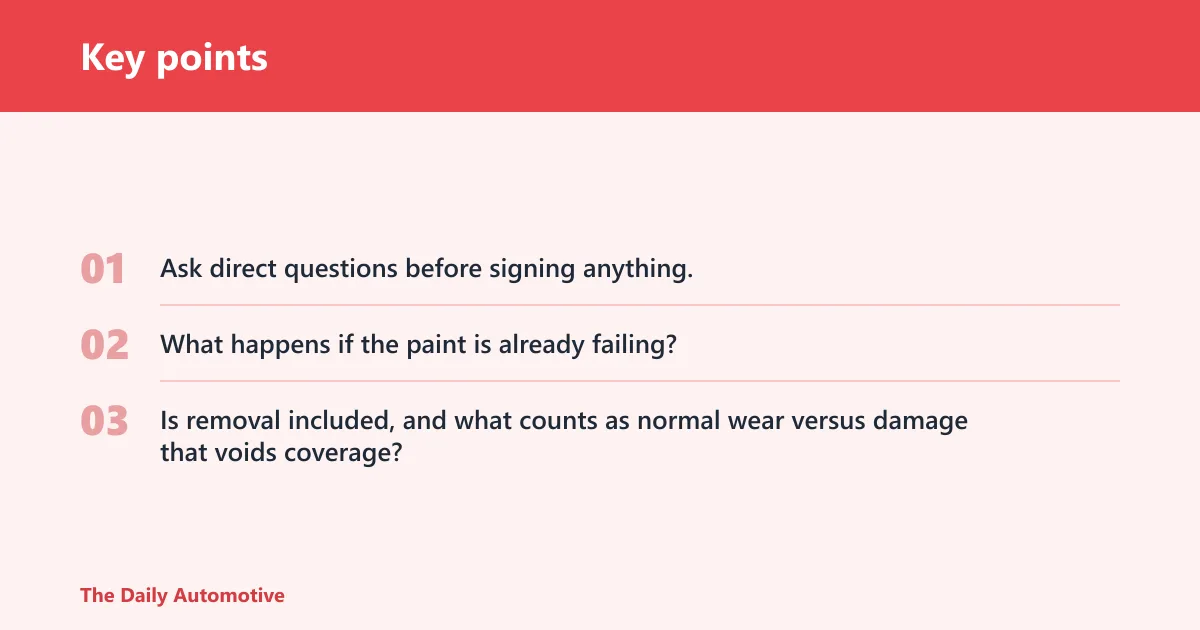
Ask direct questions before signing anything. What film brand and finish are included? Which panels are excluded? What happens if the paint is already failing? Is removal included, and what counts as normal wear versus damage that voids coverage?
Can a wrap protect factory paint?
A wrap can protect factory paint from minor chips, light scratches, UV exposure, and everyday surface wear, but it is not armor. It also supports resale value when the original finish stays intact underneath. Protection is strongest on well-prepped, undamaged factory paint and weakest on weak repaints, chips, or poor repair work.
What wraps do not protect against
Wraps do not stop parking lot impacts, deep scratches, or rock hits that break through the film. They also do not fix rust, peeling clear coat, or bad bodywork. If the underlying paint is compromised, the wrap can hide the problem for a while, then fail with it.
A common first-timer mistake is assuming a wrap replaces careful parking and washing habits. It does not. Film can reduce minor damage, but it cannot make up for abrasive brushes, harsh chemicals, or repeated contact with rough surfaces.
How long do wraps last?
Tint World says wraps typically last 5–7 years, but service life depends on sun exposure, storage, washing method, film quality, and installation quality. A garaged vehicle with careful hand washing will usually age better than one parked in direct sun and cleaned with aggressive equipment.
What shortens service life
- Strong UV exposure without shade or indoor storage
- Frequent harsh washing methods or abrasive brushes
- Cheap film with weaker adhesive or finish stability
- Poor edge sealing on bumpers, mirrors, and seams
- Contamination trapped during prep or installation
Removal risk rises as the film ages. Old vinyl can come off cleanly on healthy factory paint, but it can also leave adhesive residue or lift damaged paint on weak surfaces. Tint World says wraps are 100% removable, but that claim depends on proper installation and compatible paint condition.
Installation and care
The process should start with consultation, then design and material selection, then precision installation, then delivery and aftercare. Good installers inspect paint, discuss finish choice, and plan seam placement before the first panel is cut. That planning matters as much as the film itself.
What a careful install includes
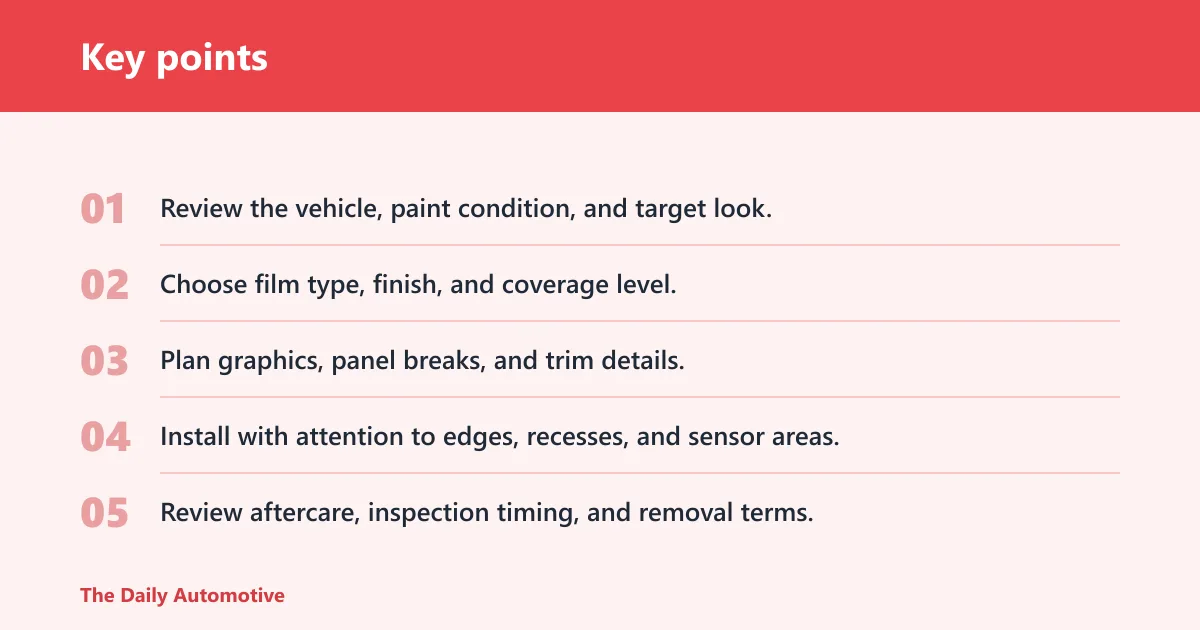
- Review the vehicle, paint condition, and target look.
- Choose film type, finish, and coverage level.
- Plan graphics, panel breaks, and trim details.
- Install with attention to edges, recesses, and sensor areas.
- Review aftercare, inspection timing, and removal terms.
WrapMotive cites 10+ years wrapping experience and 150+ happy clients. That kind of track record is worth checking against the details of the quote: film type, warranty scope, removal language, and whether the installer will explain how they handle mirrors, bumpers, badges, and body seams.
Wash method and aftercare
Tint World recommends hand washing with mild soap and water. That is the safest default for most wraps. Avoid harsh washing methods when possible, especially on matte, chrome, and color-shift finishes, which can show marks or wear patterns sooner than standard gloss films.
Keep an eye on edge lift, bubbling, and discoloration in the first weeks after install. Those are early warning signs that prep, stretch, or post-heating was not handled well. A proper installer should explain what is normal settling and what needs a return visit.
Frequently asked questions
How much does a vinyl wrap for a car cost?
Cost depends on film grade, finish, vehicle size, panel complexity, and whether the design is solid-color or printed. A simple color-change wrap is usually less expensive than a full custom print, while chrome, color shift, and multi-panel graphics add labor and material expense quickly.
How long does a car vinyl wrap last?
Tint World says wraps typically last 5–7 years. That range assumes proper installation and reasonable care. Sun exposure, weak film, harsh washing, and outdoor storage can shorten life, while indoor parking and hand washing usually help the wrap stay cleaner and last longer.
Can a vinyl wrap protect factory paint?
Yes, to a point. A wrap can guard against minor chips, scratches, and UV exposure, and it can help preserve the original finish for resale. It is not a substitute for careful driving, parking, or paint repair, and it will not stop major impact damage.
What is the difference between a full wrap and vehicle graphics?
A full wrap covers most or all painted surfaces and creates a complete look change. Vehicle graphics use smaller decals, lettering, striping, or accent panels. Full wraps suit color changes and complete branding, while graphics are better for targeted messaging and lower-budget customization.
Can a wrapped car be washed normally?
It can be washed, but hand washing is the safer choice. Tint World recommends mild soap and water. Harsh brushes, strong chemicals, and aggressive automatic washes can shorten film life, dull the finish, or lift edges, especially on matte or specialty films.
What should I ask before getting a custom car wrap?
Ask which film is being used, what finish is included, what panels are covered, and how seams and edges will be handled. Also ask about warranty scope, removal terms, paint compatibility, aftercare, and what happens if the vehicle has old paint, repainted panels, or prior body repair.
Products related to this article
Sponsored / affiliate links. As an Amazon Associate I earn from qualifying purchases. I may earn additional commission from eligible campaigns.
 3M Car Wrap Roll 2080 Gloss Flame Red | G53 | (5ft x 5ft (25 Sq/ft)) | Automotive Vinyl Wrap for Cars - Car Interior Wrap & Exterior | w/Free Instawraps Pro Glove
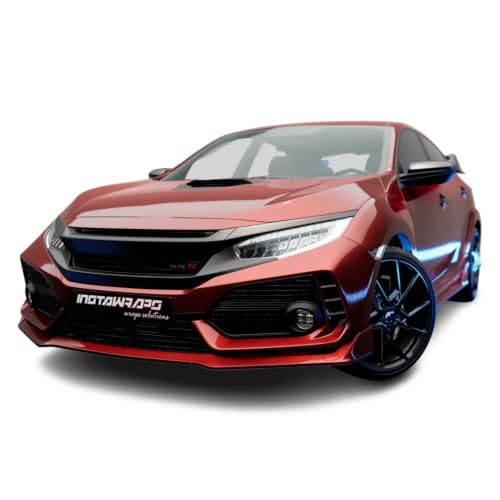 3M Car Wrap Roll 2080 Gloss Red Metallic | G203 | (5ft x 10ft (50 Sq/ft)) | Automotive Vinyl Wrap for Cars - Car Interior Wrap & Exterior | w/Free Instawraps Pro Glove