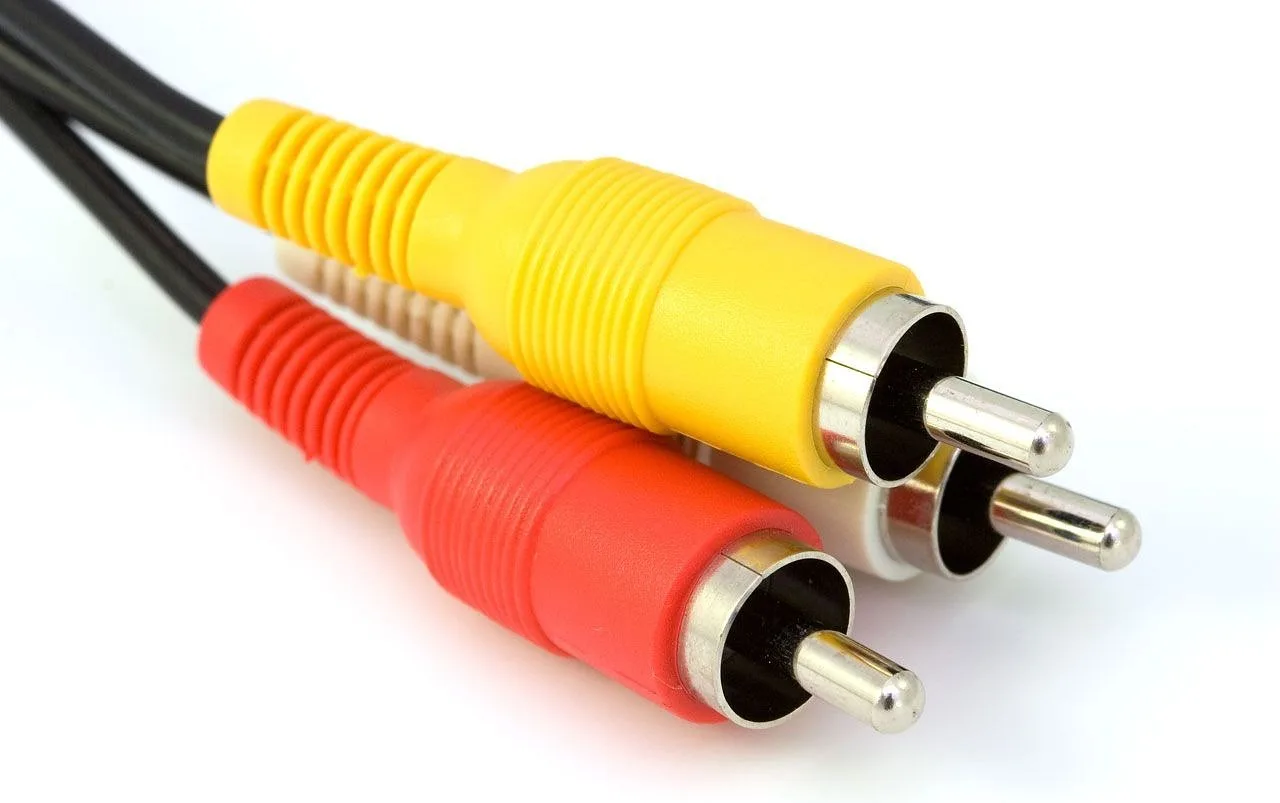
Best RCA Cables for Car Audio: 2 Picks Compared
For most car audio systems, pick a heavily shielded twisted-pair RCA for long amplifier runs and a short, low-profile cable for tight source-to-processor links. Bad RCA choices can add alternator whine, grounding noise, and weak connector fit that force rework. This guide compares two RCA cable picks and explains shielding, length, connector fit, and system layout.
Our two top picks for different installation needs
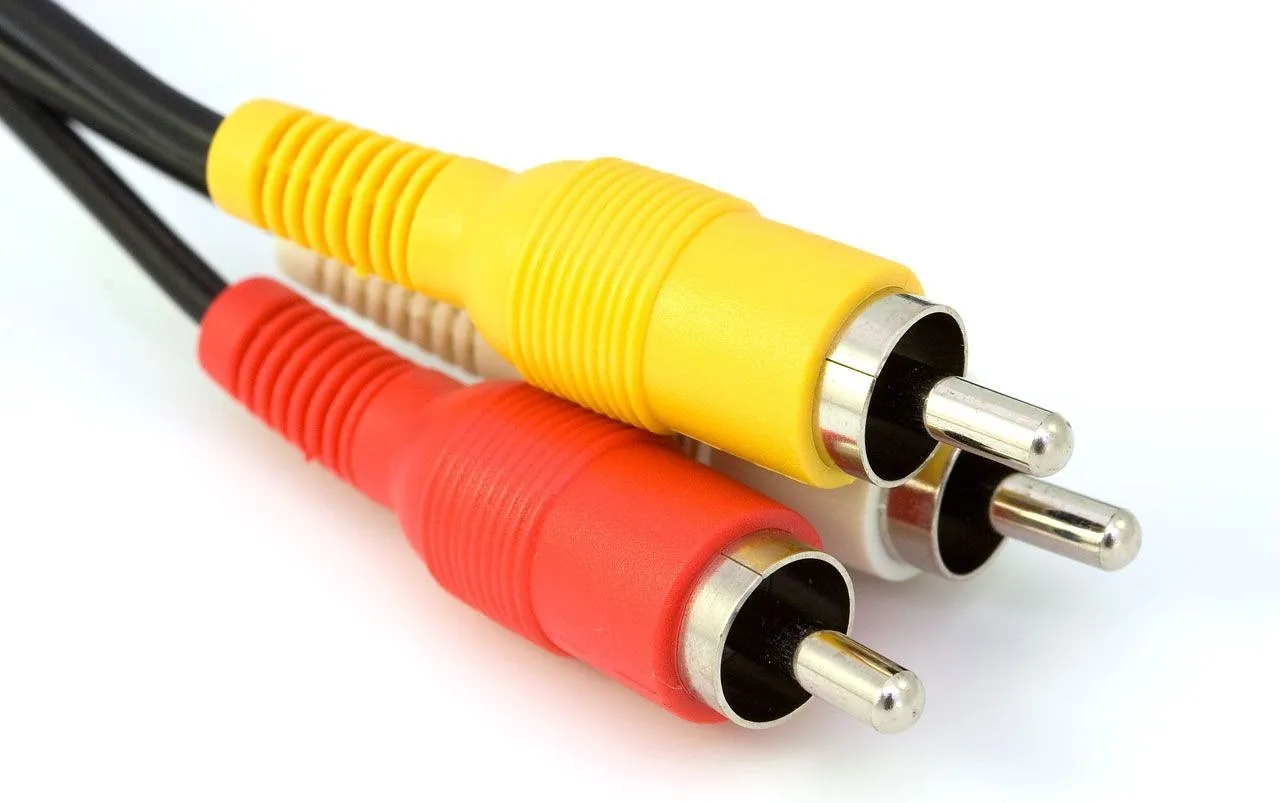
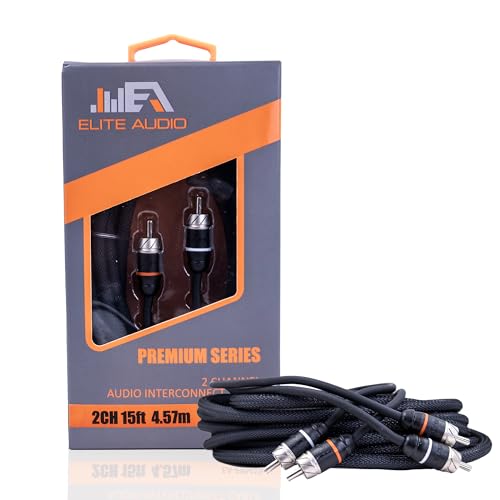

The overall top pick for longer, noise-prone routes is Elite Audio PRM15, a 15-foot 2-channel cable with double/triple shielding and 99.9% OFC. For short, tidy installs, Monoprice Premium is the cleaner fit: a two-channel 3ft RCA that keeps excess slack out of the way.
Top pick for longer runs and noise rejection
Elite Audio PRM15 fits the job where RCA cable choice matters most: a longer path from head unit to amplifier, especially when the route crosses power wiring or runs near factory harnesses. Its 15-foot length fits the common under-15-foot guidance, and its double or triple shielding is intended to help with static and EMI rejection.
That matters because cable noise problems usually show up as hiss, static, or a faint whine that changes with engine speed. Start with shielding, because that is the first line of defense on a long run. If the cable has to travel farther, the shield matters more than any marketing claim about conductor purity.
Top pick for short, clean installs
Monoprice Premium is the better fit for a compact source-to-processor or head-unit-to-amp link where the run can stay short. A 3ft RCA keeps routing simple, limits coiled excess, and reduces the chance of picking up interference just because the cable had to travel farther than necessary.
Short runs are easier to hide under trim and carpet, and they leave less slack to vibrate loose over time. For a clean install, that often matters more than stepping up to a longer cable with more material than the system needs.
Quick picks by install type
| Install type | Best pick | Why it fits | Key spec |
|---|---|---|---|
| Subwoofer run | Elite Audio PRM15 | Longer 2-channel route with stronger shielding for noise rejection | 15-foot 2-channel, double/triple shielding, 99.9% OFC |
| 2-channel head-unit-to-amp run | Monoprice Premium | Shortest practical route for a compact stereo link | Two-channel, 3ft |
| 4-channel processor or amp chain | RECOIL PCI412 | Fits a multi-channel layout without stepping into oversized slack | 12ft 4-channel, 99.99% oxygen-free copper |
Best for a subwoofer run
For a mono sub setup, the cable itself is usually less important than the route. A long sub amp run benefits from the same priorities as any other long RCA path: shielding first, then fit, then length. If the cable crosses the car or runs beside power wire, stronger shielding is the safer pick.
Best for a 2-channel head-unit-to-amp run
A 2-channel RCA cable matches stereo head-unit-to-amp use, which is the most common simple upgrade path. A short cable is the right answer when the amp sits near the source or behind the same seat back. Keep the run as short as practical and avoid looping extra wire under the carpet.
Best for a 4-channel processor or amp chain
RECOIL PCI412 is the clearest fit for a 4-channel layout. It is a 12ft 4-channel RCA cable built with 99.99% oxygen-free copper, which gives you a cleaner match for multi-amp installs and processor chains without forcing the cable into unnecessary length.
That makes it a practical choice for a front-rear amplifier setup, signal processors, or any install where four channels need to travel together. It is not about chasing a louder sound. It is about keeping the signal path organized and the routing manageable.
Which RCA cable do you need?
Choose a 2-channel RCA for stereo head-unit-to-amp or subwoofer runs, and a 4-channel RCA for multi-amp or processor installs. The cable count should match the signal path first. After that, judge shielding, then length, then connector fit. Conductor material comes later.
2-channel versus 4-channel wiring
Two-channel cables suit left/right audio or a single stereo feed to an amp. Four-channel cables fit systems that send front and rear signals, or a processor feeding a four-channel amplifier. If the system only needs two channels, a four-channel cable usually adds bulk without solving a problem.
When longer runs need stronger shielding
Thecarresource advises keeping cable runs ideally under 15 feet, and that is a useful rule of thumb for car audio layouts. Once a run gets longer, shielding matters more because the cable spends more time near ignition noise, factory wiring, and switching electronics.
That is where braid and foil layers matter. Triple shielding with braid, foil, and drain wire gives a stronger defense against EMI and RFI than a basic single-shield cable. If the car has a noisy electrical environment, shield quality belongs near the top of the buying list.
When connector fit matters more than conductor claims
A secure jack grip can matter more than copper grade when the symptom is intermittent signal loss or crackling from movement. Loose connectors, weak split tips, and worn plugs can create a problem that sounds like noise but behaves like a fit issue. Gold plating slows corrosion on the contact surface, it does not improve sound by itself.
Suppose a 4-channel cable is routed behind a seat and the plugs slowly wiggle out of the amp over time. That is a connector-fit failure, not a shielding failure. The fix is a better fit, not more conductor purity.
RCA cable decision matrix
This table separates common install scenarios from the cable choice they usually call for. It also shows the likely failure mode, so you can tell a cable issue from a grounding mistake. Alternator whine and hum often come from the system layout, not from the RCA cable alone.
| Run length | Channel count | Shielding priority | Connector type | Likely failure mode |
|---|---|---|---|---|
| 3ft | 2-channel | Low to moderate | Low-profile, snug fit | Loose fit |
| 12ft | 4-channel | Moderate to high | Threaded split-tip connectors | Static or hum if routing is poor |
| 15ft | 2-channel | High | Gold-plated or nickel-plated, secure grip | Alternator whine if shield is weak |
| 17ft | 4-channel | Very high | Secure fit with strain relief | Static or interference pickup |
| 18ft | 4-channel | Very high | Secure fit with strain relief | Whine if cable runs near power wire |
If the noise appears only when the engine is running, and especially if it rises with RPM, the RCA cable may not be the root cause. That symptom often points to grounding, routing, or poor amp placement. If the problem appears as crackle when a plug moves, connector fit is the first thing to check.
What makes one RCA cable better than another?
The most important RCA specs for car audio are shielding, run length, connector fit, conductor material, and jacket flexibility. Shielding comes first because it is the best defense against EMI and RFI. Length comes next because every extra foot adds routing burden and exposure to interference.
Shielding layers and EMI/RFI rejection
Shielding can be single, dual, or triple layered, and the practical difference is noise rejection. A foil layer helps block interference, while braid adds physical coverage and durability. A drain wire can help carry away unwanted noise. In cars, that matters because wiring, motors, and modules all create electrical noise.
Thecarresource recommends triple shielding with braid, foil, and drain wire. That is the safest pick when the cable must cross a noisy cabin or sit near power wiring. Better shielding can lower the noise floor, but it cannot fix a bad ground loop on its own.
OFC copper and flexibility
Oxygen-free copper is commonly listed at about 99.9% to 99.99%, with the main benefit usually being consistent conductor quality rather than any guaranteed sound upgrade. In practical terms, OFC can help with signal purity, multi-strand flexibility, and resistance to temperature cycling over time.
RECOIL PCI412 uses 99.99% oxygen-free copper, while Elite Audio PRM15 is described as 99.9% OFC. Those are useful material notes, but they should not outrank shielding or fit. A well-routed cable with strong shielding will usually matter more than a small copper-spec difference.
Twisted-pair design and signal integrity
Twisted-pair RCA design helps cancel interference by keeping the signal conductors balanced against noise pickup. That is why it is often compared to balanced-audio behavior, even though the formats are not identical. The practical result is less static on longer or noisier runs.
It is a smart choice when the install is vulnerable to interference, especially if the cable must pass near other wiring. Twisted pair does not replace shielding, but the two work well together.
How long should your RCA cables be?
Use the shortest practical run. That rule matters more than most buyers expect. A shorter cable is easier to route, easier to secure, and less likely to act like an antenna. If the car only needs 3 feet, buying 15 feet just to coil the rest is the wrong trade.
12, 15, 17, and 18 foot examples
A 12ft cable, like RECOIL PCI412, suits many compact multi-channel layouts. A 15-foot cable, like Elite Audio PRM15, fits the common under-15-foot target and gives enough reach for many amp placements. 17ft and 18ft runs should be reserved for layouts that truly need the distance.
The point is not to buy the shortest cable at any cost. It is to avoid extra slack that must be bundled, tied down, and kept away from power wiring. A clean 12ft path is usually better than an awkward 18ft one with a loose coil under the seat.
Why extra slack hurts more than it helps
Coiled excess adds clutter and can make routing harder through tight bends, under carpet, or around seat rails. It also increases the amount of cable exposed to nearby interference. If the install needs only a short path, extra slack is a liability, not a reserve.
Picture a short head-unit-to-amp run where the cable could have been 3ft, but the installer leaves several feet looped under the console. That extra material creates more places for vibration, snagging, and bad routing, while solving nothing about signal quality.
Which connector and jacket features matter most?
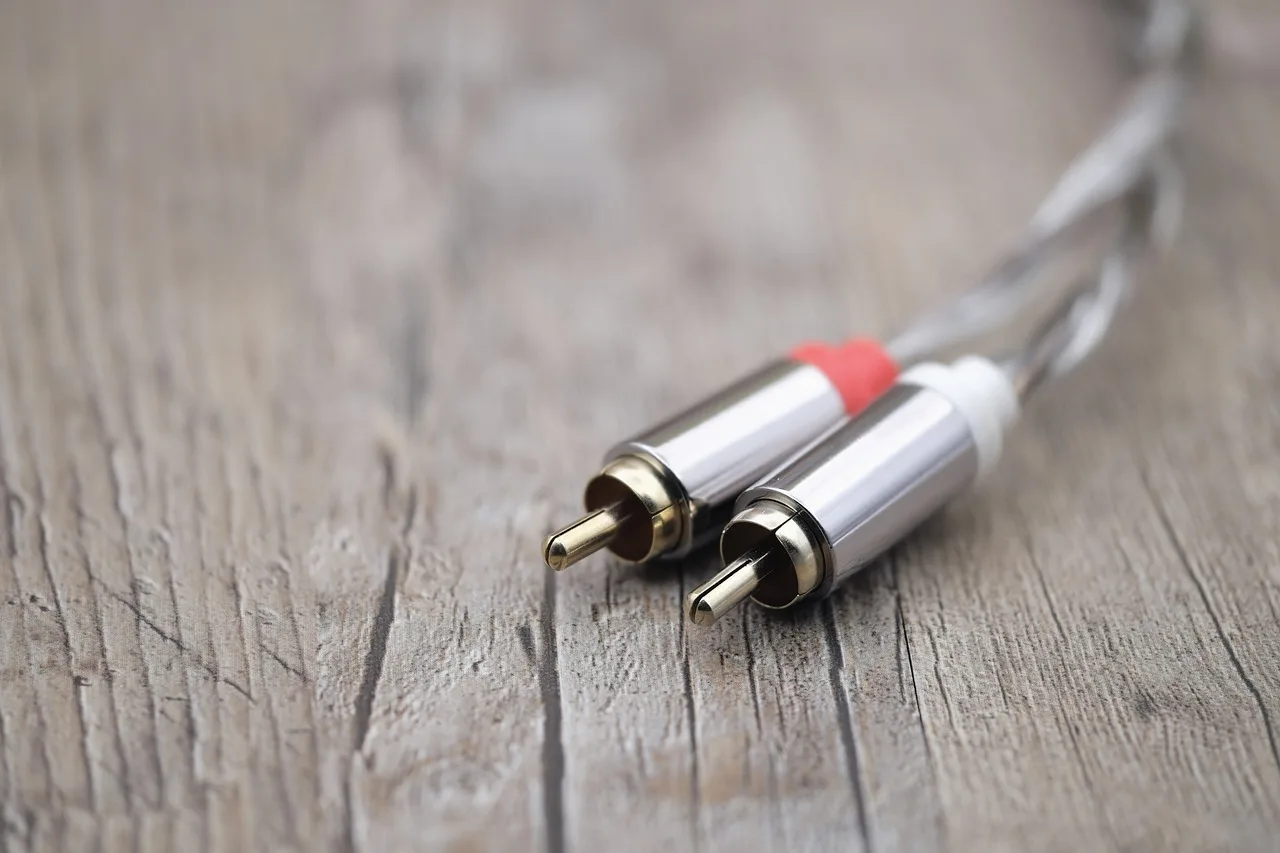
Connector quality is about fit and durability, not bragging rights. Gold-plated connectors can resist corrosion, while nickel-plated connectors can also hold up well when the fit is secure. The main question is whether the plug seats tightly and stays seated.
Gold-plated versus nickel-plated connectors
The same source notes that gold-plated and nickel-reinforced connectors resist corrosion. That makes sense in a car, where heat, moisture, and vibration are part of the job. Gold is useful for corrosion resistance; nickel is also a practical choice when the grip is strong and the contacts stay stable.
Do not buy gold plating expecting a direct audio upgrade. A tight, clean connection matters more than the finish on the metal. If the connector wobbles, the plating does not save it.
Split-tip fit and corrosion resistance
Split-tip connectors can improve jack grip by giving the plug a firmer bite in the socket. Sky High’s 4-channel 12ft cable uses threaded split-tip connectors, which is a useful design note for buyers who need a secure fit in a multi-channel install.
That kind of connector choice matters most where vibration is constant. Loose plugs can create crackle, channel dropouts, or a connection that comes and goes when the car hits bumps.
Flex PVC, braided nylon, and strain relief
Jacket material matters because the cable has to move through tight bends, under carpet, and around brackets without damage. Flex PVC is useful for easy routing. Braided nylon can add abrasion resistance. Frosted PVC may help the cable hold its shape during installation.
Strain relief is just as important as the jacket itself. A cable that flexes at the plug every time the car vibrates is more likely to fail early. Good strain relief keeps stress off the connector body and helps the cable survive daily use.
- Measure the real route, not the straight-line guess.
- Choose the shortest length that reaches with modest slack.
- Match channel count to the system: 2-channel for stereo or sub runs, 4-channel for processor and multi-amp layouts.
- Prioritize shielding if the route is long or near power wiring.
- Check connector grip before chasing conductor claims.
- Use cable flexibility and strain relief to keep the install stable under carpet and trim.
Do not confuse a cable problem with a ground problem. If the amp ground is poor, an RCA upgrade will not cure alternator whine. If the noise changes when you move the connector, that points to fit. If it changes with engine speed, look at grounding and routing first.
Frequently asked questions
What are the best RCA cables for car audio?
The best RCA cable depends on the job. For longer, noise-prone runs, a heavily shielded twisted-pair cable like Elite Audio PRM15 is the safer pick. For compact installs, a short cable such as Monoprice Premium keeps routing simple and avoids unnecessary slack.
Do RCA cables really improve car audio sound quality?
They can improve the result when the current cable is noisy, loose, or too long. The main gains are cleaner signal transfer, lower noise, and better fit. They do not fix bad grounding, and they are not a magic upgrade for every system.
What RCA cable length should I use in my car?
Use the shortest practical length. A common rule of thumb is to stay under 15 feet when possible, then choose the nearest size that reaches cleanly. A 3ft, 12ft, or 15ft run is usually a better fit than a longer cable with excess coiled slack.
Is OFC better than standard copper for RCA cables?
OFC is a desirable conductor material because it is typically consistent, flexible, and durable through temperature changes. The practical range you will see is often 99.9% to 99.99% OFC. It helps, but shielding and fit usually matter more in car audio.
What shielding is best for car audio RCA cables?
Triple shielding with braid, foil, and drain wire is the strongest general choice for noisy car environments. Dual shielding is a solid middle ground. Single shielding is more likely to struggle on longer or more interference-prone runs, especially near power wiring.
How do I stop alternator whine in my car audio system?
Start with grounding and routing, not the RCA cable alone. Alternator whine often comes from a poor amp ground, a head-unit wiring issue, or cable runs that sit too close to power lines. A better-shielded RCA can help, but it will not cure a bad install.
Products related to this article
Sponsored / affiliate links. As an Amazon Associate I earn from qualifying purchases. I may earn additional commission from eligible campaigns.