
Reveal Proven Grease Removal Technique
Effortlessly remove stubborn car grease from clothes with simple household items and a proven technique. This guide offers step-by-step solutions to restore your favorite garments, making grease stains a worry of the past for any car owner.
Grease stains on your clothes can be a real headache, especially when you’re working on your car. The thick, black gunk seems to cling stubbornly to fabric, leaving you wondering if your favorite shirt or pair of jeans is ruined forever. But don’t despair! With the right approach, you can tackle these tough stains and bring your garments back to life. This guide will walk you through a tried-and-true method that’s effective, affordable, and easy for anyone to follow, even if you’ve never tried stain removal before. Get ready to say goodbye to those greasy marks!
Why Grease Stains Are So Tricky
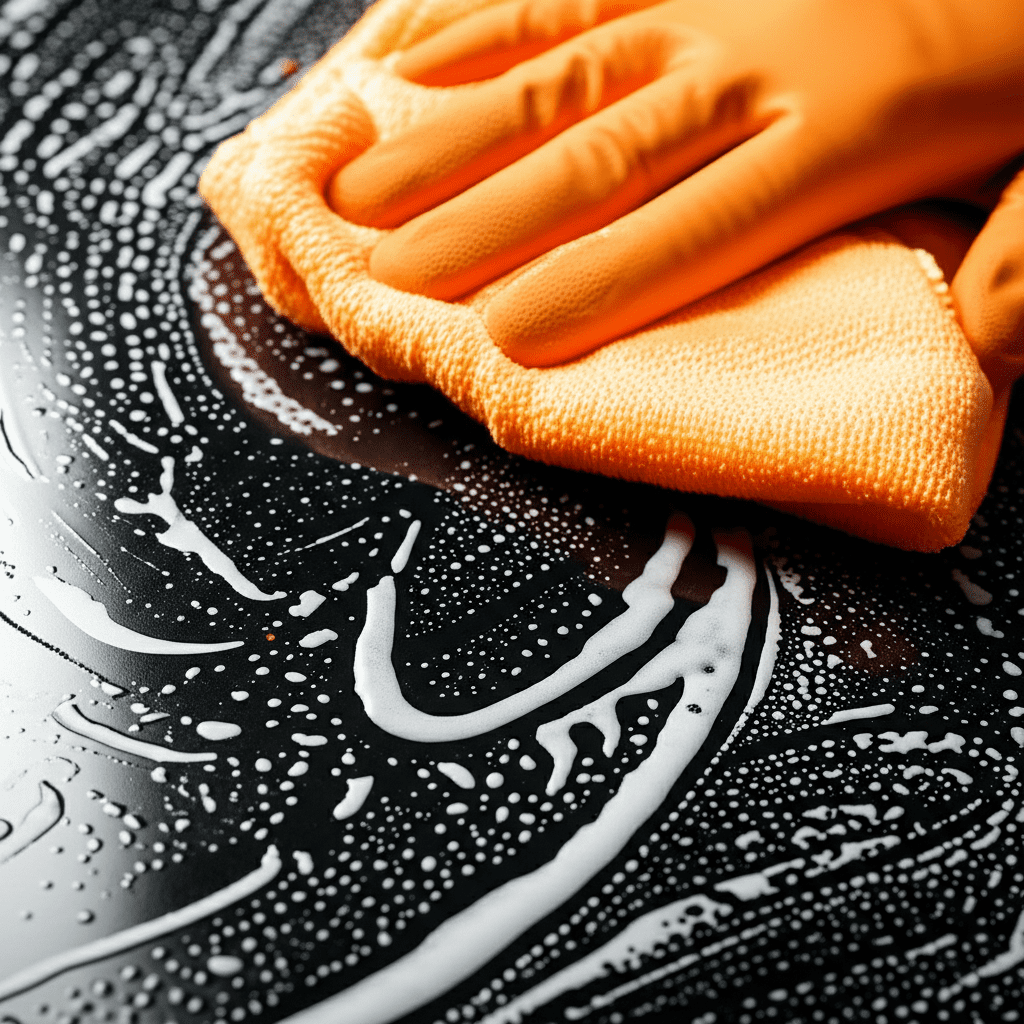
Car grease, or automotive lubricant, is a petroleum-based product. Unlike common food stains, grease is oily and hydrophobic, meaning it repels water. This makes it particularly challenging to remove with just a regular wash. The oil molecules bind to the fabric fibers, sinking deep into the material. Without the proper technique, water and regular detergent alone won’t break down this bond, leaving the stain looking duller but still very much present after washing. This is why a specialized approach is often necessary to truly lift it from your clothes.
Essential Tools for Grease Removal
Before you start, gather a few common household items that will be your allies in this battle against grease. Having everything ready makes the process smooth and efficient.
- Dish Soap: Especially a good quality degreasing dish soap like Dawn. This is your primary weapon.
- Old Toothbrush or Soft Brush: For gently working the cleaning agent into the stain.
- Paper Towels or Clean Cloths: To blot the stain and prevent spreading.
- Laundry Detergent: Your regular detergent for the main wash.
- Water: Both cold and warm water will be used for rinsing and washing.
- Optional: Stain Remover Spray: A commercial pre-treatment stain remover designed for grease can be a powerful extra.
- Optional: Baking Soda: Can be used as an absorbent for very fresh, wet grease stains.
The Proven Grease Removal Technique: Step-by-Step
This method focuses on breaking down the grease at a molecular level before it sets into the fabric. Follow these steps carefully for the best results.
Step 1: Act Fast – Don’t Let the Grease Set
The sooner you address a grease stain, the easier it will be to remove. If the stain is fresh and wet, gently blot up any excess grease with a paper towel or clean cloth. Avoid rubbing, as this can spread the stain and push it deeper into the fabric fibers. For very fresh, wet stains, you can try sprinkling a small amount of baking soda or cornstarch directly onto the stain. Let it sit for about 15-30 minutes to absorb as much of the oil as possible, then brush it off.
Step 2: Pre-treat with Dish Soap
This is the critical step. Pour a generous amount of liquid dish soap directly onto the grease stain. Ensure the soap covers the entire stained area. Dish soap, particularly brands formulated for grease cutting (like Dawn), is excellent at breaking down oils and fats. Gently work the soap into the fabric using your fingers or an old toothbrush. Be thorough but avoid being too aggressive, which could damage delicate fabrics. Let the dish soap sit on the stain for at least 10-15 minutes to allow it to break down the grease effectively.
Step 3: Rinse with Cold Water
After the dish soap has had time to work, rinse the stained area thoroughly with cold water. This helps to wash away the loosened grease and the dish soap. You should start to see a significant reduction in the stain’s visibility. If the stain is still very prominent, repeat Step 2 and Step 3. It’s important to use cold water at this stage because hot water can sometimes set oil-based stains, making them harder to remove later.
Step 4: Apply Laundry Detergent or Stain Remover
Once the initial grease appears to be lifted, apply a good quality laundry detergent or a commercial stain remover spray directly to the remaining stain. Again, gently rub it into the fabric. If you’re using a commercial stain remover, follow the product’s instructions for application and dwell time. Let this treatment sit for another 5-10 minutes.
Step 5: Wash the Garment
Now it’s time for the main wash. Launder the garment as you normally would, but use the warmest water temperature setting that is safe for the fabric type. Check your garment’s care label for washing instructions. Add your regular laundry detergent. Washing in warmer water can help to further break down any remaining oily residue.
Step 6: Inspect Before Drying – Crucial Step!
This is arguably the most important step after washing. Before you put the garment in the dryer, check the stained area carefully. If you can still see any trace of the grease stain, do NOT put it in the dryer. The heat from the dryer will permanently set the stain, making it nearly impossible to remove. If the stain persists, repeat the entire process from Step 1, perhaps trying a different approach like a commercial stain remover or even a more powerful degreaser if the fabric can tolerate it.
Step 7: Air Dry or Tumble Dry
Once you are absolutely sure the stain is gone, you can dry the garment. Air drying is always the safest option if you’re still a little unsure. If you’re confident, you can tumble dry according to the fabric’s care label instructions. Once dry, you should find that the grease stain is completely gone!
Alternative Methods and Considerations
While the dish soap method is highly effective, here are a couple of alternatives and things to keep in mind for different situations.
Using a Commercial Stain Remover
There are many excellent commercial pre-wash stain removers on the market specifically formulated for grease and oil. These products often contain powerful surfactants and enzymes that help to break down tough stains. Always read and follow the product’s instructions carefully, as some may require longer application times or have specific fabric limitations. For severe stains, using a high-quality commercial stain remover might be your best bet.
For Upholstery and Other Surfaces
While this guide focuses on clothing, it’s worth noting that grease on car upholstery or other surfaces requires a different approach. For car interiors, specific automotive upholstery cleaners are recommended. Always test any cleaning product on an inconspicuous area first to ensure it doesn’t damage or discolor the material. Resources like those from the U.S. Environmental Protection Agency (EPA) can offer guidance on cleaning various materials safely.
Understanding Fabric Types
The effectiveness and safety of different cleaning agents can vary depending on the fabric. Cotton and synthetic blends are generally quite durable and can withstand more vigorous cleaning. However, delicate fabrics like silk, wool, or rayon may require gentler handling. Always check the garment’s care label for specific washing and cleaning instructions. For delicate items, opt for milder dish soaps or specialized delicate fabric stain removers.
Table: Grease Stain Removal Efficacy by Method
Here’s a quick comparison of common methods for tackling automotive grease stains on clothing:
| Method | Effectiveness on Grease | Best For | Pros | Cons |
|---|---|---|---|---|
| Dish Soap & Cold Water | High | Most fabrics, fresh to moderately old stains | Readily available, affordable, excellent degreaser | Might require repeat applications for heavy stains, must check before drying |
| Commercial Stain Remover (Grease-Specific) | Very High | Tough, set-in stains, various fabrics | Often more potent, designed for specific stain types | Can be pricier, need to follow instructions carefully, potential for fabric damage if misused |
| Baking Soda (Absorption) | Low to Moderate (for fresh spills) | Very fresh, wet grease spills | Natural absorbent, helps prevent spreading | Not a primary cleaner, only useful for initial absorption |
| Regular Laundry Detergent Only | Low | Light oil marks, pre-washed state | Main cleaning agent for wash cycle | Ineffective on its own for real grease stains |
Tips for Preventing Future Grease Stains
Prevention is always better than cure. Here are a few steps you can take to minimize the chances of getting grease on your everyday clothes while working on your car:
- Wear Old Clothes: Always designate a specific set of old clothes or a durable mechanic’s jumpsuit for working on your car.
- Use an Apron or Coveralls: A sturdy apron made of canvas or denim can add an extra layer of protection.
- Keep Rags Handy: Always have shop rags or old towels within easy reach to wipe your hands and any stray drips immediately.
- Be Mindful of Your Surroundings: Pay attention to where you’re placing tools and parts that might be coated in grease.
Frequently Asked Questions (FAQ)
Q1: Can I use dish soap on colored clothes?
Yes, most liquid dish soaps, especially clear or blue varieties, are safe for colored clothes. However, it’s always a good idea to test the dish soap on an inconspicuous area of the garment first (like an inside seam) to ensure it doesn’t cause any unexpected color bleeding.
Q2: What if the grease stain is old and has been washed and dried before?
Old, set-in grease stains are much tougher. They will likely require multiple treatments. You may need to try a strong commercial stain remover designed for grease, allowing it to sit for an extended period (even overnight if the fabric allows), and repeating the dish soap treatment multiple times. Patience is key, and sometimes, very old stains are unfortunately permanent.
Q3: How do I treat grease stains on delicate fabrics like silk or wool?
For delicate fabrics, skip the vigorous scrubbing with an old toothbrush. Instead, gently dab the dish soap onto the stain with your fingertip or a soft cloth. Use minimal water for rinsing, and consider using a detergent specifically designed for delicates. Always check the care label and, if in doubt, take the garment to a professional dry cleaner.
Q4: Can I use hand sanitizer to remove car grease?
Some people find that the alcohol in hand sanitizer can help break down grease. You can try dabbing a small amount onto the stain, letting it sit for a few minutes, then rinsing. However, this is generally less effective than dish soap and may not be suitable for all fabrics. Dish soap remains the more reliable and gentler option for most car grease stains.
Q5: What’s the difference between car grease and cooking grease for stain removal?
Both are oil-based, but car grease is a heavier petroleum-based lubricant, while cooking grease is typically animal or vegetable fat. The fundamental principle for removing both is to use a degreaser. Dish soap is an effective degreaser for both, but the petroleum nature of car grease often makes it more stubborn and harder to fully lift.
Q6: How can I make sure I don’t spread the stain when blotting?
When blotting, always start from the outside edge of the stain and work your way inward. Use a clean section of the cloth or paper towel for each blotting motion. This helps to concentrate the liquid and prevent it from creating a larger, lighter stain by moving the grease outwards.
Conclusion
Tackling car grease stains on your clothes doesn’t have to be a losing battle. By following this proven technique, starting with prompt action and utilizing the power of a good degreasing dish soap, you can effectively lift even the most stubborn automotive grime. Remember the crucial step of checking the garment before drying to avoid permanently setting any lingering traces. With a little patience and the right approach, your favorite work clothes can be saved, and you can tackle your automotive projects with confidence, knowing you’re prepared for any greasy mishaps. Happy cleaning!