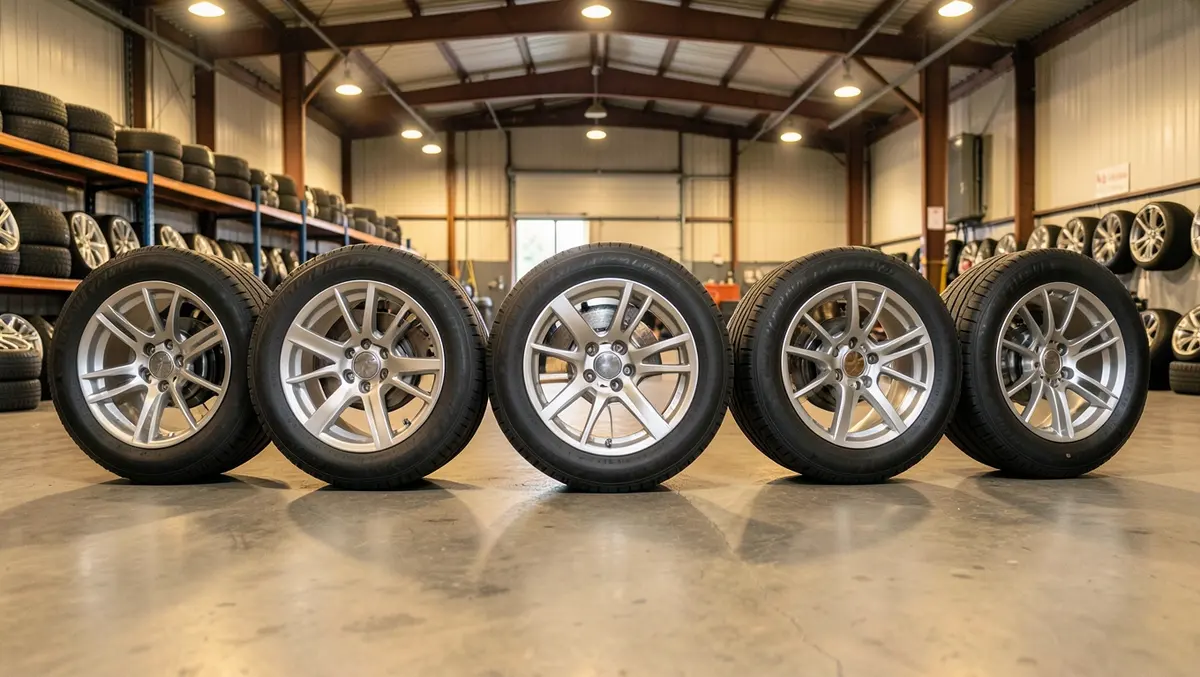
Rims and Tires for Cars: How to Choose the Right Size and Fit
Rims and tires only work safely together when they match your car’s bolt pattern, wheel offset, and tire size code, not just the visual style you like. A tire size such as 225/65R17 tells you the section width, sidewall aspect ratio, and rim diameter your wheel must have, while offset and bolt pattern determine whether a wheel will even bolt on. Get any of the three wrong and you risk rubbing, poor handling, or a wheel that will not clear the brake caliper.
How to Read a Tire Size Code Like 225/65R17
Every highway tire is stamped with a code in the same order: section width, aspect ratio, construction type, and rim diameter. In 225/65R17, the 225 is the tire’s width in millimeters measured sidewall to sidewall, the 65 is the sidewall height as a percentage of that width (an “aspect ratio”), the R means radial construction, and the 17 is the wheel diameter in inches the tire is built to fit. Changing any of those numbers changes how the tire behaves and whether it will physically clear your car’s fenders and suspension, which is why a shop will always ask for this exact code rather than just your car’s year, make, and model.
Starfire Solarus AS All-Season 225/65R17 102H Tire
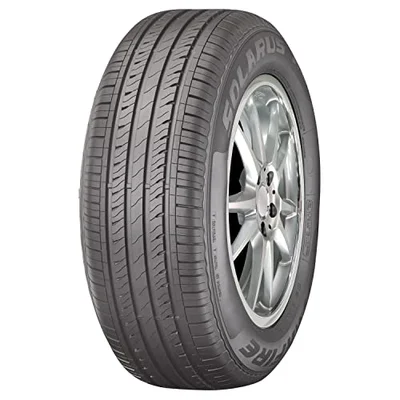
The Starfire Solarus AS is a straightforward all-season touring tire in the common 225/65R17 size, priced at $83.06 and backed by a 50,000-mile treadwear warranty. It is built for comfort and mileage rather than sport handling, so it fits daily-driver sedans, crossovers, and minivans that see mixed highway and city driving through light rain and occasional snow. If your car takes a different size, check your driver’s-door-jamb sticker first; Starfire and most other budget touring brands sell the same Solarus tread pattern across a wide range of comparable sizes, so you are not limited to this one listing.
Matching Rims to Your Car: Bolt Pattern, Offset, and Diameter
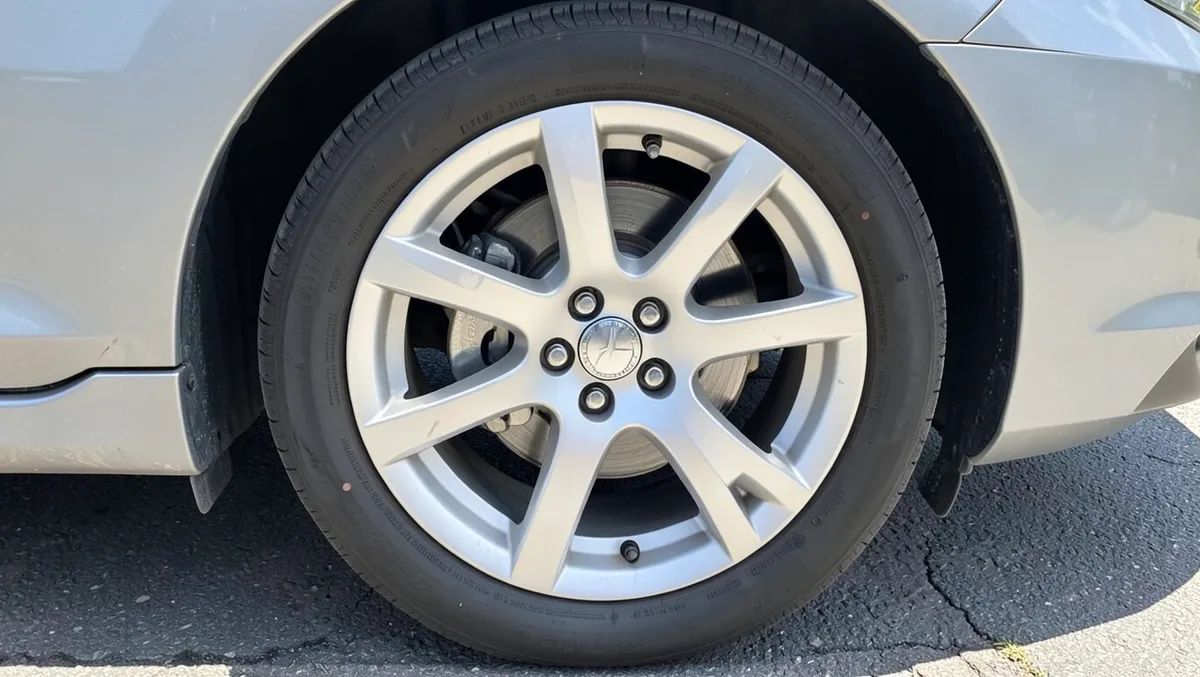
A rim’s fitment comes down to three numbers beyond its diameter and width. Bolt pattern is the number of lug holes and the diameter of the circle they sit on, written as something like 5×114.3; get this wrong and the wheel simply will not line up with your hub studs. Offset, usually stamped as “ET” followed by a millimeter figure, is how far the wheel’s mounting face sits from its true centerline; too little offset can push the tire into the fender, while too much can crowd the brake caliper or strut. Center bore is the hole in the middle of the wheel that centers it on the hub, and it needs to match your hub size or use a hub-centric ring, or the wheel can vibrate even when the lug nuts are torqued correctly. If you are shopping specialty wheel styles rather than a stock replacement, our guide to wire rim sizes, spokes, and bolt patterns walks through how those numbers change on classic and custom builds, and our overview of wheel types compares steel, alloy, and custom construction if you have not settled on a material yet.
CRAFTSMAN 3/8 in. Drive Torque Wrench (CMMT99433)
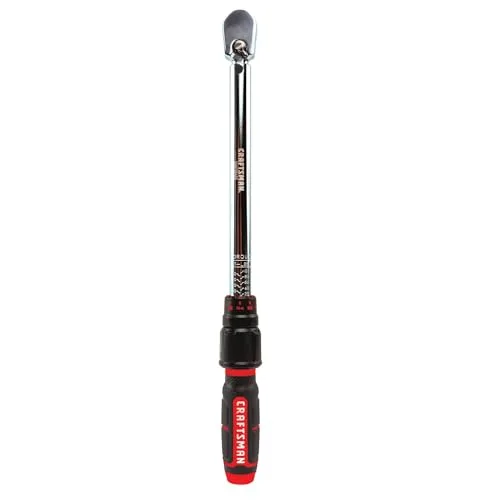
Once new rims and tires are mounted, how tight the lug nuts are matters as much as the parts themselves. The CRAFTSMAN CMMT99433 is a 3/8-inch drive click-style torque wrench priced at $67.99 that lets you set a specific foot-pound value from your owner’s manual and stop pulling the instant it clicks, instead of guessing with an impact gun. Overtightened lug nuts can warp a brake rotor or snap a stud, while undertightened ones can work loose on the highway, so this is one of the few tools where “close enough” genuinely is not good enough after a rim or tire swap.
Picking the Right Tire Type for How You Drive
All-season tires, like the Starfire above, split the difference between wet, dry, and light-snow traction and are the right default for most daily drivers in mild climates. Performance and summer tires use a softer rubber compound and shallower tread for sharper cornering grip, at the cost of shorter tread life and poor grip below roughly 45 degrees Fahrenheit. Winter or snow tires use a compound that stays pliable in freezing temperatures along with deeper, more aggressive tread, and tire authorities generally recommend running a full set of four rather than mixing them with all-seasons. All-terrain tires trade some on-road quietness and fuel economy for a more open tread block that sheds mud and gravel, which matters if your car or truck regularly leaves pavement. Rim choice interacts with all of this: a wider or lower-profile wheel can look sharper but also transmits more road noise and impact harshness, which is worth weighing before you size up.
AstroAI Digital Tire Pressure Gauge, 150 PSI
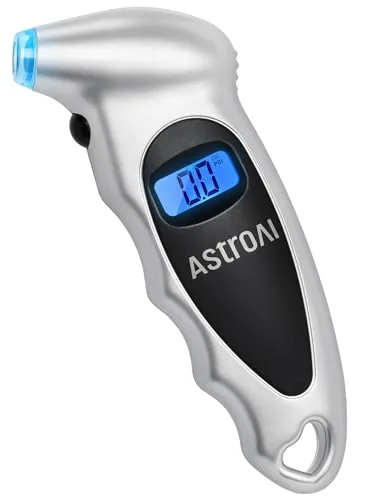
New rims and tires are only as good as the air pressure in them, and the AstroAI Digital Tire Pressure Gauge is a $6.99 pocket tool that reads up to 150 PSI within 1 PSI of accuracy on a backlit display, which is easier to trust than squinting at an analog dial. The correct pressure for your car is printed on the same door-jamb sticker as your tire size, not on the tire’s sidewall, and it should be checked when tires are cold, since driving heats the air inside and inflates the reading. This matters even more if you have gone to a lower-profile tire, since those hold less air volume and can lose noticeable pressure from a smaller temperature swing.
Frequently Asked Questions
What does a tire size like 225/65R17 mean?
The 225 is the tire’s width in millimeters, the 65 is the sidewall height as a percentage of that width, the R means radial construction, and the 17 is the wheel diameter in inches the tire fits. You can find your car’s correct size on the sticker inside the driver’s door jamb, not on the old tire itself, since a previous owner may have already changed sizes.
How do I find my car’s correct bolt pattern?
The door-jamb sticker does not list bolt pattern, so check your owner’s manual, look up your exact year, make, and model in a wheel-fitment database, or count the lug holes and measure the diameter of the circle they sit on. Bolt pattern is usually written as a number of lugs followed by a diameter in millimeters, such as 5×114.3, and it has to match exactly; there is no “close enough.”
What is wheel offset and why does it matter?
Offset, stamped as “ET” plus a millimeter number, is the distance between a wheel’s mounting face and its true centerline. Too little offset can push the tire into the fender liner when the suspension compresses, and too much can crowd the brake caliper or strut, so aftermarket wheels are generally sold in a narrow offset range designed to clear your specific car.
Can I put larger rims on my car than stock?
Yes, within limits, as long as you keep the tire’s overall diameter close to factory spec, usually within about 3 percent, by pairing a bigger rim with a lower-profile tire. Going further than that throws off your speedometer accuracy, can affect anti-lock brake and stability control calibration, and increases the odds of rubbing on tight turns or over bumps.
How often should tires be rotated and checked for pressure?
Most tire makers recommend rotating tires every 5,000 to 7,500 miles, or at every other oil change, to even out wear across the set. Check pressure at least once a month and before any long trip, always when the tires are cold, and compare it to the number on your door-jamb sticker rather than the maximum pressure printed on the tire’s sidewall.
What torque should lug nuts be tightened to?
It depends on the car and wheel material, so check your owner’s manual for the exact foot-pound figure, which commonly falls somewhere between 80 and 100 ft-lb on passenger cars. Tighten in a star or crisscross pattern with a torque wrench rather than an impact gun to avoid warping the rotor or overstressing a stud, and recheck the torque after 50 to 100 miles on newly mounted wheels.
Conclusion
Choosing rims and tires for your car comes down to matching three sets of numbers, the tire size code, the wheel’s bolt pattern and offset, and the correct cold tire pressure, before you ever think about style. Get those right and a set of alloy wheels or a fresh set of all-season tires will genuinely improve handling, ride comfort, and safety; get them wrong and even an expensive set of rims can rub, vibrate, or throw off your car’s braking and speedometer accuracy.
If you are still deciding on wheel material and style rather than fitment, see our breakdowns of steel wheel direct-fit replacements and wire spoke wheels for a classic chrome look, both of which cover the same bolt-pattern and offset rules explained above for their specific wheel types.
Products related to this article
Sponsored / affiliate links. As an Amazon Associate I earn from qualifying purchases. I may earn additional commission from eligible campaigns.