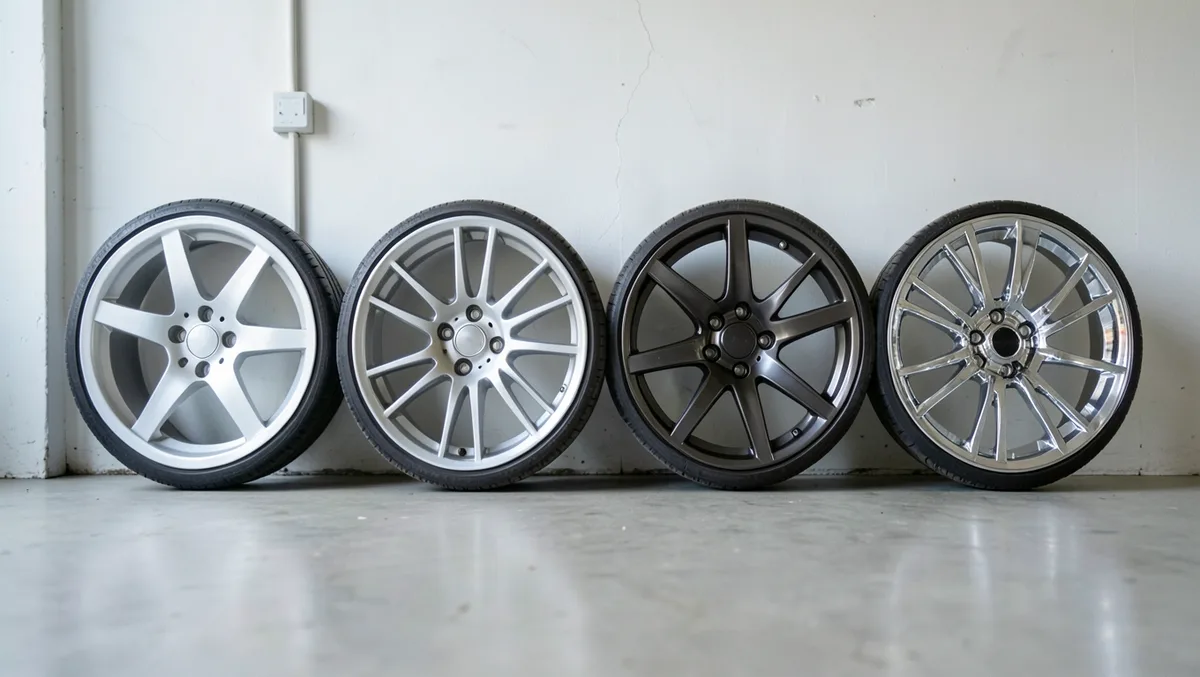
Types of Car Wheels: Steel vs Alloy vs Forged vs Chrome
Car wheels come in four main types: steel, cast alloy, forged alloy, and chrome-plated, with wire-spoke wheels as a specialty style. Steel is the cheapest and toughest, cast alloy is the most common factory upgrade, forged alloy is the lightest and strongest, and chrome is a finish rather than its own material.
Every wheel type trades off weight, cost, strength, and looks differently, and the right pick depends on how and where you drive. A commuter car in a state that salts the roads has very different needs than a track-day build chasing lower unsprung weight. This guide breaks down what each wheel type is actually made of, what it costs, and which one fits your situation.
Car Wheel Types Compared
BEST FOR TORQUING NEW WHEELS TO SPEC
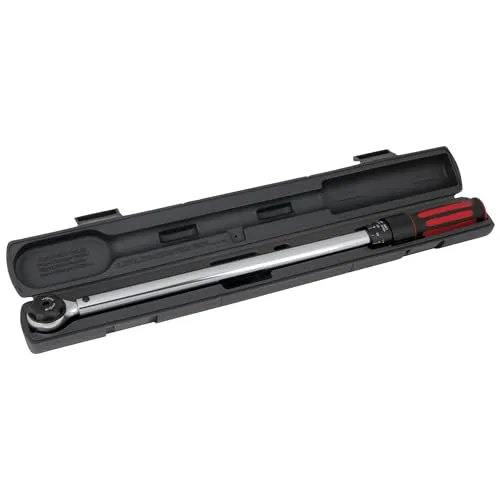 |
Performance Tool M199 Click Torque Wrench – $69.99 A click torque wrench lets you tighten lug nuts to your exact manufacturer spec, whichever wheel type you install, instead of guessing with an impact gun.
|
| Wheel Type | Typical Weight | Typical Cost (set of 4) | Best For |
|---|---|---|---|
| Steel | Heaviest | $150-$400 | Winter tires, budget replacements, high-mileage daily driving |
| Cast alloy | Light-medium | $400-$1,200 | Most factory and aftermarket upgrades, styling and fuel economy |
| Flow-formed alloy | Light | $600-$1,500 | Better strength than cast without forged pricing |
| Forged alloy | Lightest | $1,500-$5,000+ | Performance, towing, and off-road builds needing max strength |
| Chrome-plated | Varies (finish only) | $800-$2,500 | Show cars and trucks where looks matter most |
| Wire-spoke | Medium | $1,000-$3,000+ | Classic and luxury builds, retro styling |
Steel Wheels
Steel wheels are stamped from a single sheet of steel and welded into shape, which makes them the cheapest and most durable option on this list. They shrug off potholes and curb strikes that would crack an alloy wheel, and a bent steel wheel can often be hammered back into round rather than replaced outright. That toughness is why they’re still the standard fitment on work trucks, base-trim economy cars, and winter tire packages, where a curb hit or a chunk of road ice matters more than curb appeal.
The tradeoff is weight. A steel wheel typically weighs several pounds more per corner than a similarly sized alloy wheel, and that extra unsprung weight makes acceleration, braking, and handling feel slightly duller. Steel wheels are also almost always sold plain, so most cars wear a plastic hubcap or wheel cover over them to hide the bare metal. If you’re shopping for a direct-fit steel replacement, see our steel wheels for cars guide for specific Dorman options by vehicle.
Cast Alloy Wheels
Cast alloy wheels are the type most drivers picture when they hear “alloy wheel.” Molten aluminum (sometimes blended with magnesium) is poured into a mold and cooled, which lets manufacturers produce intricate spoke patterns cheaply and in high volume. That’s why cast alloy is the default upgrade on nearly every trim level above the base model. Compared to steel, a cast alloy wheel is noticeably lighter, which improves fuel economy, throttle response, and braking feel, and the aluminum itself dissipates brake heat better than steel does.
The downside is brittleness relative to strength. Because casting leaves the metal’s internal grain structure somewhat random, a cast wheel can crack on a hard pothole or curb hit where a steel wheel would just bend. Cracked alloy wheels generally can’t be safely repaired and need replacing, so cast wheels make more sense on smoother roads than on rough, pothole-heavy commutes.
Flow-Formed Alloy Wheels
Flow-formed (also called flow-forged or rim-rolled) wheels start as a cast center, then get spun at high speed while pressure rollers stretch and compress the barrel section. That process realigns the metal’s grain structure in the outer rim, closing up the microscopic voids that make a fully cast wheel more fracture-prone. The result sits in the middle ground: a flow-formed wheel is typically 15-20% lighter than an equivalent cast wheel and noticeably stronger, without the cost of a fully forged wheel. It’s become the go-to choice for enthusiast and OEM performance trims that want a lighter wheel without paying forged-wheel prices.
Forged Alloy Wheels
Forged wheels start as a single solid billet of aluminum, which gets compressed under presses exerting several thousand tons of force until it’s shaped into a wheel. That intense pressure aligns the metal’s grain structure throughout the entire wheel rather than just the rim, producing a wheel that’s both the lightest and the strongest of the alloy options. Forged wheels can be made with thinner spokes for the same strength rating, which shaves even more unsprung weight, making them the standard choice for serious track cars, high-horsepower builds, and heavy-duty trucks that need to carry a real load without flexing the wheel.
Forging is a slower, more labor-intensive process than casting, and that shows up in the price: a set of forged wheels commonly costs three to five times what a comparable cast alloy set runs. For a daily driver with no performance ambitions, that premium usually isn’t worth it, but for a build where weight and strength genuinely matter, forged wheels are the only alloy option that delivers both at once.
Chrome-Plated Wheels
Chrome isn’t a wheel material at all; it’s a plating applied over a steel or aluminum wheel to produce that bright, mirror-like shine. A chrome wheel starts life as either a steel or cast alloy wheel, then gets buffed, polished, and electroplated with layers of nickel and chromium. That means a chrome wheel inherits the strength and weight characteristics of whatever base material sits underneath the plating, chrome-plated steel behaves like steel, chrome-plated aluminum behaves like alloy.
Chrome’s main appeal is purely visual, and it comes with real maintenance demands: the plating can flake, pit, or peel if it’s exposed to road salt and brake dust without regular cleaning, and once chrome starts peeling it usually can’t be spot-repaired, the whole wheel needs replating or replacement. If you like the wire-spoke look with a chrome finish specifically, our wire-spoke wheels for cars guide covers that style in more depth.
Wire-Spoke Wheels
Wire-spoke wheels use dozens of thin individual steel or stainless-steel spokes running from a central hub to an outer rim, the same basic design used on bicycles and classic cars for over a century. On modern vehicles they’re mostly a styling choice tied to classic, luxury, and lowrider builds rather than a performance upgrade, since the many small spokes add assembly complexity and weight compared to a one-piece alloy wheel. Stainless-steel spokes resist rust far better than chrome-plated steel spokes, which matters if the car sees regular rain or humidity. For sizing, spoke counts, and bolt-pattern specifics, see our dedicated wire rims for cars breakdown.
How to Choose the Right Wheel Type for Your Car
Start with how you actually drive the car. A daily commuter on rough roads or in a state that plows and salts winter roads is better served by steel or cast alloy wheels that can take a hit without cracking. A track car, tow rig, or high-horsepower build benefits most from forged or flow-formed wheels, where the lower unsprung weight and higher strength directly translate into better handling and load capacity. If the goal is purely visual, chrome and wire-spoke wheels deliver that look, just budget for the extra cleaning they need.
Whatever type you land on, fitment matters just as much as material. Bolt pattern, offset, and hub bore all have to match your vehicle exactly, an alloy wheel with the wrong offset can rub the fender or throw off the car’s handling even if the diameter is correct. Check our rims and tires for cars guide for how to size a new wheel and tire combination correctly before you buy.
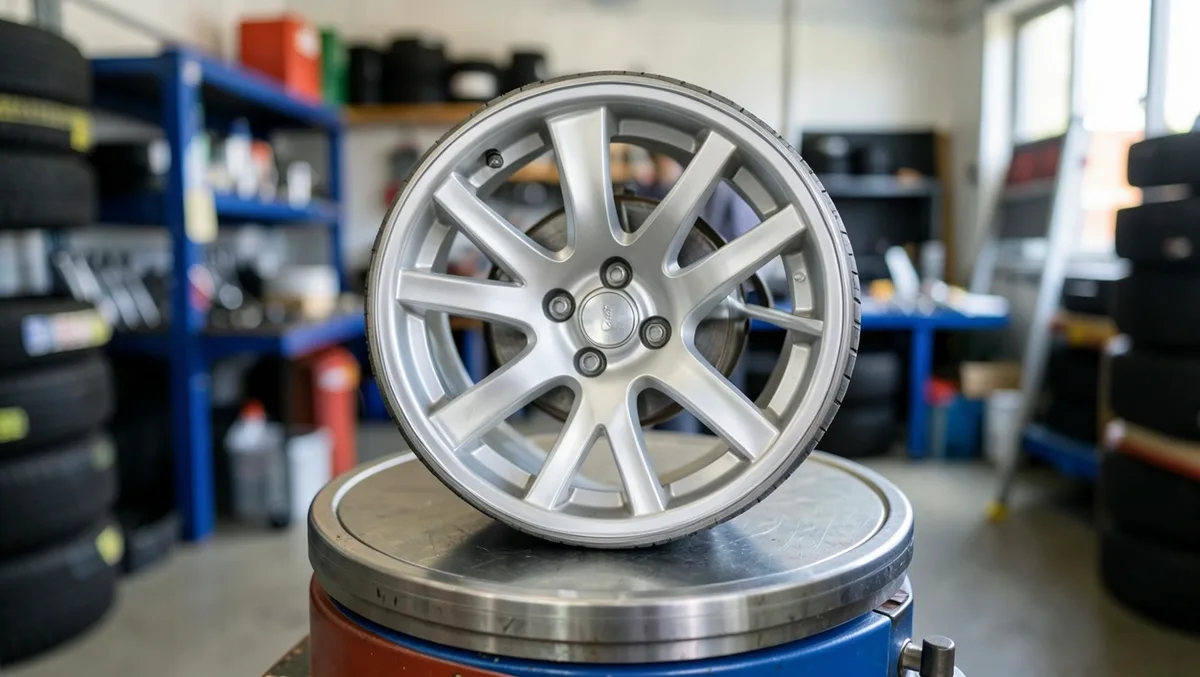
After installation, any wheel type needs to be torqued to the manufacturer’s exact spec, most passenger cars call for somewhere between 80 and 140 ft-lb depending on the vehicle, and re-checked after the first 50-100 miles of driving as the wheel seats. Overtightening with an impact gun and no torque wrench is one of the most common ways alloy wheels end up cracked or warped, since aluminum is far less forgiving of uneven clamping force than steel is.
Frequently Asked Questions
What is the difference between steel and alloy wheels?
Steel wheels are stamped from sheet steel and are heavier but far more resistant to cracking on impact. Alloy wheels are cast or forged from aluminum, weigh less, and improve handling and fuel economy, but they can crack on a hard pothole or curb strike where steel would just bend.
Are forged wheels worth the extra cost?
Forged wheels are worth the premium for track cars, heavy towing, and high-horsepower builds where lower unsprung weight and higher strength make a real handling or durability difference. For an average daily driver with no performance goals, a cast or flow-formed alloy wheel delivers most of the benefit for a fraction of the price.
What is a flow-formed wheel?
A flow-formed wheel starts as a cast wheel, then has its rim section spun and pressure-rolled to realign the metal’s grain structure. That process makes it roughly 15-20% lighter and stronger than a standard cast wheel of the same size, without the higher cost of a fully forged wheel.
Is chrome a type of wheel or just a finish?
Chrome is a plating, not a wheel material. It’s applied over a steel or aluminum wheel to create a mirror-like shine, so a chrome wheel’s actual strength and weight depend entirely on the steel or alloy wheel underneath the plating.
Can I put alloy wheels on a car that came with steel wheels?
Usually yes, as long as the replacement alloy wheels match your car’s bolt pattern, offset, and hub bore diameter. Many base-trim cars share the same wheel mounting specs as their alloy-wheel trim levels, but you should always confirm fitment against your specific vehicle before buying.
How much torque should lug nuts have on a typical car?
Most passenger cars call for somewhere between 80 and 140 ft-lb of torque on the lug nuts, but the exact figure varies by vehicle and wheel type. Always check your owner’s manual for the specific spec, and re-torque new wheels after the first 50-100 miles as they seat.
Products related to this article
Sponsored / affiliate links. As an Amazon Associate I earn from qualifying purchases. I may earn additional commission from eligible campaigns.