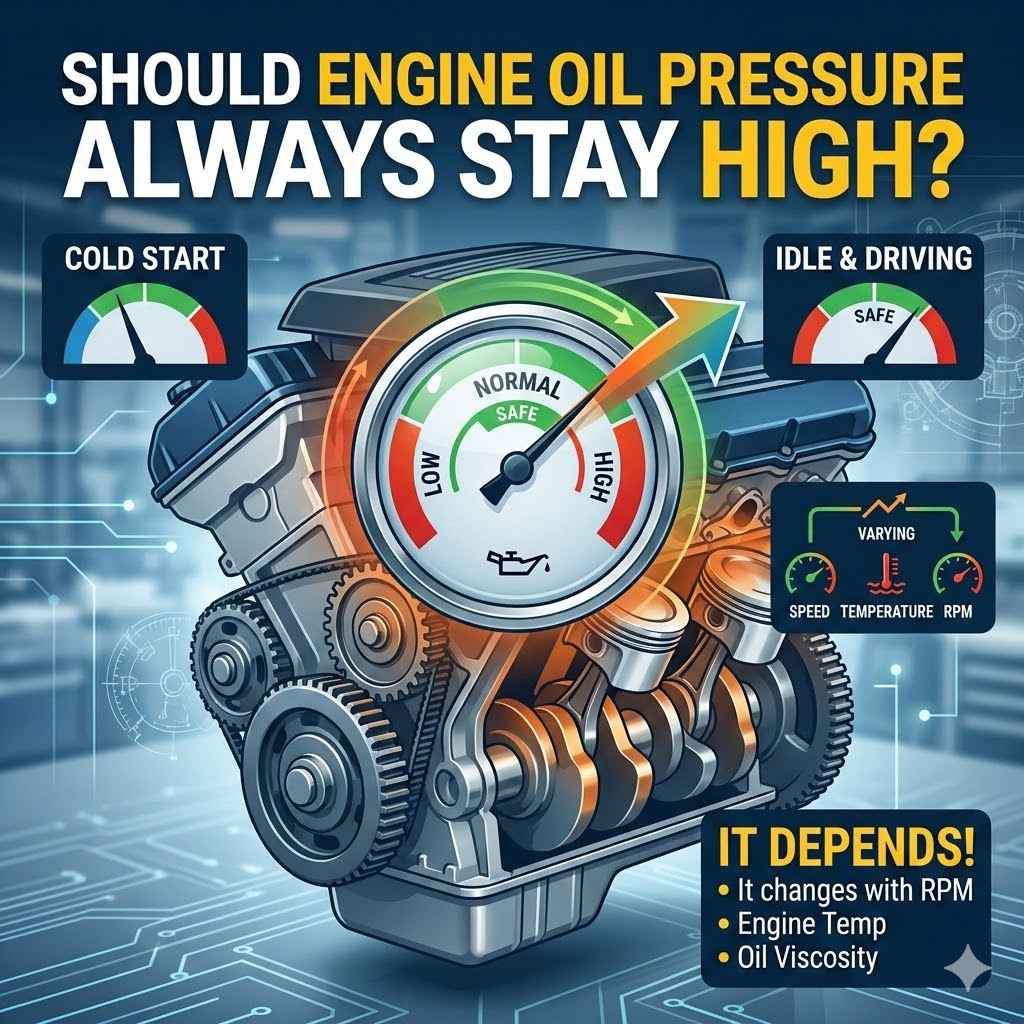
Should Engine Oil Pressure Always Stay High
Many car owners wonder, “Should Engine Oil Pressure Always Stay High?” It’s a question that pops up when a warning light comes on or during a routine check. For folks new to car care, it can feel a bit confusing. You want your engine to run smoothly, and oil pressure seems like a big part of that.
But what’s normal and what’s not? This guide will make it simple. We’ll break down what engine oil pressure means and what you should know, step by step.
We will help you figure out if high oil pressure is always good.
Understanding Engine Oil Pressure Basics
This section breaks down what engine oil pressure is all about. We explain why oil is important for your car’s engine. You’ll learn how the oil pump and other parts work together.
We will also touch on how oil pressure is measured and why it matters for your engine’s health. This will give you a solid foundation for understanding the rest of the topic.
What is Engine Oil Pressure?
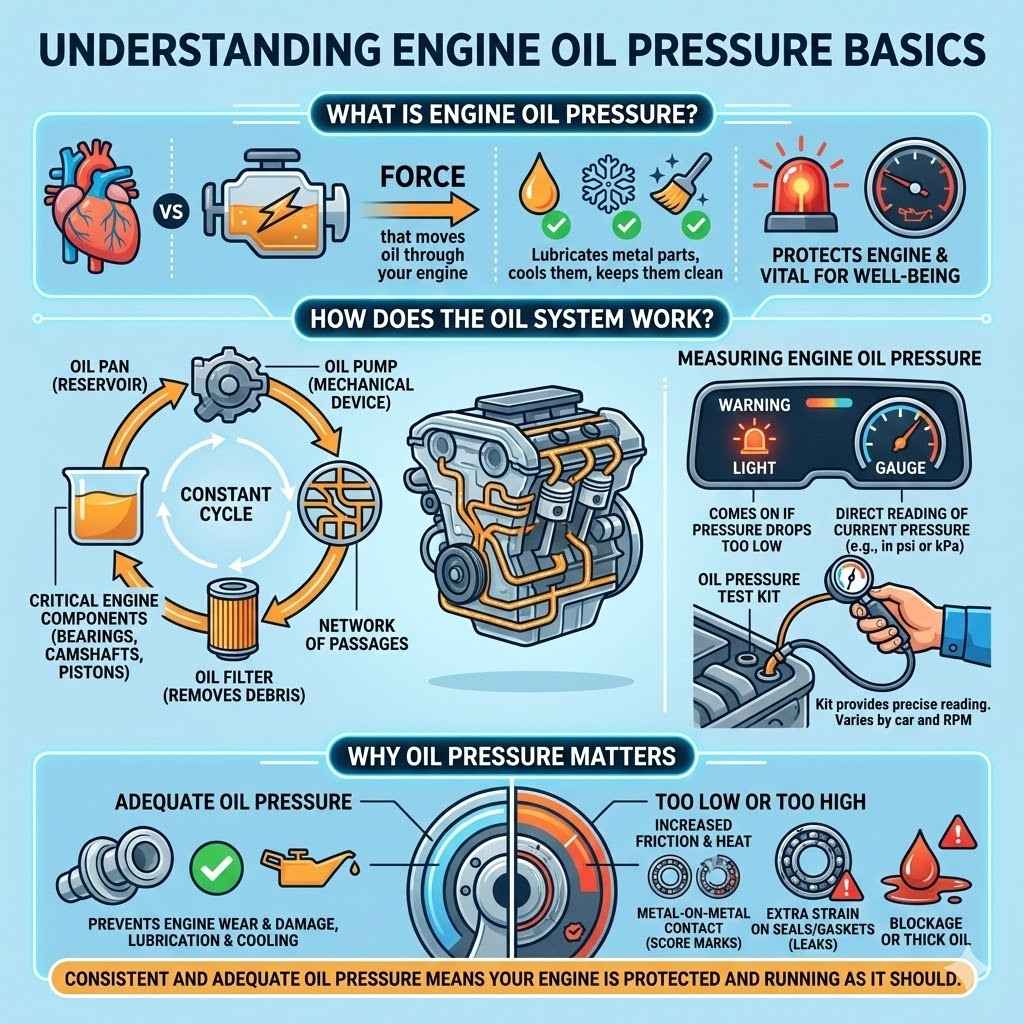
Engine oil pressure is the force that moves oil through your engine. Think of it like your heart pumping blood. Oil lubricates all the moving metal parts inside your engine.
It also helps cool them down and keeps them clean. Without enough oil pressure, parts can rub together. This can cause a lot of damage very quickly.
So, oil pressure isn’t just a number on a gauge. It’s a vital sign for your engine’s well-being. It tells you if the oil is flowing correctly to all the important places.
A consistent and adequate oil pressure means your engine is protected and running as it should.
How Does the Oil System Work?
Your engine’s oil system starts with the oil pan. This is like a reservoir holding the engine oil. When the engine starts, the oil pump kicks in.
The oil pump is a mechanical device that draws oil from the pan. It then pushes this oil under pressure through a network of passages. These passages lead to all the critical engine components.
The oil travels through filters to remove dirt and debris. It then reaches bearings, camshafts, pistons, and other parts. After lubricating and cooling these parts, the oil returns to the oil pan.
This cycle repeats constantly while the engine is running. The oil pressure needs to be just right to ensure proper flow.
Measuring Engine Oil Pressure
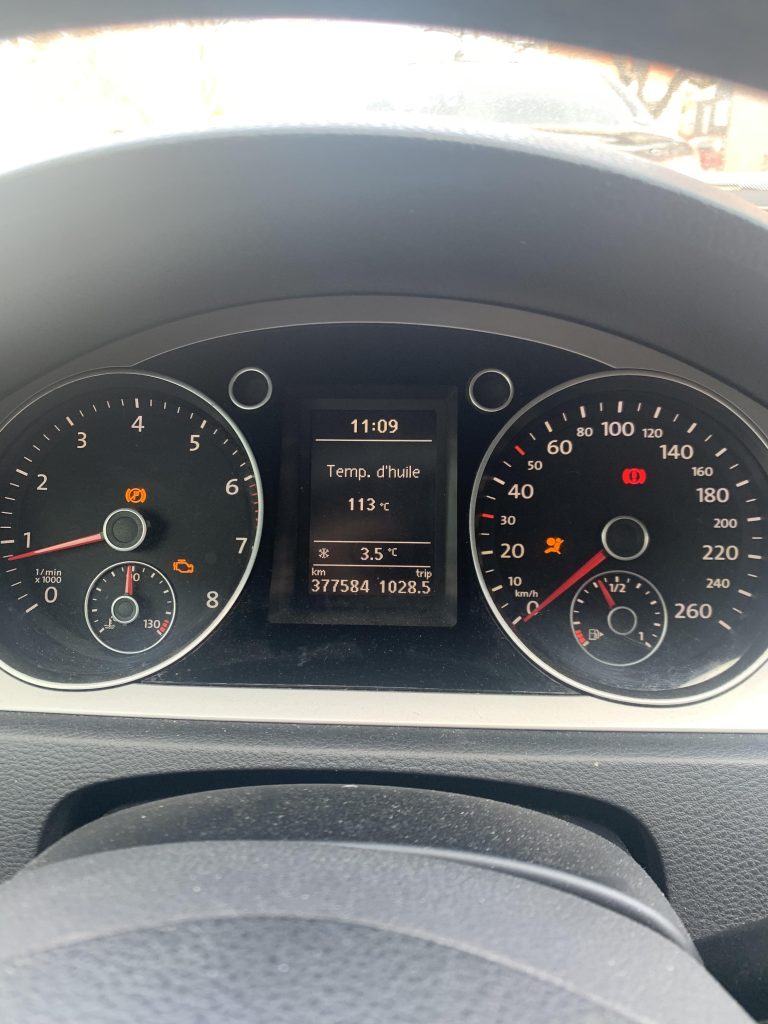
Engine oil pressure is typically measured in pounds per square inch (psi) or kilopascals (kPa). Your car’s dashboard has a warning light or a gauge for oil pressure. The warning light usually comes on if the pressure drops too low.
A gauge provides a more direct reading of the current pressure.
Mechanics use a special tool called an oil pressure test kit. This kit is connected directly to an oil port on the engine. It gives a precise reading.
Different cars have different recommended oil pressure ranges. These ranges can also vary depending on engine speed (RPM).
Why Oil Pressure Matters
Adequate oil pressure is critical for preventing engine wear and damage. When the pressure is too low, vital parts don’t get enough lubrication. This can lead to increased friction and heat.
Metal-on-metal contact can cause scoring and premature wear of components like bearings and cylinder walls.
Conversely, if the pressure is too high, it can also cause problems. It might put extra strain on seals and gaskets. This could lead to leaks.
It could also mean the oil is too thick, or there’s a blockage somewhere. So, both too low and too high pressure can be signs of trouble.
Is High Engine Oil Pressure Always Good
This section directly addresses the core question: Should Engine Oil Pressure Always Stay High? We will explore why you might see higher than normal pressure. We will discuss common causes for this condition. You will learn about the potential risks associated with excessively high oil pressure.
We will also clarify what “high” actually means in this context.
Understanding Normal Oil Pressure Ranges
Normal engine oil pressure isn’t a single fixed number. It varies based on several factors. These include engine speed (RPM), engine temperature, and the viscosity of the oil being used.
For most passenger cars, typical oil pressure readings at idle are around 20-45 psi. When the engine is running faster, the pressure can increase to 30-70 psi.
These are general guidelines. Your car’s owner’s manual will have the specific recommended pressure ranges for your vehicle. It’s important to consult this manual for the most accurate information.
Deviations outside these ranges, whether too low or too high, can indicate a problem.
Common Causes of High Oil Pressure
Several things can cause your engine’s oil pressure to read higher than normal. One of the most common reasons is using oil that is too thick. This is often referred to as having the wrong oil viscosity.
For example, using a 10W-40 oil when the manufacturer recommends a 5W-20 can lead to higher pressure, especially when the engine is cold.
Another significant cause is a clogged oil filter or oil pickup screen. When these components become blocked with debris, it restricts the flow of oil. The oil pump has to work harder to push the oil through, which can artificially inflate the pressure reading.
A faulty oil pressure relief valve can also be the culprit. This valve is designed to regulate pressure; if it sticks closed, pressure can build up.
Cold weather can also temporarily increase oil pressure. This is because cold oil is thicker. As the engine warms up, the oil thins out, and the pressure should drop to its normal operating range.
If high pressure persists even when the engine is fully warmed up, it points to a problem.
Potential Risks of Excessively High Oil Pressure
While it might seem like more pressure is always better, excessively high oil pressure can be harmful. It puts extra stress on the engine’s oil seals and gaskets. These rubber components can be damaged by the extreme force.
This damage can lead to oil leaks, requiring costly repairs.
High pressure can also strain the oil pump itself. The pump might wear out faster if it’s constantly working against excessive resistance. In some cases, very high pressure could even cause internal engine components to be over-lubricated.
This might seem counterintuitive, but too much oil flow can sometimes disrupt normal engine operation. It can also lead to increased oil consumption or foaming.
What “High” Really Means
When we talk about “high” engine oil pressure, it’s relative to the recommended specifications for your specific vehicle. A reading of 75 psi might be considered high for an engine that normally operates around 40-60 psi at higher RPMs. Conversely, a reading that is only slightly above the upper normal limit might not be a cause for immediate alarm.
The key is consistency. If your oil pressure gauge consistently reads at the very top of the scale, or even beyond the scale, that’s a clear sign of a problem. It’s important to monitor your oil pressure over time.
Note any significant and persistent deviations from the expected readings. This persistent deviation is what defines “high” in a problematic context.
Troubleshooting High Engine Oil Pressure
Now that we understand what high oil pressure is and why it’s not always good, this section focuses on what to do about it. We will guide you through the steps to identify the root cause. This includes checking the oil viscosity, inspecting the oil filter, and examining the oil pressure relief valve.
We will also discuss when it’s time to call a professional mechanic.
Checking the Oil Viscosity and Level
The first and easiest step is to check your engine oil. Make sure the oil level is correct. If the oil level is too low, it can sometimes cause erratic pressure readings, though usually low pressure.
More importantly, check the oil’s viscosity. The viscosity grade, like 5W-30 or 10W-40, is printed on the oil bottle.
Compare this to what your car’s manufacturer recommends in the owner’s manual. Using an oil that is too thick for the current climate or the engine’s design is a very common cause of high oil pressure. If you recently had an oil change, the wrong oil might have been used.
If the oil is old and degraded, its viscosity can also change, though this usually leads to lower pressure.
Inspecting the Oil Filter
The oil filter is designed to trap dirt and debris. Over time, it can become clogged. A clogged oil filter restricts oil flow, forcing the oil pump to work harder.
This can increase oil pressure. It’s a good idea to check the condition of your oil filter.
If your oil filter is due for replacement, that’s likely the cause. Replacing a clogged oil filter is a relatively simple maintenance task. If the filter appears excessively dirty or damaged, it should be replaced immediately.
Make sure to use a high-quality filter that meets your vehicle’s specifications.
Examining the Oil Pressure Relief Valve
Every oil pump has a pressure relief valve. This is a safety device. Its job is to open up if the oil pressure gets too high.
This allows some oil to bypass the system and return to the oil pan, thus lowering the pressure. If this valve gets stuck in the closed position, the oil pressure can build up to dangerous levels.
Diagnosing a faulty oil pressure relief valve often requires specialized tools and knowledge. It’s usually located within the oil pump assembly or as a separate component. If you suspect the relief valve is the issue, it’s best to have a qualified mechanic inspect and repair it.
Tampering with this valve without proper understanding can lead to more significant engine damage.
When to Seek Professional Help
If you’ve checked your oil level and viscosity, and
A mechanic has the diagnostic equipment to accurately pinpoint the problem. They can perform tests like checking oil pressure at different RPMs and temperatures. They can also safely access and inspect internal components like the oil pump and relief valve.
Don’t delay seeking professional help if you’re unsure about the cause of high oil pressure.
Real-Life Scenarios and Statistics
In this section, we’ll look at some real examples. We will see how high oil pressure affected actual cars. We will also share some interesting numbers about engine maintenance.
These examples will help you connect the information to everyday driving situations. They will show why paying attention to your car’s oil pressure is important.
Case Study A A Sudden Spike in Oil Pressure
Sarah noticed her car’s oil pressure gauge suddenly jumping to the highest setting. This happened shortly after a cold start. The oil warning light did not come on, but the reading was unusual.
She had recently used a slightly thicker oil than usual due to a mix-up at the auto parts store.
She immediately pulled over safely and let the engine cool. After checking her owner’s manual, she confirmed the recommended oil viscosity for the current temperature. She then drove to a service station and had the oil changed to the correct grade.
Within a few minutes of driving with the new oil, the pressure gauge returned to its normal operating range. This case highlights how using the correct oil viscosity is paramount.
Case Study B Clogged Filter Causes Issues
John’s car started making a slight whining noise from the engine bay. He also noticed the oil pressure light flickering occasionally, but not staying on. He decided to check his maintenance records and realized the oil filter hadn’t been changed in a long time.
It was well past the recommended service interval.
He had the oil and filter changed. After the service, the flickering light disappeared, and the engine ran more smoothly. An inspection of the old filter revealed it was heavily clogged with sludge and debris.
This restricted oil flow, causing temporary drops and spikes in pressure, which explained the flickering light. This shows the importance of regular oil filter changes.
Statistics on Engine Oil Maintenance
According to a survey by a leading automotive association, about 40% of vehicle owners admit to skipping recommended maintenance like oil changes. This neglect can lead to significant engine problems down the road.
Another study found that proper engine oil maintenance can extend an engine’s lifespan by up to 30%. This includes not just changing the oil and filter, but also using the correct type and grade of oil.
Sample Scenario Monitoring for Changes
Imagine you are driving your car every day. You are used to seeing your oil pressure gauge sit around the middle of the dial when the engine is warm. One day, you notice it’s consistently reading closer to the top of the dial, even when the engine is fully warmed up.
This change, even without a warning light, is something to pay attention to.
Your next step should be to check your owner’s manual. Confirm the correct oil viscosity for the weather. If you recently had an oil change, review the work order or talk to the mechanic about the oil used.
If the viscosity is correct, consider if it’s time for an oil filter change. If the problem persists, it’s time to consult a professional.
Sample Scenario Warning Light Illumination
You are driving on the highway, and suddenly the red oil pressure warning light on your dashboard illuminates. This is a serious alert. You should immediately reduce your speed, turn off accessories like the air conditioning, and find a safe place to pull over as soon as possible.
Do not continue driving.
Once safely stopped, turn off the engine. After the engine has cooled for a few minutes, check the oil level. If the oil level is very low, this could be the cause.
If the oil level is fine, the issue is likely a more serious problem like a failed oil pump, a severely clogged oil passage, or a faulty oil pressure sensor. In this situation, do not restart the engine. You will need to have your vehicle towed to a repair shop.
Related Engine Oil Pressure Considerations
Beyond the core question of Should Engine Oil Pressure Always Stay High?, there are other factors that influence oil pressure and engine health. This section covers topics like oil weight and its impact, how engine temperature affects pressure, and the role of oil additives. Understanding these elements provides a more complete picture.
The Impact of Oil Weight (Viscosity)
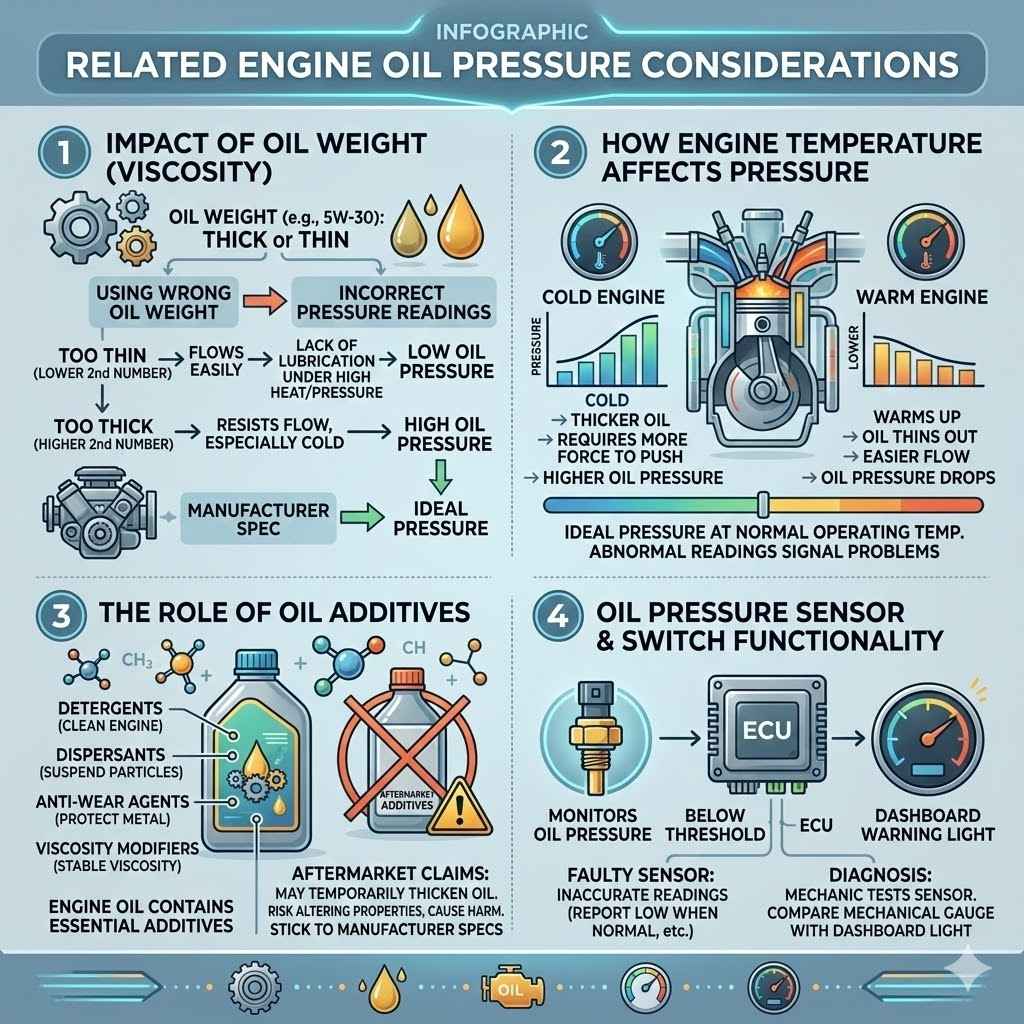
Oil weight, or viscosity, refers to how thick or thin the oil is. This is often represented by numbers like 5W-30. The “W” stands for “winter,” meaning the oil flows better at cold temperatures.
The second number indicates viscosity at normal operating temperatures. Using the wrong oil weight is a major reason for incorrect oil pressure readings.
If the oil is too thin (lower second number), it flows easily but might not provide enough lubrication under high heat and pressure. This usually leads to low oil pressure. If the oil is too thick (higher second number), it resists flow, especially when cold.
This can cause high oil pressure. Always use the viscosity recommended by your car manufacturer.
How Engine Temperature Affects Pressure
Engine temperature plays a significant role in oil pressure. When an engine is cold, the oil is thicker. This increased thickness means it takes more force to push the oil through the engine’s passages.
Consequently, oil pressure is typically higher when the engine is cold.
As the engine warms up, the oil thins out. This makes it easier for the oil to flow. As a result, oil pressure usually drops.
The ideal oil pressure occurs when the engine is at its normal operating temperature. If the pressure remains abnormally high even after the engine is fully warmed up, it indicates a problem. Similarly, if the pressure drops too low when warm, that’s also a concern.
The Role of Oil Additives
Engine oil contains various additives that improve its performance. These additives can include detergents to clean the engine, dispersants to keep particles suspended, anti-wear agents to protect metal surfaces, and viscosity modifiers. Viscosity modifiers are particularly relevant as they help the oil maintain a stable viscosity across a range of temperatures.
Some aftermarket oil additives claim to increase oil pressure. While some might temporarily thicken the oil, using them without understanding the potential side effects is risky. They can sometimes alter the oil’s intended properties and potentially cause more harm than good.
It’s generally best to stick with oils that meet manufacturer specifications without adding extra chemicals, unless specifically recommended by the manufacturer.
Oil Pressure Sensor and Switch Functionality
The oil pressure sensor (or switch) is a small but vital component. It monitors the oil pressure within the engine. If the pressure falls below a certain threshold, it sends a signal to the engine control unit (ECU).
This signal then triggers the oil pressure warning light on your dashboard.
A faulty oil pressure sensor can give inaccurate readings. It might report low pressure when it’s normal, or vice versa. It’s important to ensure the sensor itself is functioning correctly.
If you’re experiencing unusual oil pressure readings, a mechanic will often test the sensor as part of the diagnosis. A consistent reading on a mechanical gauge that differs from the dashboard warning light can point to a sensor issue.
What About Oil Additives for High Pressure
You might see products advertised as “oil pressure boosters” or “high-pressure additives.” These products typically work by thickening the oil. They contain substances that increase the oil’s viscosity, especially at higher temperatures. While they might temporarily raise a low oil pressure reading, they are not a solution for the underlying problem.
Using these additives when your oil pressure is already high can exacerbate the issue. It could lead to damage to seals and gaskets, similar to using oil that is too thick. They can also hinder proper oil flow to critical components, especially in cold weather.
It’s best to address the root cause of any oil pressure problem rather than masking it with additives.
Frequently Asked Questions
Question: Is it normal for my engine oil pressure to be higher when the engine is cold
Answer: Yes, it is normal for engine oil pressure to be higher when the engine is cold. Cold oil is thicker and resists flow more, causing the oil pump to generate higher pressure. As the engine warms up, the oil thins out, and the pressure should decrease to its normal operating range.
Question: Can I ignore a high engine oil pressure reading if the warning light is off
Answer: No, you should not ignore a consistently high engine oil pressure reading, even if the warning light is off. A high reading can indicate potential problems like using oil that is too thick, a clogged oil filter, or a faulty pressure relief valve. Ignoring it could lead to engine damage.
Question: How often should I check my engine oil pressure
Answer: It’s a good practice to check your engine oil pressure periodically. You can do this by looking at your car’s oil pressure gauge when the engine is running. Pay attention to any significant changes from its normal reading.
Regular visual checks are part of good car maintenance.
Question: What is the difference between oil pressure and oil level
Answer: Oil level refers to the amount of oil in your engine’s oil pan. Oil pressure is the force with which the oil is being pumped through the engine’s lubrication system. You can have a correct oil level but still have low or high oil pressure, indicating a different type of problem.
Question: Should I use a synthetic oil if my car has high oil pressure
Answer: Using a synthetic oil doesn’t automatically fix high oil pressure. The key is to use the correct viscosity grade recommended by your car’s manufacturer. Synthetic oils can offer better protection and performance, but they must be the right weight for your engine and climate.
Conclusion
Engine oil pressure needs to be within a specific range, not always high. While slightly higher pressure when cold is normal, consistently high readings suggest a problem. These issues can range from using the wrong oil viscosity to a clogged filter or faulty relief valve.
Addressing these concerns promptly helps prevent costly engine damage. Always refer to your owner’s manual for correct specifications.