Should Your Car Always Stay at Optimal Temperature?
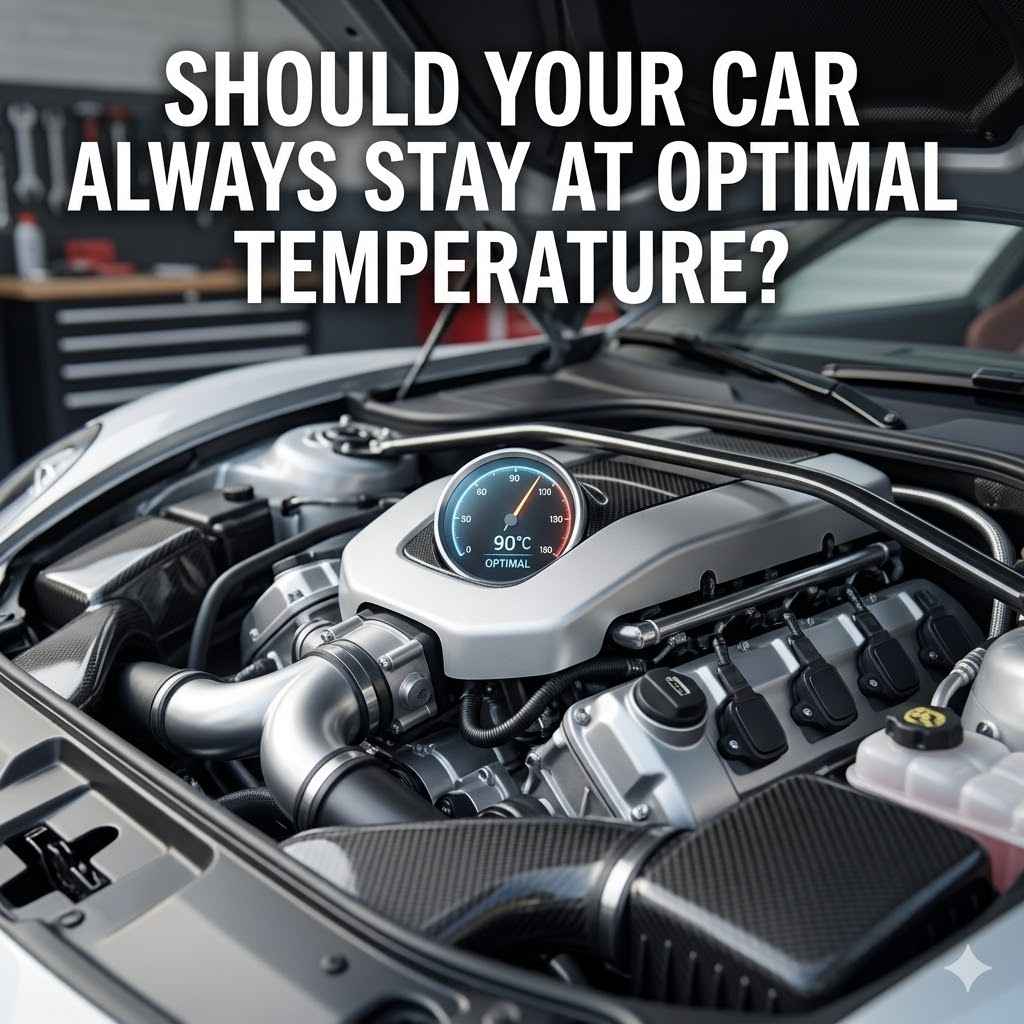
Many car owners wonder, “Should Your Car Always Stay at Optimal Temperature?” This question can seem tricky, especially for those new to car care. You might worry about engine health and fuel use. Don’t fret! We will break it down step-by-step, making it easy to grasp how your car’s temperature works and why it matters. Get ready to learn simple ways to keep your engine happy.
Why Car Engine Temperature Matters Greatly
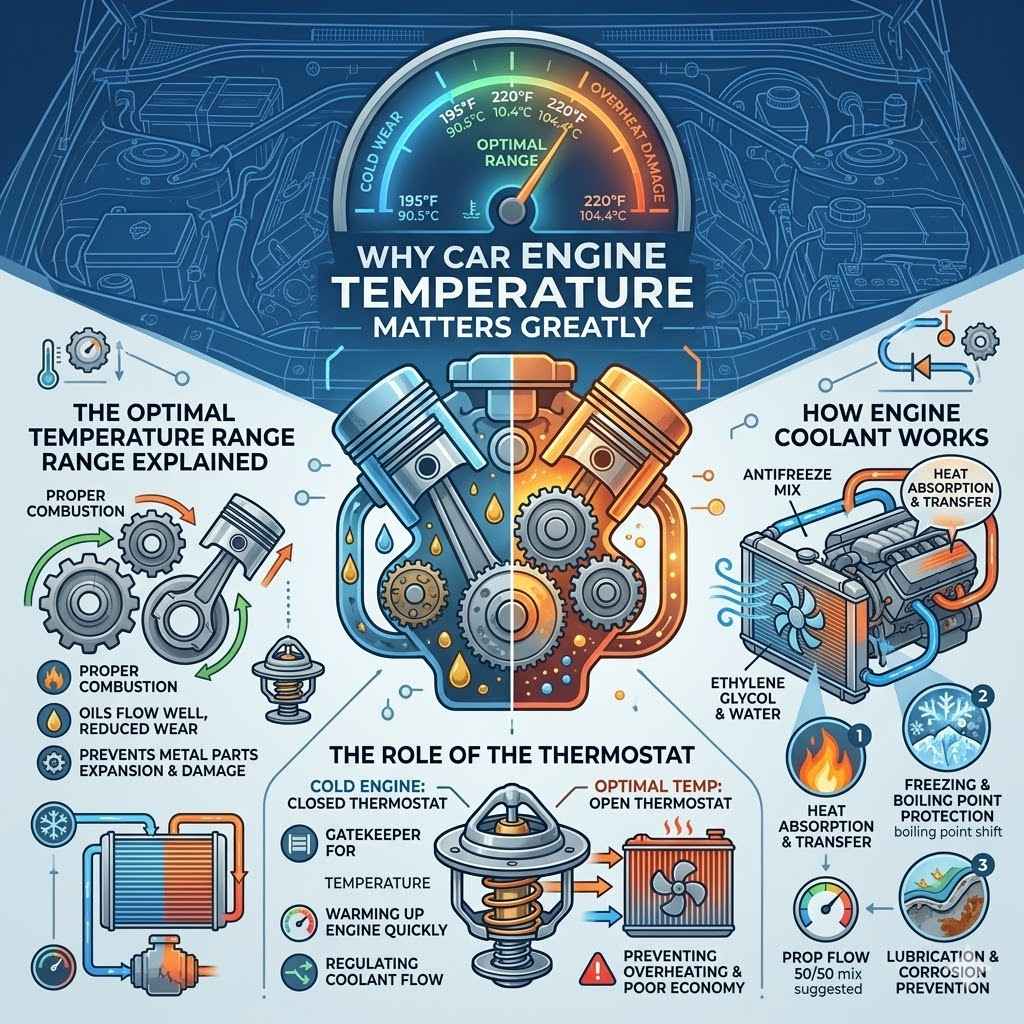
Understanding your car’s engine temperature is super important for its long life. When an engine runs too cold or too hot, it can cause problems. Keeping it in the sweet spot, the optimal temperature, helps everything work smoothly. This sweet spot is where the engine performs best, using fuel efficiently and lasting longer. For beginners, it might seem like a lot to think about, but it’s simpler than it sounds. We will explore why this range is so key and what affects it.
The Optimal Temperature Range Explained
What is the “optimal temperature” for your car’s engine? Generally, it’s the temperature range where the engine’s internal parts are not expanding or contracting too much. This typically falls between 195°F (90.5°C) and 220°F (104.4°C) for most gasoline engines. This range is important because it allows for proper combustion and lubrication. When the engine is too cold, oil doesn’t flow as well, causing more wear on parts. If it gets too hot, metal parts can expand too much, leading to damage.
How Engine Coolant Works
Engine coolant, also known as antifreeze, is a vital fluid. It circulates through the engine to absorb heat. The coolant then travels to the radiator, where it is cooled by airflow. This cooled fluid returns to the engine to repeat the process. Coolant also contains additives to prevent rust and corrosion inside the engine’s metal parts. It’s usually a mix of ethylene glycol or propylene glycol and water. A 50/50 mix is common for best performance in various weather.
Heat Absorption and Transfer
Coolant’s primary job is to take heat away from the engine’s hot combustion chambers. As it flows through channels in the engine block, it picks up this heat. This prevents the engine from overheating. The heated coolant then moves to the radiator.
Freezing and Boiling Point Protection
Coolant raises the boiling point of water and lowers its freezing point. This means it can protect your engine in both very hot and very cold weather. Without proper coolant, water in the cooling system could freeze and expand, cracking engine parts in winter. In summer, plain water would boil away quickly.
Lubrication and Corrosion Prevention
The additives in coolant help to keep internal engine components lubricated. They also prevent the formation of rust and scale within the cooling system. This keeps the system clean and efficient for longer. Over time, these additives can break down, which is why coolant needs to be flushed and replaced.
The Role of the Thermostat
The thermostat is like a gatekeeper for your engine’s temperature. It sits in the cooling system and controls the flow of coolant. When the engine is cold, the thermostat stays closed. This stops coolant from flowing to the radiator. It helps the engine warm up faster. Once the engine reaches its optimal temperature, the thermostat opens. This allows hot coolant to flow to the radiator to be cooled.
Warming Up the Engine Quickly
A key function of the thermostat is to help the engine reach its operating temperature quickly. A cold engine runs less efficiently and produces more pollution. By keeping the coolant circulating only within the engine block when it’s cold, the thermostat speeds up the warm-up process.
Regulating Coolant Flow
When the engine warms up, the thermostat senses the rising temperature. It then gradually opens to allow coolant to pass through to the radiator. This process is continuous. The thermostat will open and close as needed to maintain the engine within its ideal temperature range.
Preventing Overheating
If the thermostat fails to open, the coolant can’t reach the radiator. This will cause the engine to overheat quickly. If it fails to close properly, the engine may run too cool, especially in cold weather, leading to poor fuel economy and increased wear.
Signs Your Car Might Be Running Too Hot or Too Cold
Noticing changes in your car’s behavior can alert you to temperature issues. The most obvious sign is the temperature gauge on your dashboard. If it creeps into the red zone, your car is overheating. If it stays very low for a long time, it might be running too cold. There are other signs too.
Overheating Warning Signs
When your car’s engine gets too hot, it can be serious. You might see steam coming from under the hood. A burning smell could also be a sign. Your car might also lose power. The temperature gauge is your main indicator.
Dashboard Temperature Gauge
The most direct sign of overheating is the temperature gauge on your dashboard. If the needle is in the red danger zone, the engine is too hot. It’s important to react quickly if you see this.
Steam from Under the Hood
If you see steam billowing from under the hood, it usually means coolant is leaking and boiling on hot engine parts. This is a critical sign that you should pull over safely and turn off the engine immediately.
Sweet Smell or Burning Smell
A sweet smell often indicates a coolant leak. This is because coolant has a sweet odor. A burning smell could mean oil is leaking onto hot engine components or that something is overheating severely.
Running Too Cold Warning Signs
An engine that runs too cold might not seem as urgent as overheating, but it’s still a problem. It can lead to poor performance and damage over time.
Low Temperature Gauge Reading
If the temperature gauge needle stays on the lower end of the scale for an extended period, even after driving for a while, your engine might be running too cold.
Poor Fuel Economy
An engine that is too cold doesn’t burn fuel as efficiently. You might notice you are filling up your gas tank more often than usual. This is a sign that the engine isn’t reaching its ideal operating temperature for optimal fuel use.
Sluggish Performance
A cold engine can feel less responsive. You might notice that your car accelerates more slowly than it normally does. This happens because the engine’s systems are not yet operating at peak efficiency.
Maintaining Your Car’s Optimal Temperature
Keeping your car at its best temperature involves a few regular checks and maintenance steps. It’s not complicated and can save you from costly repairs down the road. These simple habits ensure your car runs smoothly and efficiently.
Regular Coolant Checks and Flushes
Coolant is the lifeblood of your car’s temperature regulation system. Checking its level and condition regularly is key. You should also get it flushed and replaced according to your car’s maintenance schedule.
Checking Coolant Levels
Periodically check the coolant level in your car’s reservoir. It’s usually a translucent plastic tank located near the radiator. Make sure the level is between the “min” and “max” lines when the engine is cool.
Inspecting Coolant Condition
Look at the color and clarity of the coolant. It should be a bright, clean color, like green, orange, or pink, depending on the type. If it looks rusty, murky, or has debris in it, it needs to be flushed.
Coolant Flushes and Replacement
Your car’s owner’s manual will recommend how often to flush and replace the coolant. This typically happens every few years or after a certain number of miles. This process removes old coolant and any buildup in the system.
Thermostat and Radiator Care
The thermostat and radiator work together to manage coolant flow and heat dissipation. Keeping them in good shape is vital for preventing overheating.
Thermostat Functionality
If you suspect a thermostat issue, a mechanic can test its operation. A faulty thermostat will either stick open or closed, both causing temperature problems. Replacing a thermostat is usually a straightforward repair.
Radiator Health
The radiator can become clogged with debris or corrode over time. Keep the exterior fins clean by gently hosing them down. Ensure the radiator cap is in good condition, as it maintains system pressure.
Fan Operation
Your car has a cooling fan, often electric, that pulls air through the radiator when the car is moving slowly or stopped. Make sure this fan turns on when the engine gets hot. A malfunctioning fan can lead to overheating in stop-and-go traffic.
Sample Scenario 1 A Leaking Radiator Hose
Imagine Sarah driving home on a hot summer day. She notices her temperature gauge climbing rapidly. A moment later, she smells a sweet, syrupy odor and sees a puddle forming under her car. She pulls over safely and finds a hose connected to the radiator is split. This leak allowed coolant to escape, and without enough coolant, the engine quickly overheated. Sarah had to have the hose replaced and the cooling system refilled. This shows how a simple component failure can lead to major temperature issues.
Benefits of Proper Engine Temperature Management
Maintaining the right engine temperature isn’t just about preventing breakdowns. It also leads to better performance and fuel efficiency.
Improved Fuel Economy
When your engine is at its optimal temperature, it burns fuel more efficiently. This means you’ll get more miles per gallon, saving you money at the pump. Cold engines, as mentioned, are less efficient.
Reduced Engine Wear
Proper temperature control minimizes stress on engine parts. This reduces friction and wear. Over time, this can extend the life of your engine and prevent costly repairs.
Lower Emissions
Engines running at their ideal temperature produce fewer harmful emissions. This is better for the environment and helps your car pass emission tests.
Real-Life Example: The Impact of a Failing Thermostat
Consider John, who noticed his car was taking a very long time to warm up on his daily commute, even on cold mornings. His fuel economy had also dropped significantly. After a few weeks, his check engine light came on. A mechanic diagnosed a faulty thermostat that was stuck open. Even though the engine wasn’t overheating, it was running too cool. This led to the poor fuel economy and increased engine wear. Replacing the thermostat fixed the issue, and John’s car quickly warmed up to normal, and his gas mileage improved. This highlights how both too hot and too cold are bad.
Common Problems Affecting Optimal Car Temperature
Several things can go wrong with your car’s cooling system. Knowing these common problems helps you spot issues early.
Coolant Leaks
Leaks are a very common reason for cooling system problems. Coolant can leak from various points in the system.
Radiator Leaks
The radiator itself can develop leaks due to corrosion or damage. You might see rust spots or wetness on the radiator.
Hose Leaks
Rubber hoses that carry coolant can become brittle, crack, or burst over time. These are frequent failure points.
Water Pump Leaks
The water pump circulates the coolant. If its seal fails, it can leak coolant, often visible around the pump pulley.
Heater Core Leaks
The heater core is part of your car’s heating system but is connected to the cooling system. A leak here can cause fogging on the inside of your windshield and a sweet smell inside the cabin.
Statistics on Cooling System Failures
According to some industry reports, cooling system issues account for a significant portion of vehicle breakdowns. For example, a study might indicate that around 20-30% of all car failures are related to the cooling system, with leaks and thermostat failures being among the most common culprits. These statistics underscore the importance of proactive maintenance.
Faulty Radiator Fan
The radiator fan is crucial for cooling the engine, especially when the car is not moving.
Electric Fan Malfunction
Many modern cars use electric fans. If the motor fails, a fuse blows, or a sensor is faulty, the fan won’t turn on when needed.
Mechanical Fan Issues
Older cars might have fans driven by a belt. The belt could break or become loose, causing the fan to stop spinning.
Sample Scenario 2: The Clogged Radiator
Mark was driving his older pickup truck on a mountain road when he noticed his temperature gauge climbing steadily. He stopped and looked under the hood. He didn’t see any obvious leaks, but the radiator felt unusually hot and the fan was spinning. He realized the fins on the front of his radiator were completely blocked by mud, leaves, and road debris.
This blockage prevented air from passing through and cooling the coolant effectively. After clearing the debris, the temperature began to drop. This shows how external factors can impede the cooling system’s function.
Head Gasket Issues
A blown head gasket is a serious engine problem that directly impacts temperature.
What is a Head Gasket?
The head gasket is a seal between the engine block and the cylinder head. It prevents combustion gases from leaking out and coolant from entering the combustion chambers.
Symptoms of a Blown Head Gasket
Symptoms include white smoke from the exhaust (coolant burning), coolant disappearing with no visible leaks, oil in the coolant, or milky oil. Overheating is a common and severe symptom.
Consequences of a Blown Head Gasket
If not repaired, a blown head gasket can lead to severe engine damage, including warped cylinder heads and piston damage. The engine can quickly overheat.
Case Study: Overheating and Engine Damage
A local garage recently dealt with a vehicle that consistently overheated, despite multiple attempts to fix the cooling system. The owner had replaced the thermostat, flushed the coolant, and even replaced the water pump. The overheating persisted. It turned out the vehicle had a blown head gasket, which was allowing hot combustion gases to enter the cooling system, overwhelming its capacity.
The constant overheating had also warped the cylinder head, requiring a much more expensive repair than if the head gasket had been addressed sooner. This case illustrates the importance of correctly diagnosing the root cause of overheating.
When to Seek Professional Help
While some temperature-related issues can be addressed with basic maintenance, others require expert attention. Knowing when to call a mechanic is important for your safety and your car’s health.
Signs You Need a Mechanic
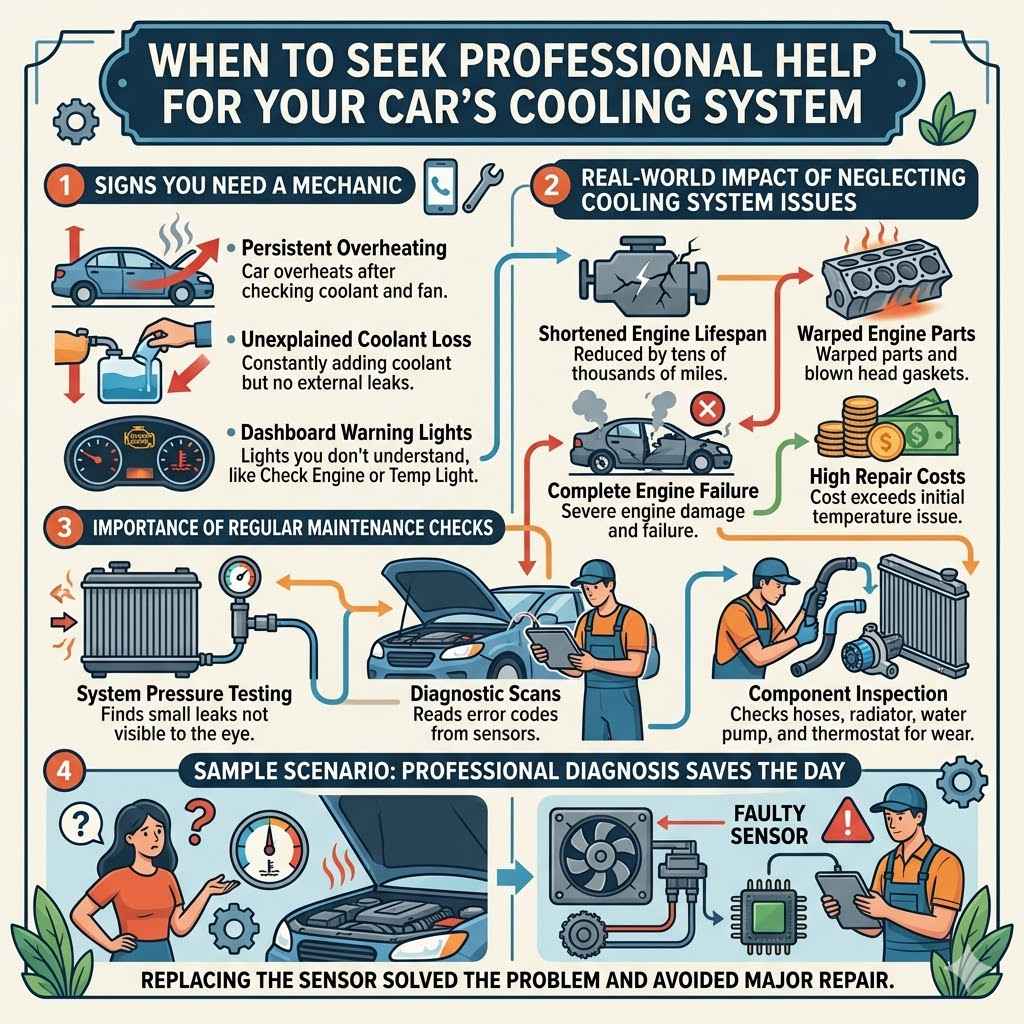
If you notice persistent overheating, coolant loss you can’t explain, or warning lights you don’t understand, it’s time to visit a professional.
Persistent Overheating
If your car continues to overheat after you’ve checked coolant levels and the fan seems to be working, there’s likely a more complex issue.
Unexplained Coolant Loss
If you constantly have to add coolant but can’t find any leaks, it could be an internal leak, like a blown head gasket.
Dashboard Warning Lights
Beyond the temperature gauge, other warning lights like the check engine light could indicate a problem within the cooling system or engine management.
Real-World Impact of Neglecting Cooling System Issues
Ignoring a car that runs too hot can have severe consequences. A study might show that prolonged overheating can reduce an engine’s lifespan by tens of thousands of miles. It can lead to warped engine parts, blown head gaskets, and even complete engine failure. The cost of repairing these damages far exceeds the cost of addressing the initial temperature problem.
Importance of Regular Maintenance Checks
A mechanic can perform more thorough checks of your cooling system during routine maintenance. They have the tools and knowledge to identify potential problems before they become serious.
System Pressure Testing
Mechanics can pressure-test the cooling system to find small leaks that might not be visible otherwise.
Diagnostic Scans
Modern cars have sensors that monitor engine temperature and coolant flow. A mechanic can use diagnostic tools to read error codes.
Component Inspection
They can inspect all parts of the cooling system, including hoses, the radiator, water pump, and thermostat, for wear and tear.
Sample Scenario 3: Professional Diagnosis Saves the Day
Maria heard a strange noise coming from her engine and noticed her temperature gauge was fluctuating more than usual. She wasn’t sure if it was serious. She took her car to her trusted mechanic. The mechanic used a diagnostic tool and found a faulty sensor that was giving incorrect temperature readings.
This sensor was making the cooling fan turn on and off erratically. While it hadn’t caused overheating yet, it was only a matter of time before it would. Replacing the sensor solved the problem, and Maria avoided a potential major repair.
Frequently Asked Questions
Question: How often should I check my car’s coolant level?
Answer: You should check your car’s coolant level at least once a month, and before any long trips. Always check when the engine is cool to avoid burns.
Question: What happens if I put the wrong type of coolant in my car?
Answer: Using the wrong coolant can cause damage to your cooling system. Different coolants have different chemical compositions and may not be compatible, leading to corrosion or blockages.
Question: Can I drive my car if the temperature gauge is in the red?
Answer: No, you should not drive your car if the temperature gauge is in the red. Pull over to a safe location as soon as possible and turn off the engine to prevent severe damage.
Question: How do I know if my thermostat is bad?
Answer: Signs of a bad thermostat include the engine taking too long to warm up, the engine running too cool, or the engine overheating quickly. A mechanic can test it.
Question: Is it okay for my car’s temperature to drop slightly on a long downhill drive?
Answer: Yes, it’s sometimes normal for the temperature gauge to drop slightly on a long downhill drive when the engine is not under heavy load. However, it should not drop significantly or stay at a very low level.
Conclusion
Keeping your car within its optimal temperature range is vital for its health. By regularly checking your coolant, paying attention to your temperature gauge, and addressing issues promptly, you ensure your engine runs efficiently and lasts longer. Simple maintenance steps can prevent costly repairs and keep you safe on the road.