Stock Car vs Sprint Car: Key Differences You Need
Stock cars are heavier, sealed-body oval cars built for longer paved races, while sprint cars are lighter, open-wheel machines built for short dirt tracks; if you want one simple rule, pick stock cars for big paved ovals and sprint cars for tight dirt bullrings. Pick the wrong one and you can end up buying the wrong chassis, tire package, and track-day setup, which gets expensive fast. This guide breaks down driving feel, build needs, track fit, and ownership cost.
Stock car vs sprint car: the core trade-off
The split is plain. Stock cars give you more body protection, more mass, and a calmer contact window; sprint cars give you more punch, less grip forgiveness, and a much sharper response to throttle and steering. On a short oval, a sprint car feels violent and immediate. A stock car feels heavier, more planted, and easier to keep alive in traffic.
| Decision factor | Stock Car | Sprint Car | Winner |
|---|---|---|---|
| Body style | Closed-wheel, NASCAR-style bodywork | Open-wheel with exposed tires | Stock Car for contact protection |
| Track fit | Longer oval racing, contact-heavy racing | Short oval dirt or paved tracks | Depends on track |
| Driving feel | Heavier, more stable, less twitchy | Lighter, quicker to react, easier to upset | Stock Car for newcomers |
| Maintenance burden | Conventional starter and transmission simplify routine use | Push-start logistics, in-or-out gearbox, higher wear | Stock Car |
| Pure short-track speed | Fast, but usually not as sharp on tiny ovals | Built for violent acceleration and short-corner pace | Sprint Car |
Body style changes everything
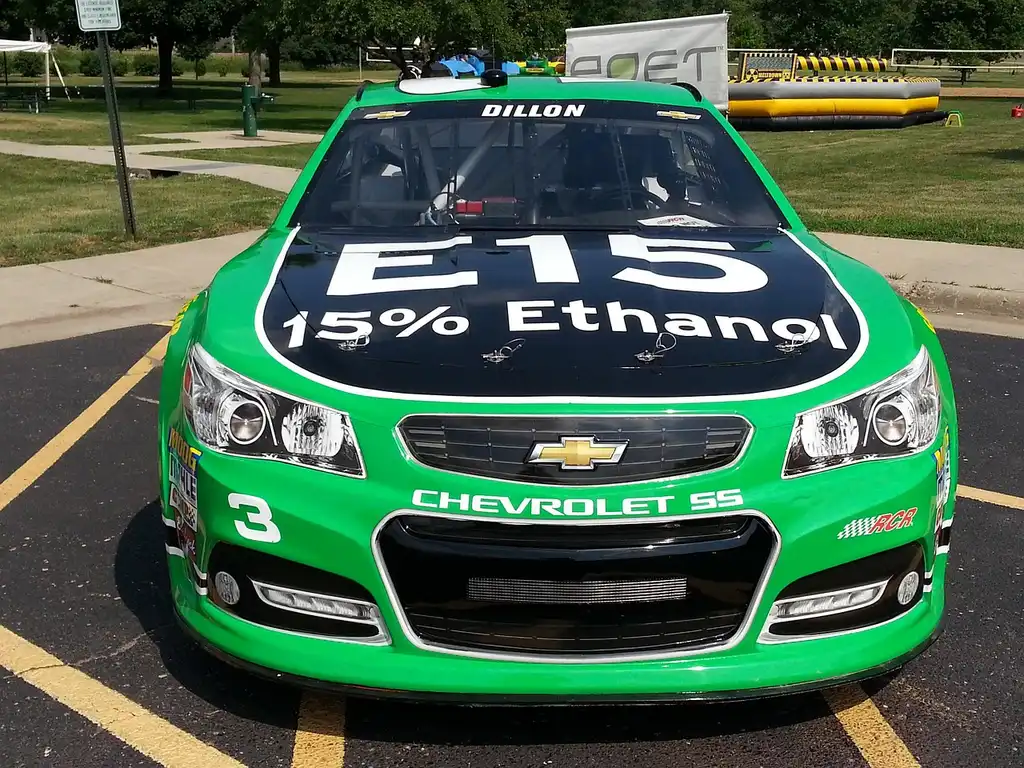
A stock car keeps the wheels covered and the shell enclosed, and that matters the moment the race turns physical. A sprint car is open-wheel, so the tires are part of the car’s feel and part of the risk. One rub of wheels can turn into a bent suspension part in a hurry.
Driving feel changes with weight and grip
Stock cars are heavier and more forgiving in traffic. Sprint cars are light enough to feel nervous on entry, then explosive once the throttle comes in. That means the driver has to be cleaner with hands and feet, especially in wingless form.
Starting and drivetrain are not the same
Most stock cars typically use a transmission and a conventional starter, so the car tends to behave more like a standard race build in the paddock. Sprint cars do not use a transmission, rely on an in-or-out gearbox, and need a push to get going. That alone changes who can own and crew one comfortably.
According to Sprint car racing – Wikipedia — Sprint cars weigh approximately 1,400 pounds including the driver. (source)
How are stock cars and sprint cars different?
Stock cars are closed-wheel oval racers with heavier bodywork, a transmission, and a conventional starter. Sprint cars are open-wheel short-track machines that are lighter, more power-dense, and far more sensitive to setup, throttle, and steering input. You see the difference in the garage long before the green flag.
Open-wheel vs closed-wheel body style
A sprint car’s exposed tires make the car feel narrower and more delicate in traffic. A stock car’s closed-wheel layout gives more room for side-by-side contact and better protection when the race gets rough. That is why stock cars suit longer oval events with more traffic.
Weight, power, and what that means in a corner
Sprint cars weigh approximately 1,400 pounds including the driver and can produce over 900 horsepower. That mix creates instant response and a very small margin for error. Stock cars carry more mass, so the steering and throttle inputs arrive with less shock to the chassis.
Transmission, starter, and launch method
Stock cars normally use a transmission and starter, so they are simpler to fire up and move around the pits. Sprint cars use an in-or-out gearbox and need a push to start, which means extra crew effort and more trackside planning. The sprint car package is brutally efficient, but it is less convenient.
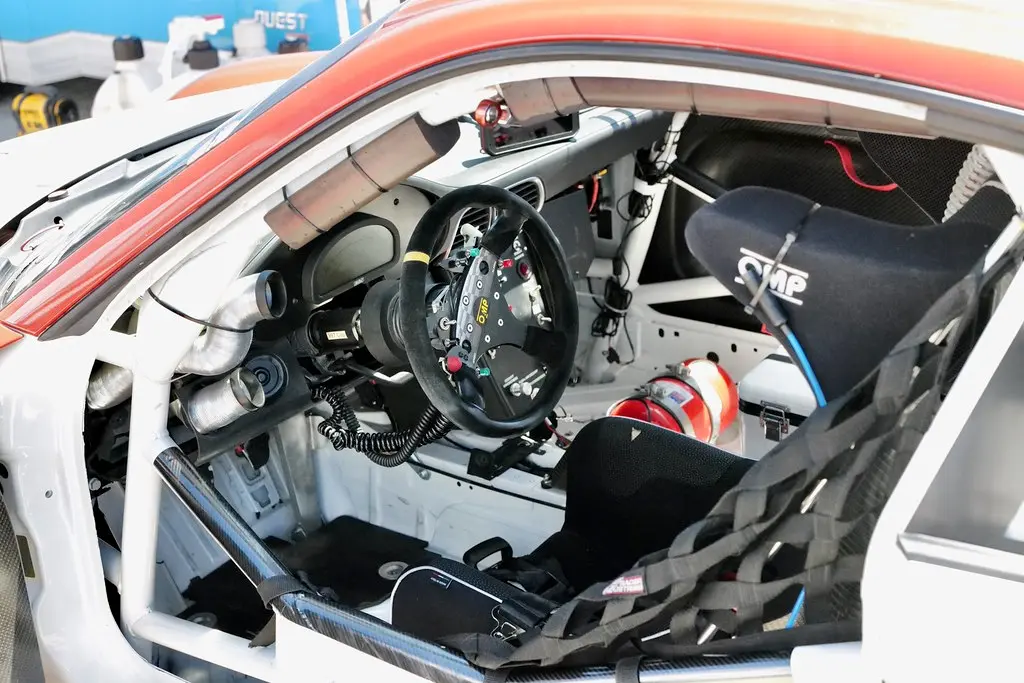
What makes a sprint car so fast?
A sprint car is fast because it pairs very low mass with a huge power load and a short-oval chassis built to put that power down quickly. The top classes use 410 cubic-inch engines, and the car can exceed 160 miles per hour in the right conditions. It is speed packed into a tiny package. (en.wikipedia.org)
410 cubic-inch sprint car engine
The common premier sprint engine is 410 cubic inches, which is 6.7 L. It is naturally aspirated and methanol-injected, and it is the engine most fans picture when they think about elite sprint car racing. In practice, this is the benchmark package for top-level power and throttle violence.
360 cubic-inch sprint car engine
A lower-budget sprint car class uses 360 cubic-inch engines, which is 5.9 L. These cars still hit hard and still demand respect, but the class sits below the premier 410 world in cost and output. The 360 package can produce up to 775 horsepower.
About 1,400 pounds, over 900 horsepower, and 160-plus mph
Those numbers explain the feel. A car that light, with that much power, accelerates hard and changes direction before the driver is fully settled. That is why sprint cars feel alive on entry and demanding at the limit.
Why do sprint cars have wings?
Wings help sprint cars stick to the track by adding downforce and traction. They also cut the chance of the car going fully airborne, which matters in a class that can pitch hard when grip changes suddenly. Winged sprint cars are usually easier to control than wingless cars.
How wings change traction and steering
With more downforce, the tire can take more load before sliding. That means the driver can lean on the car harder through the corner and get back to throttle with less drama. On slick dirt, that extra bite matters.
Why winged cars are usually easier to drive
The wing adds stability when the car is trying to rotate too quickly. It calms the rear end and gives the driver more margin when the surface changes. That is one reason winged sprint car racing is often an entry point for many newcomers.
What wingless sprint car racing asks of the driver
Wingless sprint cars are the traditional sprint cars, and they require more precision. With less downforce, the driver has to manage throttle, yaw, and steering angle with more care through the corner. The upside is a raw, direct feel; the downside is a much smaller forgiveness window.
What does a wingless sprint car mean?
A wingless sprint car is generally the traditional version of the class, with no top wing and no sideboard wing. It has less downforce, less planted grip, and a harder job keeping the rear tires hooked up. The result is a car that is harder to drive and more likely to produce spectacular mistakes.
Why wingless cars feel harder
Without wing load, the car depends more on mechanical grip and driver timing. The rear steps out sooner, and the driver has to catch it before the slide grows. That is why wingless racing has a reputation for being more raw and more visually dramatic.
Where wingless sprint cars fit
Wingless racing is popular with sanctioning bodies such as USAC/CRA, especially on short dirt ovals. It rewards timing and car control more than straight-line punch alone. Fans often prefer it because the driver’s hands are always busy.
Why do sprint cars use push-starts and in-or-out gearboxes?
Sprint cars use push-starts and in-or-out gearboxes because the class is built around extreme simplicity, low weight, and short-track efficiency. A normal transmission and electric starter would add weight and complexity. The result is a race car that is efficient at the track, but more dependent on crew support.
Why most sprint cars do not use a conventional transmission
The in-or-out gearbox is enough for the way the car is used. Sprint cars are not asked to cycle through multiple road gears during a race. The simpler setup keeps weight down and reduces parts between the engine and the rear end.
How the starting procedure works at the track
Because sprint cars require a push to be started, another vehicle or a starter setup helps get the engine running. That means you need more pit coordination than you would with a stock car. If the crew is short-handed, the car is a problem before hot laps even begin.
What that means for owners and crews
Sprint car ownership usually means more trackside labor and more specific parts handling. The car is not hard to understand, but it is less convenient to operate. That is part of the cost of running a class built for minimal mass and maximum response.
Which tracks favor stock cars or sprint cars?
Sprint cars are designed for short oval, circular dirt or paved tracks, while stock cars are better suited to longer oval racing and contact-heavy events. Track length, surface, and the amount of side-by-side rubbing all matter. The right car on the wrong track will feel wrong immediately.
Dirt short tracks and short paved ovals
Sprint cars belong here. Their short-oval setup, aggressive power delivery, and quick rotation make sense when corners come fast and straightaway length is limited. On tight dirt bullrings, a sprint car feels like the natural tool for the job.
Longer oval racing and contact-heavy events
Stock cars fit better when races run longer and the traffic packs up. The enclosed bodywork and heavier build take contact better than an open-wheel car. That is why stock cars are the more practical choice for many oval classes with sustained side-by-side racing.
How track surface changes setup and tire use
Dirt usually increases the value of throttle control, rotation, and suspension tuning. Paved short ovals can reward stiffness and precision, but the sprint car still asks more from the driver than the stock car. Tire wear also tends to become a bigger operating issue when the car is light and the power is immediate.
Decision table and what you must own
Use the table below as a practical filter, not a fantasy sheet. The right answer depends on race type, surface, budget, and how much control the driver can really manage on corner entry.
| Race type | Track surface | Budget | Skill level | Best pick |
|---|---|---|---|---|
| Short-track speed racing | Dirt | Higher | Advanced | Sprint Car |
| Local oval racing with more contact | Paved | Moderate | Beginner to intermediate | Stock Car |
| Wingless competition | Dirt | Moderate to higher | Advanced | Sprint Car |
| Longer oval racing | Paved | Moderate | Intermediate | Stock Car |
What you must own for a sprint car
- Engine: a 410 cubic-inch or 360 cubic-inch sprint package, depending on class and budget.
- Gearbox: an in-or-out gearbox, not a conventional multi-speed transmission.
- Starter strategy: a push-start plan and crew support at the track.
- Aero: winged hardware if the class allows it, or no wing if the class is wingless.
- Tires: a short-oval tire package that matches the dirt or paved surface.
- Safety gear: helmet, fire suit, gloves, restraint system, and car-specific cockpit protection.
What you must own for a stock car
- Engine: a stock-car oval engine suited to the class rules.
- Transmission: a conventional racing transmission.
- Starter: an electric starter setup for normal pit operation.
- Bodywork: closed-wheel NASCAR-style panels and repair parts.
- Tires: a longer-race tire package that matches the series and surface.
- Safety gear: helmet, fire suit, gloves, restraint system, and enclosure-based cockpit protection.
Choose stock car if… / choose sprint car if…
Choose a stock car if you want a heavier, more enclosed oval car for longer races, more contact, and simpler pit operation. Choose a sprint car if you want short-track speed, dirt racing, or a machine that demands sharper control and more maintenance. The right pick depends on whether you value durability and convenience or raw response and pace.
Choose stock car if…
You are new to oval racing and want a calmer entry into side-by-side competition. You plan to race longer oval events. You expect contact and want enclosed bodywork and a conventional starter/transmission package.
Choose sprint car if…
You want a short-oval dirt or paved machine with violent acceleration and immediate steering response. You are prepared for higher maintenance, push-start logistics, and more demanding throttle control. If the goal is pure short-track speed, the sprint car is the sharper tool.
Frequently asked questions
What is the difference between a stock car and a sprint car?
A stock car is a heavier, closed-wheel oval racer with bodywork, a transmission, and a conventional starter. A sprint car is open-wheel, lighter, and built for short dirt or paved ovals with an in-or-out gearbox and push-start operation. The sprint car is the harder car to drive and maintain.
Are sprint cars faster than stock cars?
On short ovals, yes, sprint cars can be quicker because they are lighter and more power-dense. That said, “faster” depends on the track. On longer paved ovals or in contact-heavy races, stock cars can be the better tool because they carry speed more steadily and tolerate traffic better.
Do sprint cars use transmissions?
Most sprint cars do not use a conventional transmission. They use an in-or-out gearbox, which is simpler and lighter for short-oval racing. Because of that layout, the car also needs a push to start rather than an electric starter like a stock car.
How much horsepower does a sprint car make?
Sprint cars can produce over 900 horsepower in top form. The common premier engine is a 410 cubic-inch methanol-injected V8, while a lower-budget 360 cubic-inch class can produce up to 775 horsepower. The exact feel depends on the class, wing package, and track surface.
Are sprint cars open-wheel or closed-wheel?
Sprint cars are open-wheel race cars. Their tires are exposed, which changes how they react in traffic and increases the consequences of contact. Stock cars are the closed-wheel side of this comparison, with more body coverage and a different contact profile.
What track types are sprint cars built for?
Sprint cars are designed for short oval, circular dirt or paved tracks. That is where their weight, power, and gearing make the most sense. They are not the natural choice for longer oval racing, where stock cars usually fit the job better.
Products related to this article
Sponsored / affiliate links. As an Amazon Associate I earn from qualifying purchases. I may earn additional commission from eligible campaigns.