The Role of Cars in Outdoor Lifestyle Activities Guide
The best car for outdoor use has the cargo room, ground clearance, roof or hitch capacity, and AWD or 4WD the trip actually needs. For many drivers, a wagon, crossover, pickup, or van works better than a low sedan. A poor match leaves gear jammed, access slower, fuel use higher, and strain or safety risks easier to hit. This guide breaks down which vehicle features matter for camping, kayaking, skiing, biking, road trips, and overlanding, plus the tradeoffs between capability, comfort, and cost.
What do cars do for outdoor lifestyle activities?



Cars move people, food, sleeping gear, and tools to trailheads, campsites, beaches, and public land. The right setup also keeps wet or dirty equipment contained, improves comfort on long drives, and lowers the risk of getting stuck far from services.
Access to trailheads, campsites, beaches, and dispersed land
Many outdoor destinations sit beyond paved parking, and the vehicle is what covers those last few miles. Ground clearance helps on rutted access roads; traction helps on dirt, mud, snow, and sand; cargo room decides whether the cooler, tent, and recovery tools all fit without stacking loose gear on top of each other.
Comfort and storage for people, food, wet gear, and tools
Outdoor trips create awkward cargo: muddy boots, ski bags, fuel bottles, sleeping pads, and wet jackets. Fold-flat seats, a wide rear opening, and a washable cargo area make the difference between organized packing and a cabin full of damp clutter. Roof storage helps only if you can live with added height, wind noise, and lower efficiency.
Safety and timing gains when destinations are far from services
A vehicle can improve safety by carrying water, first aid, jumper cables, a flashlight, and tire repair tools. It also matters for timing. A long drive to a dispersed site may need fuel or charging stops, and poor planning can leave you short on range after a detour, a colder headwind, or a slower-than-expected dirt road.
Which body style fits your outdoor activity?
No single body style fits every outing. Sedans work for light loads and paved access, hatchbacks and wagons fit more gear in less length, crossovers and SUVs balance clearance with everyday use, and trucks or vans handle bulky cargo and sleeping setups better. The right answer depends on how much gear you carry and how rough the route gets.
Sedan, hatchback, and wagon use cases
Sedans are best when the trip stays close to pavement and the cargo is compact. Hatchbacks add easier access through a tall rear opening and usually more usable space with the seats folded. Wagons often give strong cargo efficiency, with car-like handling and long, low storage that can work well for camping gear.
Crossover and SUV tradeoffs
Crossovers and SUVs often make loading easier and usually offer more ground clearance than a sedan or wagon. That helps on rough access roads and in snow, but taller bodies can lower fuel economy and raise roof loading to an awkward height. A bigger cabin also does not guarantee better cargo layout if the rear floor is short or uneven.
Truck and van strengths for bulky gear and sleeping setups
Trucks can suit bikes, coolers, recovery boards, and dirty gear when bed length matters more than interior polish. Vans are strongest for car camping because they offer a flat floor, large enclosed volume, and easier sleeping arrangements. Both can carry more, but both also demand more attention to parking height, crosswinds, and fuel use.
How do cargo space and roof storage change what you can bring?
Cargo space determines what fits inside the vehicle, while roof storage decides what has to ride outside. Published cargo numbers often hide the real issue: usable volume after wheel wells, seatbacks, and cooler height are considered. Fold-flat rear seats help, but rooftop storage adds drag, wind noise, and lift at loading time.
Usable cargo volume versus published space figures
Manufacturers usually list cargo volume in cubic feet, but that number can be misleading for outdoor use. A tall cooler, hard-sided tote, or sleeping platform cares about shape as much as volume. The useful question is whether the rear opening fits your largest item and whether the floor stays flat enough to stack gear securely.
Fold-flat seats and sleeping layouts
Fold-flat rear seats can turn a hatchback, wagon, crossover, or SUV into a simple sleeping area. The limits are privacy, ventilation, and safety. You need a way to crack windows for airflow, keep condensation off bedding, and avoid sleeping in a packed cabin where emergency exit becomes awkward.
Roof racks, rooftop tents, and the limits of extra height
Roof racks carry bikes, kayaks, cargo boxes, and rooftop tents, but every item up high affects handling and drag. Most racks and vehicles have a real weight limit, and the total includes the load plus the rack itself. A rooftop tent also raises the center of gravity and makes loading bulkier than many first-time buyers expect.
Picture a crossover with a roof box, two mountain bikes, and a week’s worth of camping food. The gear fits, but the vehicle now has more wind noise, slower acceleration, and less fuel range. That is a fair trade for some trips. It is a bad trade if you need tight city parking or plan to drive long highway distances.
Do you need all-wheel drive or four-wheel drive?
AWD or 4WD helps when traction is limited on dirt, mud, snow, or sand, but neither system fixes poor tires, bad route choice, or reckless driving. Many outdoor trips do fine with two-wheel drive if the road is graded, the weather is stable, and the driver stays within the vehicle’s ground-clearance limits. (caranddriver.com)
Traction on dirt, mud, snow, and sand
AWD and 4WD can reduce wheelspin and help a vehicle move more cleanly on loose surfaces. That matters on wet trailheads, icy campground roads, and shallow sand access points. It does not mean the vehicle can ignore tire pressure, momentum, or stopping distance, especially on soft sand and packed snow.
Why tires and driver judgment still matter more than badges
Good tires often matter more than the driveline badge. All-wheel drive with worn highway tires can still fail on a slick boat ramp or a muddy service road. A careful driver in a front-wheel-drive hatchback with proper tires may go farther, and safer, than a poorly equipped SUV with the wrong tread.
When two-wheel drive is enough
Two-wheel drive is often enough for paved roads, maintained campground access, and dry trailhead lots. If the route is short, the slope is mild, and the weather is stable, you may gain more from lower cost, lower weight, and better fuel range than from extra traction hardware you do not need.
What vehicle features matter most for camping and overlanding?
For camping, the best features are cargo layout, a flat sleeping area, ventilation, and enough range to reach the site and return. For overlanding, the priorities shift toward ground clearance, durable tires, repairable systems, storage for tools and water, and a vehicle that can tolerate long distances on rough roads.
Ground clearance and rough-road access
Ground clearance improves approach and departure angles and reduces scraping on ruts, washboard roads, and steep campground entrances. It helps at trailheads and on snow-covered roads, but it is not a guarantee. Deep ruts, rocks, and uneven crowned roads can still hang up a tall vehicle if the wheelbase is long or the line choice is poor.
All-terrain tires, spare tire planning, and recovery basics
All-terrain tires grip mixed surfaces better than many street tires, especially on dirt and gravel. They also bring tradeoffs: more road noise, more rolling resistance, and often worse fuel economy. For remote travel, basic tire and repair gear often matters more than styling or trim-level details.
Fuel or power range for remote travel
Remote trips demand range planning. Gas drivers need enough fuel to cover the route plus detours and headwinds; EV drivers need charging options that exist after the pavement ends and before the battery gets low. If the route has poor infrastructure, conservative planning beats optimistic estimates every time.
Durability and storage priorities for longer trips
Overlanding favors simple packing and durable hardware. Secure water storage, protected recovery gear, and space for food and spares matter more than luxury trim. A lightly built vehicle can still work, but only if the route stays within its suspension, tire, and range limits.
How do cars make outdoor recreation easier?
Cars make outdoor recreation easier by carrying gear, reducing exposure to weather, and widening the set of places you can reach in one day. They also create a mobile base for changing clothes, storing wet items, and carrying safety gear that would be awkward on foot, by bike, or on a transit schedule.
Seasonal and environmental needs
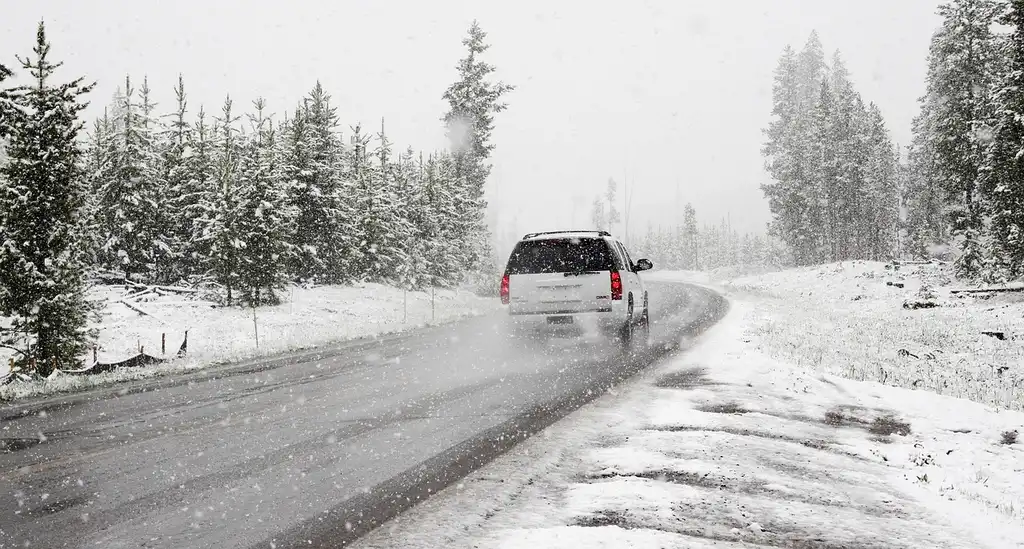
Snow calls for traction and winter emergency gear. Sand rewards lower tire pressure, a cautious throttle, and a route that avoids steep, soft climbs. Heat makes shade, ventilation, and water storage more important. Rain and mud mean you need a place to keep wet gear separate from bedding and electronics.
Common first-timer mistakes
A common first-timer mistake is loading the roof until the vehicle feels top-heavy and then discovering the hatch will not stay pleasant on a windy highway. Another is packing sleeping gear last, after the cooler and the chairs, which leaves no flat space for car camping and forces a bad sleeping position.
What accessories help a car for outdoor trips?
The most useful accessories are the ones that solve a known problem: carrying awkward gear, protecting the cabin, or helping you recover from a minor problem before it becomes a major one. Roof racks, hitch carriers, cargo boxes, seat covers, and recovery tools all have a place, but each adds cost or complexity.
Emergency kit essentials
- Water and extra food for delays.
- First aid kit sized for the group.
- Jumper cables or a jump pack.
- Flashlight or headlamp with spare batteries.
- Tire repair tools, plug kit, and pressure gauge.
- Blanket or extra layer for cold weather.
Navigation tools and offline route planning
Offline maps and GPS apps help when cell service drops, which is common near trailheads, in canyons, and on forest roads. Route planning should include fuel or charging stops, road closures, and a backup exit. Printouts or saved waypoints still help when the phone battery runs low.
Tire pressure, load, clearance, and weather checks
Before leaving, check tire pressure, tread, and the spare. Confirm the total load does not exceed the vehicle rating, especially if the roof or hitch is packed. Also look at forecast wind, rain, snow, or heat, because each one changes stopping distance, range, and the condition of the access road.
Managing wet, sandy, or muddy gear
Use bins or bags to separate clean bedding from damp jackets, sandy shoes, and muddy straps. Wet gear left loose in the cabin can soak insulation, raise odor, and make sleep harder. A cargo liner or washable mat helps, but only if you also keep sharp tools from sliding around.
What is the best vehicle for car camping?
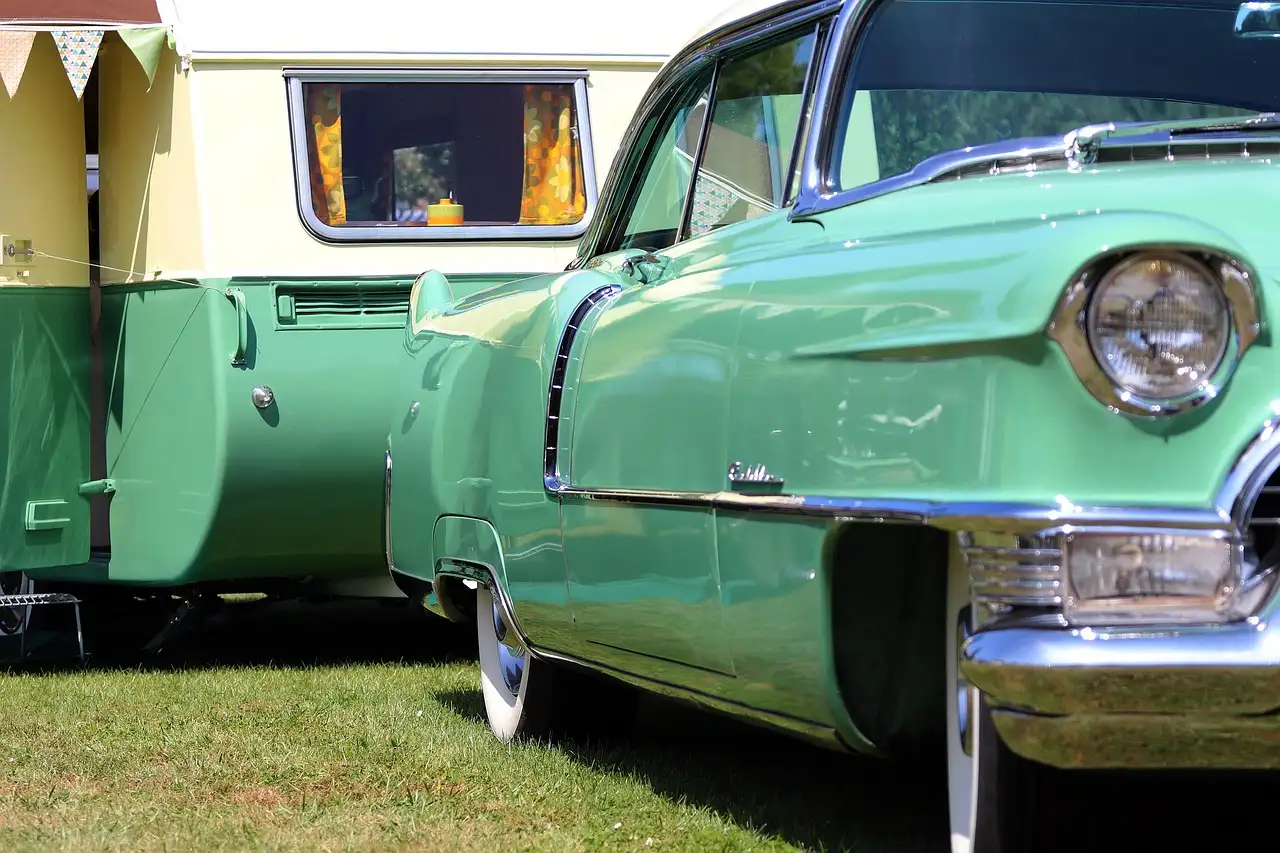
The best vehicle for car camping is the one with a flat or fold-flat rear area, enough interior height to sit up, and a cargo layout that keeps bedding dry and gear organized. Vans are easiest for sleeping comfort, but wagons, crossovers, and some SUVs can work well with careful packing.
Car camping basics and essential gear
Good car camping starts with a sleeping surface that is flat enough to avoid pressure points and a ventilation plan that handles condensation. Add privacy shades, window screens, and a way to keep emergency items reachable. Safety matters too: do not block the doors with gear, and keep the key accessible.
| Activity | Best body style | Drivetrain | Cargo setup | Tire type | Must-pack gear | When this setup fails |
|---|---|---|---|---|---|---|
| Kayaking and paddle sports | Wagon, SUV, truck | FWD, AWD, or 4WD | Roof rack or bed; tie-downs for wet boats | All-season or all-terrain | Bow/stern straps, hood and hatch protection, towels | High roof load on windy roads; too little rack capacity for multiple boats |
| Mountain biking | Hatchback, wagon, SUV, van | Any; AWD helps on dirt lots | Hitch rack or fold-flat cargo floor | All-season or all-terrain | Bike locks, drivetrain cover, tools, spare tube | Short rear overhang makes hitch access awkward; roof loading too heavy for frequent use |
| Skiing and winter trips | Wagon, crossover, SUV | AWD or 4WD | Roof box or long cargo area for wet boots and skis | Winter or severe-snow rated tires | Scraper, gloves, traction aid, dry bag for boots | Low range in deep snow, poor tires, or frozen wipers |
| Car camping and dispersed camping | Wagon, SUV, van, truck | FWD can work; AWD helps | Fold-flat rear area or sleeping platform | All-season or all-terrain | Sleeping pad, shades, ventilation, water, flashlight | Too little flat space; roof tent adds height and drag |
| Overlanding and remote travel | SUV, truck, van | AWD or 4WD | Secure interior storage, spare water, recovery gear | All-terrain | Full-size spare, tire repair kit, navigation backup, fuel plan | Light-duty suspension, short range, weak spare capacity, or poor road durability |
How do I choose a car for overlanding?
Choose an overlanding vehicle by matching the route, range, and load to the vehicle’s limits. Prioritize ground clearance, tire size, storage for water and tools, reliable navigation, and enough fuel or charging margin to handle detours. A capable vehicle still fails if it cannot carry what the route demands.
Overlanding priorities
Overlanding is long-distance travel on unpaved routes, so storage, range, and durability matter more than a badge. Look for a stable cargo layout, enough payload for people and supplies, and parts that can survive washboard roads. If the route includes remote areas, range and repairability should outrank comfort options.
How to judge fit instead of hype
Start with the route, not the vehicle ad copy. Estimate distance, surface type, weather, and available services. Then ask whether the vehicle can carry your water, fuel or charging plan, sleeping setup, and recovery basics without exceeding roof, hitch, or payload limits. If the answer is no, choose a simpler route or a different vehicle.
Frequently asked questions
what do cars do
Cars move people and gear to places that are awkward or slow to reach otherwise. For outdoor use, that means trailheads, campsites, beaches, river put-ins, and remote roads. They also provide storage, weather protection, and a safer way to carry emergency tools, food, and wet equipment.
best car for outdoors activities
The best car for outdoor activities depends on the gear and the road. Wagons and hatchbacks work well for lighter loads, crossovers and SUVs add clearance, and trucks or vans handle bulky cargo or sleeping setups. The best choice is the one that fits the trip without wasting fuel or space.
what car features matter for camping and outdoor adventures
For camping and outdoor adventures, cargo volume, fold-flat seats, ground clearance, roof or hitch capacity, tire type, and range matter most. AWD or 4WD can help on dirt or snow, but they do not replace good tires, spare gear, or a route that stays inside the vehicle’s limits.
can you use a normal car for outdoor activities
Yes, a normal car can work for many outdoor activities if the route stays paved or lightly maintained and the gear load is modest. A sedan or hatchback may be enough for day hikes, beach trips, and simple camping. The limits show up when clearance, cargo shape, or traction becomes a real issue.
Products related to this article
Sponsored / affiliate links. As an Amazon Associate I earn from qualifying purchases. I may earn additional commission from eligible campaigns.