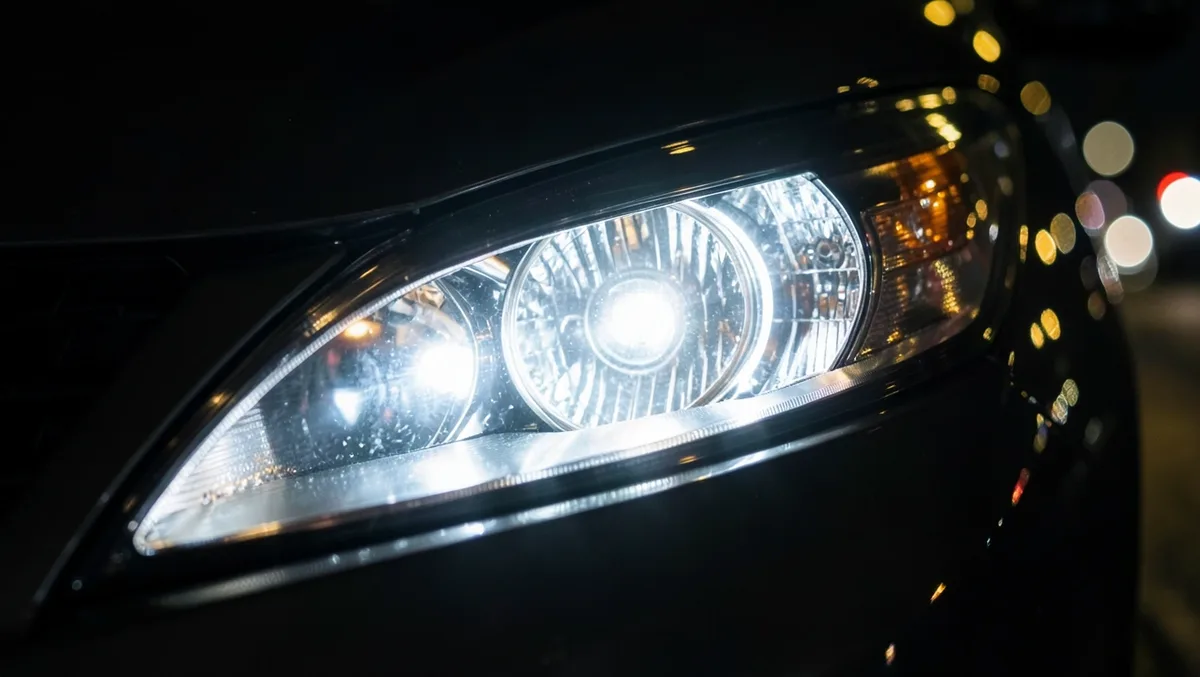
Types of Car Lights: Exterior, Interior and Best LED Picks
Car lights fall into two job groups: exterior lights for road legality and visibility, and interior lights for cabin convenience; the best LED pick depends on the socket, beam pattern, and whether the bulb is street-legal in your area. Pick the wrong setup, and you can get glare, error codes, weak output, or a citation. This guide separates legal exterior and interior categories first, then points you to the best LED choices by use case.
Best LED picks by use case


The strongest overall fit for most buyers is the option that matches the job, not the flashiest feature list. For cabin ambience, a 12V or USB strip with app control is the cleanest fit. For exterior accent work, choose an underglow kit with IP68 protection. For road lighting, match headlight and fog bulbs to the socket and beam pattern first.
Top interior ambient lighting pick
A cabin kit with app control, music sync, and millions of color options is the right pick when you want footwell or under-dash lighting, not road lighting. The Govee kit offers millions of color options via app control, and that control style suits drivers who want quick color changes and custom scenes without touching wiring every time.
Top exterior accent and underglow pick
For show use and exterior accent work, a kit with RGB color modes, app and remote control, music-driven effects, and IP68 waterproofing is the clear fit. The Yielinth underglow kit is described with a wide RGB color range and strong waterproofing, which puts the focus on visual effects and weather resistance rather than legal road lighting.
Top headlight and fog bulb upgrade pick
For visibility-focused bulb replacement, pick an LED that matches the socket, beam pattern, and thermal requirements of the housing. Some LED replacements draw less power and can produce more light than traditional halogen bulbs, but output depends on the bulb and housing. Brightness is measured in lumens. Color temperature is measured in Kelvins. That matters more than color shifts or app features.
Quick picks for each lighting job
| Lighting job | Best fit | Key detail | Control method |
|---|---|---|---|
| Interior ambient lighting | Govee-style app-controlled strip kit | Millions of color options | Bluetooth app, music sync |
| Simple cabin install | Fimker USB kit | USB power | Basic plug-in use |
| Exterior accent and show use | Yielinth underglow kit | 16 million RGB colors, IP68 waterproofing | App and remote |
| Weather-resistant exterior frame kit | OPT7 Aura Pro | IP67-rated aluminum frame | Check the listing for your model |
| Headlight or fog bulb replacement | Socket-matched LED bulb | Beam pattern fitment and heat control matter most | Vehicle wiring and housing dependent |
| Hood strip accent | YM E-Bright hood strip | 70 inches long, cuttable, 12V compatible | Startup scan effect |
What are the different types of car lights inside and outside a vehicle?
Inside the vehicle, the common upgrade path is cabin ambient lighting: under-dash strips, footwell lighting, and other accent lights that do not control the road. Functional interior lights such as dome, map, trunk, and courtesy lights serve a different purpose from decorative cabin accents. Outside the vehicle, the categories split into legal road lamps, accent kits such as underglow, and hood strips that sit in the show-use lane rather than the headlight lane.
Legal road lighting versus accent lighting
Headlights and fog lights do a functional job on the road. Interior strips and exterior underglow do not. That difference matters because a bright cabin strip can be harmless, while an underglow kit may be restricted or illegal in some places. Check local laws before you mount anything that faces outward or changes the car’s visible color pattern.
What belongs in each group
Interior options include adhesive-backed strips, clip-mounted strips, and plug-in USB kits for footwells or under the dash, while the car’s dome, map, trunk, and courtesy lights are functional interior lamps rather than decorative accents. Exterior accent options include underglow kits with two-line or multi-strip layouts, plus hood strips with startup scanning effects. Road-facing replacements include headlight bulbs and fog bulbs, which must match the vehicle’s socket and housing.
Car lights decision matrix
| Lighting type | Best use case | Power source | Waterproof rating | Install difficulty | Legal risk | Common failure point | Recommendation rule |
|---|---|---|---|---|---|---|---|
| Interior LED strip lights | Cabin ambience, footwell glow, under-dash accents | 12V or USB | Usually lower than exterior kits; check listing | Low to moderate | Low if kept inside the cabin | Adhesive loosening or loose cable routing | Choose this when you want color control without changing road lighting. |
| Exterior underglow kits | Show use and exterior accent lighting | 12V DC | IP68 or IP67 on some kits | Moderate | Higher; check local rules before use | Water entry, damaged mounting, exposed wiring | Choose this only if you are prepared to verify legality and weather sealing. |
| Headlight LED replacement bulbs | Road visibility | Vehicle electrical system | Housing-dependent; not the main spec | Moderate to high | Medium to high if beam pattern is wrong | Poor beam cutoff, heat buildup, error codes | Choose this only when the socket and beam pattern match the housing. |
| Fog light LED bulbs | Low-road visibility in weather or darkness | Vehicle electrical system | Housing-dependent | Moderate | Medium if output or color is off-spec | Wrong bulb size or poor aim | Choose this when bulb-size compatibility and weather use are confirmed. |
| Hood light strips | Startup effect and show styling | 12V | IP68 on listed kits | Moderate | Medium to high outside the cabin | Heat, trim fit, or cut line mistakes | Choose this when you have mounting room and a legal use case. |
Interior LED strip lights and cabin accents
Interior LED strip lights are the easiest place to start if you want visual change without touching road lighting. Common setups run on about 12V or USB power, use adhesive or clip installation, and sit under the dash or in the footwell. The better ones often add app control, music sync, and a wide color range.
12V versus USB power
USB kits are the simplest if you want portable power and a quick path to installation. The Fimker kit uses USB power, which makes it a practical choice for buyers who want a clean cabin light without tying into a fuse panel. A 12V kit is better when you want a permanent install tied to the car electrical system.
App control, music sync, and color modes
App control is worth paying attention to when you want custom modes, dimming, or color changes from a phone. The market also includes RGBIC technology and smartphone-integrated controls. Music sync is best for cabin ambience, not visibility. A strip that reacts to sound can be fun, but it should stay away from pedals, steering controls, and airbag zones.
Adhesive and clip placement
Adhesive-backed strips are common, but adhesive failure is one of the main failure points on interior kits. Heat, dust, and repeated foot contact can loosen the tape. Clip mounting helps in some trim gaps, but it still needs enough space. Footwell and under-dash placement are the usual choices because they keep the light out of the driver’s view.
Exterior LED options: underglow and hood strips
Exterior accent kits are where weather sealing, legal limits, and wiring quality matter most. Underglow kits often add RGB color modes, app and remote control, and music-driven effects. Hood strips add a different look, usually with a startup scan animation and a cuttable strip length for fitment.
IP67 and IP68 weather protection
IP67 and IP68 both point to dust and water protection, but they are not the same thing and they do not solve bad installation. That is useful only if the mounting, connectors, and wire exits are also protected.
Two-line and multi-strip layouts
Underglow kits often use a two-line or multi-strip layout so the light follows the car’s length and side profile. That layout can improve coverage under the chassis, but it also increases the number of mounting points and wire routes you need to secure. More pieces mean more chances for loose ends if you rush the install.
Startup scans and hood strip fit
Hood light strips are for styling, not road lighting. The kind of length detail that matters is whether the strip fits the available grille opening and hood edge without pinching the wiring. If the strip is too long or the trim gap is too tight, fitment stops being simple.
Say your car has only a narrow front grille gap and no clean path for a long strip. A cuttable hood strip helps, but only if the cut points line up with the available space and the wiring can exit without pinching under the hood latch.
How do you choose headlights and fog bulbs?
Choose headlights and fog bulbs by beam pattern fitment first, then by lumen output, color temperature, and heat control. That order matters because a brighter bulb in the wrong housing can throw glare and reduce usable light. For fog bulbs, bulb-size compatibility and road-weather use matter just as much as raw output.
Lumens, beam pattern, and color temperature
Brightness is measured in lumens, and color temperature is measured in Kelvins. Lower temperatures like 3000K give warm yellow light. Higher temperatures like 6000K+ produce cool blue-white light. Neither number fixes a bad beam pattern. A well-matched bulb with a proper cutoff usually beats a hotter-looking bulb in the wrong housing.
Heat dissipation and service life
Heat dissipation affects both performance and longevity. LED headlights often run cooler than halogen in the light output path, but their electronics still need thermal management. If the bulb’s heatsink or fan does not fit behind the housing, service life can fall and the cap may not close correctly. Check space behind the lamp before you buy.
Fog light bulb fitment
Fog lights are about short-range visibility in weather or darkness. That makes socket type and beam spread more important than a dramatic color shift. A fog bulb should suit the lamp housing and preserve a controlled cutoff, especially in projector or reflector setups, so the light stays useful instead of scattering. Even a broad kit still needs the right bulb-size compatibility for your specific fog lamp.
How do you choose power, control, and fitment?
Start with the vehicle’s 12V DC system, then decide whether the kit should draw from a fuse, USB port, or another accessory source. After that, plan the wiring route and confirm the control method you actually want. Bluetooth app, RF remote, wired control, and music mode each suit a different use case.
12V DC, fuse choice, and wiring routes
Most car accent kits are commonly built around 12V DC compatibility. A fuse tap can be the cleaner choice for a permanent install, but it should match the circuit load and follow the vehicle manual. Route wires away from pedals, hinges, and hot parts. Loose wiring is one of the easiest ways to cause a failure later.
Bluetooth app, RF remote, or wired control
Bluetooth app control is best when you want DIY or custom modes and lots of color options. RF remote is simpler when you do not want to rely on a phone. Wired control makes sense for very basic setups. Pick the control method that matches how often you will change the light, not the most feature-heavy one.
Strip length, mounting space, and legal limits
Compatibility is more than socket type. Strip length, mounting space, and trim gaps can decide whether a kit fits at all. If the vehicle manual gives limits for lighting placement, follow them. A common first-timer mistake is buying a long strip, then discovering there is no clean place to hide the extra length without kinking the wire or covering a vent.
- Check the vehicle manual for socket type, power source, and any lighting limits.
- Measure the available mounting space before choosing strip length or bulb depth.
- Decide whether you need app control, a remote, or simple plug-in power.
- Confirm the waterproof rating if the kit will sit outside the cabin.
- Inspect the wire route and fuse plan before any permanent install.
Frequently asked questions
Which LED car lights are best for interior ambient lighting?
For interior ambient lighting, choose a 12V or USB strip with app control, music sync, and a placement plan for the footwell or under-dash area. Adhesive or clip mounting both work if the surface is clean and the cable route is safe. Color options matter less than fit and control.
Which LED car lights work best for exterior accents and underglow?
For exterior accents and underglow, look for RGB color modes, app and remote control, and a high waterproof rating such as IP68 or IP67. A two-line or multi-strip layout gives better coverage under the car. Check local laws before using any outward-facing lighting on public roads.
How do I choose between 12V, USB, and app-controlled LED kits?
Choose 12V when you want a permanent vehicle-powered install, USB when you want the simplest power source, and app control when you want custom scenes, color changes, or music mode. The control method should match how often you plan to adjust the light, not the longest feature list.
What does IP68 or IP67 mean for car LED lights?
IP67 and IP68 are water-resistance ratings used for exterior durability and weather protection. They help with rain, splash, and dust exposure, but they do not fix weak connectors, exposed wire ends, or bad adhesive. For underglow and hood strips, the whole install must be sealed well, not just the strip itself.
Are LED headlights better than halogen bulbs for brightness and lifespan?
LED headlights can last well when thermal management is correct, but beam pattern fitment matters more than the bulb type alone. If the LED does not match the housing, brightness can look worse on the road despite higher lumens. The best result comes from a bulb that suits the lamp, not from the most aggressive spec sheet.
How do I know whether a car LED kit will fit my vehicle?
Check the socket type, strip length, mounting space, and any guidance in the vehicle manual before you buy. For bulbs, the housing opening and heat sink space matter. For strips, trim gaps and routing paths matter. If the listing does not match your exact model, verify the manufacturer’s compatibility notes first.
What should I check before installing underglow lights on a car?
Check local legality, mounting space, power source choice, and the wire route before you install underglow. Confirm whether the kit uses app control, remote control, or both, and make sure the waterproofing extends to connectors and seams. An underglow kit can fail from poor placement long before the LEDs wear out.
Products related to this article
Sponsored / affiliate links. As an Amazon Associate I earn from qualifying purchases. I may earn additional commission from eligible campaigns.