4 Best Hidden Cameras for Car (2026): We Compared
The best hidden camera with audio for a car depends on the job: choose a battery-backed mini dash cam for parked-car coverage, a hardwired unit for all-day recording, or a compact interior cam if you need cabin audio. Weak audio can leave video evidence incomplete, even when the image is sharp. This guide compares four discreet car cameras by how well they record audio, how they handle parking, how they get power, and how they fit in a real car.
Quick comparison
| Product | Badge | Best for | Price | ||
|---|---|---|---|---|---|
 |
Garmin Dash Cam™ Mini 3, Ultracompact 1080p HD Dash Cam |Garmin | Our pick | Key-sized · 1080p HD · Voice control | $99.99
Price as of 25 Oct 2026
|
View |
 |
VIOFO A119 V3 Dash Cam, 2K Front Recording, GPS, True HDRVIOFO | Budget pick | 2K front · HDR · GPS | $119.99
Price as of 25 Oct 2026
|
View |
 |
THINKWARE U3000 PRO Dash Cam 4K Front, Sony STARVIS 2,THINKWARE | Upgrade pick | 4K front · Radar · GPS | $479.99
Price as of 25 Oct 2026
|
View |
 |
BlackVue DR970X LTE Plus II, 4K Dash Cam Front and RearBlackvue | Also great | 4K front/rear · LTE · Cloud | $540.99
Price as of 25 Oct 2026
|
View |
The split is straightforward: the Garmin Mini 3 is the easiest low-profile front cam, the VIOFO A119 V3 is the best value for stronger front detail, the THINKWARE U3000 PRO fits buyers who want more advanced parking and 5GHz Wi‑Fi, and the BlackVue DR970X LTE Plus II is the most remote-access friendly.
If your priority is evidence after a break-in, start with the LTE BlackVue. If you want fewer setup headaches and discreet placement, start with the Garmin.
How we chose
Audio reliability came first. A hidden car camera with audio has to catch speech above cabin noise, not just record clean-looking video.
Car-ready power and storage came next. A car camera should make sense with hardwire power, battery limits, loop recording, and retrieval friction.
Night visibility and alert quality mattered too. Motion detection, infrared support where available, and low-light performance decide whether a parked-car clip is useful.
Setup burden finished the list. A camera that needs more app steps, more wiring, or more storage management is a worse fit for everyday car use.
Hidden camera use-case decision table
| Camera type | Parked-car theft evidence | Rideshare conversations | Teen-driver monitoring | Off-grid parking |
|---|---|---|---|---|
| Car key fob camera | Audio reliability: low; power need: low; storage burden: low; setup friction: low | Audio reliability: low to medium; power need: low; storage burden: low; setup friction: low | Audio reliability: low; power need: low; storage burden: low; setup friction: low | Audio reliability: low; power need: low; storage burden: low; setup friction: low |
| 4G LTE hidden camera | Audio reliability: medium; power need: high; storage burden: medium; setup friction: high | Audio reliability: medium; power need: high; storage burden: medium; setup friction: high | Audio reliability: medium; power need: high; storage burden: medium; setup friction: high | Audio reliability: high if power is managed well; power need: high; storage burden: low to medium; setup friction: high |
| Wi‑Fi hidden camera | Audio reliability: medium; power need: medium; storage burden: medium; setup friction: medium | Audio reliability: medium to high; power need: medium; storage burden: medium; setup friction: medium | Audio reliability: medium; power need: medium; storage burden: medium; setup friction: medium | Audio reliability: medium; power need: medium; storage burden: medium; setup friction: medium to high |
| Compact dash cam with parking mode | Audio reliability: medium to high; power need: medium to high; storage burden: medium; setup friction: medium | Audio reliability: high for interior speech if mounted well; power need: medium to high; storage burden: medium; setup friction: medium | Audio reliability: medium to high; power need: medium to high; storage burden: medium; setup friction: medium | Audio reliability: medium; power need: medium to high; storage burden: medium; setup friction: medium |
Car key fob camera: best for portability
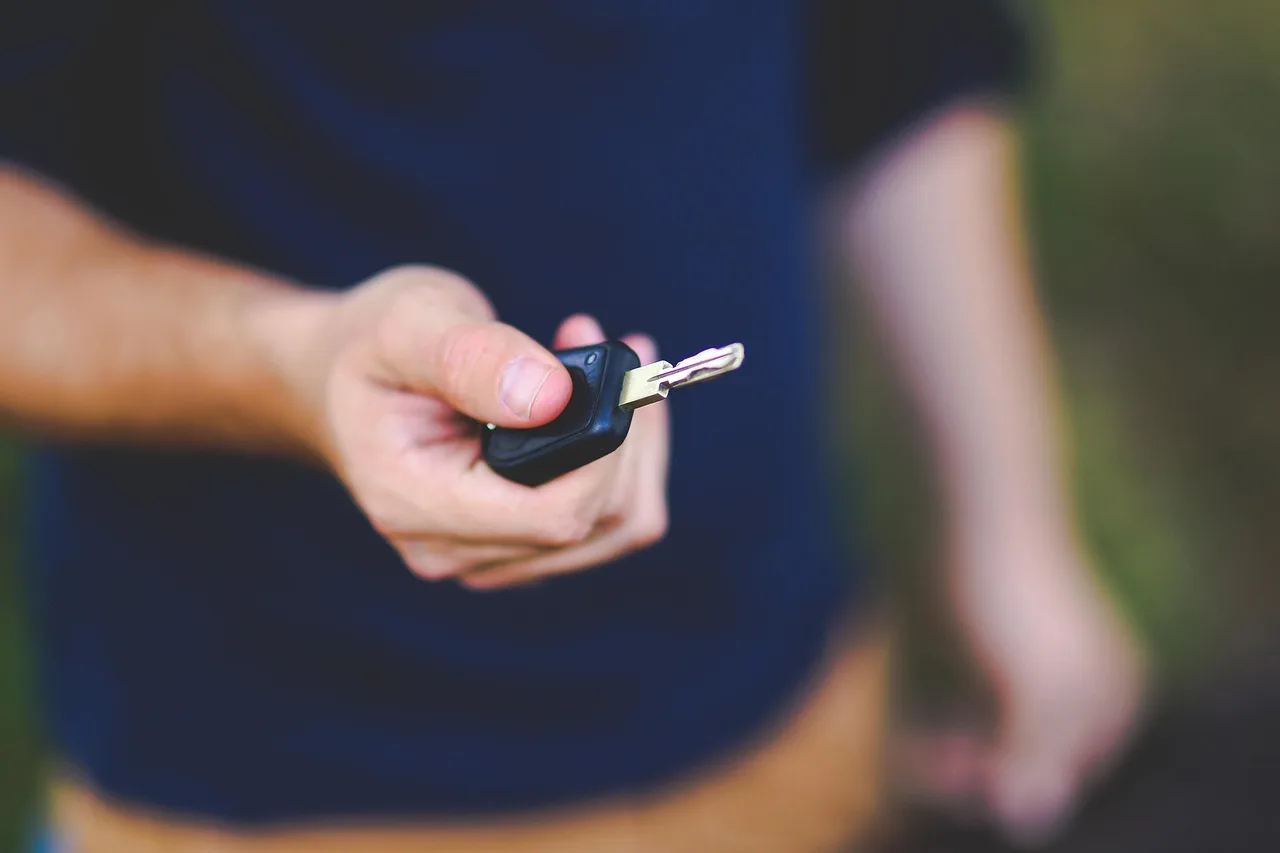
The Garmin Dash Cam Mini 3 is the strongest pick here for drivers who want a tiny, low-visibility camera that still records 1080P HD video and can fit into a normal windshield setup without drawing attention. Based on the published details, its voice control can start or stop audio recording, which matters if you want to avoid leaving the mic on all the time.
Its main advantage is simple placement. The key-sized body is easier to hide near the mirror than a bulkier unit, and the 140-degree field of view gives it useful cabin and road coverage for a front-facing cam.
The drawback is clear: 1080P is the floor, not the ceiling, and a tiny body usually means less room for battery, storage, and physical controls. For long parked-car monitoring, it makes more sense when paired with stable vehicle power than when left to run on a small internal cell.
What it does well
This type works best when the goal is discreet front capture and simple audio control. It is also the least awkward choice if you want a camera that looks like another small accessory on the glass.
Where it falls short
Key fob-style portability does not make it ideal for long duty cycles. Storage management still depends on the card you choose, and audio quality can drop if the camera sits too far from the speech you want to capture or if road vibration dominates the cabin.
4G LTE hidden camera: best for remote access
The BlackVue DR970X LTE Plus II is the best fit if you care most about remote access, cloud viewing, and keeping tabs on a car without relying on nearby Wi‑Fi. The published details list 4K front and rear recording, built-in LTE, app control, parking mode, and cloud connectivity, which makes it the most connected option in this group.
It suits owners who want a camera that can send clips and status updates from a parked vehicle when cellular service is available. That is why it stands out for theft evidence and fleet-style oversight, especially when the car may sit away from home Wi‑Fi for long stretches.
The downside is setup burden. LTE means SIM management, app setup, and ongoing data planning, and that raises both cost and friction. It is also a poor fit if you want a simple, battery-friendly camera with little maintenance.
Wi-Fi hidden camera: best for app viewing
The THINKWARE U3000 PRO fits buyers who want a more advanced hidden camera with app-based access, parking support, and stronger front detail. The published listing calls out 4K front recording, radar parking mode, LTE module compatibility, 5GHz Wi‑Fi, HDR, a 64GB card, and a hardwiring cable, so it leans toward a more complete install than a bare-bones mini camera.
This type is a good middle ground for people who want phone viewing without making the whole setup cellular. It is especially practical if you will check clips near the car, offload footage regularly, or use cloud features only part of the time.
The drawback is that Wi‑Fi still asks more of the user than local-only recording. Signal pairing, app access, and storage management take time, and a 5GHz connection can still be less convenient in a car than direct card retrieval if the phone app misbehaves.
What is the best hidden camera with audio for a car?
The best hidden camera with audio for a car is usually the one that matches the job. For a parked vehicle, choose a hardwired dash cam with parking mode. For remote access, choose LTE. For a low-profile windshield setup, the Garmin Mini 3 is the easiest all-around pick in this group.
That answer changes if cabin audio matters more than outside evidence. If you need clear interior speech for rideshare or teen-driver monitoring, a camera that mounts close to the cabin and records without too much road vibration is the better starting point.
What should you know before buying?
Hidden car cameras vary more than the product photos suggest. Some are built for cars; others are generic mini cameras marketed for many rooms and then adapted for vehicle use.
Look for discreet form factor, resolution options such as 1080P, 2K, or 4K, motion detection, night vision, storage type, and battery life. A compact body can help with concealment, but it does not fix weak audio or poor parking behavior.
Resolution and audio
Higher resolution helps with plates, faces, and fast motion, but audio quality still depends on microphone placement and how much cabin noise the unit hears. A 4K label does not guarantee usable speech.
Night vision and low light
Night vision matters for garages, curb parking, and street parking, but infrared range is usually limited. A meter-based range claim only matters if the camera actually points at the area you want to document.
Storage and retrieval
Most hidden car cameras use microSD cards, internal memory, cloud storage, or some mix of the three. Loop recording can help a card keep recording, but it also means older clips get overwritten if you do not pull files in time.
Car key fob camera: what it can and cannot do
A key fob hidden camera is a poor substitute for a real car camera, even when the disguise is convincing. Competitor listings commonly frame the key fob design as something that blends into everyday life, and one published model advertises 1080P recording, loop recording, external storage, 64GB internal memory, and 360 minutes of battery life.
That sounds convenient, but the limits matter. Battery life is finite, heat can shorten it further inside a parked car, and the small body makes microphone placement and control access more awkward than a dedicated dash cam. It is useful for portable concealment, not for long-term vehicle coverage.
Use this type only when portability is the main goal and recording windows are short. For all-day car evidence, a real dash cam is the better tool.
Best fit
Key fob cameras are most useful for short, mobile captures where a tiny footprint matters more than long runtime or rich parking features.
Main limits
They are weak on sustained power, awkward for repeated use, and usually less practical for night parking or long unattended coverage.
4G LTE vs Wi‑Fi for a hidden car camera
Choose 4G LTE when the car may sit away from your home network and you want remote access without Wi‑Fi. Choose Wi‑Fi when you are near the vehicle often and want simpler app viewing with less dependency on a SIM plan.
LTE gives you broader reach and often stronger off-site monitoring, but it brings data costs, SIM setup, and more power demand. Wi‑Fi is easier to live with, especially if the camera supports 2.4GHz or 5GHz, cloud storage, and alert previews, but it works best when you are nearby or willing to handle clips locally.
Best fit for each
LTE fits theft monitoring, fleet use, and vehicles parked far from your daily routine. Wi‑Fi fits regular commuters who can check footage near the car and do not want cellular billing.
Where both struggle
Both can add app friction. If the camera loses power or the connection drops, you still need a storage plan that works without perfect network access.
Do hidden car cameras record audio by default?
Not always. Many hidden cameras include a built-in microphone, but some ship with audio disabled, muted by default, or limited by local settings. A buying guide should confirm whether the camera records audio at all, because a good video clip is not enough if the sound track is missing.
Audio in a car is also more fragile than video. Wind buffeting, road vibration, HVAC noise, and plastic trim rattles can bury speech, especially when the mic is far from the person speaking. If cabin audio matters, place the camera where it hears the cabin first and the windshield noise second.
Consent matters too. Audio recording laws can be stricter than video laws, and car-specific situations create extra risk when passengers, rideshare riders, or children are involved. A practical checklist is simple: know your state’s consent rule, tell passengers when the law or your policy requires it, avoid hidden audio in situations where consent is unclear, and keep the camera’s audio setting easy to verify.
Audio caveats
Microphones can pick up road vibration as low-frequency rumble. That can make speech harder to understand even when the video frame is clear.
When audio helps most
Audio matters most in disputes, service interactions, and rideshare conversations where words can explain what the video cannot.
Can you use one overnight in a parked car?
Yes, but only if the power plan fits the camera. Overnight use usually depends on hardwiring, a battery pack rated for parking mode, or a model with a very efficient low-power standby mode. A small internal battery alone is rarely enough for long unattended use.
Heat is the other issue. Parked cars get hot, and heat can shorten battery life, stress adhesives, and make electronics less stable. Motion detection can also create false alerts from passing headlights, swaying branches, or nearby pedestrians, which can fill storage with junk clips.
Night vision helps, but it has limits. Infrared can improve low-light capture, yet glare from glass, reflective dashboards, and distant streetlights can still wash out detail. Say your car is parked under a bright lot lamp at 11 p.m.; the camera may detect motion clearly, but the face or plate you want can still be hard to read.
Overnight checklist
- Use a hardwire kit or a power source meant for parking mode.
- Set motion detection conservatively to cut false alerts.
- Check storage overwrite settings before you leave the car.
- Verify night vision range in the type of lot you park in.
- Confirm the camera can survive the cabin temperature range you expect.
Which one should you buy?
Buy the Garmin Mini 3 if you want the simplest discreet front camera with audio control and low visual impact. Buy the VIOFO A119 V3 if you want stronger front detail and a more traditional parking-mode setup at a lower price point than the premium LTE models.
Buy the THINKWARE U3000 PRO if you want a more advanced app-capable setup with 5GHz Wi‑Fi and parking features, and you are comfortable with a more complex install. Buy the BlackVue DR970X LTE Plus II if remote access matters most and you want the clearest path to cloud viewing and cellular monitoring.
If your budget is tight and the car is mostly for daily commuting, start with the simplest hardwired or windshield-mounted unit. If the car sits unattended often, spend more on parking power and remote access before you spend on extra resolution.
Simple rule
Choose the camera that solves your hardest problem first: discreet placement, cabin audio, remote access, or parked-car power. A polished app cannot rescue weak audio or a bad parking setup.
Common mistake
A common first-timer mistake is buying a small camera for stealth and then discovering that the battery dies before the useful clip is recorded. Size matters, but power planning matters more in a car.
Frequently asked questions
Is a key fob hidden camera good for car use?
Only for short, portable jobs. A key fob camera can be easy to hide, and some models offer 1080P recording, loop recording, and internal memory or external storage. For overnight parking or all-day evidence, it is usually the weaker option.
Should I choose 4G LTE or Wi‑Fi for a hidden car camera?
Choose LTE if the car is often away from your network and you want remote access anywhere with a cellular signal. Choose Wi‑Fi if you are usually near the car and want simpler app viewing without SIM management or data-service cost.
What storage do hidden car cameras use?
Most use microSD cards, some include internal memory, and many premium models add cloud storage. Loop recording is common, so old clips are overwritten when the card fills up. That makes retrieval timing important if you need a specific event saved.
Can I use a hidden camera in my parked car overnight?
Yes, if the camera has the right power setup and heat tolerance. Overnight parking is where battery drain, false motion alerts, and night-vision glare show up fast. Hardwire support, parking mode, and sensible alert settings matter more than stealth alone.
Products related to this article
Sponsored / affiliate links. As an Amazon Associate I earn from qualifying purchases. I may earn additional commission from eligible campaigns.