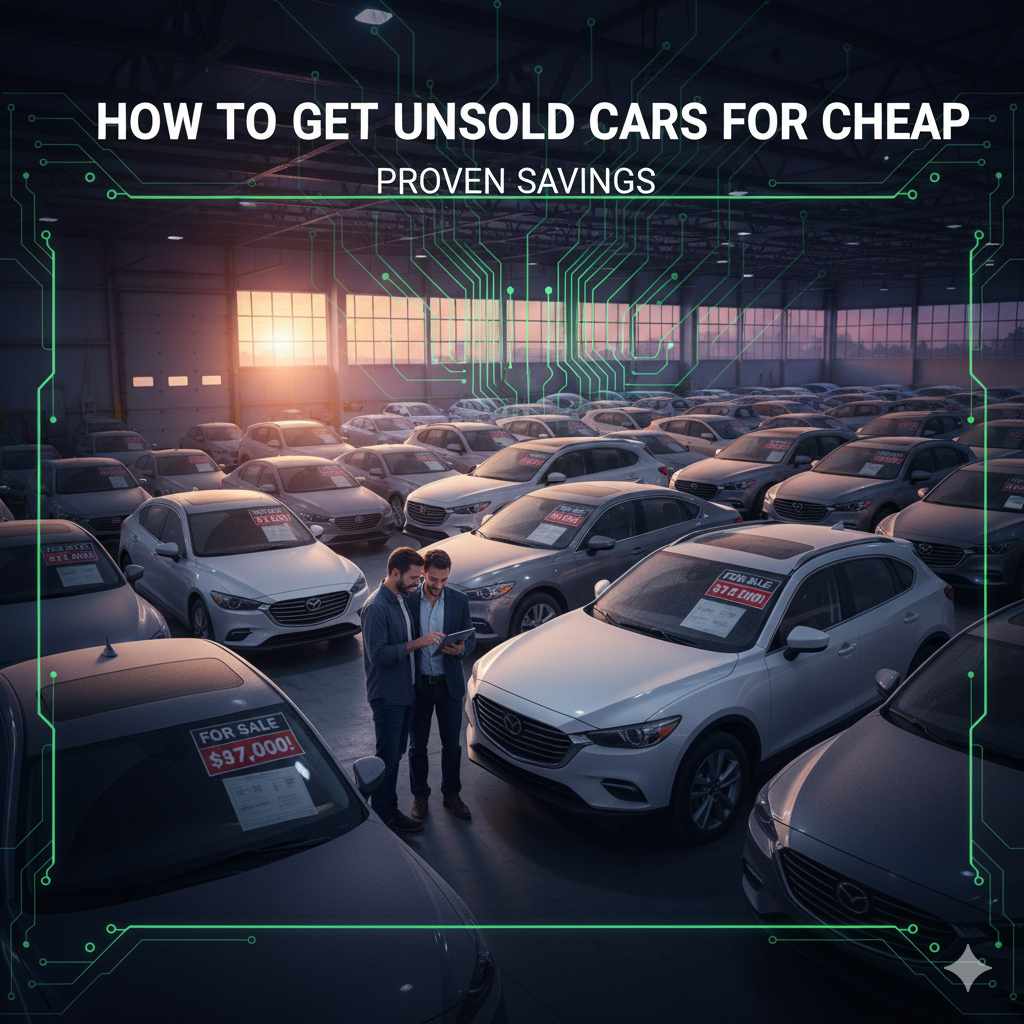
How to Get Unsold Cars for Cheap: Proven Savings
Get unsold cars for cheap! Discover insider tips and proven strategies to find great deals on vehicles that dealerships want to move fast. Save thousands and drive away happy with these easy-to-follow savings secrets.
Finding a great car is exciting, but sticking to your budget can feel tricky. Sometimes, you see cars sitting on a lot for a long time, and you wonder if there’s a way to get them for a much lower price. It can be frustrating, right? You just want a reliable ride without breaking the bank, and you’re looking for smart ways to save money. You’re in the right place! This guide will show you exactly how to find those great deals on unsold cars. We’ll walk through simple steps and clever tricks that anyone can use to get amazing savings. Let’s get you into that dream car!
Many people think that unsold cars are only sold at full price, or perhaps with a small discount. This isn’t usually the case. Dealerships have costs to consider, like maintaining inventory, paying for space, and the cars depreciating over time. When a car sits on the lot for an extended period, it becomes a financial burden. This eagerness to clear out inventory is where savvy buyers can find incredible opportunities. By understanding the motivations of sellers and knowing where to look, you can uncover deals that are truly exceptional.
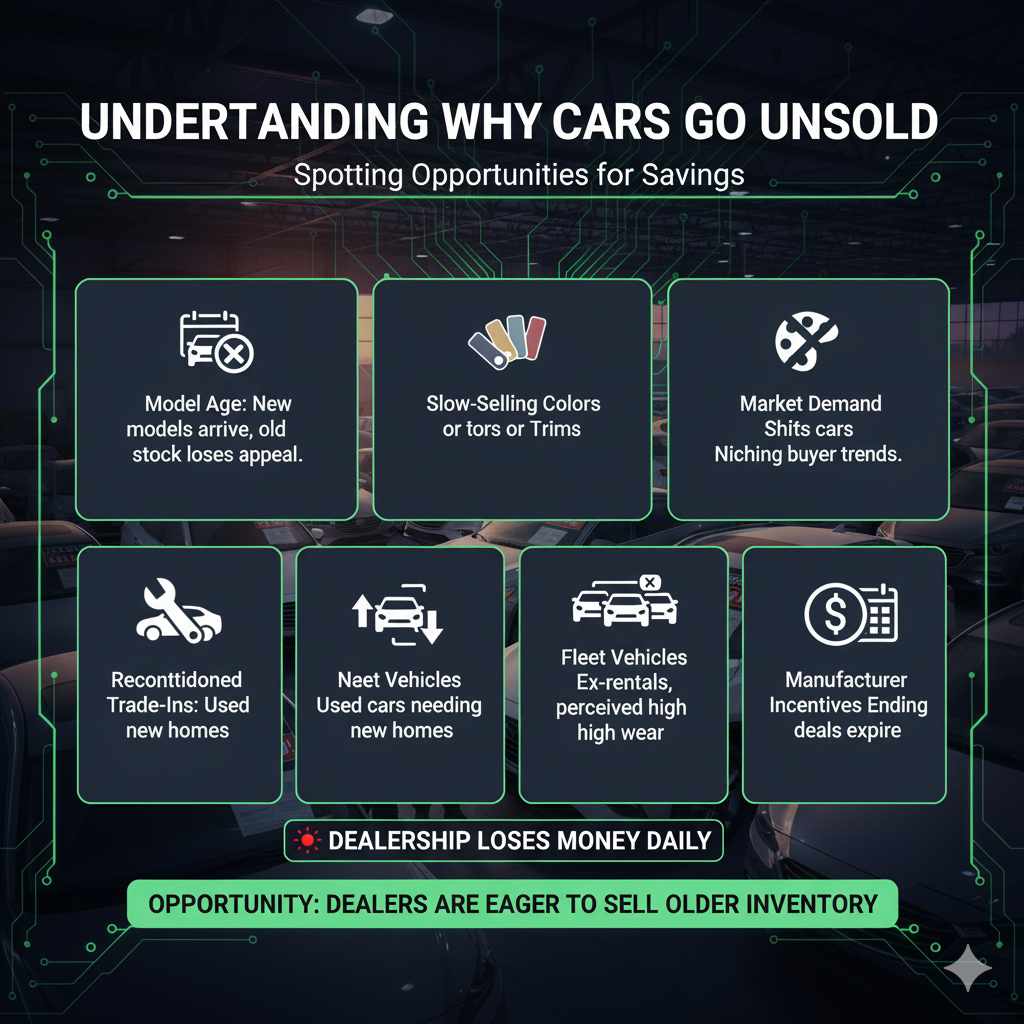
Understanding Why Cars Go Unsold
Before we dive into how to get them cheap, it’s helpful to understand why cars might sit on a lot for too long. Knowing the reasons helps you spot opportunities and negotiate better.
Common Reasons for Unsold Inventory:
- Model Age: A new model year has arrived, making last year’s models feel outdated to some buyers, even if they are brand new.
- Slow-Selling Colors or Trims: Certain colors (like bright orange or lime green) or less popular feature packages might not appeal to everyone.
- Market Demand Shifts: Consumer preferences can change. If demand for SUVs suddenly drops and sedans become popular, sitting sedans get less attention.
- Reconditioned Trade-Ins: Sometimes dealerships acquire used cars as trade-ins, fix them up, and they sit longer than expected if they don’t match current buyer trends.
- Fleet Vehicles: Cars that were previously used by rental companies or as fleet vehicles can sometimes be harder to move if buyers perceive them as having higher wear and tear.
- Manufacturer Incentives Ending: When special financing deals or rebates from the manufacturer expire, it can slow down sales for specific models.
When a car has been on the lot for a while, the dealership isn’t making money on it. In fact, they are losing money due to overhead, insurance, and the car losing value every single day. This is precisely the situation you want to find! It’s a win-win: they get rid of a car they don’t want, and you get a fantastic price.
Where to Find Unsold Cars for Sale
The first step is knowing where to look. Unsold cars aren’t always advertised as “unsold”; they are often just part of a dealership’s regular inventory. However, some specific places and events are more likely to feature cars that have been sitting.
Dealership Lots: The Most Obvious Spot
This is where most cars end up. The key is to identify which cars might be “aged” inventory. Look for:
- Cars with a “Sold” Sticker Removed: Sometimes, a car might have been pending sale, the deal fell through, and it’s back on the lot. These can be opportunities.
- Cars in the Back of the Lot: Dealerships often park older inventory further away, hoping they’ll be noticed by someone looking for a deal.
- “Clearance” or “Special Deals” Sections: Many dealerships have a dedicated area on their lot or website for vehicles they want to move quickly.
Reputable Auction Sites
Online auctions can be a goldmine. Many dealerships and even individuals list vehicles here. While auctions can be competitive, you can sometimes find cars that haven’t garnered much attention yet.
- Public Car Auctions: These are often open to the public and can include repossessed vehicles, fleet vehicles, and trade-ins that dealerships didn’t want to retail.
- Dealer-Only Auctions (Indirect Access): While you might not be able to attend directly, some dealers will inform you of vehicles they acquired at auction that they’re looking to sell quickly.
Websites like Manheim and Adesa are major players in the wholesale auto auction industry. While primarily for dealers, some aspects are accessible or can give you an idea of market pricing.
Lease Return Centers and Off-Lease Programs
When a lease is up, the car is returned. If it’s in good condition, it might be put up for sale. Dealerships often have a separate section for these cars, which can be a great source for relatively new vehicles sold at a discount.
Dealership Websites and Third-Party Listings
Most dealerships list their inventory online. Pay close attention to:
- Days on Market (DOM): Many listing sites show how long a car has been for sale. A higher DOM is a good sign for negotiation.
- Price Drop History: Some sites track price reductions. Multiple price drops indicate the seller is motivated.
- Websites like AutoTrader, Cars.com, and Craigslist: Filter by price, mileage, and “days on market” if available.
Proven Strategies to Get Unsold Cars for Cheap
Now that you know where to look, let’s talk about how to get the best price. It’s a combination of timing, research, and negotiation.
1. Timing is Everything
When are dealerships most motivated to sell? Think about their business cycle:
- End of the Month/Quarter/Year: Salespeople and dealerships often have quotas to meet. As deadlines approach, they are more willing to make a deal to hit their targets.
- New Model Year Arrival: As mentioned, when the latest models come in, dealerships want to clear out the previous year’s vehicles.
- Slow Sales Periods: Post-holiday seasons or times when fewer people are car shopping can mean more motivated sellers.
2. Do Your Homework (Research is Key!)
Before you even talk to a salesperson, know the car’s value. This is your strongest negotiation tool.
- Kelley Blue Book (KBB) and Edmunds: Use these sites to find the fair market value for the specific make, model, year, and trim of the car you’re interested in. Look at both private party value and dealer retail value.
- Check Competitors: See what similar cars are selling for at other dealerships in your area.
- Vehicle History Report: For used unsold cars, a Carfax or AutoCheck report is crucial. Look for accident history, previous owners, and maintenance records. You want to know why it might be unsold.
Knowing the true market value allows you to make a fair offer and hold your ground if the dealership is asking too much. For example, if KBB suggests a trade-in value for your current car is $10,000, but the dealer offers only $8,000, you know there’s room to negotiate that difference as part of your new car deal.
3. Inspect Thoroughly (Dealership Cars Aren’t Always Perfect)
Even if a car is “new,” it’s been sitting. Unsold cars, especially those that have been on the lot for a while, might have hidden issues. A thorough inspection can uncover problems that might justify a lower price.
- Exterior: Look for paint imperfections, dents, scratches, tire wear, and any signs of damage.
- Interior: Check for stains, tears, unusual smells (like smoke or mold), and ensure all electronics work (radio, AC, windows, lights).
- Under the Hood: Check fluid levels, belts, hoses, and look for any leaks.
- Test Drive: Listen for strange noises, check how the car handles, brakes, and accelerates.
- Pre-Purchase Inspection (PPI): For a used unsold car, consider taking it to an independent mechanic for a PPI. It costs a small fee but can save you thousands in unexpected repairs. Reputable mechanics can often identify issues that a standard dealership check might miss. For example, a mechanic from the Mechanics Files organization might offer insights into common issues for specific makes and models.
4. Be Prepared to Walk Away
This is perhaps the most powerful negotiation tactic. If you’re not absolutely in love with a car and are willing to walk away if the deal isn’t right, you have the upper hand. Dealerships make more money when you feel pressured.
If the salesperson isn’t budging on price or is adding on unwanted fees, a polite “Thank you for your time, but I don’t think this works for me right now” can sometimes prompt a last-minute offer. They might reconsider if they see you leaving.
5. Negotiate More Than Just the Price
When buying a car, the total price can be affected by other factors.
- Car Price: This is the primary negotiation point.
- Trade-In Value: If you have a car to trade, negotiate its value separately from the new car’s price.
- Financing: Get pre-approved for a loan from your bank or credit union before going to the dealership. This gives you a benchmark interest rate to compare against their financing offers.
- Add-ons: Extended warranties, VIN etching, paint protection, etc. These are often where dealerships make significant profit. Question their necessity and negotiate their price heavily, or decline them altogether.
By focusing on the “out-the-door” price (which includes all taxes and fees), you ensure you’re getting the best overall deal. A common tactic is to agree on a car price, then get hit with a huge doc fee or destination charge. Always ask for the full breakdown!
6. Target Specific Dealerships and Situations
- Independent Dealerships: Small, independent lots might be more flexible on pricing than large franchise dealerships.
- Dealerships with High Overhead: Dealerships in prime locations might have higher costs, but they also often move more inventory and may have more motivation to sell older stock.
- “As-Is” Sales: Be extra cautious with “as-is” sales. This means the seller is not offering any warranty for repairs after the sale, even for issues that existed at the time of purchase. The Federal Trade Commission’s Used Car Rule requires most dealers to clearly indicate if a vehicle is sold “as is.”
Table: Negotiation Points for Unsold Cars
Here’s a breakdown of key negotiation aspects when looking for a deal on an unsold car:
| Negotiation Point | Strategy for Unsold Cars | Beginner Tip |
|---|---|---|
| Base Price | Leverage the car’s “days on market” (DOM) and market research to make a low, fair offer. Point out any imperfections found during inspection. | Aim for a price below the average market value, since it’s been sitting. |
| Trade-In Value | Negotiate this after agreeing on a price for the new car. Know your car’s value from multiple sources. | Don’t accept the first trade-in offer. If it’s too low, consider selling your old car privately. |
| Financing/Interest Rate | Secure pre-approval for a loan before visiting the dealership. Use this as leverage to get a better rate from them. | Compare your pre-approval rate to the dealership’s offer. The lower one wins! |
| Fees and Add-ons | Question every fee. Decline unnecessary add-ons like extended warranties or paint protection unless you’ve researched their value and negotiated their price. | The “doc fee” (documentation fee) is often negotiable, or can be a point of contention. Ask for it to be waived or reduced. |
| “As-Is” Condition | If a car is sold “as-is,” the price should reflect the increased risk. You have less recourse for repairs post-purchase. | Factor in potential repair costs if buying “as-is.” A lower purchase price is essential here. |
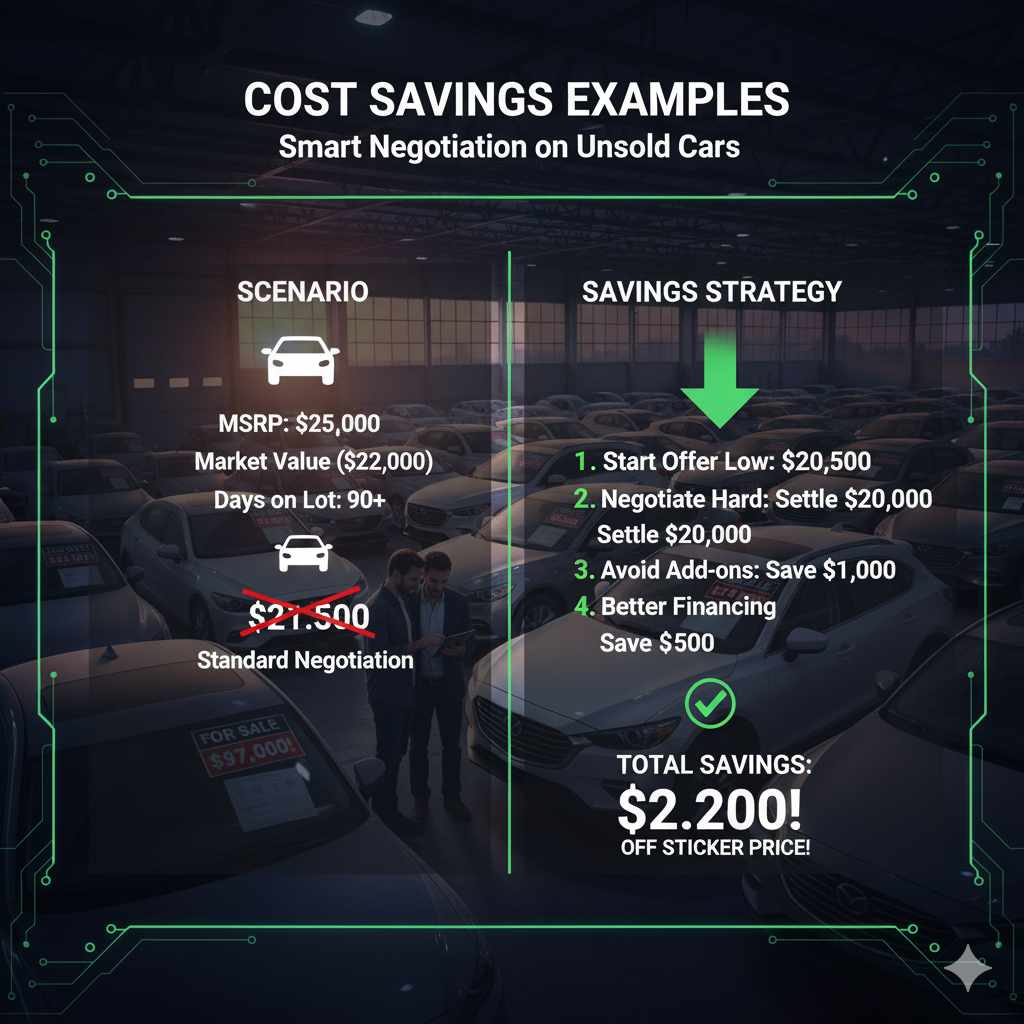
Cost Savings Examples
Let’s paint a picture of how these strategies can translate into real savings. Imagine a car that has been on the lot for 90 days. The dealership might be eager to move it.
- MSRP: $25,000
- Market Value (KBB): $22,000
- Days on Market: 90
A standard negotiation might get you down to $21,500. However, knowing it’s an unsold car, you could:
- Start your offer lower: Perhaps $20,500, citing its time on the lot and the need for a pre-purchase inspection.
- Negotiate aggressively: If the dealer counter-offers at $21,000, and you’ve done your research, you might be able to push to $20,800 and still be happy, saving another $700 compared to a standard negotiation.
This $700 to $1,500 difference might seem small, but consider the total costs. If you also negotiated a better financing rate (saving you $500 in interest over 5 years) and politely declined a $1,000 “premium protection package” you didn’t need, you’re looking at potential savings of $2,200 off the initial sticker price!
FAQ: Getting Unsold Cars for Cheap
Q1: Are unsold cars always in bad condition?
A: Not at all! Unsold cars can be brand new vehicles that simply haven’t attracted buyers due to color, trim, or market trends, or they might be used cars that have been on the lot longer than usual. Condition varies, so always inspect thoroughly.
Q2: How can I find out how long a car has been on the dealership lot?
A: Some dealership websites will list a “days on market” (DOM) metric. If not, you can often ask the salesperson directly, though they might not always be forthcoming. Look for VIN stickers on the car’s windows; sometimes, the date the sticker was printed can give you a clue.
Q3: Should I buy an “as-is” unsold car?
A: Be very cautious. “As-is” means no warranty. If you do consider it, ensure the price is significantly lower to account for the risk, and try to get a pre-purchase inspection from an independent mechanic. It’s often best to avoid “as-is” unless you are confident in your mechanical knowledge or willing to take on repair risks.
Q4: Can I negotiate the price on a car that’s already discounted?
A: Absolutely! If a car is already on a “clearance” or “special price” list, it means the dealership is motivated to sell. This is often your best opportunity to negotiate even further. Start with a fair, but lower, offer.
Q5: What if the dealership says the price is firm?
A: If they are firm on price, you can try negotiating other aspects, like trade-in value, financing rate, or the inclusion of a small add-on like floor mats. If the car is truly priced and equipped as you want, and they are unwilling to budge on price, be prepared to walk away. They might change their tune, or you might find a better deal elsewhere.
Q6: Are there specific times of year that are better for buying unsold cars?
A: Yes! The end of the month, quarter, and especially the end of the year (December) are often great times because salespeople and dealerships are trying to meet sales goals. Also, when new model years arrive (late summer/early fall), dealerships want to clear out older inventory.
Conclusion
Getting an unsold car for a great price is entirely achievable with the right approach. It’s not about finding a secret stash of cars, but rather understanding dealership dynamics and knowing how to leverage information.