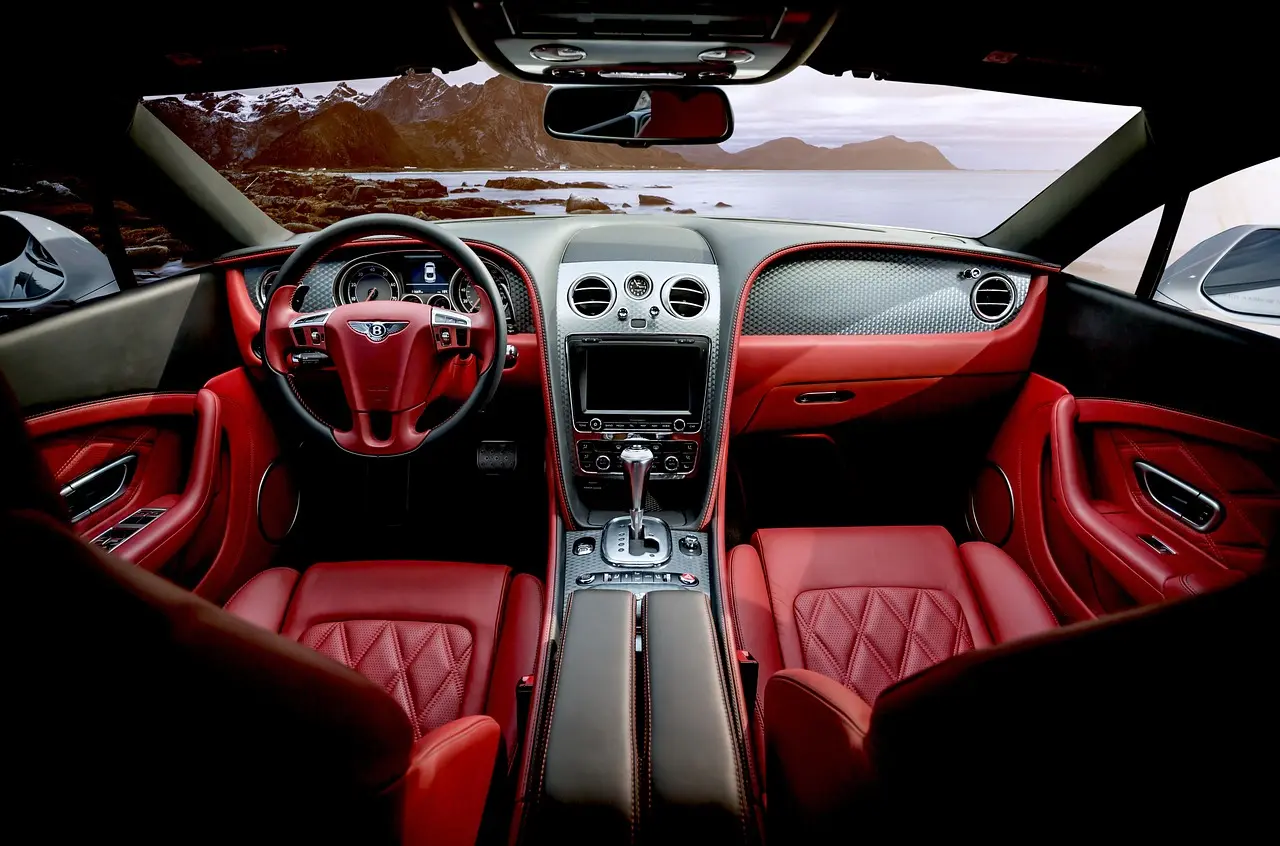
3 Best Upholstery for Cars Picks (2026): We Compared
For most DIY retrims, choose automotive cloth for seats, foam-backed headliner material for roofs, and marine-grade vinyl for cargo areas; if heat and abrasion matter most, vinyl is the safer pick. The wrong material cracks, sags, stains fast, or turns a trim job into rework. This guide compares three strong options by surface, with notes on cleaning, heat, moisture, install difficulty, and failure risk.
Quick comparison
| Product | Badge | Best for | Price | ||
|---|---|---|---|---|---|
 |
Marine Vinyl Fabric, Upholstery Faux Leather, Outdoor BoatSARANDAVE | Our pick | 1 yard cut · Marine vinyl · Black | $20.99
Price as of 24 Oct 2026
|
View |
 |
Kefly Gray Mesh Headliner Fabric 54" L × 60" W with FoamKefly | Also great | 54" x 60" · Foam-backed · Gray | $26.99
Price as of 24 Oct 2026
|
View |
 |
LUVFABRICS Fully Perforated Holes Marine Grade Upholsteryluvfabrics | Also great | 54" wide · Perforated · Dark brown | $32.00
Price as of 24 Oct 2026
|
View |
 |
Charcoal Grey Solid Tweed Commercial Automotive and ChurchDiscounted Designer Fabrics | Upgrade pick | By the yard · Heavy duty · Charcoal grey | $46.00
Price as of 24 Oct 2026
|
View |
 |
K-Musculo Vinyl Fabric, Marine Faux Leather Upholstery, forK-Musculo | Our pick | $29.99
Price as of 1 Nov 2026
|
View |
The basic trade-off is surface first, looks second. Pick the material that can survive the panel it covers, not the one that looks best on a sample card. Seats need abrasion resistance and seam control. Roof panels need light weight, foam backing, and enough give to avoid wrinkles. Cargo areas need wipe-clean durability and better moisture resistance.
Surface fit matters more than brand hype. A material that looks right on a seat can fail fast on a roof panel, and a soft fabric can be the wrong answer for muddy cargo use.
How we chose
The picks and comparisons below focus on five things that decide whether an interior job goes well or gets redone.
- Surface fit: seat, headliner, door panel, roof panel, or cargo area.
- Install workability: stretch, backing, seam count, and whether the material wants adhesive.
- Cleanability: how easily dirt, spills, and road grime wipe off.
- Durability: heat, moisture, UV, and abrasion failure modes.
- Coverage details: width, thickness, and foam backing that affect waste and fit.
Foam-backed materials usually help on roof panels because they reduce visible texture mismatch, add some sound absorption, and make shaping easier around mild curves. They also help hide small substrate flaws. The tradeoff is that thicker backing can complicate tight corners and can add rework if the adhesive bond is uneven.
Upholstery decision table
| Material | Best interior surface | Install difficulty | Cleanability | Heat/moisture resistance | Likely failure mode | Who should avoid it |
|---|---|---|---|---|---|---|
| Foam-backed suede headliner fabric | Headliners, roof panels | Moderate; cuts cleanly but needs careful adhesive work and wrinkle control | Fair; dry soil brushes off better than spills | Good for roof use, but adhesive and backing can still fail in heat if prep is poor | Sagging, adhesive bleed-through, or visible bubbles | Anyone covering a high-touch seat or a dirty cargo floor |
| Marine-grade vinyl upholstery | Seats, door panels, cargo areas | Moderate to high; forgiving on flat panels, less forgiving on deep contours | High; most dirt wipes away with a damp cloth | Very good; waterproof and better for moisture exposure | Surface cracking, seam stress, or heat-related stiffening | Anyone who wants a soft, cloth-like feel on long-drive seating |
| Polyester carpet liner | Cargo areas, utility interiors, floor coverings | Moderate; easier on broad flat areas than on complex trim | Fair; debris shakes out, but stains can hold in the pile | Good against gas, oil, and salt exposure; better for utilitarian use than luxury touchpoints | Matting, edge fray, and stain retention | Anyone expecting a wipe-clean finish on seats or door trim |
| Foam-backed upholstery material | Roof panels, door inserts, light trim panels | Moderate; backing helps fit, but seams still matter | Fair | Depends on top layer; backing helps comfort more than moisture protection | Delamination, seam print-through, or poor edge adhesion | Anyone trying to use one material everywhere without checking substrate shape |
| Synthetic suede fabric wrap | Curved interior surfaces, accent panels, some wraps | Moderate to high; stretch helps, but fit depends on surface prep | Fair to poor on heavy soil | Better for curved trim than for wet or dirty cargo work | Stretch marks, lift at edges, or adhesive failure on curves | Families, pet owners, and anyone who wants easy wipe-down cleaning |
Foam-backed suede headliner fabric: best for roof panels
This is the cleaner fit for roofs, headliners, and light interior panels where a soft finish matters more than wipe-clean convenience. The listed sheet size is 54″ x 60″, and the foam backing helps it lay over roof contours without telegraphing every minor flaw underneath.
The standout feature is workability on a curved overhead surface. Foam-backed material reduces seam visibility and helps the fabric settle across a roof panel with less fighting than a plain woven cloth. That matters when the goal is a tidy headliner, not a seat cover.
The drawback is predictable: it is not the best answer for messy touchpoints. On a seat or cargo floor, suede-like finishes show dirt faster than vinyl and are harder to clean after spills.
A common first-timer mistake is choosing a headliner fabric for a door panel just because the color matches the cabin. The surface may look right at first, but if the panel gets kicked, brushed, or wiped often, the material can wear and mark faster than a vinyl or tougher fabric choice.
Why headliner fabric works here
Headliners need low weight, enough foam to hide substrate imperfections, and a backing that helps the adhesive hold while the fabric is positioned. That is why foam-backed material belongs on roof panels far more often than on seats. The job is support and coverage, not abrasion survival.
The same logic applies to roof panels in trucks, SUVs, and vans. Those surfaces usually need broad coverage with fewer visible seams, and a foam-backed sheet reduces the chance of a lumpy result.
The cleanest installs usually come from cutting the material slightly oversize, aligning the center first, and working outward. If the adhesive grabs too soon, wrinkles stay. If the panel is over-stretched, the finish can look thin at the edges.
Marine-grade vinyl upholstery: best for seats and high-wear panels
This is the strongest all-around choice in this comparison when heat, moisture, and cleaning matter. The product is a 1 yard cut of marine vinyl upholstery, and the maker lists it as suitable for indoor and outdoor upholstery. For seats, door panels, and cargo trim, that matters more than a softer feel.
The main advantage is straightforward upkeep. Vinyl handles spills better than suede or carpet, and the surface is easier to wipe clean after daily use. That makes it a practical pick for family cars, work vehicles, and pet transport.
The honest drawback is comfort and contouring. Vinyl can feel less forgiving than fabric on long-drive seats, and tight shapes can show seam stress if the panel is heavily contoured. On hot days, it can also feel less pleasant than cloth.
What the specs tell you
Marine vinyl in this class is built for exposed, high-wear areas. The listed characteristics here are marine-grade outdoor vinyl, black color, and easy cutability. That combination is useful when you need a material that can live with frequent wiping, moisture, and rougher daily use.
For seats, the upside is durability and cleanability. For cargo trim, the upside is better resistance to scuffs and grime than fabric. For door panels, it can be a strong choice if the substrate is flat enough and the edges are finished carefully.
Suppose a dog rides in the back after a wet trail day. A vinyl cargo panel can usually be wiped down after the mud dries. A carpeted panel will hold grit in the pile longer, and a suede-like trim can show stains quickly.
Polyester carpet liner: best for cargo areas and utility interiors
Polyester carpet liner is the right kind of material when the job is utility first and softness second. The Halero carpet is made of 100% polyester fiber, measures 40 inches wide by 78 inches long, and is described as resistant to gas, oil, and salt. That makes it a better cargo and floor answer than a seat material.
The strength here is practical durability in messy spaces. Carpet liner can mute noise, protect bare panels, and make a cargo area easier to finish cleanly than exposed plastic. It is also more forgiving visually over large flat sections than a glossy surface.
The drawback is maintenance. Carpet traps dust, hair, and fine grit more than vinyl, and spills can leave marks if they soak in. It is not the easiest option if the interior sees food, pets, tools, or muddy boots every week.
When carpet liner makes sense
Use it where you want a finished cargo floor, side panels in a utility build, or a rear load area that needs protection from abrasion. It works best when the owner wants a softer, quieter interior rather than a wipe-clean one.
The width and length matter because cargo jobs often need more planning than seat covers do. A 40 inches wide by 78 inches long piece can work well for broad coverage, but seams may still be needed in larger vehicles or awkward shapes. Every extra seam adds a chance for peel-back or edge wear.
Which one should you buy?
For most DIY interior work, buy the material that matches the surface, not the one that looks best in a sample. Seats, roofs, door trims, and cargo floors punish different weaknesses. A material can be excellent on one surface and a bad fit on another.
Here is the practical rule: if you need easy cleaning and moisture resistance, choose vinyl. If you need a roof or headliner finish, choose foam-backed headliner fabric. If you need a cargo floor or utility liner, choose polyester carpet liner.
Best choice for family cars
Family cars usually need the easiest cleanup and the least rework. Marine-grade vinyl is the safest choice for seats, kick panels, and cargo trim because spills, snacks, and shoe scuffs are part of the job. If the roof needs replacement, use headliner fabric only there.
Best choice for warm climates
Warm-climate use pushes material toward heat and adhesive stability. Vinyl is usually the safer pick for high-wear panels because moisture and cleaning are less of a problem than on cloth. For the roof, a foam-backed headliner material is still the better fit than trying to force vinyl onto a ceiling panel.
Best choice for pets, tools, or muddy cargo
For cargo use, choose marine-grade vinyl if wipe-down cleaning matters most, or polyester carpet liner if you want a quieter, more finished load floor. Vinyl resists mud better. Carpet resists gas, oil, and salt better than many casual fabrics, but it is still harder to keep spotless.
When to avoid suede, vinyl, or carpet
Avoid suede-like fabric on any surface that gets hand oil, pet wear, or frequent spills. Avoid vinyl on seats if you want the softest feel and the least heat build-up. Avoid carpet in cargo spaces that carry wet gear, dirt, or workshop debris unless you are willing to clean it often.
Can the same upholstery material cover seats, headliners, and door trims? In most cases, no. Seats need abrasion resistance, headliners need light weight and backing, and door panels sit between those two demands. Using one material everywhere usually raises seam count, fit problems, or cleaning trouble somewhere in the cabin.
Say your SUV has a sagging roof, a worn driver seat bolster, and a dirty rear cargo floor. One material will not solve all three cleanly. Foam-backed headliner fabric belongs overhead, marine vinyl belongs on the seat and cargo touchpoints, and carpet liner only makes sense where you want floor coverage.
Choose foam-backed suede headliner fabric if…
Choose it if the job is overhead, the panel is visibly sagging, or you want a softer cabin finish on a roof or headliner. It also makes sense when you want better sound absorption than a bare board and you are willing to spend more time on adhesive prep and wrinkle control.
Skip it for seats, cargo floors, and any panel that gets frequent hand contact. The finish can look refined, but it is not built for the same abuse as vinyl.
Choose marine-grade vinyl upholstery if…
Choose it if cleaning speed, moisture resistance, and everyday wear matter more than a soft textile feel. It is the strongest pick for seats, door panels, and cargo areas that see pets, tools, wet clothes, or dirty shoes.
Skip it if the build is focused on a cushy feel or a classic cloth look. It also demands careful fit on deep contours, because seam stress and edge lift can show up when the panel shape gets complex.
Choose polyester carpet liner if…
Choose it if the project is a cargo area, utility bay, or floor cover where you want quieter trim and better protection than bare plastic. It is useful when the interior sees gear, salt, or oily contamination that would look worse on exposed panels.
Skip it for seats and for anything that needs a wipe-clean finish. It is the most forgiving visually on large flat areas, but it is the least convenient when spills and hair are part of the routine.
Frequently asked questions
What is the best upholstery material for car seats?
For most car seats, marine-grade vinyl is the most practical choice when you want easy cleaning, moisture resistance, and better resistance to daily scuffs. Fabric can feel cooler and softer, but vinyl is the safer bet for kids, pets, and frequent cleanup. Suede-like materials are usually better saved for lower-wear trim.
Is vinyl or suede better for car interiors?
Vinyl is better for high-use interiors because it cleans easier and resists moisture better. Suede-like fabric looks and feels softer, and it suits roof panels or accent trim, but it stains and marks more easily. If the interior sees heavy use, vinyl is the lower-risk option.
What upholstery material is easiest to clean in a car?
Marine-grade vinyl is the easiest to clean because spills and dirt usually wipe off with a damp cloth. Carpet holds debris in the fibers, and suede-like materials need more careful cleaning. If fast maintenance matters, vinyl is the clear leader.
What car upholstery material lasts the longest?
Long life depends on surface and use, but marine-grade vinyl usually lasts well in high-wear areas because it resists moisture and wipes clean. For roof panels, foam-backed headliner fabric lasts best when adhesive prep is correct and heat is controlled. Failure often comes from misuse, not just material quality.
How much does car upholstery material cost?
Cost varies by material type, width, backing, and whether you buy by the yard or in a cut piece. Marine vinyl and headliner fabric are often priced differently because of thickness and backing. The better question is whether the price matches the job, because a cheap wrong-fit material can cost more in rework.
Which upholstery fabric is best for headliners and door panels?
Foam-backed headliner fabric is the best fit for roof panels and headliners because it conforms better and hides minor surface flaws. Door panels can use either foam-backed material or marine vinyl, depending on how much wiping, kicking, and abrasion the panel will see. The right choice depends on wear, not just appearance.
What should I choose for a family car: fabric, vinyl, or suede?
For a family car, vinyl is usually the best all-around choice because it cleans quickly and handles spills well. Fabric is more comfortable, but it absorbs mess faster. Suede-like material looks softer, yet it is the worst of the three for sticky hands, pets, and routine cleanup.
Can I use the same upholstery material for seats, headliners, and door trims?
Usually no. Seats need abrasion resistance, headliners need lightweight backing and easy shaping, and door trims need a balance of toughness and fit. A single material across all three often creates cleaning problems, fit problems, or visible wear where the material is least suited.
Products related to this article
Sponsored / affiliate links. As an Amazon Associate I earn from qualifying purchases. I may earn additional commission from eligible campaigns.