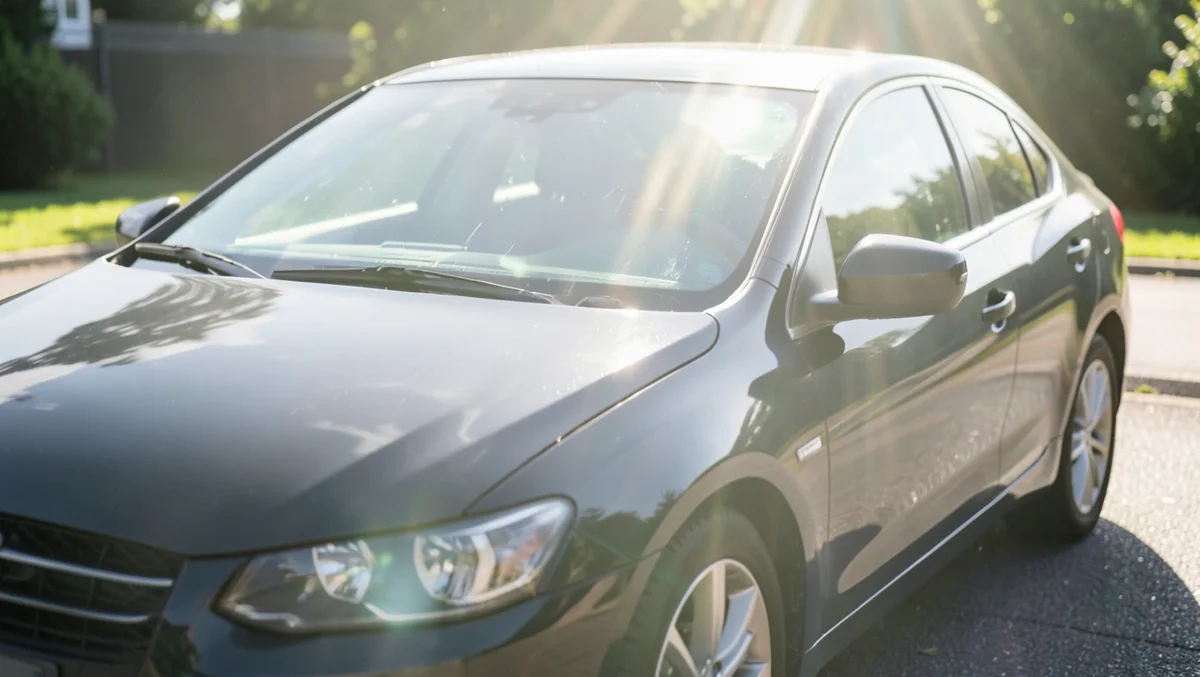
UV Protection for Car Windows: Top 3 Picks for Film, Tint and Shades
Your car’s windshield already blocks about 96% of UVA rays, but side and rear windows only block around 71% on average — and as little as 44% in some vehicles. That gap is why UV window film, tint, or cling shades are worth adding to the windows you sit closest to, even though the windshield already does most of the work on its own.
Below we compare three current UV-blocking products for different window types, explain why side windows need the extra help, and cover what’s actually legal to install where.
Why Side and Rear Car Windows Need Extra UV Protection
Windshields are made of laminated glass — two layers of glass bonded around a plastic (PVB) interlayer that happens to filter out most UVA rays as a side effect of how it’s built. Side and rear windows are usually tempered glass instead, a single sheet with no interlayer, so they don’t get that same built-in filtering. An ophthalmology study measuring UV-A levels behind windshields and driver’s-side windows across 29 vehicles from 15 automakers found windshields averaged 96% blockage (95–98%) while side windows averaged just 71% (a range of 44–96% depending on the vehicle) — a gap researchers have linked to higher rates of left-side skin cancer and cataracts in drivers, since the left side of the face and eye sit closest to the driver’s window in the US.
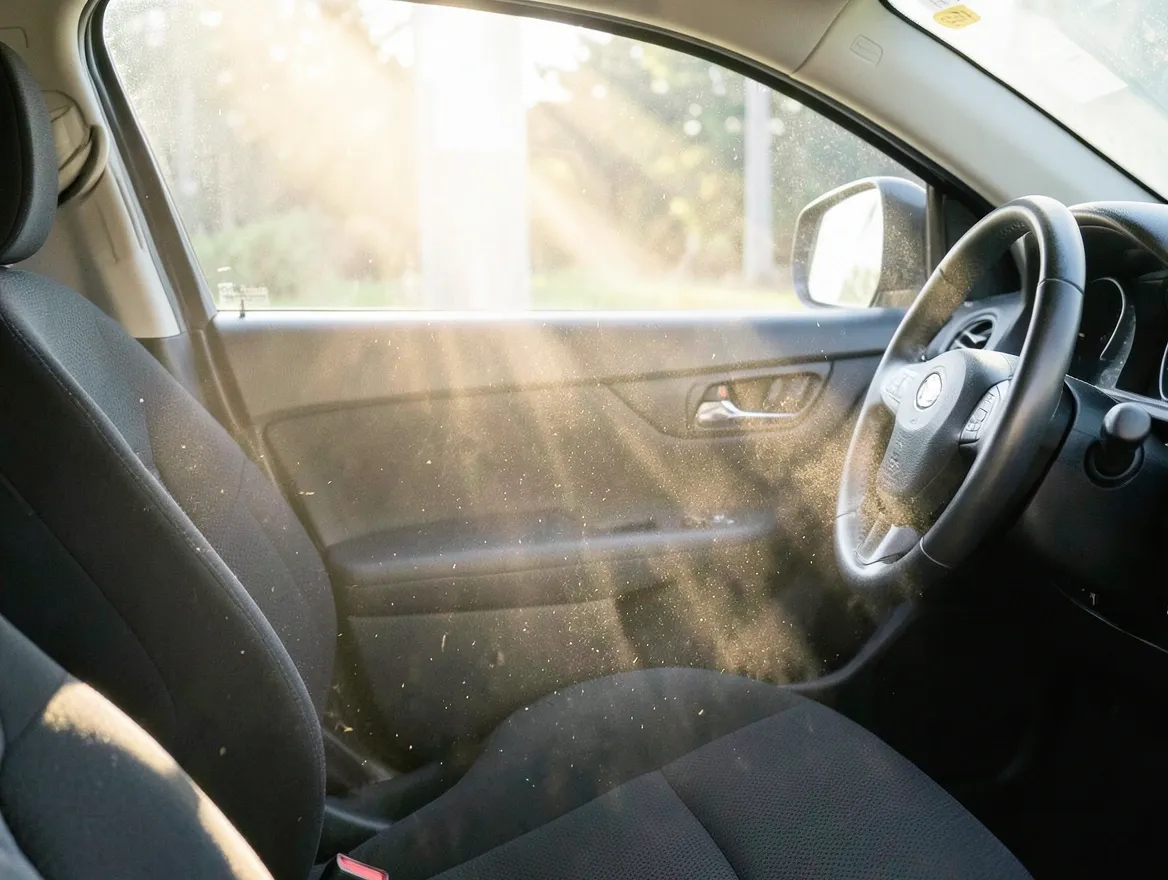
That same unfiltered sunlight fades upholstery, cracks leather and dries out the dashboard over time, in addition to the skin exposure. For a deeper look at exactly how much protection factory glass provides on its own, see our companion guide on whether car windows offer UV protection.
Top 3 Picks for UV Protection on Car Windows
| Pick | Product | Best For | Price |
|---|---|---|---|
| 1 | SW 80% VLT Nano Ceramic Window Film | Best for windshields — nearly clear, so it stays street-legal in most states | $18.99 |
| 2 | PAMAGOO 20% VLT Ceramic Tint Roll | Best for side & rear windows that need darker heat and glare blocking | $20.23 |
| 3 | Safety 1st Cling Car Window Shades (4-pack) | Best no-install option for kids, pets and rear-seat sun | $17.99 |
BEST FOR WINDSHIELDS (CLEAR & LEGAL)
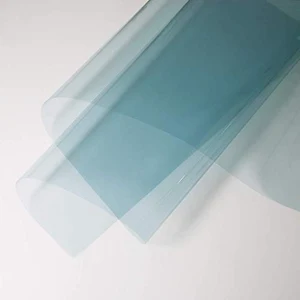 |
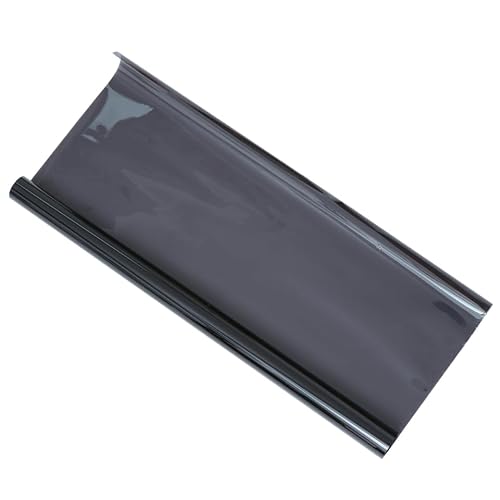
SW 80% VLT Nano Ceramic Car Window Film – $18.99 A 20-inch by 10-foot roll of near-clear nano-ceramic film rated to block 99% of UV rays without darkening the glass much, which is what makes it a realistic option for a windshield.
|
BEST FOR SIDE & REAR WINDOWS (DARKER TINT)
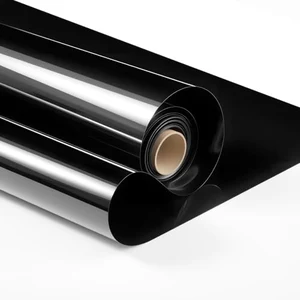 |
PAMAGOO 20% VLT Ceramic Window Tint Roll – $20.23 A 20-inch by 20-foot ceramic tint roll listed at 20% VLT, blocking 92% of UV rays and 65% of infrared heat while adding real glare reduction and one-way privacy.
|
BEST NO-INSTALL PICK (KIDS & PETS)
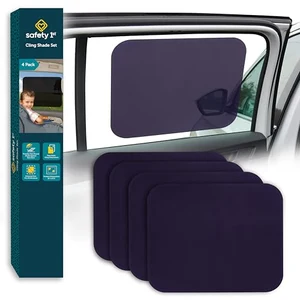 |
Safety 1st Cling Car Window Shades (4-Pack) – $17.99 Static-cling shades that press onto clean glass with no adhesive, listed to block up to 99% of UVA/UVB rays, and designed to stay in place even while the window is rolled down.
|
Film vs. Tint vs. Cling Shades: Which Should You Choose?
| Type | Typical UV Block | Permanence | Windshield-Safe? |
|---|---|---|---|
| Clear/near-clear ceramic film (like Pick 1) | ~99% | Semi-permanent, professionally removable | Yes, in most states when it’s clear or near-clear |
| Darker ceramic tint (like Pick 2) | 90–99% | Semi-permanent, professionally removable | Usually not — check your state’s VLT limit first |
| Static cling shades (like Pick 3) | Up to 99% on the covered window only | Fully removable, no adhesive | Not designed for windshields |
Film and tint are the more permanent, more effective options because they cover the entire window edge-to-edge. Cling shades are the easiest and cheapest way to add protection to a specific rear window — a booster seat or a dog bed — without touching the glass permanently.
Is UV Window Tint Legal? What to Check First
Clear or near-clear UV-blocking film is treated differently from darker tint in almost every state. Because it doesn’t meaningfully reduce how much visible light passes through the glass, a colorless UV/heat-rejection film can usually go on the full windshield legally — California and Texas both explicitly allow it, for example. Darker tint, like Pick 2 above, is a different story: every state sets a minimum visible light transmission (VLT) percentage for side and rear windows, and those limits vary widely, so a 20% VLT roll that’s legal in one state can be a ticket in another.
Before installing any tinted film, check your state’s specific VLT limits through the International Window Film Association or your local DMV. Static cling shades like Pick 3 generally fall outside these tint laws altogether since they’re removable and not classified as installed window film.
DIY Installation vs. Professional Tinting
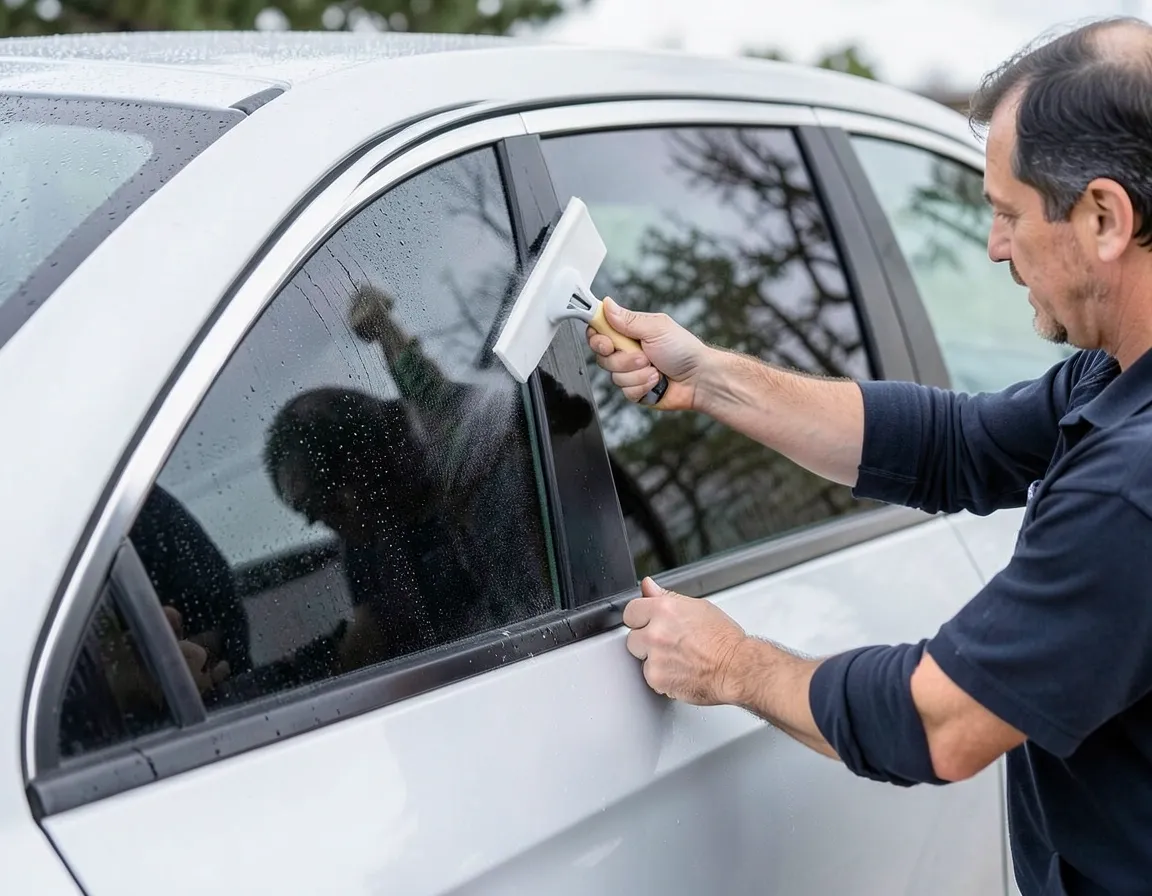
A DIY roll like Pick 1 or Pick 2 can be installed at home with soapy water, a squeegee and a sharp blade to trim the edges, but it takes patience — trapped air bubbles and dust under the film are the most common DIY mistakes, and a poor cut around the window edge is hard to fix without buying a new sheet. A professional shop will typically get a cleaner, bubble-free result and can precisely pre-cut film to your exact window shape, usually for $50–$150 per window depending on your area and the film chosen.
Cling shades like Pick 3 need no tools at all — clean the glass, press the shade on, and it’s done in under a minute per window.
Frequently Asked Questions
Does Window Film Actually Block UV Rays From Car Windows?
Yes. Quality ceramic and nano-ceramic films are commonly rated to block 92–99% of UV rays, on top of whatever protection your factory glass already provides. Since side and rear windows only block about 71% of UV on average versus the windshield’s 96%, adding film to those windows closes most of that gap.
Do Factory Car Windows Already Block UV Rays?
Windshields do a good job on their own, averaging 96% UV-A blockage because of their laminated construction. Side and rear windows are typically tempered glass without that laminated interlayer, so they average only around 71% blockage and can be as low as 44% depending on the vehicle.
Is UV-Blocking Window Film Legal on My Windshield?
Clear or near-clear UV film that doesn’t meaningfully darken the glass is legal on the full windshield in most states, including California and Texas. Darker tinted film is a different matter and is usually restricted to a narrow strip along the top of the windshield, if it’s allowed there at all — check your state’s rules before installing anything darker than a clear film.
How Long Does UV Window Film Last?
A well-installed ceramic film typically lasts several years before it starts to fade, bubble or peel, especially compared to older dyed films. Direct sun exposure, harsh cleaning chemicals and poor initial installation are the main things that shorten its life.
Can I Use Static Cling Shades Instead of Tint Film?
Yes, for rear passenger windows. Cling shades are a good no-commitment option if you just need to shield a child’s car seat or a pet from direct sun, but they’re not a substitute for film on the windshield or front side windows, where you need a clear view and a permanent, edge-to-edge seal.
Will Non-Metallized Film Interfere With My Radio or GPS?
No. Metallic or metallized films can sometimes interfere with radio, GPS and toll-transponder signals because the metal layer reflects radio waves. Ceramic, non-metallized films like the two picks above are specifically formulated to avoid that issue while still blocking UV and heat.
Conclusion
Your windshield already handles most of the UV exposure on its own, but side and rear windows leave a real gap that’s worth closing. Of the three picks above, the SW nano-ceramic film is the safest choice if you want to protect your windshield or front windows without risking a tint-law violation, the PAMAGOO ceramic roll is the better pick once you’re working on side or rear windows and want real heat and glare reduction, and the Safety 1st cling shades are the fastest, no-commitment option for shielding a car seat or a pet on a single rear window.
If you’re still deciding whether shades alone are worth it versus film, our guide on whether car window shades actually work breaks down real-world results in more detail.
Products related to this article
Sponsored / affiliate links. As an Amazon Associate I earn from qualifying purchases. I may earn additional commission from eligible campaigns.