Do UV Rays Go Through Car Windows? What You Should Know
Understanding how UV rays interact with car windows is key to protecting your skin. Most standard car side and rear windows block most UVB rays but allow a significant amount of UVA rays to pass through. Windshields offer better protection as they are often made with laminated glass that filters out more UVA. This means even on cloudy days, you can still be exposed to damaging UV radiation while driving.
Understanding UV Rays and Car Windows
Sunlight contains different types of rays. The ones we worry about most are ultraviolet (UV) rays. There are three main types: UVA, UVB, and UVC.
UVC rays are mostly blocked by the Earth’s atmosphere. So, we mostly deal with UVA and UVB rays. These rays can cause harm to our skin and eyes.
UVA rays have a longer wavelength. They can penetrate deeper into the skin. This can lead to premature aging.
Think wrinkles and sunspots. UVA rays are also linked to skin cancer. They are present all day long, even when the sun doesn’t feel very hot.
They can pass through glass more easily than UVB rays.
UVB rays have a shorter wavelength. They have more energy. These are the rays that cause sunburn.
They damage the top layers of your skin. UVB rays are strongest during the middle of the day. They are also more effectively blocked by glass than UVA rays.
However, they can still reach you.
How Different Car Windows Block UV Rays
Not all car windows are the same. The type of glass used makes a big difference. Most cars have two main types of glass for windows: tempered glass and laminated glass.
Tempered glass is used for side and rear windows. It’s strong. If it breaks, it shatters into small, dull pieces.
This is a safety feature. Tempered glass is good at blocking UVB rays. It blocks almost all of them.
But it lets a lot of UVA rays through. This is a key point many people miss.
Laminated glass is used for windshields. It’s made of two layers of glass with a plastic layer in between. This plastic layer helps hold the glass together if it breaks.
Laminated glass is much better at blocking both UVA and UVB rays. Many windshields are coated to block even more UV light. So, your windshield usually offers better protection than your side windows.
Quick Look: UV Ray Penetration
UVB Rays:
- Side/Rear Windows (Tempered Glass): Blocked (almost 100%)
- Windshield (Laminated Glass): Blocked (very high percentage)
UVA Rays:
- Side/Rear Windows (Tempered Glass): Penetrate significantly
- Windshield (Laminated Glass): Blocked more effectively, but some may still pass
So, even if you don’t feel the heat of the sun, UVA rays can still reach your skin through your side windows. This exposure adds up over time. It’s like a slow drip.
Over years of driving, this can contribute to skin aging and increase your risk of skin cancer.
My Own Experience with Sun Exposure in the Car
I remember one summer, I was driving a lot for work. It was a long road trip across several states. I was so focused on staying hydrated and wearing sunscreen when I stopped.
I felt pretty good about my sun safety. But I started noticing something odd.
The left side of my face, the side that usually faced the window, looked more weathered. It had more fine lines and even a few more sunspots than the right side. At first, I brushed it off.
Maybe it was just how my face was aging. But then I read an article about how UVA rays go through car windows. It hit me like a ton of bricks.
I was getting significant sun exposure without even realizing it, just sitting in my car for hours each day.
That was a real wake-up call. I thought I was safe behind the glass. But I was wrong.
Since then, I’ve been much more mindful. I make sure to apply sunscreen to my face and arms even when I’m just running errands. It made me realize how important it is to understand what we’re exposed to, even in seemingly safe situations like driving.
The Science Behind Window Glazing
Let’s dig a little deeper into the science. The way glass interacts with UV light depends on its chemical composition and any coatings it has. Standard glass is made primarily from silica (sand).
When UV light hits it, some of it is absorbed, and some is reflected. The rest passes through.
Different types of glass have different properties. As we mentioned, laminated glass, used in windshields, has a layer of polyvinyl butyral (PVB) sandwiched between two glass layers. This PVB layer is very good at absorbing UV radiation.
This is why windshields generally provide better UV protection.
Tempered glass, used in side and rear windows, is heat-treated. This process makes it stronger but also changes its structure in a way that makes it less effective at blocking UV light. Specifically, it lets more UVA rays through.
Some newer cars might have windows with special UV-filtering coatings applied during manufacturing. However, not all vehicles have this.
Window Glass Types and UV Blocking
Windshield (Laminated Glass)
Composition: Two glass layers + PVB interlayer.
UV Protection: High. PVB layer absorbs most UVA and UVB.
Common Use: Front windshields.
Side/Rear Windows (Tempered Glass)
Composition: Single layer of heat-treated glass.
UV Protection: Good for UVB, poor for UVA.
Common Use: Side and rear windows.
It’s also worth noting that UV radiation can degrade the materials used in car interiors over time. That’s why dashboards can crack or seats can fade. This degradation is caused by the same UVA rays that can affect your skin.
Real-World Scenarios: Who is Most at Risk?
Certain people or situations put drivers at higher risk of UV exposure from car windows. Think about who spends a lot of time in a car. Truck drivers, taxi drivers, and delivery personnel are all examples of people who spend many hours a day behind the wheel.
Long commutes are another factor. If you drive an hour each way to and from work every day, that’s two hours of potential UV exposure daily. Over a year, this adds up to a significant amount of time exposed to UVA rays, especially if you’re only protected by tempered side windows.
Also, consider the climate. If you live in a sunny region like Florida, Arizona, or California, the sun’s rays are more intense. Even on a cloudy day in these regions, UV radiation can still be high.
People in these areas might need to be more vigilant about sun protection while driving.
Drivers with Higher UV Exposure Risk
- Long Commuters: Spending hours in the car daily.
- Professional Drivers: Taxi, truck, delivery drivers.
- Residents of Sunny Climates: High UV index year-round.
- Drivers with Medical Conditions: Photosensitivity or skin cancer history.
People with certain medical conditions might also be more sensitive. This includes conditions like lupus or those taking photosensitizing medications. For these individuals, even low levels of UV exposure can cause problems.
They need to be extra careful about sun protection in all situations, including while driving.
What This Means for Your Health
The fact that UVA rays can penetrate car windows has real health implications. Over time, this chronic exposure can lead to:
- Premature Skin Aging: Wrinkles, fine lines, and sagging skin.
- Sunspots (Age Spots): Dark spots on the skin caused by sun damage.
- Increased Risk of Skin Cancer: Including melanoma, basal cell carcinoma, and squamous cell carcinoma.
A study published in the Journal of the American Academy of Dermatology found that drivers in the U.S. had significantly more sun damage and skin cancer on the left side of their bodies. This strongly suggests that cumulative UV exposure through car windows is a contributing factor.
It’s a subtle danger that many overlook.
The damage isn’t just cosmetic. Skin cancer can be life-threatening. Early detection and prevention are crucial.
Understanding this risk helps you take proactive steps to protect your health.
When is UV Exposure Through Car Windows Normal?
It’s normal for some UV radiation to pass through your car windows. As we’ve discussed, standard tempered glass is not designed to block all UVA rays. So, a certain level of exposure is expected, especially from side and rear windows.
If you drive regularly, especially during daylight hours, some degree of UV exposure is part of the experience. This is considered “normal” in the sense that it’s a common occurrence for most drivers. The issue arises when this exposure is prolonged and unprotected.
For most people, this normal exposure won’t cause immediate or severe harm. The damage accumulates over years. It’s like the slow erosion of a rock by water.
It happens gradually but has a significant effect over time.
When Should You Worry About UV Exposure in Your Car?
You should start to worry if you notice certain signs. These could include:
- Visible Signs of Sun Damage on One Side: If one side of your face or body shows more signs of aging or sunspots than the other.
- Frequent, Long Drives: If your daily commute or profession involves many hours behind the wheel.
- Living in a High-UV Area: If you live in a very sunny climate.
- Family History of Skin Cancer: If you have a genetic predisposition to skin cancer.
- Diagnosed Photosensitivity: If you have a medical condition that makes your skin highly sensitive to the sun.
If any of these apply to you, it’s a good idea to take extra precautions. Don’t wait until you see major signs of damage. Prevention is always better than trying to reverse damage later.
Simple Checks for Your Car’s UV Protection
How can you tell if your car windows offer good UV protection? It’s not always easy to tell just by looking. However, there are a few things you can do:
Check Your Window Stickers: Some car manufacturers will list UV protection ratings for their glass. Look for labels on the windows themselves or check your car’s manual. Information about UV filtering might be provided.
Use a UV Meter: For a more precise reading, you can use a UV meter. These are small devices that measure UV intensity. You can hold it up to different windows to compare the readings.
You might be surprised by the differences.
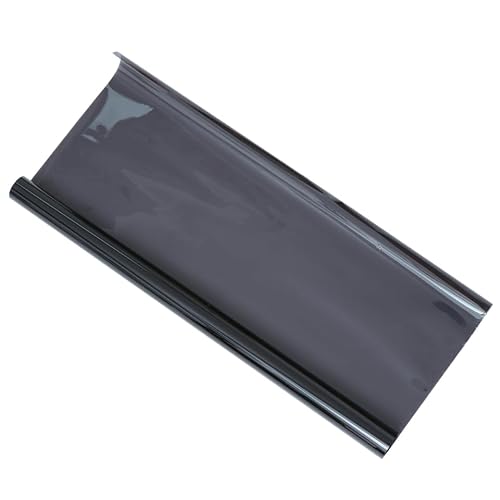
Consider Window Tinting: This is one of the most effective ways to increase UV protection. Many window tint films are designed to block a high percentage of both UVA and UVB rays. However, be sure to choose a reputable installer and check local laws regarding tint darkness.
DIY UV Check for Your Car
What You Need: A sunny day and a UV light meter (available online).
How to Do It:
- Turn on the UV meter.
- Hold it near your car’s windshield. Note the reading.
- Repeat for a side window.
- Compare the readings. A significantly higher reading for side windows indicates less UV protection.
Note: Results can vary based on meter accuracy and window coatings.
Remember that even clear window films can offer significant UV protection without making your windows appear dark. It’s about the film’s composition, not just its color.
Quick Fixes and Tips for Driving Sun Protection
Here are some practical tips to help you stay protected from UV rays while driving:
- Apply Sunscreen: Always apply a broad-spectrum sunscreen with an SPF of 30 or higher to exposed skin before driving. This includes your face, neck, ears, and the backs of your hands.
- Wear Protective Clothing: Lightweight, long-sleeved shirts and pants offer a good physical barrier against UV rays. Choose tightly woven fabrics.
- Use a Sun Hat: A hat with a wide brim can help shield your face, neck, and ears. Make sure it doesn’t obstruct your vision while driving.
- Wear Sunglasses: Choose sunglasses that block 100% of UVA and UVB rays. This protects your eyes and the delicate skin around them.
- Consider UV Window Film: As mentioned, professional window tinting can significantly block harmful UV rays. Check your local regulations regarding tint levels.
- Sunshades for Windows: Removable sunshades can be placed on side windows when parked to reduce interior heat and UV exposure when you return.
It’s important to remember that even with UV film, some rays might still get through. So, personal protection like sunscreen and clothing remains essential for anyone spending a lot of time in the car.
Frequently Asked Questions About UV Rays and Car Windows
Do UV rays damage your skin even on cloudy days?
Yes, they do. Up to 80% of the sun’s UV rays can penetrate clouds. So, you can still get significant UV exposure on overcast days, especially UVA rays through car windows.
Is car window tinting legal everywhere?
Tinting laws vary by state in the U.S. Some states have strict limits on how dark the tint can be, especially for front windows. Always check your local laws before getting your windows tinted.
Can UV rays from car windows cause blindness?
While prolonged exposure to UV rays can contribute to eye conditions like cataracts, it’s unlikely to cause immediate blindness from typical car window exposure. However, eye protection like UV-blocking sunglasses is still very important.
Are UV-blocking window films really effective?
Yes, high-quality UV-blocking window films are very effective. They are designed to block 99% or more of harmful UVA and UVB rays. They can significantly reduce your exposure while driving.
Should I wear sunscreen even if my car has tinted windows?
Yes, it’s a good idea. While tinted windows greatly reduce UV exposure, some rays might still penetrate. It’s always best to have an extra layer of protection with broad-spectrum sunscreen on your skin.
Does the age of my car’s windows matter for UV protection?
Generally, the type of glass and any factory coatings are the main factors. Age itself doesn’t degrade the glass’s UV-blocking properties significantly, but coatings could potentially wear down over many decades.
Conclusion: Driving Safely in the Sun
So, to wrap it up, car windows do not offer complete protection from the sun’s harmful UV rays. While windshields block more light, side and rear windows let a significant amount of UVA rays through. This can lead to skin aging and increase your risk of skin cancer over time.
The good news is you can take steps to protect yourself. Using sunscreen, wearing protective clothing, and considering UV window films are all effective strategies. Be aware of your exposure, especially if you drive long distances or live in a sunny area.
Stay safe on the road!
Sponsored / affiliate links. As an Amazon Associate I earn from qualifying purchases. I may earn additional commission from eligible campaigns.
Products related to this article