What Amp to Charge Car Battery: A Complete Guide to Charging Safely and Efficiently
Hey there! If you’ve ever found yourself staring at a dead car battery, wondering how to bring it back to life, you’re not alone. I’ve been there, scratching my head, trying to figure out the right way to charge it without causing damage. One of the biggest questions I had was, “What amp should I use to charge my car battery?” It’s a simple question, but the answer depends on a few factors. In this guide, I’m going to walk you through everything I’ve learned from my own experience—mistakes and all—so you can charge your car battery safely and keep it running smoothly. Whether you’re a car enthusiast or just someone trying to avoid a tow truck, this article is for you. Let’s dive in!
Understanding Car Battery Charging Basics
When I first started learning about car batteries, I was overwhelmed by terms like amps, volts, and chargers. But let me break it down for you. A car battery is like the heart of your vehicle. It powers everything from starting the engine to running the lights. When it dies, you need to charge it properly to avoid damage.
The “amp” in this context refers to the amperage, or the rate at which electric current flows into the battery during charging. Think of it like water flowing through a hose. Too much water too fast can overflow, and too little takes forever to fill. The same goes for charging a battery. The right amperage ensures the battery charges efficiently without overheating or getting damaged.
Most car batteries are 12-volt lead-acid batteries, and the amperage you choose depends on the battery’s size, condition, and how fast you need it charged. I’ve learned that picking the wrong amperage can shorten the battery’s lifespan or even ruin it completely. So, let’s explore how to get it right.
Why Amperage Matters When Charging a Car Battery
I used to think charging a battery was as simple as plugging it into a charger and walking away. Boy, was I wrong! The amperage setting on your charger plays a huge role in how safely and effectively the battery charges. Too high, and you risk overcharging, which can cause the battery to overheat or even explode in rare cases. Too low, and you’ll be waiting forever for the battery to charge, which isn’t practical if you’re in a hurry.
Amperage is measured in amps (A), and most car battery chargers offer settings ranging from 2 amps to 50 amps or more. The right setting depends on the battery’s capacity, which is measured in amp-hours (Ah). For example, a typical car battery has a capacity of 40-60 Ah. This number tells you how much charge the battery can hold. Knowing this helped me understand why choosing the right amperage is so important—it’s about matching the charger’s output to the battery’s needs.
Types of Car Battery Chargers and Their Amp Settings
When I bought my first battery charger, I was confused by all the options. There are several types of chargers, and each one has different amp settings. Here’s what I’ve learned about the most common ones:
- Trickle Chargers: These are low-amp chargers, usually 1-2 amps. They’re great for maintaining a battery’s charge over time, like when your car is in storage. I use a trickle charger for my old pickup truck during the winter, and it keeps the battery in top shape.
- Standard Chargers: These typically offer 2-10 amps. They’re versatile and work well for most car batteries. I’ve found that 2-4 amps is perfect for a slow, safe charge, while 6-10 amps is faster but still safe for most batteries.
- Fast Chargers: These deliver 10-50 amps or more. They’re designed for quick charging, but you have to be careful. I once used a 50-amp setting in a rush, and it overheated my battery, causing it to swell. Not fun!
- Smart Chargers: These are my favorite now. They automatically adjust the amperage based on the battery’s needs, usually ranging from 1-15 amps. They’re foolproof and perfect for beginners.
Each charger type has its place, but the key is knowing your battery and how fast you need it charged. Let’s talk about how to choose the right amp setting.
How to Choose the Right Amperage for Your Car Battery
Choosing the right amperage was a game-changer for me. Here’s a simple guide based on what I’ve learned:
- Check Your Battery’s Capacity: Look at the battery label for its amp-hour (Ah) rating. Most car batteries are 40-60 Ah. A general rule is to charge at 10-20% of the battery’s Ah rating for a safe, slow charge. For a 50 Ah battery, that’s 5-10 amps.
- Consider Your Time: If you’re not in a rush, a low setting like 2-4 amps is best. It takes longer—sometimes 12-24 hours—but it’s gentle on the battery. For a faster charge, 6-10 amps can work, but don’t go higher unless you’re using a smart charger.
- Battery Condition: If your battery is old or damaged, stick to a lower amperage (2-4 amps) to avoid stressing it. I learned this the hard way when I tried to fast-charge an old battery, and it wouldn’t hold a charge afterward.
- Charger Type: If you have a smart charger, you don’t need to worry much. It adjusts the amps automatically. For manual chargers, start low and monitor the process.
Here’s a quick table to help you choose the right amperage:
| Battery Capacity (Ah) | Recommended Amperage | Charging Time (Approx.) |
|---|---|---|
| 40 Ah | 2-4 amps | 10-20 hours |
| 50 Ah | 4-6 amps | 8-12 hours |
| 60 Ah | 6-10 amps | 6-10 hours |
| 80 Ah | 8-12 amps | 6-8 hours |
This table has been a lifesaver for me. It’s a quick reference to avoid guesswork.
Step-by-Step Guide to Charging a Car Battery
Charging a car battery is straightforward once you know the steps. Here’s how I do it:
- Safety First: I always wear gloves and safety glasses. Batteries can leak acid or release gases, so work in a well-ventilated area.
- Turn Off the Car: Make sure the car is off, and remove the key. This prevents any electrical issues.
- Clean the Battery: Check for dirt or corrosion on the terminals. I use a wire brush and some baking soda mixed with water to clean them.
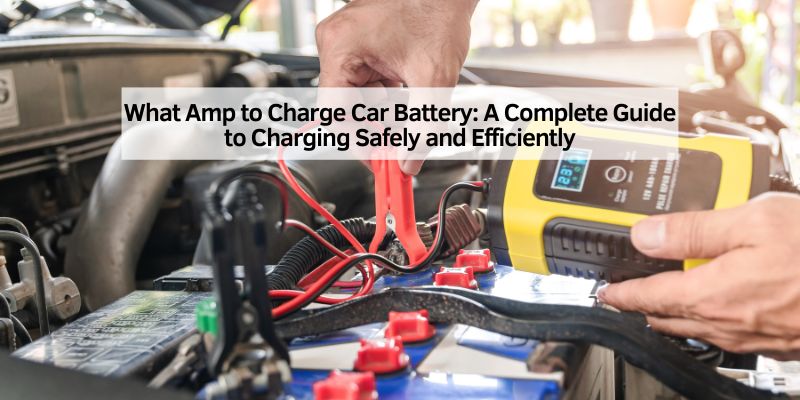
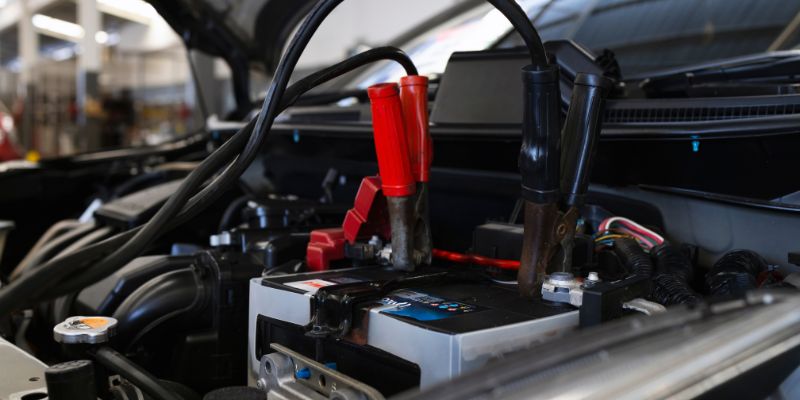
- Connect the Charger: Attach the red (positive) clamp to the battery’s positive terminal and the black (negative) clamp to the negative terminal. If the battery is still in the car, connect the negative clamp to a metal part of the car’s frame for safety.
- Set the Amperage: Based on the table above, choose the right amperage. I usually start with 4 amps for a standard 50 Ah battery.
- Plug in the Charger: Turn it on and let it do its job. If it’s a smart charger, you can walk away. For manual chargers, check every few hours.
- Monitor the Charge: Most chargers have a gauge or light to show when the battery is full. Don’t overcharge—it can damage the battery.
- Disconnect Safely: Once charged, unplug the charger, remove the negative clamp first, then the positive.
I’ve followed these steps dozens of times, and they’ve never let me down. It’s like a recipe for keeping your battery happy.
Common Mistakes to Avoid When Charging a Car Battery
I’ve made plenty of mistakes when charging batteries, so let me save you some trouble. Here are the big ones to avoid:
- Using Too High Amperage: I once thought “faster is better” and cranked the charger to 50 amps. The battery overheated, and I had to replace it. Stick to the recommended amps.
- Leaving the Charger On Too Long: Overcharging can boil the battery’s electrolyte. If your charger isn’t automatic, set a timer to check it.
- Ignoring Battery Condition: If the battery is bulging, leaking, or smells weird, don’t charge it. Get it checked by a professional.
- Charging in a Confined Space: Batteries release hydrogen gas, which is flammable. I always charge mine in the garage with the door open.
- Not Checking Connections: Loose or dirty connections can cause sparks or poor charging. Double-check everything.
Learning from these mistakes has made me a lot more confident when charging batteries.
When to Use a Trickle Charger vs. a Fast Charger
This was a big “aha” moment for me. Trickle chargers and fast chargers serve different purposes. A trickle charger (1-2 amps) is like a slow cooker—it takes time but keeps the battery healthy. I use one for my motorcycle battery when it’s parked for weeks. It’s perfect for maintaining a full charge without overdoing it.
Fast chargers (10+ amps) are like a pressure cooker—great when you need a quick charge, like if your car won’t start before work. But they’re risky if you’re not careful. I only use fast chargers when I’m in a pinch and always monitor them closely. For most situations, a standard or smart charger with 4-10 amps is the sweet spot.
How to Know When Your Battery Is Fully Charged
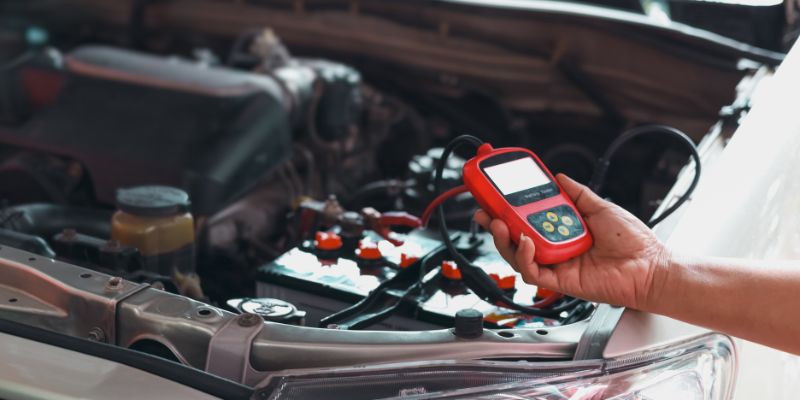
One question I get a lot is, “How do I know when the battery is done charging?” Most modern chargers have a light or meter that shows when the battery is full. If you’re using a smart charger, it’ll stop automatically. For manual chargers, you can use a multimeter to check the voltage. A fully charged 12-volt battery should read around 12.6-12.8 volts when not connected to the charger.
I also learned to watch for signs of overcharging, like a hot battery or a strange smell. If you notice these, unplug the charger immediately. Trust me, it’s better to be safe than sorry.
Maintaining Your Car Battery After Charging
Charging is just one part of keeping your battery in good shape. Here’s what I do to make mine last longer:
- Check the Charge Regularly: I use a multimeter every few months to make sure the battery is holding a charge.
- Keep It Clean: Dirt and corrosion can drain the battery. I clean the terminals with a wire brush every season.
- Avoid Short Trips: Short drives don’t give the alternator enough time to recharge the battery. I try to take longer drives once a week.
- Store Properly: If you’re not using your car for a while, use a trickle charger or disconnect the battery to prevent discharge.
These habits have helped me avoid dead batteries and save money on replacements.
When to Replace Your Car Battery
Sometimes, charging isn’t enough. I’ve had batteries that just wouldn’t hold a charge, no matter what I did. Most car batteries last 3-5 years, depending on usage and climate. If your battery is over 4 years old, struggles to start the car even after charging, or shows physical damage like cracks or leaks, it’s time for a new one. I always take my old batteries to an auto shop for recycling—it’s better for the environment.
Conclusion
Charging a car battery might seem tricky at first, but once you understand the basics, it’s like riding a bike. I’ve learned that choosing the right amperage—whether it’s a slow 2-amp trickle or a faster 10-amp charge—makes all the difference in keeping your battery healthy. By following the steps I’ve shared, avoiding common mistakes, and maintaining your battery, you can save time, money, and a whole lot of frustration. I hope this guide has given you the confidence to tackle your car battery charging like a pro. Next time your car won’t start, you’ll know exactly what to do. Happy driving!
Frequently Asked Questions
What is the best amperage to charge a car battery?
The best amperage depends on your battery’s capacity and how fast you need it charged. For most car batteries (40-60 Ah), I recommend 4-6 amps for a safe, steady charge. If you’re using a smart charger, it’ll adjust automatically, which is great for beginners.
Can I charge my car battery with a high amperage?
You can, but it’s risky. High amperage (10+ amps) can overheat the battery and shorten its lifespan. I only use high amps when I’m in a hurry and always monitor the battery closely. Stick to lower amps for regular charging.
How long does it take to charge a car battery?
It depends on the battery’s capacity and the amperage. A 50 Ah battery at 5 amps takes about 8-12 hours. Lower amps take longer, while higher amps are faster but riskier. I always check the charger’s indicator to know when it’s done.
Can I leave my battery charging overnight?
If you’re using a smart charger, yes—it’ll stop automatically when the battery is full. For manual chargers, I don’t recommend it. Overcharging can damage the battery. Set a timer or check it every few hours to be safe.
What’s the difference between a trickle charger and a fast charger?
A trickle charger uses low amps (1-2 amps) for slow, gentle charging, perfect for maintaining a battery over time. A fast charger uses high amps (10+ amps) for quick charging but can overheat the battery if not monitored. I use trickle chargers for storage and fast chargers only when I’m in a rush.