What Are Auto Repair Shops? Types Explained Clearly
Auto repair shops diagnose, maintain, and fix vehicles. The main types are general repair, dealership service, tire and brake, specialty, and body shops, and you should match the shop to the fault. Picking the wrong one can waste time, raise costs, and leave the actual problem unsolved. This guide explains each shop type, what it can and cannot handle, and how to pick the right one for your vehicle issue.
What is an auto repair shop?


An auto repair shop is a place where trained technicians repair automobiles with service bays, diagnostic tools, and repair equipment. It may handle maintenance, mechanical repairs, or collision-related work, but the core job is getting a vehicle back to safe, usable condition after a fault or failure.
Auto repair versus routine maintenance
Repair and maintenance overlap, but they are not the same. Maintenance is scheduled care such as oil changes, filter replacement, tire rotation, and fluid checks. Repair fixes a fault, such as a misfire, brake noise, leaking water pump, or damaged suspension part. Many shops do both.
Why repair shops are not the same as body shops
Body shops work on crash damage and appearance-related restoration. That includes dents, paint, panel replacement, and frame or alignment work after a collision. A mechanical repair shop focuses on how the vehicle runs and stops. A body shop focuses on how the vehicle looks and how the structure lines up after impact.
What does a vehicle repair shop do?
A vehicle repair shop diagnoses problems, performs repairs, and often handles routine service items. It may inspect warning lights, test failed components, replace worn parts, verify fluid levels, and confirm that the vehicle is safe to drive. The exact scope depends on the shop type and its equipment.
Typical services, diagnosis, and maintenance
Common services include brake repair, battery replacement, engine diagnosis, transmission-related work, suspension repair, alignment, tire service, fluid checks, and light maintenance. Many shops also reset service reminders, inspect belts and hoses, and perform state inspections where allowed.
Common tools and equipment used in the shop
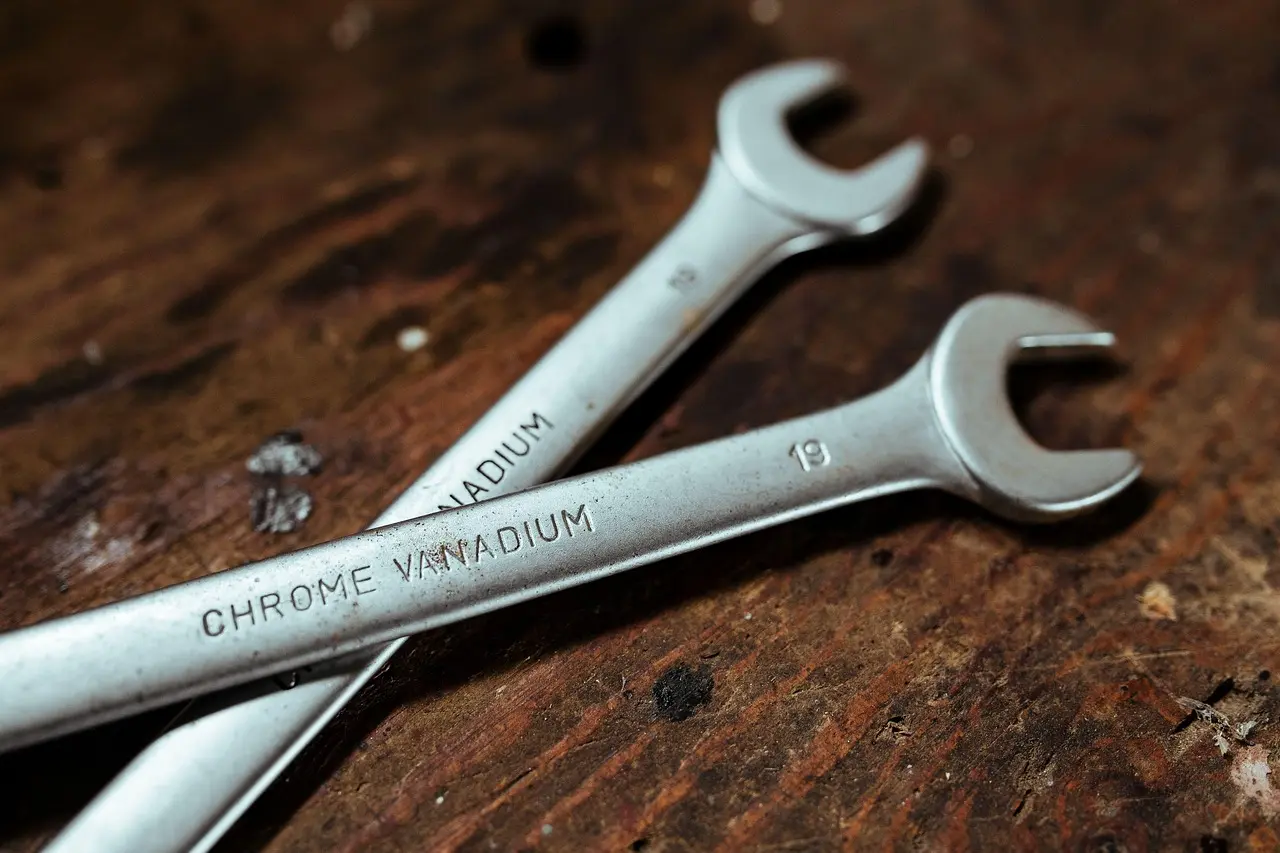
Most shops rely on scan tools, a lift, a multimeter, and hand tools. Mechanical shops may also use smoke machines, pressure testers, and service manuals. Alignment shops use an alignment rack and measurement equipment. Tire shops use tire changers, balancers, and torque tools. Body shops use frame equipment, refinishing booths, and panel tools.
Who these shops usually serve
Auto repair shops serve daily drivers, fleet vehicles, work trucks, hybrids, and older cars with wear-related problems. Some focus on one brand or one system. Others accept many makes and models and adjust their workflow to the vehicle and the repair.
What are the main types of auto repair shops?
Common shop types include mechanical repair shops, body shops, tire and alignment shops, quick lube or express service shops, dealership service departments, and independent repair shops. Each is built around a different kind of work, which is why the right match matters for cost, timing, and repair quality.
Mechanical repair shops
Mechanical repair shops handle engine, transmission, brake, suspension, steering, cooling, charging, and drivability problems. They usually have scan tools, lifts, and electrical test gear. They are the right choice for warning lights, leaks, stalling, odd noises, hard shifting, and most faults that affect operation.
Body shops
Body shops handle collision repair, panel replacement, paint work, dent correction, and frame or unibody measurement and alignment. They are not the right place for an engine misfire or a brake pulsation diagnosis unless the issue is tied to crash damage. Their work is structural and cosmetic.
Tire and alignment shops
Tire and alignment shops focus on tire replacement, wheel balancing, tire rotation, and alignment service. They are well suited for vibration, uneven tire wear, steering pull, and puncture-related tire work. They are not built for deep engine, transmission, or body repair.
Quick lube and express service shops
Quick lube shops handle oil changes, fluid checks, air filters, wiper blades, and similar light maintenance. Their value is speed and limited scope. They are not built for complex diagnostics, major repairs, or work that requires extended troubleshooting or disassembly.
Dealership service departments
Dealership service departments typically focus on one brand or a small set of brands. They usually have OEM parts access, factory procedures, brand-specific software, and warranty-authorized repair channels. They are often the best fit for warranty claims, software updates, and brand-specific faults.
Independent repair shops
Independent repair shops service multiple brands and often offer broader flexibility in pricing, parts choices, and repair strategy. Many handle routine service and major repairs well. Their strength is broad capability without being tied to one manufacturer’s procedures or dealer structure.
How do the main shop types differ in practice?
They differ in scope, equipment, turnaround time, and what they should refuse. A shop can be highly capable and still be wrong for the job. The key is whether the problem fits the shop’s tools, training, and business model.
What each shop type can handle
Mechanical shops handle drivability and component failure. Body shops handle crash damage and refinishing. Tire and alignment shops handle wheels, tires, and steering geometry. Quick lube shops handle fast maintenance. Dealerships handle brand-specific diagnostics and warranty work. Independent shops often cover a wider spread of routine and mechanical repairs.
What each shop type should not handle
A quick lube shop should not be the first stop for a check-engine light that needs diagnosis. A tire shop should not be expected to rebuild a transmission. A body shop should not be used for engine repair. A general repair shop may decline a complex frame repair or factory-campaign work that belongs at a dealer or specialist.
Typical turnaround and scope limits
Quick lube work may sometimes take less than an hour. Tire service can often be same-day. Routine mechanical jobs may take one day, while diagnosis or parts delays can stretch longer. Collision repair often takes the longest because paint curing, part sourcing, and alignment checks add time. Dealerships may need extra time for warranty approvals.
Say your compact sedan starts pulling right after new front tires are installed. A tire and alignment shop is the correct first stop, because the likely issue is alignment or tire balance, not an engine fault. If the pull stays after alignment, the shop should inspect steering and suspension parts before sending you elsewhere.
Decision matrix: Which shop type fits which problem?
The safest choice is the shop type built for the specific fault. A good match saves diagnostic time and reduces repeat visits. The matrix below shows which problems fit which shop, how fast the work often moves, and when a specialist is the better call.
| Problem or need | Best shop type | Typical scope | Typical turnaround | Red-flag cases that need a specialist |
|---|---|---|---|---|
| Check-engine light, rough idle, misfire | Mechanical repair shop or dealership | Scan tool diagnosis, tests with a multimeter, component replacement | Same day to several days | Brand software updates, known manufacturer campaigns, complex hybrid or EV faults |
| Brake squeal, soft pedal, brake fluid leak | Mechanical repair shop | Pads, rotors, calipers, fluid service | Same day to one day | Brake-by-wire systems, ABS control module faults, post-collision brake issues |
| Crash dent, torn bumper, scraped fender, paint damage | Body shop | Panel repair, replacement, refinishing, frame measurement | Several days to weeks | Airbag deployment diagnostics, drivetrain damage, advanced driver-assist calibration |
| Vibration at highway speed, tire wear, steering pull | Tire and alignment shop | Balance, rotation, alignment, tire replacement | Same day | Bent suspension parts, wheel bearing noise, accident-related structural damage |
| Oil change, fluid top-off, air filter, wiper blades | Quick lube or express service shop | Light maintenance only | Under an hour to one day | Oil leaks, coolant loss, misfire, overheating, service warning lights |
| Warranty repair, brand-specific software, factory procedure | Dealership service department | OEM parts, factory diagnostics, warranty submission | Same day to several days | None for dealer-controlled warranty items; body or tire work may still need another shop |
| Older car, multiple systems, mixed maintenance and repairs | Independent repair shop | Broad service across many brands | Same day to several days | Rare-model parts, structural collision work, dealer-only software procedures |
A common first-timer mistake is bringing a collision-damaged car to a tire shop because the steering wheel sits crooked. If the suspension mount is bent or the frame is out of spec, alignment alone will not fix it. A body shop or collision specialist should inspect the structure first.
What must auto repair shops provide?
Auto repair shops should provide a written estimate, get authorization before extra work, explain parts choices, and state warranty terms clearly. These protections help you compare shops, control cost, and understand what is covered if a repaired part fails again.
Written estimate and authorization
A written estimate should usually list the work to be done, labor charges, and the parts involved. If the shop finds additional problems, it should ask before proceeding. That authorization step matters because diagnosis often reveals more than the original complaint.
Parts disclosure and warranty terms
Customers should know whether parts are new, used, rebuilt, or aftermarket. They should also ask what warranty applies to labor and parts, how long it lasts, and whether the warranty is limited to that shop. Those details affect cost and what happens after the repair.
Repair standards and consumer protection
Good repair practice includes accurate estimates, documented approval, and clear invoices. If a shop will not explain what parts were installed or how long the repair is covered, that is a warning sign. The same is true if the final bill differs from the estimate without approval.
Is an auto repair shop considered retail?
Usually, an auto repair shop is classified as a service business, not a pure retail store. Some shops sell parts and accessories at the counter, but the main transaction is labor, diagnosis, and repair. That distinction matters because service work often follows different billing and warranty practices than retail sales.
How service businesses are classified
Retail usually means the sale of goods to a customer. Repair shops sell a service first, even when parts are included on the invoice. Dealerships can include both retail sales and a service department, but the service counter itself is still a service operation.
Why this question matters for customers
Classification affects taxes, consumer protections, and how a shop structures invoices and warranties. It also explains why a quote for repair labor is not the same as a retail price tag on a part. Customers should read the estimate line by line.
Frequently asked questions
What is auto repair?
Auto repair is the process of diagnosing, fixing, and restoring a vehicle after a fault, failure, or damage event. It covers mechanical work, electrical diagnosis, and sometimes maintenance tasks. The key idea is correcting a problem that prevents the vehicle from working as intended.
What services are offered by auto repair shops?
Auto repair shops commonly offer diagnostics, brake work, battery service, suspension repair, engine repair, tire service, oil changes, and fluid checks. Some also handle alignments, collision repair, and warranty work. The exact menu depends on whether the shop is mechanical, body-focused, tire-focused, or dealer-based.
How do service shops differ from independent repair shops?
Service shops usually describe a narrower operating model, such as dealership service departments or quick service lanes built around a defined menu. Independent repair shops are locally owned and often work on many brands with more flexible pricing and broader mechanical scope.
How do dealership service departments differ from general repair shops?
Dealership service departments specialize in one brand and typically use OEM parts, factory procedures, and brand-specific diagnostic software. General repair shops are usually more flexible across makes and models and may price work differently. Dealers are often preferred for warranty and manufacturer-directed repairs.
What are the types of auto repair shops?
The main types are mechanical repair shops, body shops, tire and alignment shops, quick lube or express service shops, dealership service departments, and independent repair shops. Each type is built for a different job, so the right choice depends on whether the problem is mechanical, structural, or maintenance-related.
Products related to this article
Sponsored / affiliate links. As an Amazon Associate I earn from qualifying purchases. I may earn additional commission from eligible campaigns.