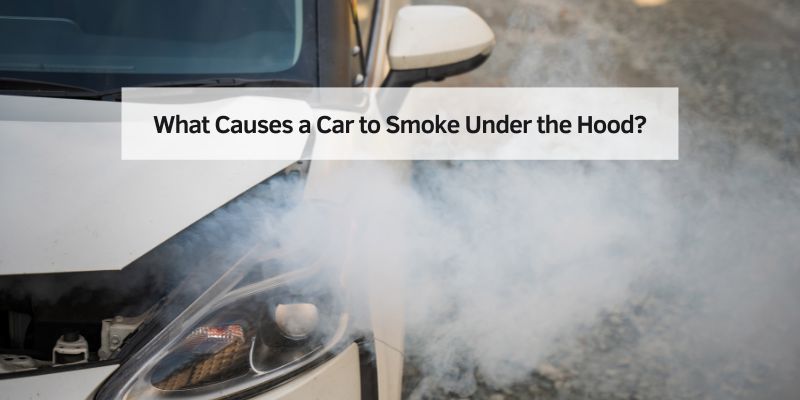
What Causes a Car to Smoke Under the Hood?
Picture this: you’re driving along, enjoying your day, when suddenly you notice smoke under the hood of your car. Your heart skips a beat. Is something wrong? Is it dangerous? I’ve been there, and let me tell you, seeing car engine smoke can be alarming. But don’t worry—I’ve explored this issue thoroughly, and I’m here to break it down for you. In this article, I’ll explain the common causes of vehicle smoke issues, what they mean, and how you can address them. Whether you’re a car newbie or a seasoned driver, I’ll keep it simple and share what I’ve learned from my own experiences.
Why Is Smoke Coming From Under My Car’s Hood?
When you see smoke under the hood, it’s your car’s way of saying something isn’t right. Smoke can be white, black, blue, or even gray, and each color gives a clue about the problem. I remember the first time I saw white smoke billowing from my old sedan. I panicked, thinking my engine was toast! But after some research and a trip to my mechanic, I learned it’s not always catastrophic. Let’s dive into the most common reasons for hood smoke causes and what they mean for your car.
Overheating Engine
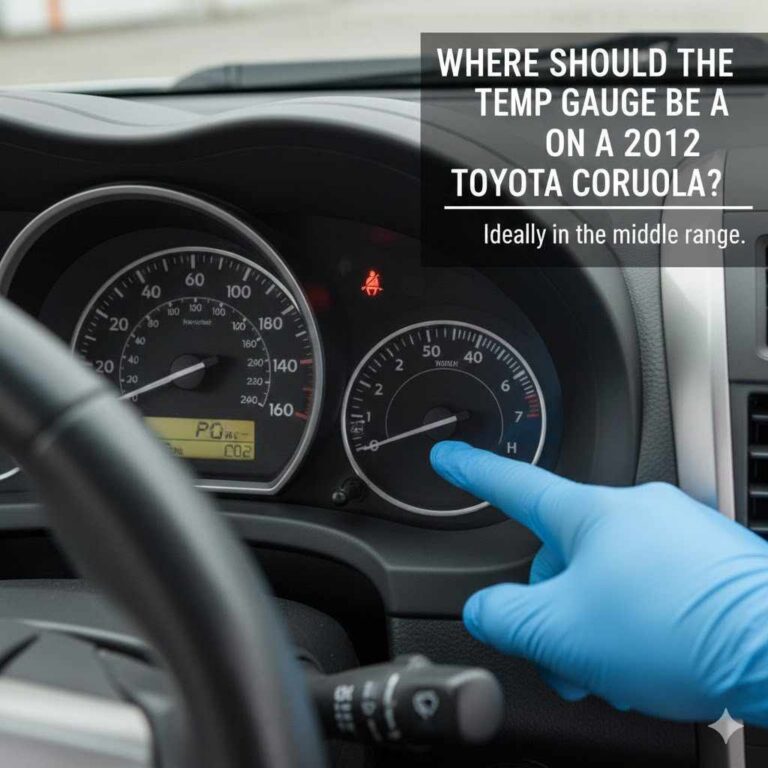
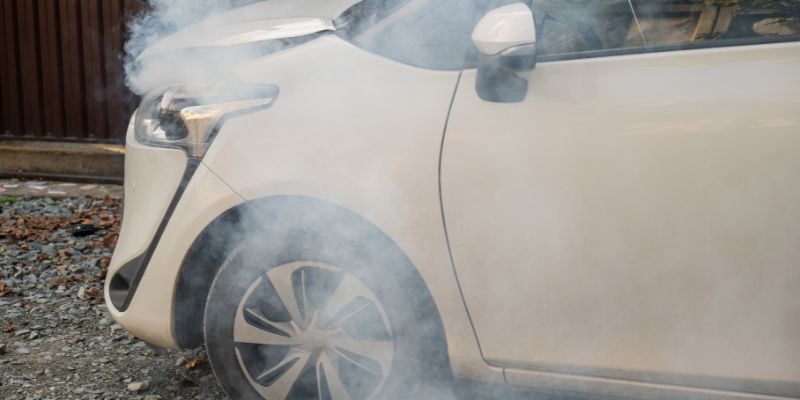
One of the top reasons for car overheating and smoke is an engine running too hot. This happened to me once during a summer road trip. The temperature gauge was in the red, and steam (which looked like smoke) was pouring out. An overheating engine often produces white steam, not actual smoke, but it’s easy to confuse the two.
Why does this happen? Your engine needs coolant to stay at a safe temperature. If the coolant is low, leaking, or not circulating properly, the engine gets too hot. This can cause steam to rise from under the hood. Common culprits include a faulty radiator, a broken water pump, or a leaky hose. If you notice your temperature gauge creeping up, pull over safely and let the engine cool down before checking the coolant level.
Here’s a quick table to understand overheating causes:
| Issue | Symptoms | What to Do |
|---|---|---|
| Low coolant | Steam, high temp gauge | Refill coolant, check for leaks |
| Faulty radiator | Poor cooling, steam | Have radiator inspected |
| Broken water pump | Overheating, steam | Replace water pump |
| Leaky hoses | Visible coolant leaks, steam | Replace damaged hoses |
If you ignore car overheating, you risk serious engine damage. I learned this the hard way when I pushed my car too far and ended up with a hefty repair bill. Check your coolant regularly, especially before long drives.
Oil Leaks
Another common cause of vehicle smoke issues is oil leaking onto hot engine parts. This usually produces blue or gray smoke with a distinct burning smell. I once noticed this in my old truck after an oil change. Turns out, the mechanic didn’t tighten the oil filter properly, and oil was dripping onto the exhaust manifold.
Oil leaks can happen for many reasons. A worn gasket, a loose oil filter, or a cracked engine block can let oil escape. When it hits a hot surface, like the engine or exhaust, it burns and creates car engine smoke. If you see blue smoke and smell something like burnt toast, check under the hood for oil residue or puddles under your car.
Fixing an oil leak depends on the source. Tightening a loose filter is an easy fix, but a damaged gasket or seal might need professional attention. Regularly check your oil level and look for leaks to catch this early.
Coolant Leaks
Coolant leaks are another big player in hood smoke causes. If coolant drips onto hot engine parts, it can create white or light-colored steam. This happened to a friend of mine who ignored a small coolant leak until it turned into a big problem. The sweet, syrupy smell of burning coolant is a dead giveaway.
Coolant leaks often come from worn hoses, a failing radiator, or a damaged head gasket. A bad head gasket is serious—it can let coolant mix with engine oil or leak into the combustion chamber, causing white smoke from the tailpipe too. If you suspect a coolant leak, check for low coolant levels or green/pink puddles under your car. Topping off the coolant might help temporarily, but you’ll need to fix the leak to prevent bigger issues.
Electrical Issues
Electrical problems can also cause smoke under the hood, and they’re scary because they raise the risk of fire. I had a close call with this when a frayed wire in my car’s wiring harness shorted out. The smoke was thin and wispy, with a sharp, burnt plastic smell.
Faulty wiring, a short circuit, or a failing alternator can create sparks or heat that lead to smoke. If you see smoke and smell something like burning rubber, turn off your car and get it checked immediately. Electrical issues aren’t something to mess around with. A mechanic can test your car’s electrical system to find and fix the problem.
Burning Belts or Hoses
Sometimes, vehicle smoke issues come from a belt or hose rubbing against a moving part. I once saw smoke in my car because a serpentine belt was slipping and burning against the pulley. The smoke was light and smelled like burnt rubber.
Worn belts, misaligned pulleys, or damaged hoses can overheat and produce smoke when they rub against hot or moving parts. Check your belts for cracks or fraying, and make sure they’re properly aligned. Replacing a worn belt is usually affordable and can prevent bigger problems down the road.
Transmission Fluid Issues
If your car has an automatic transmission, leaking transmission fluid can cause car engine smoke. This happened to my neighbor’s SUV when a transmission line leaked fluid onto the exhaust. The smoke was reddish or brown and had a sharp, oily smell.
Transmission fluid leaks often come from worn seals or damaged lines. If you notice reddish fluid under your car or smoke with a burnt oil smell, get itස
System: it checked by a mechanic. Regular maintenance can help catch these issues early.
What to Do When You See Smoke
If you notice smoke under the hood, stay calm but act quickly. Pull over safely and turn off the engine. Let it cool down before opening the hood to avoid burns. Check for visible leaks, low fluid levels, or damaged parts. If you’re not sure what’s wrong, don’t drive—call a tow truck or a mechanic. I’ve made the mistake of driving with smoke before, and trust me, it’s not worth risking further damage.
Preventing Smoke Issues
Prevention is better than dealing with vehicle smoke issues. Check your fluids regularly—oil, coolant, and transmission fluid. Look for leaks under your car. Keep up with routine maintenance like belt replacements and radiator flushes. I’ve learned that a little effort upfront saves a lot of stress and money later.
When to Seek Professional Help
Some hood smoke causes, like a loose oil filter, are easy fixes. Others, like a blown head gasket or electrical issue, need a pro. If you’re not comfortable diagnosing the problem, or if the smoke keeps coming back, take your car to a trusted mechanic. I’ve had great experiences with local shops that explain everything clearly and don Ó
System: don’t overcharge.
Conclusion
Seeing smoke under the hood can be nerve-wracking, but now you know what to look for and how to respond. Whether it’s car overheating, an oil leak, or a more serious issue like a head gasket problem, catching it early can save your car and your wallet. Stay calm, check your fluids, and don’t hesitate to call a mechanic if you’re unsure. Regular maintenance is your best friend to keep your car running smoothly and smoke-free. Drive safe, and keep exploring the open road with confidence!
FAQs
Why is my car smoking under the hood?
Smoke under the hood can come from car overheating, oil or coolant leaks, electrical issues, burning belts, or transmission fluid problems. Each cause has distinct signs like smoke color or smell.
Is it safe to drive with smoke coming from under the hood?
No, it’s not safe. Pull over, turn off the engine, and let it cool down. Driving with smoke can worsen damage or cause a fire.
How can I tell if it’s steam or smoke?
Steam is usually white and comes from car overheating or coolant leaks. Smoke can be blue, gray, or black and often smells like burning oil or plastic.
Can I fix a smoke issue myself?
Simple issues like low coolant or a loose oil filter can be DIY fixes. Complex problems like head gaskets or electrical issues need a professional.
How can I prevent smoke under the hood?
Check fluids regularly, inspect for leaks, and follow your car’s maintenance schedule. Routine care catches problems early.