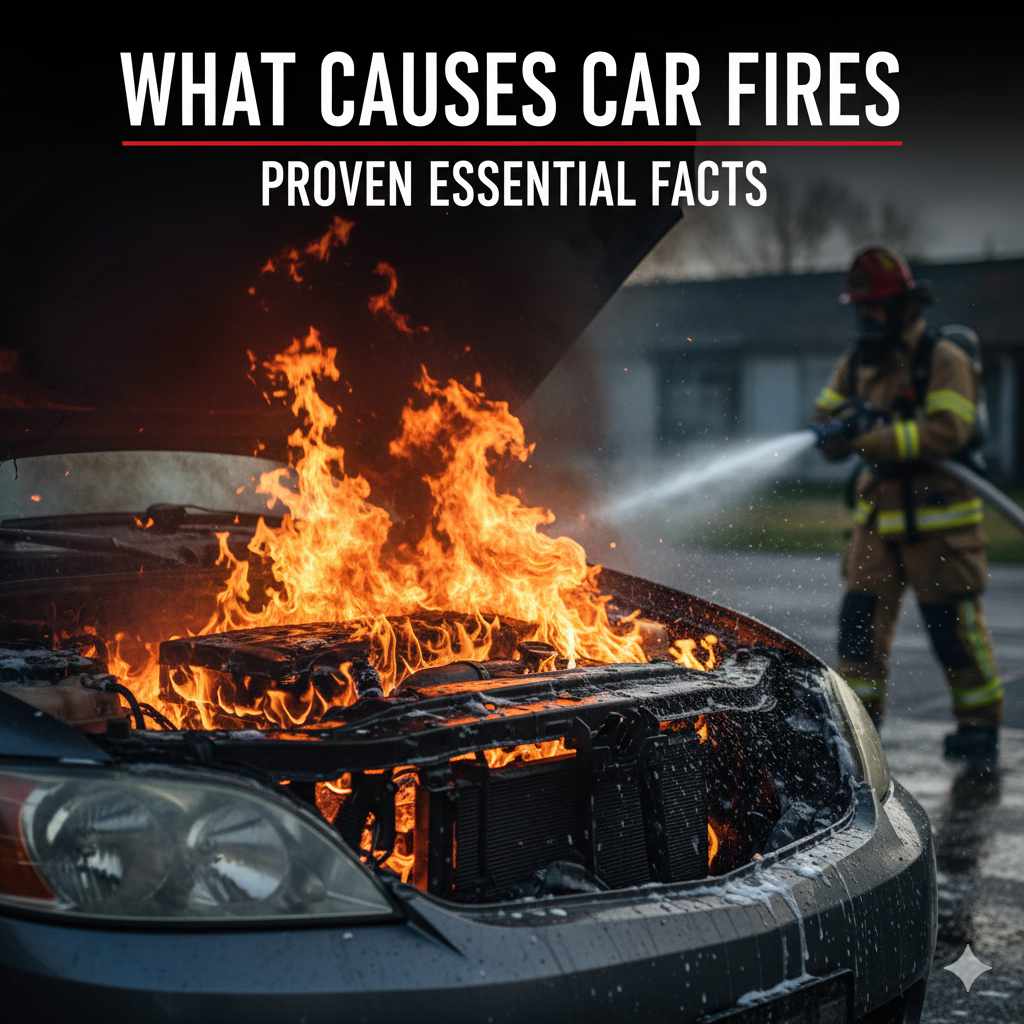
What Causes Car Fires: Proven Essential Facts
Car fires happen because of electrical shorts, fuel leaks, engine overheating, or fluid spills igniting. Regular maintenance and quick repairs are key to preventing these dangerous situations. Understanding common causes helps you drive safer.
It’s a scary thought, but car fires can and do happen. Whether it’s the lingering smell of smoke or a roadside emergency, knowing why your car might catch fire is essential for safety. Don’t worry, this guide breaks down the common culprits in simple terms. We’ll explore the facts behind car fires, helping you understand what to look out for and how to keep your vehicle – and yourself – safe on the road. Let’s dive into the details so you can drive with more confidence.
Understanding the Spark: Common Causes of Car Fires
Cars are complex machines with many parts working together. Sometimes, a small issue can lead to a big problem, like a fire. Most car fires aren’t sudden acts of nature; they usually stem from specific mechanical or electrical failures. By understanding these causes, you’re already taking the first step toward prevention. We’ll look at the most frequent reasons cars catch fire, from leaky fuel lines to electrical glitches.
1. Fuel System Leaks: The Most Common Culprit
Fuel is what powers your car, but it’s also highly flammable. A leak anywhere in the fuel system, from the gas tank to the fuel injectors, can release gasoline or diesel. If this fuel comes into contact with a hot engine part or an electrical spark, it can ignite very quickly. Think of it like dripping oil onto a very hot stove – it’s a recipe for flames.
- Fuel Lines: These are hoses or metal pipes that carry fuel. Over time, they can crack, corrode, or become loose, leading to leaks.
- Fuel Injectors: These small parts spray fuel into the engine. A faulty injector can leak fuel around the engine.
- Gas Tank: While less common, damage to the gas tank itself can cause leaks.
- Seals and Gaskets: These small rubber or metal parts prevent leaks where different fuel system components connect. If they wear out, leaks can start.
Why it’s dangerous: Gasoline vapors are easily ignited, and even a small leak can create a significant fire hazard, especially if the car is moving and fuel is being pumped under pressure.
2. Electrical System Malfunctions: Short Circuits and Overloads
Your car’s electrical system is a maze of wires, fuses, and components. When these wires get damaged, frayed, or poorly connected, they can create a short circuit. This is like a tiny lightning bolt within your car that generates intense heat. If this heat touches flammable materials like oil, grease, or insulation, it can start a fire.
- Damaged Wiring: Wires can be chewed by rodents, damaged by impacts, or simply wear out from age and vibration.
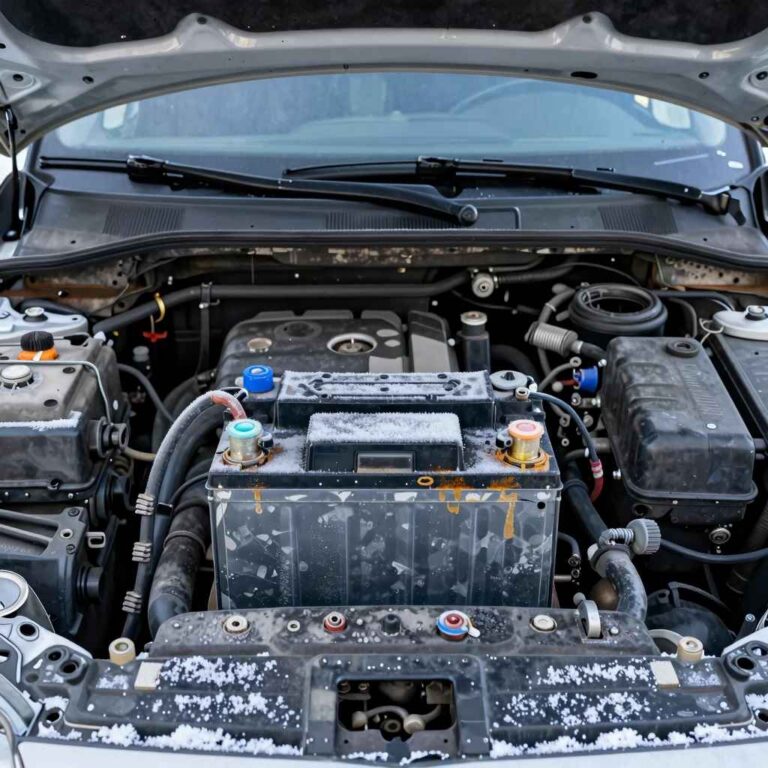
- Faulty Alternator or Battery: A malfunctioning alternator can overcharge the battery, leading to overheating and potential fire. A damaged battery can also leak corrosive materials.
- Aftermarket Accessories: Poorly installed stereos, alarm systems, or lighting can create extra strain on the electrical system and lead to shorts.
- Corrosion: Buildup of corrosion on electrical terminals can increase resistance, generating heat.
To learn more about how to keep your car’s electrical system in check, check out resources from reputable automotive safety organizations.
3. Engine Overheating: When the Coolant Fails
The engine generates a lot of heat during operation. The cooling system is designed to keep it at a safe temperature. If the cooling system fails, the engine can overheat drastically. This extreme heat can cause engine components, especially oil and other fluids, to reach their flashpoint (the temperature at which they can ignite) and catch fire.
- Low Coolant Levels: Leaks in hoses, the radiator, or the water pump can cause coolant to escape.
- Faulty Thermostat: If the thermostat gets stuck closed, it prevents coolant from circulating through the engine.
- Cooling Fan Issues: If the electric cooling fan isn’t working, the engine can overheat, especially at low speeds or when idling.
- Blocked Radiator: Debris or corrosion can block the radiator, preventing efficient heat dissipation.
An overheating engine can lead to more than just a fire; it can cause severe internal damage. Regular checks of your coolant level and system are vital.
4. Oil and Fluid Leaks: Slippery Surfaces and Hot Sparks
Besides fuel, your car uses various fluids like engine oil, transmission fluid, power steering fluid, and brake fluid. These are often petroleum-based and can ignite when exposed to high temperatures. If a leak occurs and the fluid drips onto hot exhaust manifolds or other engine parts, it can easily start a fire.
- Oil Leaks: A common issue that can occur from worn-out seals or gaskets.
- Transmission Fluid Leaks: Often caused by damaged seals or lines. This fluid is also flammable.
- Power Steering Fluid Leaks: Leaks in the power steering system can also pose a fire risk.
Keep an eye on that undercarriage for any new drips. Early detection of fluid leaks is key to preventing a more serious issue.
5. Exhaust System Overheating: Hot Components
The exhaust system carries hot gases away from the engine. Components like the catalytic converter operate at very high temperatures. If there’s an issue, such as unburned fuel entering the converter or a blockage in the exhaust, it can cause extreme overheating. This superheated exhaust can then ignite oil, leaves, grass, or other flammable materials that might come into contact with the underside of your car.
- Catalytic Converter Issues: This part can overheat if there’s a problem with the engine’s combustion.
- Exhaust Leaks: While less directly a fire cause, leaks near hot components can still be a risk.
- Blocked Exhaust Pipes: Debris or damage can impede airflow, causing heat buildup.
parking on dry grass or leaves can be particularly risky if your exhaust system is already suspect.
6. Brake System Issues: Friction and Heat
Brakes work by creating friction to slow your car down. While normal braking generates heat, severe issues like a stuck brake caliper or dragging brakes can cause excessive heat buildup. This intense heat can ignite brake fluid or contaminants on the wheel assembly, potentially leading to a fire.
- Stuck Brake Calipers: This prevents the brake pads from releasing fully, causing constant friction and heat.
- Brake Fluid Leaks: While rare, leaks near hot components could be a problem.
- Worn Brake Components: Excessive wear can sometimes lead to overheating during heavy use.
If you notice a burning smell after braking or if your car pulls to one side, have your brakes inspected immediately.
7. Accidents and Collisions: The Impact Factor
Car fires are unfortunately common after accidents, regardless of severity. The impact can rupture fuel lines, damage electrical systems, or cause fluid leaks that then ignite due to hot engine components or battery sparks. Even minor fender benders can dislodge components that lead to fuel or fluid leaks, creating a fire risk shortly after the impact.
- Fuel Line Rupture: The most direct and dangerous consequence, leading to rapid fuel leakage.
- Electrical Damage: Short circuits caused by impact can generate sparks.
- Fluid Leaks: Engine oil, transmission fluid, or coolant can spill onto hot surfaces.
- Damaged Battery: A ruptured battery casing can lead to leaks and electrical shorts.
What causes car fires in an accident? In an accident, the primary causes are compromised fuel systems leading to leaks, damaged electrical systems causing sparks, and ruptured fluid lines exposing flammable liquids to hot engine parts.
8. Arson and External Factors
While mechanical and electrical failures are the most common reasons for car fires, it’s important to acknowledge that sometimes the cause is external. This can include:
- Arson: Deliberate setting of the vehicle on fire.
- Environmental Factors: Parking a vehicle near a large external fire, or exposure to extreme heat that causes internal components to fail.
- Improper Storage of Flammables: Storing highly flammable materials inside or near the vehicle.
Preventing Car Fires: Your Role as a Car Owner
The good news is that many car fires are preventable. Regular maintenance and paying attention to your car’s signals are your best defenses. By being proactive, you can significantly reduce the risk.
Regular Maintenance is Key
Think of car maintenance like going to the doctor for check-ups. It helps catch problems before they become serious. Here’s where to focus:
- Fluid Checks: Regularly check your engine oil, coolant, and power steering fluid levels. Top them up if low and look for any signs of leaks.
- Hose and Belt Inspections: Look for cracks, leaks, or wear on hoses and drive belts. Replacing a worn hose can prevent a coolant leak that leads to overheating.
- Electrical System Checks: Ensure all wiring is secure and free from damage. If you have any flashing dashboard lights or dimming headlights, get them checked.
- Exhaust System Inspection: Have your exhaust system inspected during your regular service for any signs of rust, damage, or leaks.
- Brake System Maintenance: Don’t wait for brake issues to become severe. Regular inspections can prevent overheating and potential fires.
Pay Attention to Your Car’s Warning Signs
Your car often tells you when something is wrong. Don’t ignore these signs:
- Unusual Smells: A strong gasoline smell, burning rubber, or acrid odors can indicate leaks or overheating components.
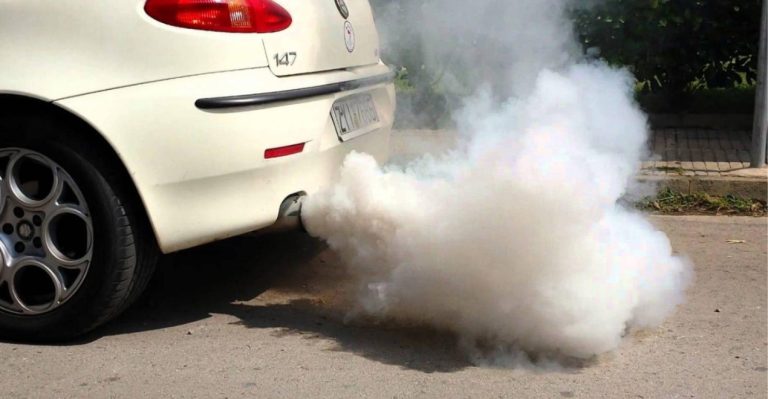
- Smoke: Any visible smoke coming from the engine, exhaust, or wheels is a serious warning.
- Dashboard Warning Lights: Lights like the check engine light, oil pressure light, or temperature warning light should never be ignored.
- Leaking Fluids: Puddles of fluid under your car are a clear sign of a leak. Even small drips can worsen over time.
- Strange Noises: Unusual sounds, especially accompanied by performance issues, might point to an underlying problem.
A good resource for understanding your car’s dashboard warning lights can be found on government automotive safety sites.
Smart Driving and Parking Habits
Even how you drive and where you park can make a difference.
- Avoid Overloading: Excessive weight can strain the engine and brakes, potentially leading to overheating.
- Proper Parking: Avoid parking on dry grass, leaves, or near flammable materials.
- Be Cautious with Modifications: If you install aftermarket accessories, ensure they are done by a professional to avoid electrical system strain.
What to Do if You Suspect or See a Car Fire
If the worst happens and you suspect a fire or see one, act fast:
- Pull Over Safely: Get your car off the road as quickly and safely as possible.
- Turn Off the Engine: This cuts off the fuel supply and ignition source.
- Evacuate Everyone: Get yourself and all passengers out of the vehicle immediately. Move away from the car, at least 100 feet.
- Call Emergency Services: Dial your local emergency number (like 911 in the US) from a safe distance.
- Do NOT Open the Hood: If smoke is coming from under the hood, opening it can provide oxygen to the fire, making it worse.
- Use a Fire Extinguisher (if safe): If the fire is small and contained (e.g., in a tire), and you have a suitable fire extinguisher and know how to use it, you may attempt to put it out from a safe distance. However, your safety and evacuation are the top priority.
Common Car Fire Causes Table
| Cause Category | Specific Issues | Brief Description | Prevention Tip |
|---|---|---|---|
| Fuel System | Fuel line leaks, injector leaks, tank damage | Flammable fuel escaping and contacting heat or sparks. | Regularly inspect fuel lines and connections for wear or damage. |
| Electrical System | Short circuits, frayed wires, faulty components | Damaged wiring creates heat and sparks. | Secure wiring, avoid overloading circuits, and check for rodent damage. |
| Engine Overheating | Low coolant, thermostat failure, fan issues | Engine reaches temperatures that can ignite fluids. | Maintain coolant levels and get cooling system problems fixed promptly. |
| Oil & Fluid Leaks | Engine oil, transmission fluid leaks | Flammable fluids spill onto hot engine parts. | Check for and repair any fluid leaks immediately. |
| Exhaust System | Overheated catalytic converter, blockages | Extremely hot exhaust components can ignite external debris. | Inspect exhaust system for damage and ensure proper ventilation. |
| Brake System | Stuck calipers, dragging brakes | Excessive friction creates dangerous heat levels. | Address brake issues like pulling or burning smells promptly. |
| Accidents | Impact breaks fuel/electrical/fluid lines | Physical damage leads to immediate fire hazards. | While unavoidable, proper vehicle maintenance can reduce secondary risks. |
Frequently Asked Questions (FAQs)
Q1: Can a car catch fire while driving?
Yes, a car can catch fire while driving. This often happens due to fuel leaks, electrical shorts, or engine overheating that are exacerbated by the vehicle’s motion and engine operation.
Q2: Is it common for electric cars to catch fire?
While electric car fires do occur and can be intense, they are statistically less common than fires in gasoline-powered vehicles. Issues can arise from battery damage or thermal runaway within the battery pack, often after significant impacts.
Q3: What should I do if I see smoke coming from my car’s engine?
If you see smoke coming from your engine, pull over to a safe location immediately, turn off the engine, and evacuate all passengers. Do not attempt to open the hood, as this can feed the fire. Call emergency services from a safe distance.
Q4: How often should I have my car’s electrical system checked for fire risks?
It’s wise to have your electrical system inspected during your regular maintenance appointments, typically every six months to a year. If you notice any electrical issues like flickering lights, dimming headlights, or frequently blown fuses, get it checked sooner.
Q5: Can a car fire be caused by a bad battery?
Yes, a damaged car battery or issues like overcharging from a faulty alternator can lead to the battery overheating, leaking corrosive material, or even exploding, which can start a fire.
Q6: What is the most common cause of car fires in older vehicles?
In older vehicles, traditional causes like aging fuel lines, deteriorating electrical wiring insulation, and worn-out seals that lead to oil or fuel leaks become more prevalent, increasing the risk of fire.
Conclusion
Understanding what causes car fires empowers you to be a more informed and safer driver. By staying on top of your vehicle’s maintenance, paying attention to warning signs, and practicing smart habits, you can significantly reduce the chances of experiencing this frightening event. Remember, a well-maintained car is a safer car. Don’t hesitate to consult your mechanic if you have any concerns about your vehicle’s safety. Driving with confidence means knowing your car is in good condition and knowing that you’re taking the right steps to keep it that way.