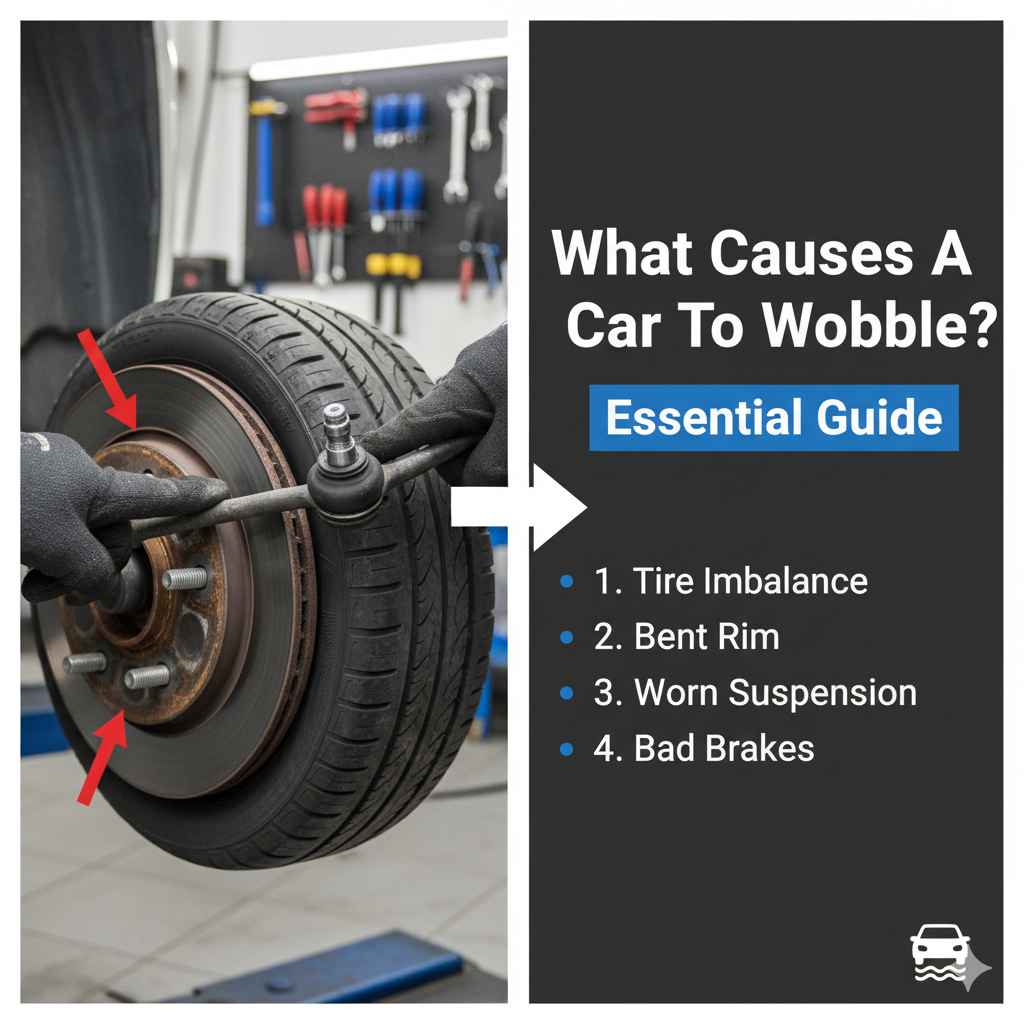
What Causes A Car To Wobble? Essential Guide
A car wobbling can be a sign of several issues, most commonly related to tires, wheels, or suspension components. Addressing wobbling promptly is crucial for safety and preventing further damage. Common culprits include unbalanced tires, misaligned wheels, worn-out tires, and problems with brakes or suspension.
Ever felt that unsettling shimmy or shake from your car while driving? It’s a common scenario that can make even the most confident driver a little nervous. This wobbly feeling, often more noticeable at certain speeds, isn’t just annoying – it can be a warning sign that something isn’t quite right with your vehicle. Don’t worry, though! Understanding what causes a car to wobble is the first step to fixing it. I’m Md Meraj, and I’m here to guide you through the common reasons behind this frustrating issue. We’ll break down the complex terms into simple, everyday language, so you can feel confident about what’s happening and what to do next. Get ready to understand your car a little better!
Quick Answer
A car wobble is usually caused by an unbalanced or damaged tire, a bent wheel, worn suspension parts (ball joints, tie rods), a warped brake rotor, or a failing wheel bearing — except when it happens only under braking, which almost always points to the brakes specifically. Start by narrowing down when the wobble happens (speed, braking, turning) before assuming a cause.
What Is a “Death Wobble” and Is It the Same Thing?
A “death wobble” is a specific, well-known term — mostly used by Jeep Wrangler and solid front-axle truck owners (Ram, Ford Super Duty) — for a violent, sudden side-to-side shaking of the front end, usually triggered by hitting a bump at highway speed. It is more severe than a normal wobble and is almost always caused by worn track bar bushings, tie rod ends, or steering stabilizer components on vehicles with a solid front axle. Regular wobble in most passenger cars is usually milder and tire- or brake-related; a true death wobble is a steering-system safety issue that should be inspected immediately.
Understanding Car Wobble: A Beginner’s Guide
A car wobble, also known as a vibration or shimmy, is a sensation felt through the steering wheel, seat, or the entire car. It often occurs at specific speeds and can range from a mild tremor to a strong, noticeable shake. While it can be alarming, identifying the cause is usually straightforward once you know what to look for. Think of it like a slight fever in your body – it’s your car telling you it needs attention. Ignoring these signs can lead to bigger problems and potentially compromise your safety on the road.
Your car’s smooth ride depends on many parts working together perfectly. When one of these parts has an issue, it can disrupt the balance and cause that shaky feeling. The good news is that many of these causes are relatively easy fixes, and understanding them can save you time and money by helping you communicate better with your mechanic or even tackle some simple DIY repairs.
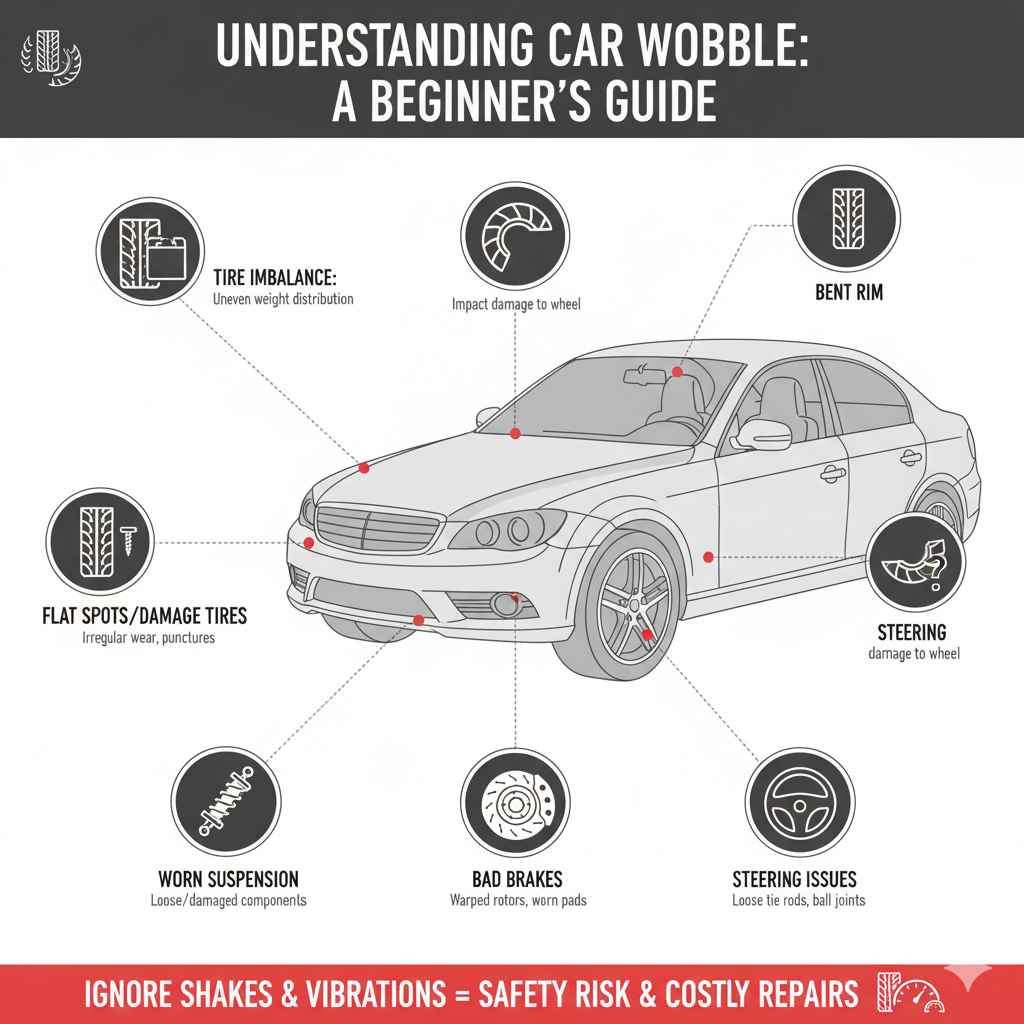
Common Causes of Car Wobble Explained
Let’s dive into the most frequent reasons why your car might start to wobble. We’ll explore each one, explaining in simple terms what it is and why it causes that shaky sensation.
1. Tire Issues: The Usual Suspects
Your tires are your car’s direct connection to the road, so it’s no surprise they’re often the source of wobbling. Several tire-related problems can cause this:
a. Unbalanced Tires
Tires need to be perfectly balanced to ensure a smooth ride. Over time, the weight distribution on your tires can become uneven due to wear or minor damage. This imbalance causes certain parts of the tire to rotate faster than others, creating a wobble. Think of a spinning washing machine with an uneven load – it vibrates like crazy!
- What happens: Inconsistent weight around the tire.
- When you feel it: Often starts around 45-55 mph and can worsen with speed.
- The fix: Tire balancing machines at a shop add small weights to the wheel rim to counteract the imbalance. This is a routine maintenance item usually done with tire rotations.
b. Uneven Tire Wear
When your tires wear down unevenly, their shape becomes irregular. This can happen if your wheels are out of alignment or if your tires aren’t rotated regularly. A worn, uneven tire will not roll smoothly, leading to vibrations.
- Causes: Misaligned wheels, improper inflation, lack of regular tire rotation.
- Symptoms: Cupping (rounded dents) or feathering (edges of tread blocks are worn down unevenly) on the tire surface.
- The solution: Address the underlying cause (alignment, inflation) and replace severely worn tires.
c. Damaged Tires
A tire can be damaged in various ways – a bulge on the sidewall, a cut, or even a separation within the tire’s structure. Any significant damage can cause the tire to lose its round shape, resulting in a wobble that might be felt at any speed.
- Look for: Bulges, cracks, cuts, or anything that looks “off” about the tire’s shape.
- Action: Safety first! Damaged tires, especially those with sidewall bulges, should be replaced immediately. They can be dangerous.
d. Improper Tire Inflation
If your tires are significantly under-inflated or over-inflated, they can change shape and cause wobbling. Under-inflated tires can flex too much, while over-inflated tires can be too rigid and bumpy.
- Check: Your car’s recommended tire pressure, usually found on a sticker in the driver’s side doorjamb or owner’s manual.
- Tip: Always check tire pressure when tires are “cold” (haven’t been driven for a few hours).
2. Wheel Alignment Problems
Wheel alignment refers to the angles of your wheels – how they’re positioned in relation to each other and the road. If these angles are off, your car can pull to one side, your steering wheel might be off-center, and you might experience wobbling, especially when turning.
Imagine trying to walk with your feet pointed in slightly different directions – it’s an awkward and inefficient way to move! The same applies to your car’s wheels. Proper alignment ensures your tires roll straight and true, reducing tire wear and improving handling.
- Symptoms: Car pulling to one side, uneven tire wear, steering wheel not centered when going straight.
- Common causes: Hitting potholes, curbs, or from normal wear and tear on suspension parts.
- The fix: A professional alignment service adjusts the angles of your wheels. Experts use specialized equipment to ensure precise adjustments. For more information on aligning your wheels, you can check out resources from organizations like the Insurance Information Institute, which offer clear explanations.
3. Brake System Issues
Your brakes are designed to grip and slow your wheels, but problems here can also cause wobbling.
a. Warped Brake Rotors
Brake rotors (the shiny metal discs your brake pads clamp down on) can become warped or uneven due to excessive heat, wear, or rapid cooling. When this happens, the brake pads don’t make smooth contact as the rotor spins, leading to a pulsing or wobbling sensation, particularly noticeable when you apply the brakes.
- Feel it: Often a pulsating feeling in the brake pedal and a wobbling, especially during braking.
- Why it happens: Heavy braking, high temperatures, or even driving through deep puddles after hot brakes.
- Solution: Warped rotors typically need to be replaced or, in some cases, machined smooth (resurfaced) if the warping is minor.
b. Sticking Brake Calipers
The brake caliper is the part that squeezes the brake pads against the rotor. If a caliper sticks or doesn’t release properly, it can cause one wheel to drag. This constant slight drag can create heat and uneven wear, leading to a wobble that might be present even when you’re not braking.
- Signs: Uneven tire wear, a burning smell from a wheel, car pulling to one side.
- What to do: A stuck caliper is a safety concern and needs immediate attention from a mechanic to be repaired or replaced.
4. Suspension and Steering Component Wear
Your car’s suspension system, which includes parts like shocks, struts, ball joints, and tie rods, keeps your ride smooth and your wheels pointed correctly. When these parts wear out, they can cause play or looseness, leading to wobbling and poor handling.
a. Worn Ball Joints
Ball joints are like the ball-and-socket joints in your body, connecting your control arms to your steering knuckles. If they wear out, they can develop significant looseness, allowing the wheel to move more than it should, causing wobble and a clunking noise.
- Consequences: Wobbling, steering instability, and can be dangerous if they fail completely.
- Inspection: A mechanic can check for looseness in ball joints.
b. Worn Tie Rod Ends
Tie rod ends connect your steering rack to your steering knuckles. If they wear out, there’s looseness in the steering system, which directly translates into wobbling of the front wheels and imprecise steering.
- Symptoms: Loose or vague steering feel, wobbling from the front end.
- Importance: Crucial for steering control, so wear needs to be addressed promptly.
c. Worn Shocks or Struts
While worn shocks and struts are more commonly associated with a bouncy ride, severe wear can contribute to instability and wobbling, especially over bumps or during cornering. They are essential for keeping your tires in contact with the road.
- Effects: Bouncy ride, poor handling, increased braking distances, and can exacerbate other suspension issues.
- Replacement: Shocks and struts are wear items and need replacement after a certain mileage.
5. Wheel Bearing Problems
Wheel bearings allow your wheels to spin freely. If a wheel bearing becomes damaged or wears out, it can cause significant resistance and play in the wheel, which often results in a humming noise that changes with speed and a distinct wobble.
A failing wheel bearing can be a serious safety hazard, as it can eventually lead to the wheel detaching from the vehicle in extreme cases.
- Sounds: Often a grinding or humming noise that gets louder as you speed up.
- Feel it: Wobbling or looseness in the steering, especially during turns.
- What to do: A failing wheel bearing needs immediate replacement by a qualified technician.
6. Driveshaft and CV Joint Issues (Rear-Wheel or All-Wheel Drive)
For cars with rear-wheel drive or all-wheel drive, the driveshaft and its associated Constant Velocity (CV) joints are responsible for transferring power from the engine to the wheels. If these components are damaged, worn, or unbalanced, they can cause vibrations and wobbling.
- Symptoms: Wobbling or vibration that may be more noticeable during acceleration or deceleration.
- Causes: Wear and tear, damage from road debris, or loss of lubrication.
- Fix: Damaged driveshafts or CV joints usually require replacement.
Best Wobble Diagnosis Kit Pick
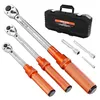
VEVOR 1/4 3/8 1/2 Inch Drive Torque Wrench, 3Pcs Click Torque Wrench Set 20-240I
Our top pick for diagnosing car wobble.
- Best for: torquing lug nuts to exact factory spec after any tire or wheel work
- Why we picked it: loose or unevenly torqued lug nuts are one of the most common and easiest-to-fix causes of a new wobble
- Main drawback: needs occasional calibration checks to stay accurate
Compare more diagnosing car wobble options
 Option 1 ZERINT P-M80 Wheel Weight Kit P Style Grey 80 pcs/kit: 1/4 oz, 1/2 oz,
|
 Option 2 SAFELIFE Digital Tire Tread Depth Gauge, 3 Modes-Fractional Inch, Deci
|
 Option 3 DNA Motoring 2 Ton Car Jack and Stands Kit 2T(4000 lbs) Capacity Low P
|
As an Amazon Associate we earn from qualifying purchases.
Troubleshooting Wobble: A Step-by-Step Approach
When you notice your car is wobbling, it’s natural to feel a bit concerned. Don’t panic! By following these steps, you can help pinpoint the problem and know what to do next.
Step 1: Note When the Wobble Occurs
Pay attention to the details. When does the wobble happen?
- At specific speeds: Is it only between 45-60 mph? Or at highway speeds?
- When braking: Does it get worse when you press the brake pedal?
- When turning: Does it happen only when you make a turn?
- On acceleration: Is it more pronounced when you speed up?
These clues are invaluable for diagnosing the issue.
Step 2: Visual Inspection (Safely!)
Once you’ve noted when the wobble occurs, perform a safe visual inspection. Park your car on a level surface and engage the parking brake.
- Tires: Look for obvious damage like bulges, cuts, or uneven tread wear. Check tire pressure.
- Wheels: Ensure no wheel covers are loose or damaged. Look for any visible damage to the wheels themselves.
- Under the car (if comfortable and safe): Look for any obviously loose or hanging components in the suspension or exhaust systems. Safety Note: Never get under a car that is not properly supported by jack stands.
Step 3: Consider Recent Events
Did the wobble start after a specific event?
- Did you hit a large pothole?
- Have you recently had new tires or other work done on your car?
- Have you driven through deep water recently?
These events can often be the direct cause of a new issue.
Step 4: Test Specific Scenarios (Carefully)
If it’s safe to do so, you can try to isolate the problem:
- Braking Test: Gently apply the brakes at a low speed. Does the wobble intensify? If so, brake components are a likely suspect.
- Turning Test: Make gentle turns at low speed. Does wobble occur? This might point to CV joints or steering components.
Step 5: Seek Professional Help
If you’re unsure about the cause or uncomfortable performing inspections, the best step is to visit a trusted mechanic. They have the tools, knowledge, and experience to diagnose and fix the problem safely and effectively. When you go, be sure to describe the wobble in detail – when it happens, what it feels like, and any other symptoms you’ve noticed.
Table: Common Wobble Symptoms and Potential Causes
This table summarizes common symptoms and their most likely causes to help you get a clearer picture:
| Symptom Description | Likely Cause(s) | Typical Speed Range |
|---|---|---|
| Wobble/Shimmy felt in steering wheel, most prominent at highway speeds (e.g., 50-70 mph). Noticeable when coasting. | Unbalanced tires, uneven tire wear. | Moderate to High Speeds (45+ mph) |
| Wobble or pulsing felt in the brake pedal when applying brakes. | Warped brake rotors, sticking brake calipers. | During braking (any speed) |
| Car pulls to one side, steering feels loose, or wobble is constant. | Wheel alignment issues, worn suspension components (ball joints, tie rods), low tire pressure, wheel bearing issues. | All speeds, may worsen with speed or turning. |
| Vibration or wobble felt more during acceleration or deceleration, often from the rear. | Driveshaft imbalance, worn CV joints. | Varies, may depend on gear selection. |
| Humming/grinding noise that increases with speed, accompanied by wobble. | Worn wheel bearings. | All speeds, most noticeable at highway speeds. |
Preventing Wobble: Simple Maintenance Tips
The best way to deal with car wobble is to prevent it from happening in the first place! Regular maintenance is key, and many of these tasks are simple and don’t require advanced mechanical skills.
- Regular Tire Rotations: Get your tires rotated every 5,000-7,500 miles (check your owner’s manual). This ensures even wear, extending tire life and preventing uneven wear patterns that can lead to wobbles.
- Balance Your Tires: When you get new tires or notice a slight shimmy, have your tires balanced. It’s a relatively inexpensive procedure that makes a big difference.
- Check Tire Pressure Regularly: Monitor your tire pressure at least once a month. Properly inflated tires ensure even contact with the road and better handling. For more on tire maintenance, the National Highway Traffic Safety Administration (NHTSA) provides excellent safety guidelines.
- Inspect Tires for Damage: Periodically give your tires a quick visual check for any cuts, bulges, or foreign objects.
- Avoid Potholes and Curbs: While sometimes unavoidable, try to steer clear of potholes and be mindful when parking to avoid hitting curbs. These impacts can misalign wheels and damage tires or suspension parts.
- Listen and Feel: Be attentive to your car. Strange noises or new sensations are often the first signs of a problem.
When to Call a Professional Mechanic
As much as we like to be hands-on, some car issues are best left to the experts. Here’s when you should definitely schedule an appointment with a qualified mechanic:
- Brake Issues: If you suspect problems with your brakes (warped rotors, sticking calipers), these are critical safety components.
- Suspension and Steering Part Wear: Replacing ball joints, tie rods, or wheel bearings requires specialized tools and knowledge.
- Uncertainty: If you’ve done a visual check and can’t figure out the cause, or if you’re not comfortable performing the inspection yourself.
- Persistent Wobbling: If the wobble doesn’t go away after basic checks like tire pressure, or if it gets worse over a few days, don’t keep driving on it — get it inspected before a wear item turns into a safety issue.
Frequently Asked Questions
Why does my car wobble only at highway speeds?
This is the classic sign of an unbalanced or slightly out-of-round tire. The imbalance is too small to notice at low speed, but the faster the wheel spins, the more the uneven weight distribution shakes the whole car. Rebalancing the wheel usually fixes it.
Is it safe to drive a car that is wobbling?
Short trips at low speed are usually not immediately dangerous, but you should get it inspected as soon as possible. A wobble caused by a wheel bearing, tie rod, or lug nut problem can worsen quickly and lead to a loss of steering control.
Can low tire pressure cause a car to wobble?
Yes. Significantly underinflated tires flex more than they should, which can create a wobble or shimmy, especially at higher speeds. Always check tire pressure first since it takes only a few minutes and rules out the simplest cause.
How much does it cost to fix a car wobble?
It depends on the cause: a wheel balance is typically $15-$75, an alignment is $75-$200, and worn suspension parts like tie rods or ball joints run $150-$400 per side installed. A bad wheel bearing repair is usually $250-$450.
What is a death wobble and how is it different from a normal wobble?
A death wobble is a violent, sudden side-to-side shaking of the front end, most common on Jeep Wranglers and solid-front-axle trucks, usually triggered by hitting a bump. It’s caused by worn steering components like the track bar or tie rods and is more severe and sudden than the gradual wobble most cars develop from tire or brake wear.
Can a wheel alignment fix a wobble?
An alignment can fix a wobble caused by misaligned wheels, but it will not fix a wobble caused by an unbalanced tire, a bent rim, or a worn suspension part. A proper diagnosis before paying for an alignment saves time and money if the real cause is something else.
Products related to this article
Sponsored / affiliate links. As an Amazon Associate I earn from qualifying purchases. I may earn additional commission from eligible campaigns.