What Causes Spider Cracks In Car Paint? How To Fix It
It’s a sinking feeling. You just washed your car, or maybe it’s been sitting in the sun. Then you spot them: tiny, web-like lines spreading across the paint.
These aren’t just cosmetic flaws; they’re a sign something isn’t quite right with your car’s protective finish. It’s easy to feel frustrated, like you’ve done something wrong or that your car is suddenly much older. But understanding why these spider cracks happen is the first step to dealing with them.
This guide will break down what causes them, how to spot them early, and what you can do about it, all in plain language.
Spider cracks in car paint are small, web-like fissures that appear on the surface. They often form due to stress on the paint layers, leading to micro-fractures. These can be caused by temperature changes, impact, or issues during the painting process. Early detection and understanding the cause are key to preventing their spread.
Understanding Spider Cracks in Car Paint
Spider cracks, sometimes called crazing, look just like they sound. They’re a network of very fine lines. These lines don’t go all the way through the paint.
Instead, they usually appear in the clear coat. This is the top, protective layer of your car’s paint job. Think of it as a shield for the color and primer underneath.
When this clear coat cracks, it can make the paint look dull. It can also let moisture and dirt get in. This can lead to bigger problems down the road.
The cracks spread slowly. They are often hard to see at first. You might only notice them when you look closely or in certain lights.
What Causes These Frustrating Cracks?
Several things can make the clear coat weak. When it gets weak, it can’t handle stress. Then, it starts to break.
Let’s look at the main reasons this happens.
Temperature Swings
Cars sit outside a lot. The weather changes all the time. On a hot sunny day, the paint can get very warm.
Then, when it cools down at night, the paint shrinks a little. If this happens over and over, the paint layers can get stressed. It’s like bending a piece of plastic back and forth many times.
Eventually, it will snap.
This stress is worse when there are big temperature changes. Think about the difference between a hot summer day and a cold winter night. Even a quick change, like driving into a cold car wash from a hot parking lot, can shock the paint.
This shock can cause tiny cracks to form.
Impact and Damage
Even small impacts can start the problem. Little pebbles or road debris can hit your car. They might not chip the paint.
But they can create tiny dents or stress points. These spots are weaker. Over time, especially with temperature changes, cracks can start from these weak spots.
Hail damage is another big one. The little dents from hail can cause widespread stress. This can lead to spider cracks appearing all over the affected panels.
Even things like leaning on the car too hard can cause minor stress. It all adds up.
Poor Paint Application
Sometimes, the problem starts before you even own the car. If the paint wasn’t put on correctly, it might be weaker from the start. For example, if the layers of paint (primer, base coat, clear coat) aren’t applied with the right thickness, or if they don’t bond well, the paint is more likely to crack later.
Using the wrong kind of paint or cleaners can also cause issues. Some chemicals can break down the clear coat over time. This makes it brittle and prone to cracking.
This is more common with older paint jobs or if repairs were not done properly.
UV Rays and Sun Exposure
The sun’s ultraviolet (UV) rays are harsh. They can break down the chemical bonds in paint. Over years of exposure, the clear coat can become brittle.
It loses its flexibility. This makes it much more likely to crack under normal stress.
Cars that are always parked outside, especially in sunny climates, are at higher risk. Even if the paint looks okay, the UV damage is happening. It’s a slow process, but it weakens the paint’s structure.
Age and Wear
Like anything, car paint doesn’t last forever. Over many years, the clear coat naturally wears down. It gets thinner.
It loses its protective qualities. This is normal wear and tear. As it ages, it becomes more susceptible to damage from temperature changes, minor impacts, and UV rays.
An older car, especially one that hasn’t been well-maintained, is more likely to show signs of aging paint. This includes spider cracks. It’s just a sign that the paint has served its time and needs attention.
Spotting the Signs Early
Look for faint lines. These cracks are often very thin at first. You might see them only when the sun hits the car just right. Or when the car is wet.
They look like a spiderweb. They are usually on the flatter parts of the car. Like the hood or the roof.
Check the color. Sometimes, the cracks can make the paint look dull. Or it might have a slightly different sheen. The clear coat is damaged.
This affects how light reflects off the paint.
Feel the surface. Gently run your hand over the area. You probably won’t feel anything. The cracks are too fine to feel.
But if you can feel a rough patch, it might be more than just cracks.
My Own Experience with Crazing Paint
I remember one time I was getting ready to sell my old sedan. It was a dark blue beauty, maybe 12 years old. I’d kept it clean, but it lived outside for most of its life.
I was doing a final detail before listing it. As I was waxing the hood, the afternoon sun hit it at an angle. And there it was.
A subtle spiderweb of fine lines, right in the center of the hood.
My heart sank a little. I’d never noticed them before. It wasn’t a big chip or a deep scratch.
It was just this… web. I felt a mix of annoyance and worry. Was this going to make it impossible to sell?
Would buyers think I’d neglected the car? I spent the next hour peering at every panel. Thankfully, it seemed contained to the hood.
It taught me a valuable lesson: even well-cared-for cars can show their age. And you need to look closely to catch these issues before they become obvious.
Real-World Context: Where and Why It Happens
Spider cracks aren’t random. They tend to show up in specific places and situations. Understanding these patterns helps you know what to look for.
Environmental Factors
Cars parked in areas with extreme weather are more prone. Think of places with very hot summers and very cold winters. Areas with lots of sunshine all year round are also culprits.
Parking under trees can sometimes help. But falling sap or bird droppings can also damage paint. So, it’s a bit of a trade-off.
Vehicle Habits
How you use and care for your car matters. If a car is frequently washed with harsh chemicals or at high-pressure car washes, it can stress the paint. Leaving a car dirty for long periods, especially with things like mud or salt, can also trap moisture.
This can worsen underlying paint issues.
Design and Materials
Some car designs have large, flat panels. These are more exposed to the sun and elements. They also experience more stress from expansion and contraction.
The type of paint used by the manufacturer can also play a role. Different paint formulas have different levels of resistance to UV and temperature changes.
Modern cars often have multi-layer paint systems. Each layer serves a purpose. If one layer is compromised, or if the bond between layers is weak, problems can arise.
The clear coat is designed to be the toughest layer. But it’s also the most exposed to damage.
Quick Scan: Normal vs. Concerning
| Normal Paint Behavior | Shiny, smooth surface. Minor swirl marks from washing might be visible under bright light, but no visible lines. |
| Concerning Spider Cracks | A web-like pattern of very fine lines in the clear coat. May cause a slight dullness or uneven sheen in affected areas. |
| Very Concerning Damage | Cracks that are deep enough to feel with your fingertip. Discoloration beneath the cracks. Peeling or bubbling paint around the cracked areas. |
What This Means For You
Seeing spider cracks can be unsettling. But it’s important to know when it’s a small issue and when it’s serious. The good news is, in most cases, spider cracks are not the end of the world.
When It’s Normal
If the cracks are very fine, confined to the clear coat, and don’t seem to be spreading rapidly, it’s often a sign of aging paint. It means the clear coat has taken a beating over the years from sun, heat, and cold. It’s a cosmetic issue at this stage.
It doesn’t usually affect the metal underneath.
When to Worry
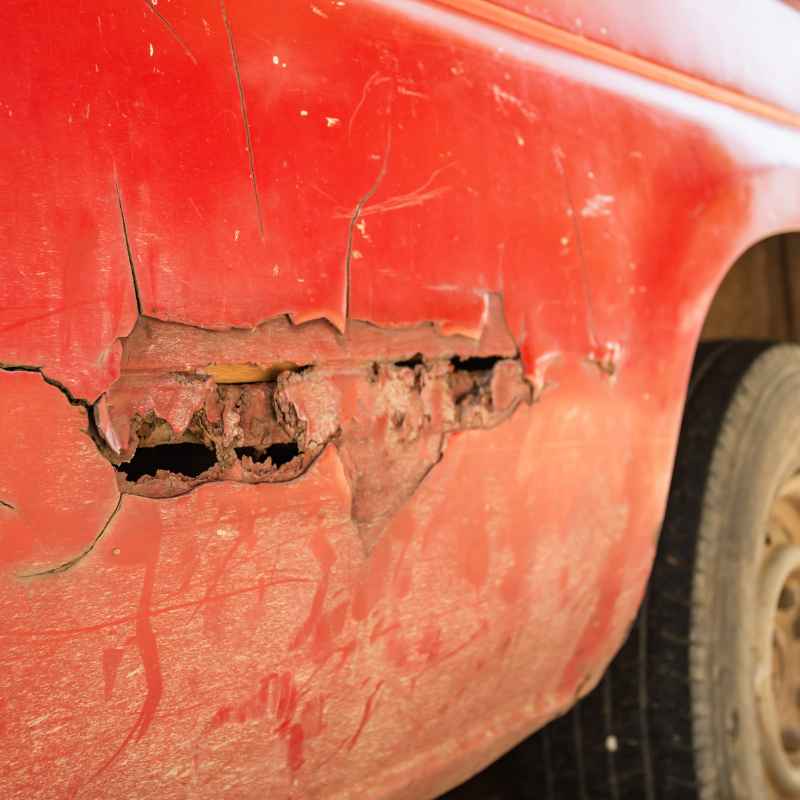
You should start to worry if the cracks are getting deeper. You can feel them when you run your hand over them. If the cracks are accompanied by peeling paint, rust spots appearing, or if the color underneath looks faded or discolored, then it’s a more serious problem.
This indicates that damage has gone beyond the clear coat and into the base coat or even the primer.
Also, if you notice new cracks appearing very quickly, it suggests a more severe underlying issue. This could be related to how the paint was applied or a more significant environmental factor at play.
Simple Checks You Can Do
Visual Inspection: Clean your car thoroughly. Then, in good natural light, look at the paint from different angles. Use a flashlight to highlight any fine lines.
Pay close attention to the hood, roof, and trunk lids, as these are most exposed.
The Fingernail Test: Gently run your fingernail across any suspected cracked area. If your nail catches on the line, it means the crack is deep enough to go through the clear coat. This requires more attention than very superficial crazing.
Observe Over Time: If you’re unsure, take a picture of the area. Check it again in a week or two. If you see the lines spreading or worsening, then it’s time to consider a more permanent solution.
Preventing Future Spider Cracks
Park Smart: Whenever possible, park your car in a garage or under shade. This protects it from direct sun and extreme temperature changes.
Regular Washing: Wash your car regularly. Use a mild soap and a good quality wash mitt. Rinse thoroughly to remove all dirt and grime.
This prevents abrasive particles from scratching the paint.
Wax On, Wax Off: Apply a good quality car wax or sealant every few months. This adds an extra layer of protection against UV rays and environmental damage.
Ceramic Coatings: For longer-lasting protection, consider a ceramic coating. These are harder and more durable than wax. They offer excellent resistance to UV rays, chemicals, and minor scratches.
Quick Fixes and Tips
For very light, superficial spider cracks that are only in the clear coat, there are a few things you can try. These won’t fix the underlying issue but can make the cracks less visible for a while.
Polishing: A good paint polish can sometimes level out very fine cracks. You use a polishing compound with a buffer or by hand. This slightly grinds down the clear coat.
It can help smooth out the surface. It removes a tiny bit of the clear coat. Be careful not to overdo it, as you can thin the clear coat too much.
Filling with Glaze: Some paint glazes contain fillers. These can temporarily fill in the fine lines. This makes them disappear visually.
However, this is a cosmetic fix. The cracks are still there underneath. The glaze will wash off over time.
Keep it Clean: Simply keeping the car clean can sometimes make the cracks less noticeable. Dirt and grime can settle into the cracks. Washing and waxing can help remove this.
For deeper cracks or if the damage has gone past the clear coat, these methods won’t work. They’re only for the most superficial cases.
Frequently Asked Questions
Can spider cracks be completely fixed?
Yes, spider cracks can be fixed. For very light cracks, polishing might help. For deeper cracks, the only real fix is to repaint the affected panel.
This involves sanding down the old clear coat and applying new layers of primer, base coat, and clear coat.
Will spider cracks spread if I don’t fix them?
They often do spread, especially if the underlying cause (like temperature stress) continues. The cracks weaken the clear coat further. This makes it more likely to break under new stress.
It’s best to address them before they get worse.
Is it expensive to fix spider cracks?
The cost depends on the fix. Polishing or using a glaze is relatively cheap. Repainting a single panel can cost a few hundred dollars.
If multiple panels need repainting, it can cost over a thousand dollars. It’s best to get quotes from professional auto body shops.
Can I drive my car with spider cracks?
Yes, you can drive your car. Spider cracks are usually in the clear coat. They don’t typically affect the structural integrity of the car or its safety.
However, they can let water and dirt reach the paint layers underneath, which can cause more damage over time.
What’s the difference between spider cracks and clear coat failure?
Spider cracks are a symptom of clear coat failure. Clear coat failure is the general breakdown of the top protective layer. Spider cracks are the visible lines that appear as a result.
Other signs of clear coat failure include peeling, chalking, or cloudiness of the paint.
Should I try to fix spider cracks myself?
For very minor, superficial cracks, you might try polishing. But for anything more serious, it’s usually best to let a professional handle it. Auto body shops have the tools and expertise to properly repair and repaint damaged paintwork.
Conclusion
Seeing spider cracks on your car can feel like a defeat. But knowing they are often caused by natural wear, temperature stress, or sun exposure makes them less mysterious. They’re a sign your car’s paint has been working hard to protect it.
By understanding the causes and looking for early signs, you can take steps to prevent them. And when they do appear, you have a better idea of what to do next. Whether it’s a simple polish or a professional repaint, addressing these cracks keeps your car looking good and protected.
Products related to this article
Sponsored / affiliate links. As an Amazon Associate I earn from qualifying purchases. I may earn additional commission from eligible campaigns.