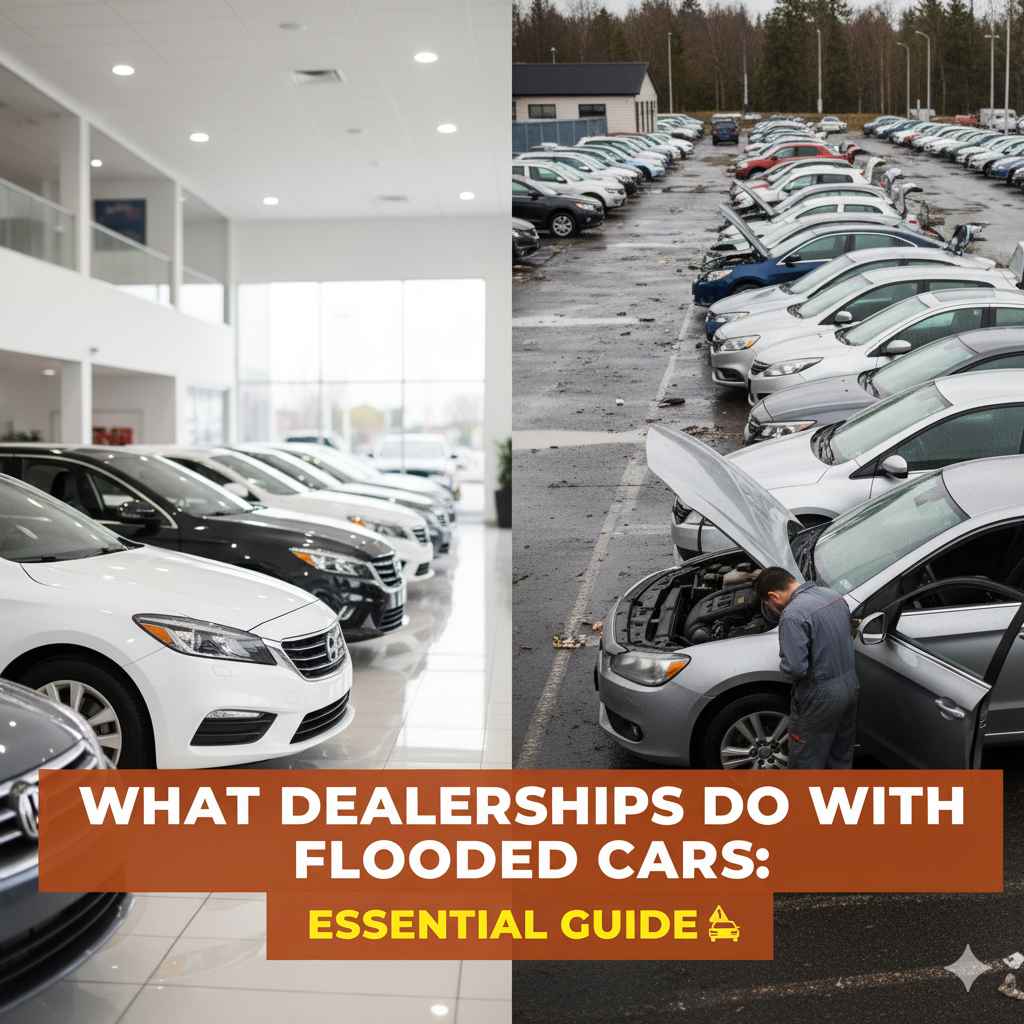
What Dealerships Do With Flooded Cars: Essential Guide
Dealerships are legally obligated to disclose if a vehicle has been flood-damaged. They often sell them at a discount after extensive, professional repairs and cleaning, or they may salvage parts or sell them wholesale to specialized buyers. Transparency is key to consumer protection.
Flooded cars, a heartbreaking aftermath of severe weather, can be a murky subject for car buyers. When waters recede, what happens to the vehicles left behind? It’s a question many of us ponder, especially when buying a used car. You might wonder, “Do dealerships just try to hide this damage?” Rest assured, there are procedures, and understanding them can save you a lot of headaches and money. We’ll break down exactly what happens with these cars and how you can spot trouble. Let’s dive in and gain some confidence in your car-buying decisions!
Understanding Flood Damage and Its Impact on Cars
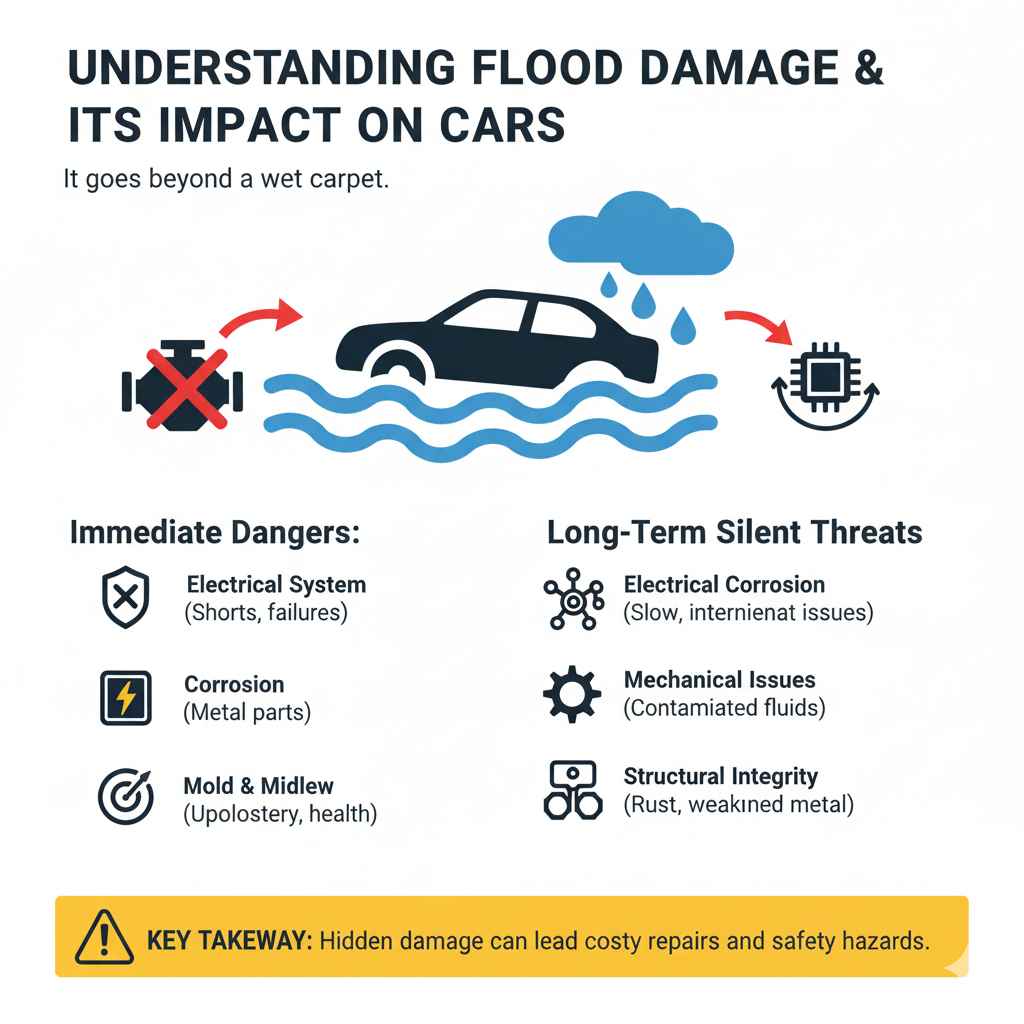
When a car is submerged in water, especially saltwater, the damage goes far beyond a simple wet carpet. Water can seep into every nook and cranny of a vehicle, causing a cascade of problems that can be difficult and expensive to fix. The electrical system is particularly vulnerable. Modern cars are packed with sophisticated electronics – from engine control modules and infotainment systems to airbags and anti-lock brakes. A single drop of water in the wrong place can short these components, leading to erratic behavior, complete failure, and even safety hazards.
Beyond the electronics, floodwaters can corrode metal parts, damage upholstery and carpets, and create a breeding ground for mold and mildew. This isn’t just about a musty smell; mold spores can be harmful to your health. The long-term effects of flood damage can be relentless, turning an initially appealing car into a ticking time bomb of expensive repairs.
The Hidden Dangers of Flood-Damaged Vehicles
It’s crucial to understand that the damage from flooding isn’t always immediately obvious. Here are some silent threats you might not see at first glance:
- Electrical System Corrosion: Even after drying, lingering moisture and mineral residue from floodwater can cause slow-acting corrosion on electrical connectors and circuits. This can lead to intermittent problems that are incredibly difficult to diagnose and repair.
- Mechanical Issues: Engine oil can become contaminated with water, reducing its lubricating properties and potentially leading to serious engine damage over time. Transmission fluids can also be affected.
- Safety Compromises: Airbag sensors and control modules are sensitive electronic components. Water damage can impair their function, meaning airbags might not deploy when needed in an accident, or they could deploy unexpectedly.
- Mold and Mildew Growth: Deep within the car’s ventilation system and under carpets, mold and mildew can thrive. This not only creates an unpleasant odor but can also contribute to respiratory problems for you and your passengers.
- Structural Integrity: While less common, prolonged exposure to certain types of floodwater can also start to compromise the metal components of the vehicle’s structure, leading to rust and weakened integrity.
What Dealerships Do With Flooded Cars: The Official Process
When a car is damaged by flooding, especially in a declared disaster area, dealerships face a significant decision. They cannot simply put these vehicles on the lot as if nothing happened. Laws and regulations, such as those enforced by the Federal Trade Commission (FTC), mandate that sellers disclose known flood damage. Here’s a general breakdown of what typically occurs:
1. Assessment and Salvage Determination
After a flood event, dealerships and insurance companies first assess the extent of the damage. Cars that are deemed a total loss by the insurance company, meaning the cost of repairs exceeds a certain percentage of the car’s value, are often declared “salvage.” This designation is critical. A salvage title indicates that the vehicle has sustained significant damage and might not be roadworthy without substantial repairs.
2. The “Repaired” Flooded Car Scenario
Some dealerships may attempt to repair vehicles that have sustained flood damage. This is a complex and costly process. It needs to include:
- Thorough Cleaning and Drying: Professional, deep cleaning is essential. This involves removing all carpets, seats, and interior panels to ensure every inch is cleaned and dried properly. Specialized drying equipment might be used.
- Electrical System Overhaul: This is perhaps the most critical and expensive part. Technicians must inspect, clean, repair, or replace all affected electrical components. This can include wiring harnesses, sensors, control modules, and the entire infotainment system.
- Mechanical Checks: Engine oil and filter changes, transmission fluid checks, and inspection of all mechanical parts for moisture contamination are vital.
- Mold Remediation: Professional mold remediation services are often necessary to ensure the interior is safe and odor-free.
- Deodorizing and Detailing: Beyond cleaning, cars may need extensive deodorizing treatments and a full detail to restore their appearance and smell.
Even after extensive repairs, especially if the car is sold, it must be properly disclosed as having sustained flood damage. A vehicle that has been repaired after being declared a total loss may receive a rebuilt title, which is different from a clean title and signals previous major issues. Dealerships that sell these vehicles must be transparent about their history.
3. Selling as is or Wholesale
In some cases, dealerships might sell flooded cars “as is” to buyers who specialize in repairing flood-damaged vehicles. These buyers often have the expertise and resources to undertake the extensive repairs required, or they might purchase the car for its salvageable parts. This is particularly common with older or less valuable vehicles where the cost of comprehensive repair might outweigh the car’s market value.
4. Parting Out for Salvage
For severely damaged vehicles, dealerships or salvage yards may choose to “part out” the car. This means they disassemble the vehicle and sell usable components like engines, transmissions, doors, or even smaller electronic parts individually. The remaining chassis is then scrapped.
Identifying a Potentially Flooded Car: What to Look For
As a consumer, it’s your responsibility to be vigilant. Even with disclosure laws, sometimes issues can slip through the cracks, or sellers might not be entirely forthcoming. Here are red flags to watch out for when inspecting a used car, especially if you suspect it might have been affected by flooding:
Interior Clues
The interior is often the most telling part of a flood-damaged car. Look for:
- Musty or Moldy Odor: This is a classic sign. Even if it smells like cheap air freshener, try to get below the surface scent.
- Wet or Stained Carpets and Upholstery: Check under the floor mats. Are the carpets damp, stained, or discolored? Lift them up if possible.
- Rust or Corrosion: Inspect the seat tracks, under the dashboard, and around the pedals for signs of rust or corrosion that wouldn’t be typical for the car’s age and environment.
- Mud or Silt Deposits: Check in crevices, under seats, and in the trunk for dried mud or silt.
- Water Lines: Look for discoloration or lines on the door panels, dashboard, or headliner that indicate the water level reached inside the cabin.
- Gritty Feel: Run your hand along the bottom of the doors or under the dashboard. Does it feel gritty or sandy?
- Check Speaker Grilles and Vents: Look for signs of rust or debris.
Exterior and Underbody Clues
Don’t forget to inspect the outside and underneath:
- Rust on Undercarriage: Excessive rust on the frame, exhaust system, or suspension components, especially if it seems out of proportion for the car’s age, can be a warning sign.
- Condensation: Look for condensation inside the headlights, taillights, or under the hood suggesting that water has entered these areas.
- Check the Engine Bay: Look for rust on bolts, brackets, or connectors. Check the air intake for signs of water entry.
- Torque Marks: In some cases, after extensive repairs following flood damage, mechanics might leave visible torque marks where they’ve had to remove and reinstall components, especially in the engine bay.
Electrical System Quirks
Electrical issues are among the most common and persistent problems with flooded cars:
- Malfunctioning Lights: Interior and exterior lights that flicker, work intermittently, or don’t work at all.
- Dashboard Warning Lights: Multiple warning lights illuminating on the dashboard, especially if they don’t correspond to any obvious mechanical issue diagnosed.
- Unresponsive Electronics: Problems with the infotainment system, power windows, locks, or the stereo.
- Difficulty Starting: The car may crank but not start, or its starting behavior may be erratic.
For a more in-depth look at how to inspect a used car, resources like NHTSA’s Used Car Buyer’s Guide offer valuable tips.
The Importance of Vehicle History Reports
When buying a used car, a vehicle history report is your best friend. Services like Carfax and AutoCheck (often accessible through dealerships or as standalone purchases) compile data from various sources, including insurance companies,DMV records, and repair shops. They can flag:
- Salvage Titles: If a car has been declared a total loss due to damage (including flood damage), this will usually be noted.
- Flood Damage Brand: Some reports will specifically show a “flood” brand on the title if it has been officially recorded.
- Accident History: While not directly flood-related, this helps paint a fuller picture of the car’s past.
However, it’s important to remember that these reports are not foolproof. Not all flood damage is reported, especially if the car was not in a declared disaster area or if insurance claims were not filed. This is why your own thorough inspection is crucial.
Title Washing and What It Means
One of the more concerning practices related to flood-damaged cars is “title washing.” This is a deceptive process where a vehicle with a salvage or flood title from one state is retitled in another state with more lenient laws. The goal is to obscure the car’s damaging history and get a clean title, making it appear as a regular used car. This is illegal and unethical. It’s a primary reason why understanding a car’s history and looking for title brands is so important. Federal laws aim to combat this, with the National Highway Traffic Safety Administration (NHTSA) working to track and prevent vehicles with severe damage from being resold without proper disclosure.
Table: Red Flags to Watch For in Used Cars
Here’s a quick reference for immediate visual checks:
| Area to Inspect | Potential Red Flag | Why It’s Concerning |
|---|---|---|
| Interior Carpet/Upholstery | Dampness, stains, unusual wear, odd stiffness. | Waterlogged materials can harbor mold and unseen damage. |
| Under Seats & Seat Tracks | Rust, mud, silt, corrosion. | Areas often missed in a superficial cleaning; indicate submersion. |
| Electrical Components (Dashboard, Door Panels) | Water lines on panels, corrosion on visible wires/connectors, foggy interior lights. | Extensive electrical damage is costly and impacts safety/reliability. |
| Engine Bay | Rust on bolts/brackets, silt in crevices, damp air filter. | Can indicate water intrusion into critical engine systems. |
| Vehicle History Report | “Salvage” or “Flood” title brands, inconsistent mileage, or previous ownership in flood-prone areas. | Direct indicators of past severe damage that may resurface. |
Your Rights as a Buyer
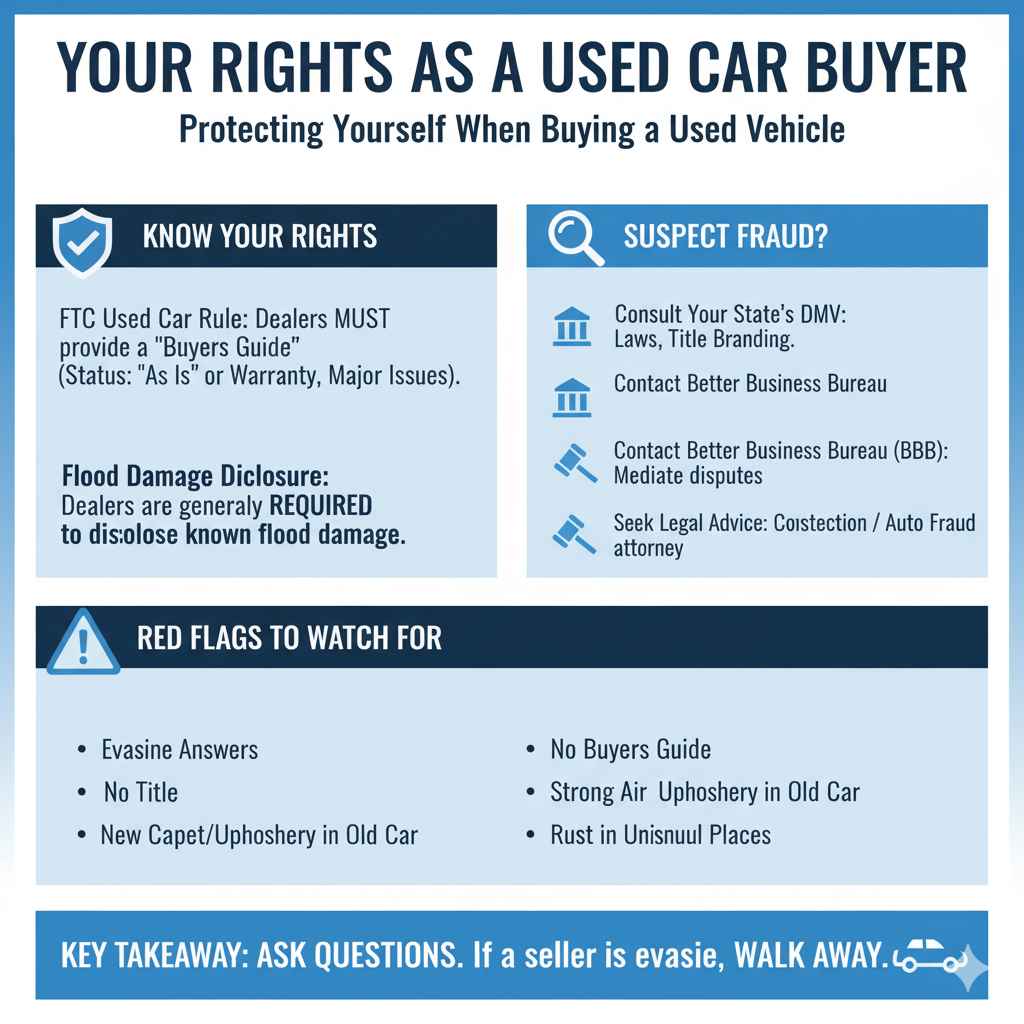
Laws vary by state, but in general, you have rights when purchasing a used vehicle. The FTC’s Used Car Rule requires dealers to provide a Buyers Guide, which indicates whether the car is sold “as is” or with a warranty and highlights major issues. Importantly, if a dealer knows a car has flood damage, they are generally required to disclose it. If you suspect a dealership has misled you about flood damage:
- Consult Your State’s DMV: They can provide information on state-specific disclosure laws and title branding.
- Contact the Better Business Bureau (BBB): They can help mediate disputes with businesses.
- Seek Legal Advice: For significant amounts of money or severe health concerns (like mold), consulting with an attorney who specializes in consumer protection or auto fraud may be necessary.
Don’t hesitate to ask pointed questions. A confident and transparent seller should be happy to provide answers about a car’s history. If they seem evasive, it’s a major warning sign to walk away.
Frequently Asked Questions (FAQ)
Q1: Can a car be truly “fixed” after being flooded?
A: While extensive repairs can make a car appear functional, flood damage often leaves behind hidden issues, especially with electronics and corrosion. It’s very difficult to guarantee a flood-damaged car is truly “fixed” to original safe and reliable standards. Thorough restoration is costly and complex.
Q2: How can I tell if a car has been flood damaged if the dealership doesn’t disclose it?
A: Look for a persistent musty odor, damp or stained carpets, rust on seat tracks or under the dash, silt in unusual places, and electrical quirks like flickering lights or dashboard warning lights. Always check a detailed vehicle history report and consider a pre-purchase inspection by an independent mechanic.
Q3: What is a “salvage title” or “rebuilt title”?
A: A salvage title is issued when a vehicle has been declared a total loss by an insurance company due to significant damage (like flooding or a major accident). A rebuilt title (sometimes called a “reconstructed title”) means a car with a salvage title has been repaired and inspected to be deemed roadworthy again. Both indicate a history of major damage.
Q4: Are flood-damaged cars sold at a discount?
A: Yes, if disclosed properly, flood-damaged cars that have been repaired or are sold “as is” are typically sold at a significant discount. However, the savings might not justify the potential future repair costs and risks involved.
Q5: Should I buy a car that was in a flood, even if it was repaired?
A: It’s generally advisable to avoid buying a flood-damaged car unless you are an expert, it’s heavily discounted, and you have extremely thorough documentation of all repairs made by reputable professionals. The risks of ongoing electrical problems, mold, and reduced safety are significant.
Q6: What if I bought a car and later discovered it was flood-damaged but not disclosed?
A: You may have legal recourse. Contact the dealership to discuss the issue. If they were aware and didn’t disclose it, you might be able to return the car or seek compensation. Consult your state’s consumer protection agency or an attorney specializing in auto fraud.
Conclusion: Drive with Confidence
Navigating the used car market can feel like a challenge, especially when faced with the potential of flood-damaged vehicles. By understanding what dealerships do with these cars—whether they repair them with full disclosure, sell them wholesale, or part them out—you are significantly better equipped to make informed decisions. Always remember to trust your senses during an inspection: a keen eye for rust, silt, or unusual odors, combined with a thorough review of vehicle history reports and a professional pre-purchase inspection, are your most powerful tools. By staying informed and asking the right questions, you can confidently steer clear of hidden problems and drive away in a vehicle that offers reliability and peace of mind. Your smart choices today lead to a safer, more enjoyable journey tomorrow.