What Do I Need to Donate a Car: Essential Checklist
Donating a car is straightforward. You need a few essential documents.
First, ensure you have the car’s title and registration. These prove ownership and make the donation process smooth. Donating a car can be a meaningful act. It helps charities and may offer you tax benefits. But, before you hand over your keys, there are important steps to follow.
Knowing what documents and information are required can save you time and stress. It ensures your donation is accepted and processed correctly. From paperwork to understanding tax implications, each part plays a role in making your donation successful. This guide will walk you through everything you need, ensuring your car donation is both simple and rewarding. Whether it’s an old sedan or a trusty truck, every vehicle can make a difference when donated properly.
Introduction To Car Donation
Car donation is a generous act that helps many people. Donating a car can be easy and beneficial. It supports charities and helps those in need. You might even get a tax deduction. Your old car can make a big difference in someone’s life. Donating is better than letting the car sit unused. It helps the environment by reducing waste. Many charities accept cars in any condition. This means even a broken car can help. The process is usually simple and quick.
- Support charities with your donation.
- Get a tax deduction for your contribution.
- Help others in your community.
- Reduce waste and help the environment.
- Free up space by removing your old car.
Some think donated cars must be in perfect shape. This is not true. Many charities accept cars in any condition. Another myth is that donations are complicated. In fact, donating is often easy. Some worry about hidden fees. Most charities offer free pickup services. People believe only expensive cars matter. Every car donation is valuable. Any car can make a difference.
Choosing A Charity
Explore different charities. Find one that uses car donations. Look for local charities. They might be easier to work with. Check the charity’s mission. Make sure it matches your values.
Ask how they use the cars. Some sell them. Others give them to those in need. Read reviews about the charity. See what others say. This helps you make a good choice.
Make sure the charity is a real non-profit. Check their status online. The IRS website can help. Look for the 501(c)(3) status. This shows they are a true charity.
Ask the charity for their tax ID number. It’s a sign they are genuine. This number is important for tax deductions. Always verify before you donate.
Preparing Your Vehicle
Start with the car’s title. It’s very important. Without it, donation is hard. Find your registration papers. They show you own the car. Collect maintenance records. They tell if the car works well. Some charities need this information. It’s useful for them. Keep all papers in one place. This avoids losing them. Check if you need other papers. Sometimes, different states need different documents.
Look at the car’s outside. Check for scratches or dents. Open the hood. Is the engine clean? Does it make strange noises? Turn on the lights. Do they work? Test the brakes. Are they safe? Drive a little. Does the car run smoothly? Some charities accept any condition. Others want cars that work well.

Credit: www.veterancardonations.org
Necessary Documentation
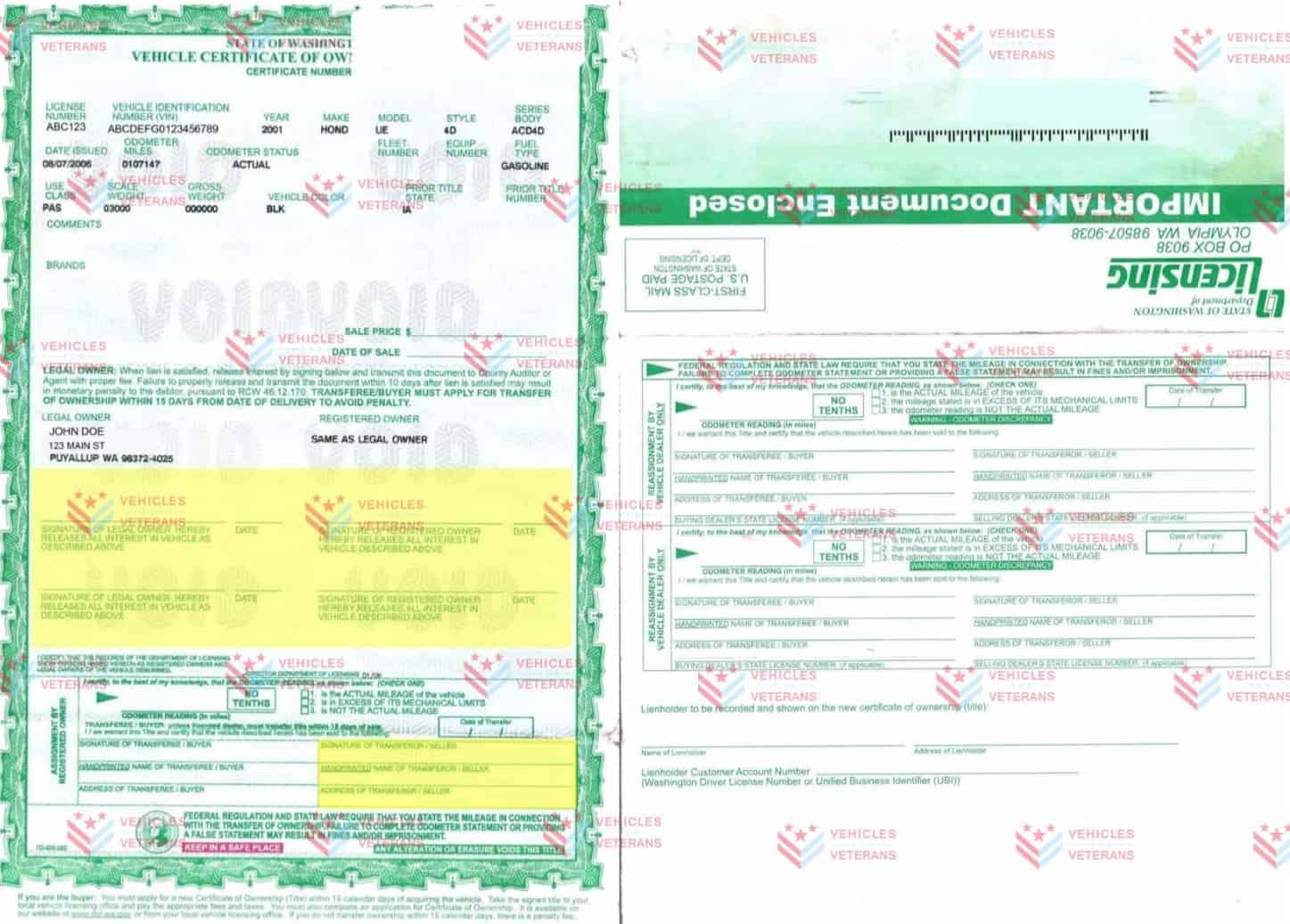
Donating a car involves collecting essential paperwork. Gather the vehicle title, which proves ownership. Complete a release of liability form to transfer responsibility. Obtain a receipt from the charity for tax deduction purposes. Ensure all documents are accurately filled out to facilitate a smooth donation process.
Title Transfer Requirements
Title transfer is a key step in donating a car. The car’s title must be clear and valid. Ensure it is signed by the current owner. Without a signed title, the process will stall. Contact your DMV for specific rules. Each state has different laws. Always verify these requirements.
Bill Of Sale And Release Of Liability
A Bill of Sale records the transaction. It shows the car’s details and sale terms. This document protects both parties. Include the car’s make, model, and VIN. A Release of Liability frees you from future claims. Once signed, you are not responsible for the car. It is an important safety measure. Keep copies for your records.
Tax Benefits And Deductions
Donating a car can give you tax benefits. You can claim a tax deduction for the car’s value. It’s important to know how much your car is worth. The car’s market value affects your deduction. Check with a tax advisor for details.
You need the correct forms to claim a deduction. Use IRS Form 8283 for cars over $500. If the car’s value is more, fill out Section B. Attach the form to your tax return. Keep a copy for your records. It helps if questions come up.
Scheduling The Donation
First, find a charity that accepts car donations. Make sure the charity is reputable and registered. Call them or visit their website. Ask about their donation process. They will guide you on what to do next. It’s important to have your car’s title ready. This proves you own the car. Some charities might need extra documents. Always ask what they require.
Decide if the charity will pick up your car or if you will drop it off. Many charities offer free pickup. This can be very helpful. If you choose to drop it off, ask for their address. Make sure the car is clean and in a safe condition. Remove all personal items from the car. This helps the charity sell or use the car easily.
After Donation Steps
After you donate your car, wait for an acknowledgment from the charity. This is a receipt for your donation. It shows the car’s value and confirms the gift. Keep this receipt safe for your records. It may be needed for tax purposes. Sometimes, the charity sends a letter. This letter also serves as a receipt.
It’s a good idea to follow up with the charity. Ask if they received the car. Check if everything is fine. This ensures your donation went through. Sometimes, charities need extra information. Be ready to provide any needed details. Following up shows you care about the donation.
Credit: www.vehiclesforveterans.org
Common Challenges
Donating a car can be tricky. Gather documents like the title and registration. Check local laws for donation requirements. Ensure the charity is reputable to avoid scams.
Handling Title Issues
Many people face title problems when donating cars. A missing title can be a big issue. It’s like losing the car’s birth certificate. Without it, transferring ownership becomes hard. Check your car title before donating. Make sure all details are correct. If the title is lost, contact your local DMV. They can help you get a duplicate title. This step is important for a smooth donation process.
Navigating Tax Implications
Donating a car can affect your taxes. Some donations offer tax deductions. But, not all car donations give the same benefits. Understand the tax rules before you donate. Keep all donation papers safe. These include the receipt and title transfer. They are important for tax time. Consult a tax expert if confused. They can guide you on the best steps.

Credit: specialolympicsminnesota.org
Frequently Asked Questions
What Do I Need To Know Before Donating A Car?
Research the charity’s legitimacy and ensure it’s tax-exempt. Understand the tax deductions and necessary paperwork. Check if the car’s condition affects acceptance. Transfer the title properly to avoid liabilities. Verify any additional costs like towing.
How Much Do You Get Off Your Taxes If You Donate A Car?
Donating a car can offer a tax deduction equal to its fair market value. The deduction depends on factors such as the car’s value and how the charity uses it. Consult a tax professional for precise calculations.
Is It Better To Scrap A Car Or Donate It?
Scrapping earns cash for parts; donating supports charities and offers tax deductions. Choose based on personal and financial goals.
Can I Donate A Car That Is Not In My Name?
You cannot donate a car not in your name. The car title must be in your name to transfer ownership legally. Check with the DMV for specific state requirements.
Conclusion
Donating a car is easier than you think. Gather necessary documents. Choose a reputable charity. Schedule a pick-up. Ensure a smooth transfer of ownership. You help others and get a tax deduction. Your old car can make a big difference.
Follow these steps and make your donation today.