AM FM Radio in Cars: Why EVs Are Removing It (2026 Update)
Most cars still have AM/FM radio, and most drivers still use it — but a growing number of new electric vehicles have quietly dropped AM entirely. The reason isn’t politics or streaming trends. It’s electrical interference from EV motors, and it has become enough of a safety concern that Congress is now close to passing a law forcing automakers to bring AM radio back.
This guide covers why some cars lost AM radio, where the law stands in 2026, how AM and FM actually differ, how many people still tune in, and what to do if your own car’s radio is gone, outdated, or just needs an upgrade.
Why Some New Cars No Longer Have AM Radio
IF YOUR CAR LOST AM RADIO
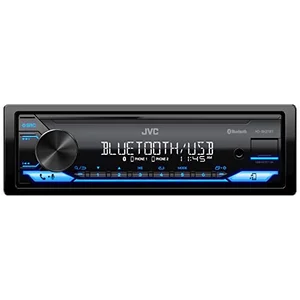 |
JVC KD-SX27BT Car Stereo – $99.00 This single-DIN head unit puts a real AM/FM tuner and Bluetooth streaming back into any car in about an hour, no factory reprogramming needed.
|
The problem isn’t a decision to phase out AM radio for its own sake. It’s that an electric motor and its high-voltage components generate electromagnetic noise on roughly the same frequencies AM radio uses, which shows up as static, buzzing, or a signal that drops out entirely. Shielding a car well enough to stop that interference is possible, but it adds real cost across an entire model line, and several automakers decided it wasn’t worth it.
BMW, Ford, Mazda, Polestar, Rivian, Tesla, Volkswagen, and Volvo have all removed AM radio from at least some of their electric models. Most kept FM, Bluetooth, and streaming intact — AM is specifically the band that suffers from EV motor noise, so it’s the one that got cut.
That interference issue is also why safety advocates got involved. AM signals travel much farther than FM, especially at night, which is exactly why AM has been the backbone of the Emergency Alert System and disaster broadcasting for decades. Losing AM in a growing share of the vehicle fleet isn’t just an inconvenience for talk-radio or AM sports fans — it’s a real gap in how emergency information reaches people in their cars.
Is There a Law Requiring AM Radio in New Cars?
Not yet, but it’s close. The AM Radio for Every Vehicle Act would require automakers to include AM radio as standard equipment in all new vehicles, free to consumers, without an added fee or subscription. As of late 2026 the bill hasn’t been signed into law, but it has unusually strong bipartisan backing: 299 cosponsors in the House and 61 in the Senate, which is a filibuster-proof majority in that chamber. The House Energy and Commerce Committee advanced the bill by a 50-1 vote, and lawmakers have discussed folding it into a larger transportation package rather than passing it as a standalone bill.
If it does pass, the requirement would apply to new vehicles going forward — it wouldn’t restore AM radio to EVs already on the road that had it removed. If you own one of those, an aftermarket stereo swap or a plug-in AM/FM receiver is currently the only way to get the band back.
AM vs FM Car Radio: What Is the Difference
AM (Amplitude Modulation) and FM (Frequency Modulation) are the two radio signal types built into nearly every factory car radio. They differ in how the signal is carried, and that difference shows up directly in what each band is good for.
AM stations broadcast over a much longer range, especially after dark, because AM signals bounce off the atmosphere and travel farther than FM. The tradeoff is audio quality: AM sounds noticeably flatter and picks up more static, especially near power lines, bridges, or (as covered above) an EV’s own motor. That long range is exactly why AM has stayed the standard for talk radio, sports broadcasts, and emergency alerts in rural areas.
FM stations have a shorter broadcast range but far better sound clarity, with less static and a wider frequency response that suits music. That’s why FM has always been the default for music stations, while AM has remained the default for news, talk, and sports.
How Many People Still Use AM/FM Radio in Their Car
More than any streaming app, AM/FM is still the most-used audio source in American cars. According to Edison Research’s 2026 Infinite Dial study, 73% of drivers used AM/FM radio in their vehicle in the past month, and a separate Q1 2026 Share of Ear report found AM/FM accounts for 55% of all in-car listening time, with streaming audio a distant second at 16%. AM/FM also still captures more than 80% of ad-supported in-car listening, since much of the streaming time in cars comes from ad-free paid subscriptions.
Usage does skew by age: among drivers 18 to 34, streaming audio has caught up to roughly match AM/FM. But across all age groups combined, AM/FM radio is still the single most-used way people listen to audio in their car, which is a big part of why the removal of AM from some EVs became a national story instead of a footnote.
Choosing an Aftermarket AM/FM Car Stereo
Whether you’re replacing a radio that never had AM, upgrading an older factory unit, or just want Bluetooth without paying for a full infotainment system upgrade, a handful of things actually matter when picking a new stereo:
- Size: Confirm whether your dash takes a single-DIN or double-DIN unit before you buy — they are not interchangeable without a dash kit.
- Band coverage: Not every budget stereo actually includes AM. Check the spec sheet, not just the box art, if AM matters to you.
- Connectivity: Bluetooth for hands-free calls and streaming, plus USB and AUX inputs, cover most people’s needs without a subscription.
- Steering wheel controls: If your factory radio uses steering wheel buttons, you’ll likely need a separate interface adapter to keep that working with an aftermarket unit.
- Installation: Confirm the unit fits your dash and wiring before buying, or budget for a dash kit and wiring harness adapter alongside it.
JVC, Pioneer, Kenwood, Sony, and Boss Audio all make budget-friendly single-DIN units with AM/FM and Bluetooth built in, generally between $30 and $100 depending on features like a color display or a more powerful built-in amplifier.
Installation Tips for Car Radios
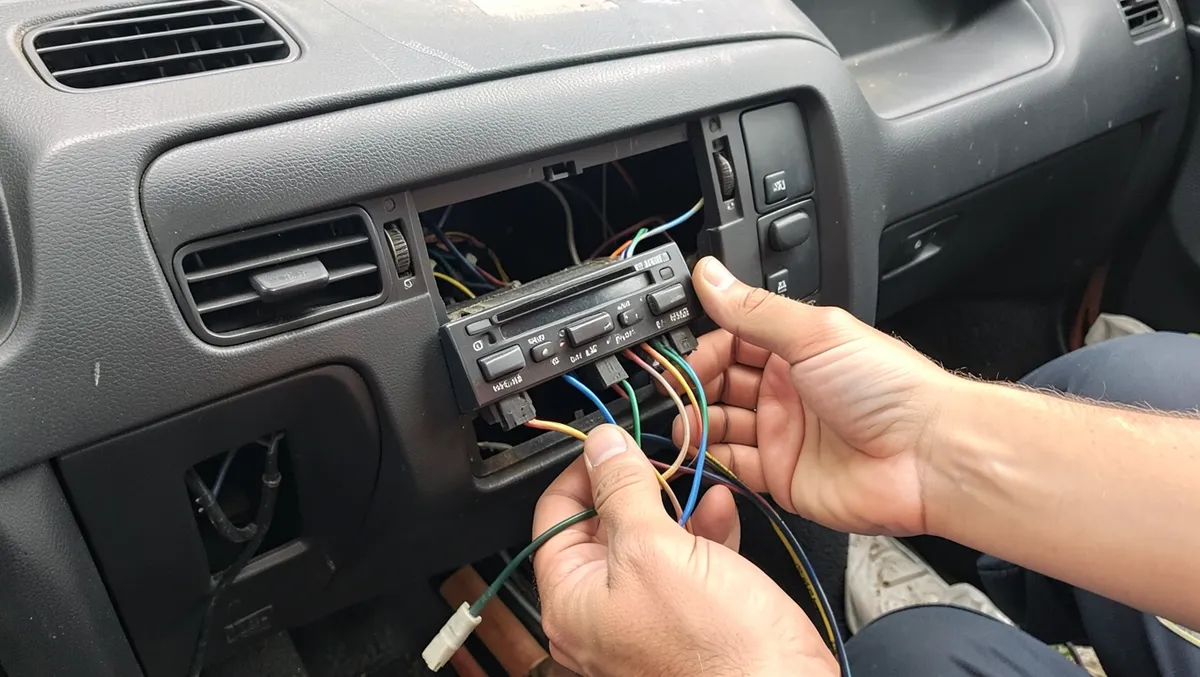
Installing a new radio yourself is realistic for most people with basic tools, though the first install always takes longer than expected:
- Disconnect the negative battery terminal first, to avoid shorting a live wire while you work.
- Remove the old radio using trim-panel removal tools so you don’t crack the dash plastic.
- Match the wiring harness adapter to your car’s connector so no factory wires need to be cut.
- Connect the antenna, power, ground, and speaker wires, then test the radio before closing the dash back up.
- Slide the new unit into the dash kit, secure it, and reconnect the battery.
If you’d rather not deal with the wiring yourself, most car audio shops can install a new stereo in under an hour, and many will also handle the steering-wheel-control adapter and dash kit as part of the job.
Frequently Asked Questions
What Is the Difference Between AM and FM Car Radio?
AM (Amplitude Modulation) travels farther, especially at night, but has flatter, more static-prone sound. FM (Frequency Modulation) has a shorter range but much clearer audio, which is why FM is the default for music and AM is the default for talk radio, sports, and emergency broadcasts.
Why Are Automakers Removing AM Radio From Cars?
Electric motors and other high-voltage EV components generate electromagnetic interference on frequencies close to AM radio, causing static and dropped signal. Properly shielding a vehicle against that interference adds cost, so several automakers removed AM entirely instead of engineering around it. FM, Bluetooth, and streaming are typically unaffected and remain in these vehicles.
Which Automakers Have Removed AM Radio?
BMW, Ford, Mazda, Polestar, Rivian, Tesla, Volkswagen, and Volvo have all removed AM radio from at least some of their electric vehicle models. Availability varies by model and model year, so it’s worth checking the specific trim before you buy if AM radio matters to you.
Is There a Law Requiring AM Radio in New Cars?
Not yet, but the AM Radio for Every Vehicle Act is close. As of late 2026 it has 299 House cosponsors and 61 Senate cosponsors, a filibuster-proof majority, and has cleared committee by a 50-1 vote. It would require free, standard AM radio in new vehicles going forward, though it would not restore AM to EVs that already had it removed.
How Many People Still Use AM/FM Radio in Their Car?
According to Edison Research’s 2026 Infinite Dial study, 73% of drivers used AM/FM radio in their vehicle within the past month, and AM/FM accounts for 55% of all in-car listening time overall, more than double the share of streaming audio.
Which Car Stereo Brand Is Best for AM/FM and Bluetooth?
JVC, Pioneer, Kenwood, Sony, and Boss Audio all make reliable single-DIN car stereos with AM/FM and Bluetooth built in. The right pick depends on your budget and dash size more than the brand itself — confirm AM band support and single- vs. double-DIN sizing before buying.
The Bottom Line
AM/FM radio isn’t going anywhere for most drivers — it’s still the single most-used audio source in American cars. But if your EV or newer car dropped AM specifically, that’s an interference problem, not a design choice, and Congress is closer than ever to requiring it back in every new vehicle. Until then, a simple aftermarket stereo swap is the fastest way to get AM radio back in a car that no longer has it.
Products related to this article
Sponsored / affiliate links. As an Amazon Associate I earn from qualifying purchases. I may earn additional commission from eligible campaigns.
 JURENGUDF New Aftermarket Car Stereo Radio Wiring Harness Adapter Replacement Compatible with 2007-2014 Cadillac Chevy
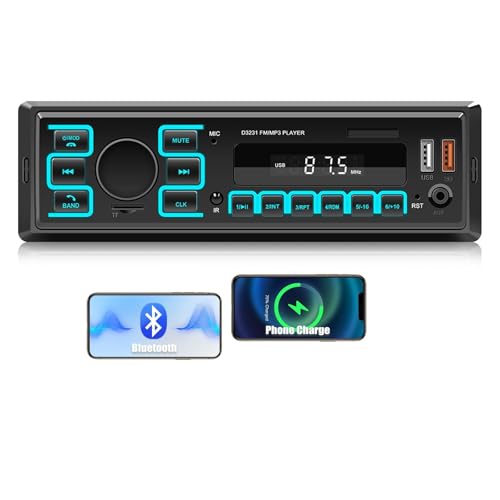 CAMECHO Single DIN Car Stereo with Dual Bluetooth 5.1, 1 Din Car Radio with USB/TF/AUX Inputs, FM Radio, MP3 Player, APP Connect, Voice Control, Multi Color Illumination, Car Audio Receivers