Decals for Electric Cars: Best EV Stickers & Removal Tips
For EVs, choose vinyl decals for body paint and glass, static-cling or removable vinyl for short-term use, and avoid permanent adhesives on wrapped panels; heat plus an adhesive remover is the safest first removal step for most stickers. Bad decal choices can lift clear coat, cloud tint, or leave adhesive stains that cost more to fix than the sticker did. This guide compares decal materials and placements by visibility, durability, and removal method for paint, glass, tint, and wraps.
EV decal basics

Most EV stickers are vinyl car decals made for outdoor use, with UV resistance and a waterproof finish. They may be die-cut or printed, and they come in size variants from compact icons to longer text strips. Common finishes include white, clear, etched-glass look, and full-color printed.
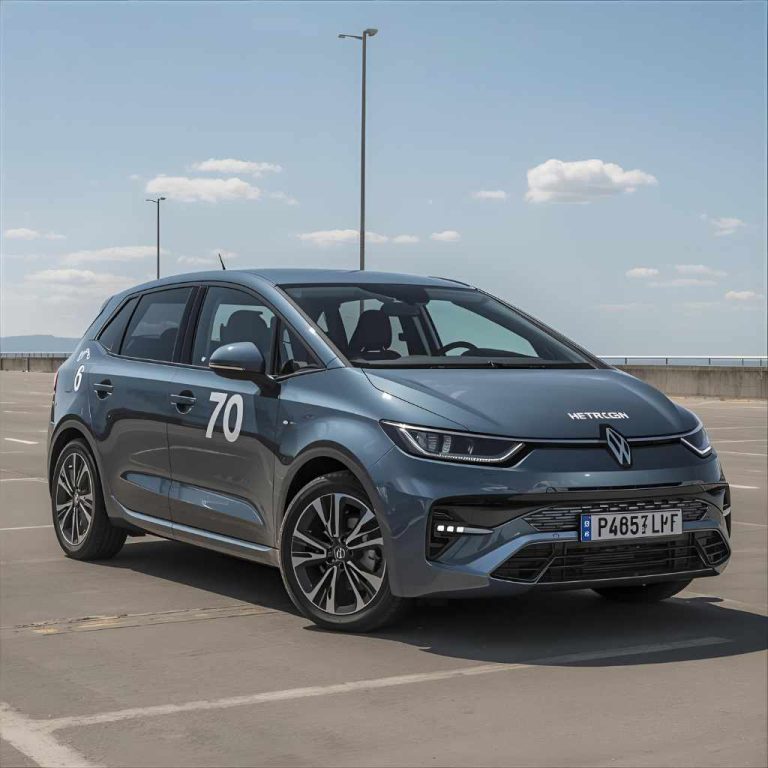
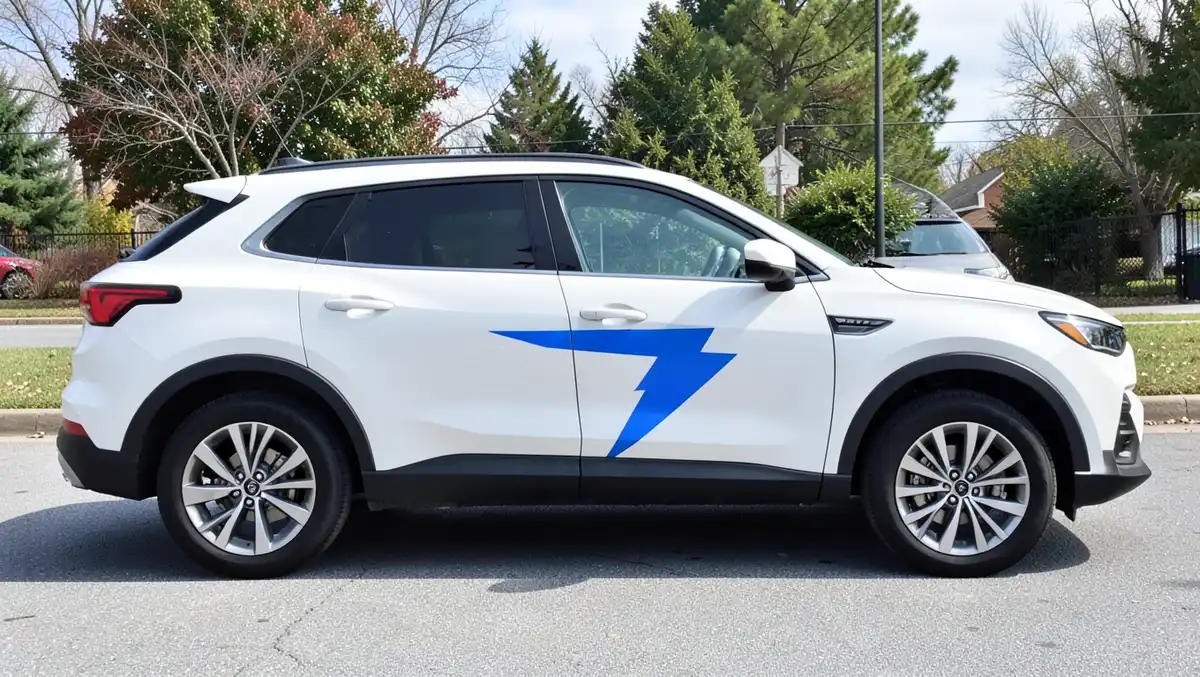
An electric vehicle sticker can carry an EV-identifying icon or text, an eco-friendly message, or a model-specific mark. Placement is usually on a window, bumper, or body panel. Many listings sell single- or multi-pack options, which matters if you want a pair for both sides or a spare for future replacement.
A Tesla decal is simply a vehicle-specific decal made for Tesla branding or an EV message. The useful detail is fit: vehicle-specific layouts can match the smooth surfaces and trim breaks around that model more cleanly than a generic sticker. Drew’s Decals includes a Tesla-specific category among vehicle decals and groups products by decal category and vehicle type.
Common finishes and formats
Die-cut vinyl works well when you want clean letter edges or a simple icon with little background film. Printed decals suit larger graphics and color detail. Clear and etched-glass looks suit drivers who want less visual clutter on glass, while white remains the easiest finish to read from a distance in many lighting conditions.
Decals.com sells products across materials, shapes, and uses, and supports custom quotes and sample requests. That matters when you need a size or finish that matches a door, rear glass, or a custom EV badge area instead of a generic one-size sticker.
Where EV decals usually go
Smooth glass is the easiest place to apply one because the surface is flat, even, and easy to clean before installation. Painted body panels can work too, but removal risk rises if the paint is aged, repainted, or already compromised. Bumpers are often acceptable for removable vinyl, while windshields need extra caution because of visibility rules and wiper paths.
Which decal type fits your car?
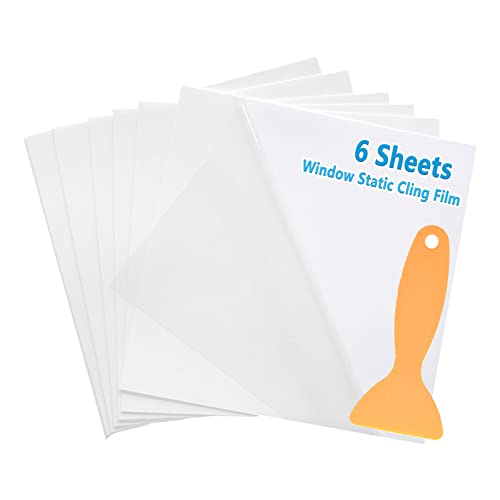
The best decal depends on where it goes, how long it stays there, and how much removal risk you can accept later. Glass decals are usually easiest to remove, body-panel decals are a middle ground, and wrapped panels need the most caution. If you expect to remove it within months, choose a removable vinyl or static-cling option.
Best choices for glass
For rear side glass or rear windows, a clear, white, or etched-glass look decal is usually the cleanest fit. Glass tolerates edge lifting and heat better than paint, and residue is typically simpler to clean. Avoid placing anything where it interferes with the driver’s view, tint film, or rear defrost lines.
Best choices for paint and bumpers
For painted body panels, look for removable vinyl rather than a permanent adhesive. A printed decal can work if the surface is smooth and the panel is not wrapped. Bumpers can accept many EV stickers, but textured plastic and curved corners make removal harder because adhesive can cling in low spots.
When Tesla decals make sense
Tesla decals make sense when you want a model-specific fit or a Tesla-themed EV message on a smooth surface. They work best on clean glass, painted panels, or trim-adjacent areas that do not block cameras, sensors, or required markings. For any vehicle-specific decal, check the manufacturer’s listing for your model before you buy.
EV decal decision table
| Decal type | Best placement | Removal difficulty | Safest removal method |
|---|---|---|---|
| Removable vinyl, die-cut, white | Rear glass or smooth painted panel | Low to moderate | Low heat, lift an edge, peel slowly, then use adhesive remover for residue |
| Printed vinyl with waterproof finish | Glass, bumper, or flat body panel | Moderate | Heat first, then a plastic scraper or credit card for edge lifting |
| Clear or etched-glass look sticker | Window or rear glass | Low | Gentle heat and slow peel; finish with adhesive remover if film remains |
| Vehicle-specific Tesla decal | Smooth-surface application on glass or paint | Moderate | Heat plus careful lifting; check the listing for surface guidance before removal |
| Short-term electric vehicle sticker | Window or other smooth surface | Low | Remove by hand after warming the adhesive, then clean residue surface by surface |
| Permanent-style adhesive decal | Only where long-term placement is intended | High | Use heat in small sections and stop if paint, tint, or wrap starts to react |
Will decals hold up in rain and sun?
Yes, a vinyl decal can stay on in rain and sun if the listing says it has outdoor weather resistance, UV resistance, and a waterproof finish. Those features help the sticker survive moisture and sunlight better than plain paper or low-grade adhesive film. Longevity still depends on surface prep and where you place it.
What weather resistance means
Weather resistance means the decal is made to handle regular outdoor exposure rather than indoor use only. Waterproof does not mean indestructible. Edge lift, dirt under the film, and repeated washing can still shorten life, especially on curved bumpers or textured plastic where the adhesive has fewer clean contact points.
Why UV resistance matters
UV resistance helps limit fading, chalking, and brittle edges in direct sun. That matters most for rear glass, roof areas, and bright body panels that see full-day exposure. If a listing does not mention UV resistance, expect the color and adhesive to age faster in hot, sunny parking conditions.
When size affects durability
Smaller decals often survive longer because they have less edge area to lift. A compact EV sticker around 180x25mm is generally easier to keep flat than a larger graphic with thin tails or long lettering. RackReveal’s EV decal roundup includes a 100% electric energy-saving vehicle decal, one UV resistant and waterproof option, and a two-pack electric plug shape car sticker.
Picture a 180x25mm decal on a rear side window. It is less likely to catch a squeegee or wiper than a larger banner. Now picture the same graphic stretched across a curved bumper corner; the edges are more exposed, so weathering and later removal both become harder.
How do you place EV decals safely?
Safe placement starts with a clean, smooth surface and a location that does not block the driver’s view, sensor openings, tint film, or wiper paths. Glass is the easiest surface. Painted panels and bumpers need more caution, and windshield placement should stay clear of legal visibility concerns and equipment zones.
Glass, paint, bumper, and windshield placement
On glass, place the decal in a flat zone away from the defroster grid if possible. On paint, choose a panel that is smooth and easy to reach during removal. On bumpers, avoid sharp corners and textured sections. On windshields, stay clear of the area that affects forward visibility or driver-assistance hardware.
Avoiding sensors, tint, and wiper paths
Do not place a sticker over cameras, radar windows, parking sensors, or any marked sensor area. Avoid tint film unless the decal is meant for that layer and the film manufacturer allows it. Keep clear of wiper sweep paths, because repeated blade contact can peel edges and drag adhesive across the glass.
Surface prep before application
Wash the area, dry it completely, and remove wax or oily residue. A clean panel helps the adhesive bond evenly and makes later removal more predictable. If the surface has ceramic coating, wrapped vinyl, or aftermarket tint, check compatibility first. Those layers can react differently to heat and adhesive remover.
How do you remove a decal safely?
Use low-to-moderate heat first, then lift one edge and peel slowly while the adhesive is warm. A hair dryer is often the safer heat source for delicate decal removal; a heat gun can also work, but only with restraint. A plastic scraper or credit card helps with edge lifting and can reduce scratching when used carefully.
Heat first, then lift an edge
- Warm a small section for a few seconds with low-to-moderate heat.
- Test one corner with a fingernail, plastic scraper, or credit card.
- Peel back slowly at a shallow angle.
- Reheat the next section before it cools.
- Stop if the surface starts to haze, discolor, or lift.
Heat softens adhesive so the sticker comes off in one piece more often. That lowers the chance of tearing the vinyl or leaving thick adhesive sheets behind. Use short heat passes. Do not hold the gun or dryer in one place long enough to overheat tint, wrap film, or paint edges.
When to switch to adhesive remover
Switch to adhesive remover when the decal breaks apart, leaves a sticky film, or resists clean peeling after repeated warming. Choose a product labeled safe for paint and glass when used correctly, and spot-check it first on an inconspicuous area. For wrapped panels and tinted glass, proceed with extra caution.
How do you clean adhesive residue?
Residue cleanup should follow the surface, starting with the least aggressive method that works. On glass, residue usually comes off more easily than on paint. On wrapped panels and tinted glass, chemical choice matters more because the wrong product can haze the film, dull the finish, or weaken the edge.
Residue cleanup order by surface
| Surface | Cleanup order | Risk level |
|---|---|---|
| Plain glass | Heat, lift residue, wipe with adhesive remover, then clean with glass-safe wash | Low |
| Painted panel | Heat, peel slowly, use minimal adhesive remover, then wash and inspect | Moderate |
| Tinted glass | Very light heat, gentle lift, film-safe residue cleaner only after a spot check | Moderate to high |
| Wrapped panel | Lowest heat possible, careful lift, wrapper-approved cleaner only if needed | High |
Risk level for paint, glass, tint, and wrap
Plain glass has the lowest risk because it tolerates heat and cleaning better than film layers. Painted panels are next, but old clear coat can fail if you rush the peel. Tint and wrap are the most delicate because residue cleaners can stain, soften, or lift the film if they are too strong or left on too long.
What to avoid with ceramic coating
Avoid aggressive scraping, high heat, and solvent-heavy cleaners on ceramic-coated paint unless the coating maker says the product is safe. Ceramic coating can change how residue behaves, and some removers leave streaking or dull spots. If the decal is old or brittle, stop and work in smaller sections rather than forcing a full-panel pull.
Say your rear glass sticker has been on for three summers. Warm it, lift a corner, and peel slowly. If the adhesive breaks into strings, stop and move to a residue remover instead of scraping harder; that reduces the chance of scratching the defroster lines or smearing adhesive across the window.
Frequently asked questions
What are the best decals for electric cars?
The best decals for electric cars are removable vinyl stickers with outdoor weather resistance, UV resistance, and a waterproof finish. Choose die-cut or printed construction based on the look you want. For short-term use, static-cling or removable vinyl is safer than a permanent adhesive, especially on wraps and delicate trim.
Are electric car stickers safe for paint and windows?
They can be, if the decal is meant for the surface and you prep the area correctly. Glass is usually the safest target. Paint is acceptable when the adhesive is removable and the clear coat is sound. Wrapped panels, ceramic coatings, and tinted glass need more caution because removal products can affect them.
How do you remove a decal from an electric car without damaging paint?
Start with low-to-moderate heat from a hair dryer or heat gun, then lift one edge with a plastic scraper or credit card and peel slowly. Keep the peel angle shallow. If adhesive remains, use an adhesive remover labeled safe for paint, then wash and inspect the panel right away.
Will a vinyl decal stay on in rain and sun?
Yes, if the listing says the decal has outdoor weather resistance, UV resistance, and a waterproof finish. Those traits help it survive regular exposure to rain and sunlight. Small decals tend to last longer than large ones, and smooth glass or paint gives the adhesive a better base than textured plastic.
Where should you place an EV sticker on the car?
Place it on smooth glass, a clean painted panel, or a bumper section that does not block sensors or visibility. Rear side windows are common because they are visible and easy to clean later. Avoid windshields, wiper paths, tint film, camera zones, and any area that could interfere with driver assistance.
Can you put decals on Tesla vehicles and other EVs?
Yes. Tesla decals and other EV stickers can work on many vehicles if the listing matches the surface and the shape. Drew’s Decals includes a Tesla-specific category among vehicle decals and lists many vehicle-specific decal categories by make. For any specific model, check the manufacturer’s listing for fit and surface guidance.
Products related to this article
Sponsored / affiliate links. As an Amazon Associate I earn from qualifying purchases. I may earn additional commission from eligible campaigns.