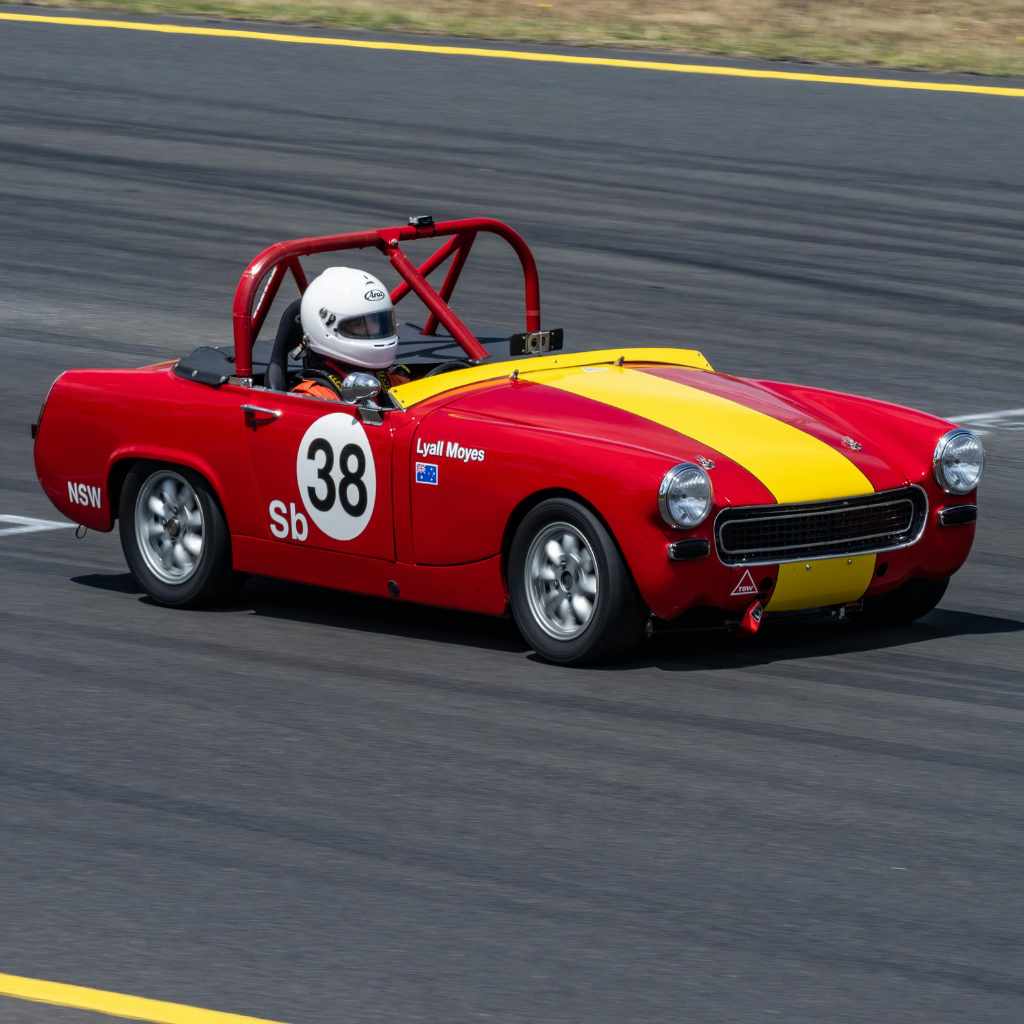
What Do Race Car Drivers Wear? Safety Gear Explained
Have you ever watched a race and wondered about all the special clothes race car drivers wear? It might seem like a lot, but it’s all for a very important reason: safety! For newcomers, figuring out What Do Race Car Drivers Wear?
Safety Gear Explained can feel a bit confusing. But don’t worry, we’re here to make it super simple. We’ll break down each piece of gear step by step so you’ll know exactly why they wear it and what it does.
Get ready to learn about the cool and protective outfits that keep drivers safe.
The Importance of Race Car Driver Safety Gear
Race car drivers operate vehicles that can reach incredible speeds. While the thrill of competition is high, so are the risks. Safety gear is not just about looking the part; it is a critical defense system. Every item drivers wear is engineered to protect them from extreme heat, impacts, and fires. Without this specialized equipment, racing would be far more dangerous. Understanding what race car drivers wear is key to appreciating the safety measures in place.

What Do Race Car Drivers Wear Layer by Layer
The protective clothing worn by race car drivers is designed in layers, each serving a specific purpose. It’s a system where each piece works together to offer the highest level of protection.
The Fire Suit The Core Protection
The Fire Suit
The most visible piece of safety gear is the fire suit, often called a Nomex suit after the brand of material it’s commonly made from. These suits are made of special fire-resistant materials, typically multiple layers of aramid fibers. They are designed to prevent flames from reaching the driver’s skin for a specific amount of time.
This gives drivers a crucial window to escape their car in case of a fire.
Fire suits are not just about being flame-retardant; they also help regulate the driver’s body temperature. Inside a race car, temperatures can get extremely high due to the engine, friction, and lack of airflow. The suit helps keep the driver cooler, preventing heat exhaustion and maintaining focus.
They are usually custom-fitted to each driver for maximum comfort and effectiveness.
Underneath the Fire Suit What Else Do They Wear
Undergarments
Beneath the fire suit, drivers wear special fire-resistant undergarments. These include long underwear tops and bottoms, socks, and sometimes a balaclava that covers the head and neck. Like the outer suit, these layers are made from materials that resist heat and flames.
They add another layer of protection and help wick away sweat, keeping the driver more comfortable and reducing the risk of friction burns.
The balaclava is particularly important. It protects the head and neck, areas that are very vulnerable. By covering these parts, it further reduces the chance of burns and also helps prevent inhaled toxic fumes from smoke in case of a fire.
The material of these undergarments is soft and breathable, ensuring that while they are protective, they don’t hinder the driver’s movement or comfort.
Keeping Their Hands Safe Driving Gloves
Gloves
Race car drivers wear specially designed gloves that offer a combination of fire resistance, grip, and protection. The palms are often made with special materials to provide an excellent grip on the steering wheel, even when hands get sweaty. This is vital for precise control of the vehicle, especially at high speeds.
The gloves are also constructed with multiple layers of fire-resistant fabric, similar to the suit. They protect the driver’s hands from heat that can radiate from the engine or steering wheel and from potential contact with hot surfaces during an incident. The design ensures that drivers can still feel the steering wheel well enough to make quick, accurate adjustments.
Protecting Their Feet Footwear
Footwear
Just like their gloves, race car drivers wear specialized shoes. These shoes are made from fire-resistant materials and are designed to be thin enough to allow drivers to feel the pedals clearly. This is important for precise control over acceleration, braking, and clutch engagement.
The soles of these shoes are typically made of rubber, providing good grip on the pedals. They also protect the driver’s feet from heat and potential impacts. The ankle support is usually designed to be high, offering additional protection without restricting movement.
The fire-resistant properties are a critical safety feature, just like the rest of their gear.
The Helmet The Most Crucial Piece
Helmet
The helmet is arguably the most critical piece of safety equipment. Modern racing helmets are incredibly advanced. They are designed to protect the driver’s head from impacts, penetration, and fire.
The outer shell is usually made of strong composite materials like carbon fiber or Kevlar, which are both lightweight and incredibly strong.
Inside the helmet, there is a shock-absorbing liner, typically made of expanded polystyrene (EPS) foam. This liner is designed to compress upon impact, absorbing much of the force that would otherwise be transmitted to the driver’s skull. The helmet also features a full-face shield, which protects the driver’s face from debris, wind, and flames, and is also designed to withstand impacts.
The Head and Neck Support System
HANS Device
The Head and Neck Support (HANS) device is a critical piece of safety equipment that has become standard in most forms of motorsport. It is a Y-shaped device that sits around the driver’s neck and shoulders and attaches to the helmet via tethers. In the event of a sudden deceleration, like a crash, the HANS device prevents the driver’s head from snapping forward or backward excessively.
This severe movement can cause severe neck and spinal injuries, including paralysis or even death. The HANS device limits this motion by transferring the forces of deceleration to the body, rather than concentrating them on the vulnerable neck. It works in conjunction with the helmet and seat belts to keep the driver securely in place and protected.
Protecting the Driver From Inside the Car
Seat Belts
Race cars use advanced multi-point seat belt systems, typically five or six points. These belts are much more substantial than those found in regular cars. They include shoulder straps, a lap belt, and often an anti-submarining strap that goes between the driver’s legs.
These belts hold the driver firmly in their seat, preventing them from being thrown around the cockpit during a crash or violent maneuver.
The secure seating provided by these belts is essential for the HANS device to function correctly and for the driver to maintain control. They are designed to distribute the forces of impact across the strongest parts of the body, minimizing the risk of injury. The buckles are also designed for quick release by the driver or safety crews.
The Cockpit Protection
Roll Cage and Fire Suppression System
While not worn by the driver directly, the car’s safety features are an extension of their protective gear. A roll cage is a structure of metal tubes built into the car’s chassis to protect the driver’s compartment from crushing in the event of a rollover or impact. Modern roll cages are incredibly strong and are designed to absorb significant crash energy.
Race cars also have sophisticated fire suppression systems. These systems are activated either manually by the driver or automatically when sensors detect high temperatures or flames. They flood the cockpit and engine bay with a fire-retardant agent, quickly extinguishing any flames and creating a safer environment for escape.
These systems are a vital layer of passive safety.
Comparing Different Levels of Racing Safety Gear
The specific requirements for safety gear can vary depending on the type of racing, the speed of the cars, and the sanctioning body (the organization that governs the racing series). Generally, higher levels of racing, like Formula 1 or IndyCar, have the most stringent safety regulations.
Here’s a simplified look at how gear might differ:
| Racing Level | Fire Suit Layers | Helmet Standards | Additional Safety |
|---|---|---|---|
| Entry Level (e.g., Karting) | 1-2 layers, often simpler material | Snell or other approved standards, less complex | Basic gloves, shoes, simple helmet |
| Club Racing / Lower Formulas | 2-3 layers, SFI 3.2A/1 or similar rating | Snell SA or FIA approved | Fire-resistant gloves and shoes, basic HANS or similar |
| Professional Series (e.g., NASCAR, F1, IndyCar) | 3+ layers, SFI 3.2A/5 or higher rating, FIA 8856-2000 | Snell SA, FIA 8860-2010 (most advanced) | Mandatory HANS device, advanced seat belts, specialized undergarments |
The SFI Foundation (SFI) and the Fédération Internationale de l’Automobile (FIA) are organizations that set safety standards for racing equipment. When you see a rating like SFI 3.2A/5 or FIA 8856-2000, it means the gear has passed specific tests for fire resistance and protection. Higher numbers and more recent standards generally indicate better protection.
How Safety Gear Standards Are Tested
The gear drivers wear undergoes rigorous testing to ensure it meets the strict safety standards. This testing is crucial because the lives of the drivers depend on it.
Fire Resistance Testing
Fire suits and undergarments are subjected to flame tests. A sample of the material is exposed to direct flame for a set period. Researchers then measure how long the material resists burning and how much heat it allows to pass through.
Standards like SFI and FIA specify minimum times for flame resistance and maximum heat transfer allowed.
Impact Testing for Helmets
Helmets are tested for their ability to withstand impacts. This involves dropping the helmet onto various surfaces from different heights and angles to simulate crash scenarios. The helmet’s ability to absorb impact energy and prevent penetration is measured.
Different standards focus on different types of impacts, from flat surfaces to sharp objects.
Strap and Retention System Testing
The strength and reliability of seat belts and helmet retention systems are also tested. Straps are put under extreme tension to ensure they won’t break during a crash. Buckles are tested for ease of release in emergency situations but also for their security during racing.
The HANS device tethers and its attachment points are also rigorously tested for strength.

Common Questions About Race Car Driver Gear
Frequently Asked Questions
Question: What is the most important piece of race car driver safety gear
Answer: While all the gear works together, the helmet is often considered the most important piece of safety equipment as it directly protects the driver’s head from severe impacts.
Question: How often do race car drivers have to replace their safety gear
Answer: Safety gear has a limited lifespan. Fire suits and undergarments need to be replaced every few years or after any significant incident, as their fire-resistant properties can degrade. Helmets also have expiration dates, typically around 5-10 years, depending on the manufacturer and standard.
Question: Can race car drivers wear regular clothing under their suits
Answer: No, drivers must wear specialized fire-resistant undergarments. Regular clothing can melt and burn, providing no protection against fire and potentially worsening injuries.
Question: Are all racing helmets the same
Answer: No, racing helmets vary in their construction, safety ratings (like Snell SA or FIA 8860), and features. Professional series often require the most advanced helmets with the highest safety certifications.
Question: What happens if a driver’s safety gear fails
Answer: If safety gear fails during an incident, it can lead to severe injuries or fatalities. This is why racing organizations have strict regulations and regular testing for all safety equipment to minimize the risk of failure.
Final Thoughts
When you see a race car driver suited up, you’re looking at a carefully assembled system designed for their survival. From the fire-resistant layers of their suit and undergarments to the protective shell of their helmet and the critical support of the HANS device, every item plays a vital role. The gloves, shoes, and even the seat belts all contribute to a driver’s ability to perform at their best while staying as safe as possible.
The science behind this gear is impressive, with constant advancements pushing the boundaries of protection. So, next time you watch a race, take a moment to appreciate the engineering and dedication that goes into what race car drivers wear, ensuring their focus remains on the track and not on the risks. Keep learning about the sport, and you’ll see how safety is always the top priority.