What Happened to Car and Driver: Shocking Truth Revealed
What Happened to Car and Driver? The Shocking Truth Revealed: Car and Driver magazine didn’t disappear; it merged! Hearst Magazines combined it with Road & Track to form a new entity focused digitally. This means changes, but the spirit of trusted car reviews continues in new formats.
Are you a car enthusiast, or maybe just someone who remembers flipping through the latest issue of Car and Driver magazine? If you’ve found yourself wondering, “What happened to Car and Driver?” you’re not alone. For decades, Car and Driver was the go-to source for car reviews, news, and advice. Its familiar logo and in-depth articles were a staple on coffee tables and nightstands everywhere. So, when it seemed to vanish, it left a big gap for many loyal readers. Did it cease to exist entirely? Was it just a rumor, or is there a deeper story behind the changes?
This article dives into the surprising truth behind what happened to Car and Driver, explaining the merger and where you can still find the content you love. We’ll break down the transition in a way that’s easy to understand, so you can stay informed about your favorite automotive publication.
The End of an Era: Dissecting the Car and Driver Merger
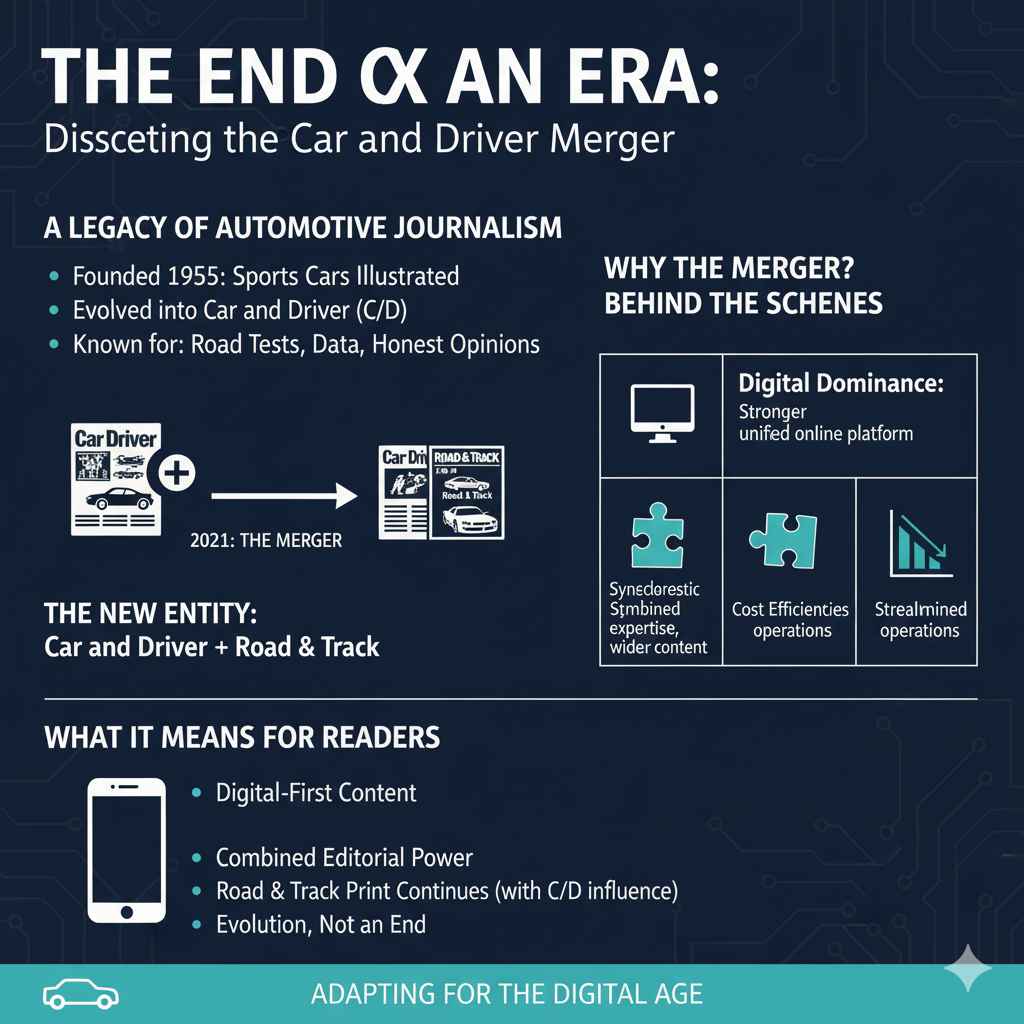
For generations, Car and Driver (often called C/D) was synonymous with automotive journalism. Its pages were filled with thrilling driving impressions, comprehensive road tests, and insightful industry analysis. Founded in 1955 as Sports Cars Illustrated, it quickly evolved into the powerhouse we knew, known for its witty writing and no-nonsense approach to evaluating vehicles. The magazine wasn’t just about pretty pictures; it was about real-world testing, objective data, and honest opinions. Many car buyers and enthusiasts alike relied on C/D’s verdicts before making significant purchase decisions. It shaped opinions, influenced trends, and was, for many, the gateway to a deeper appreciation of the automotive world.
The news of its significant change came as a shock to many. In 2021, Hearst Magazines, the longtime publisher of Car and Driver, made a significant move. They announced a merger of Car and Driver with another iconic automotive publication they owned: Road & Track. This wasn’t just a minor rebranding; it was a fundamental shift in how both brands would operate and reach their audiences. The goal, as stated by Hearst, was to create a more robust digital presence and leverage the combined strengths of both publications’ editorial teams and resources. While the physical magazine format for Car and Driver as a standalone entity largely ceased, its legacy and content lives on in a new, consolidated form.
Why the Merger? A Look Behind the Scenes
The automotive media landscape has changed dramatically over the past few decades. The rise of the internet, digital publications, and social media has fundamentally altered how people consume information. Traditional print magazines, while still cherished by many, have faced increasing challenges in maintaining readership and advertising revenue. Hearst Magazines, like many other media conglomerates, recognized the need to adapt to these changing consumer habits and the evolving digital economy.
Several key factors likely contributed to the decision to merge Car and Driver and Road & Track:
Digital Dominance: The future of media consumption is overwhelmingly digital. By merging, Hearst could consolidate resources to build a stronger, more unified digital platform, offering a wider array of content across websites, social media, and other online channels. This allows for more consistent content delivery and a broader reach to a digitally-native audience.
Synergistic Strengths: Both Car and Driver and Road & Track have unique, albeit overlapping, strengths. Car and Driver was often seen as more focused on mainstream performance and value, while Road & Track had a reputation for deeper technical dives and a strong emphasis on enthusiast cars. Merging allowed for the pooling of expertise, creating a richer, more comprehensive content offering that could appeal to a wider spectrum of automotive interests.
Cost Efficiencies: Running two major automotive publications involves considerable operational costs, from editorial staff and testing facilities to printing and distribution. Consolidating operations into a single, streamlined entity can lead to significant cost savings, allowing for reinvestment in digital innovation and content creation. According to reports at the time, consolidating resources was a primary driver.
Future-Proofing the Brand: In a competitive and rapidly changing media market, consolidation is often seen as a strategy to ensure the long-term viability of a brand. By creating a more powerful, unified entity, Hearst aimed to safeguard the future of both Car and Driver and Road & Track in the digital age. This was about adapting to survive and thrive.
What Does the Merger Mean for Readers?
For loyal readers of Car and Driver, the immediate impact of the merger was a change in how they experienced the brand. The standalone monthly Car and Driver magazine print edition was discontinued. Instead, the content, editorial voice, and legacy of Car and Driver were integrated into the new combined digital platform, which also encompasses Road & Track.
Here’s a breakdown of what this means for you:
Digital-First Content: The primary home for Car and Driver’s content is now online. You’ll find reviews, news, features, and long-term tests on the dedicated websites. The emphasis is on delivering timely, engaging content in formats that suit modern readers.
Combined Editorial Power: The editorial teams from both publications now collaborate, bringing a wider range of perspectives and expertise to the content. This means you get the best of both worlds: the practical, accessible reviews C/D was known for, alongside the enthusiast-centric and technically deep analysis that Road & Track excelled at.
Road & Track Print Magazine Continuation: It’s important to note that Road & Track continues as a standalone print magazine, albeit with influences and content cross-pollination from the Car and Driver legacy. Readers who enjoy a physical publication can still subscribe to Road & Track.
Evolution of the Brand: While the Car and Driver name still exists prominently in the digital space and in branding, the comprehensive merger signifies an evolution rather than an end. Think of it as a transformation to meet the demands of the current media landscape.
Visit the official website of the combined entity to explore the latest content. You’ll find that many familiar writers and reviewers have continued their work, bringing the same authoritative voice you’ve come to expect.
Navigating the New Landscape: Where to Find Car and Driver Content
So, if the individual print magazine is no more, where can you find the insightful reviews, road tests, and automotive news that Car and Driver was famous for? The answer lies in embracing the digital platforms that are now the primary focus for the merged entity.
The most straightforward way to access all this content is through the official websites. Hearst Magazines has consolidated the digital presence, creating a powerful online hub for both brands.
The Official Website: The primary destination for Car and Driver content now resides under the umbrella of the merged digital publication. This website features a wealth of articles, including new car reviews, comparisons, long-term tests, industry news, and opinion pieces. You can expect to find the same in-depth analysis and engaging writing style that defined Car and Driver for years.
Social Media Channels: Like most modern media outlets, the combined Car and Driver and Road & Track presence is active on various social media platforms. Following their official accounts on platforms like Facebook, Twitter (X), Instagram, and YouTube will provide a steady stream of content, updates, and behind-the-scenes looks.
Email Newsletters: Signing up for email newsletters is an excellent way to ensure you don’t miss out on key articles or announcements. These newsletters often highlight the best content from the week or feature exclusive stories.
YouTube Channel: The video content produced by the merged team is often highly engaging and informative. Their YouTube channel features detailed walkarounds, driving impressions, comparison videos, and explainer segments that break down complex automotive topics in an accessible way.
The transition to a digital-first model allows for more dynamic content delivery. You’ll find articles updated with the latest information, interactive elements, and multimedia integrated seamlessly. It’s a modern approach to a classic brand, ensuring its voice continues to be heard by a new generation of car enthusiasts.
Key Strengths of the Merged Platform
This consolidation wasn’t just about cutting costs; it was about building something stronger. By combining resources, the merged digital platform offers several advantages to automotive enthusiasts:
Comprehensive Coverage: You now have access to a broader spectrum of reviews and automotive perspectives. Whether you’re interested in everyday sedans, high-performance sports cars, or cutting-edge electric vehicles, the combined editorial team covers it all with depth and authority.
Expertise Amplified: The journalists and editors who brought you Car and Driver’s sharp insights are now working alongside their Road & Track counterparts. This pooling of talent means an even higher caliber of automotive journalism, covering everything from driving dynamics to powertrain technology.
Interactive Content: Digital platforms allow for more interactive content formats. Expect to find more videos, photo galleries, embedded social media posts, and potentially even data visualizations that enhance the reading experience.
Timeliness: Digital content can be updated and published much faster than print. This means you’ll get breaking news and reviews of the latest models to hit the market much more quickly.
A Look at the Editorial Voice
One of the defining characteristics of Car and Driver was its distinctive editorial voice: witty, opinionated, and refreshingly honest. While the medium has shifted from print to digital, the commitment to maintaining that characteristic voice remains. You’ll still find the same level of critical analysis, the same passion for driving, and the same dedication to providing readers with the information they need to make informed decisions about their vehicles.
The merger allows for a richer blend of voices. Readers who appreciated Car and Driver‘s directness will find it, while those who enjoyed Road & Track‘s more technical depth will also be satisfied. It’s an evolution that aims to capture the best of both worlds.
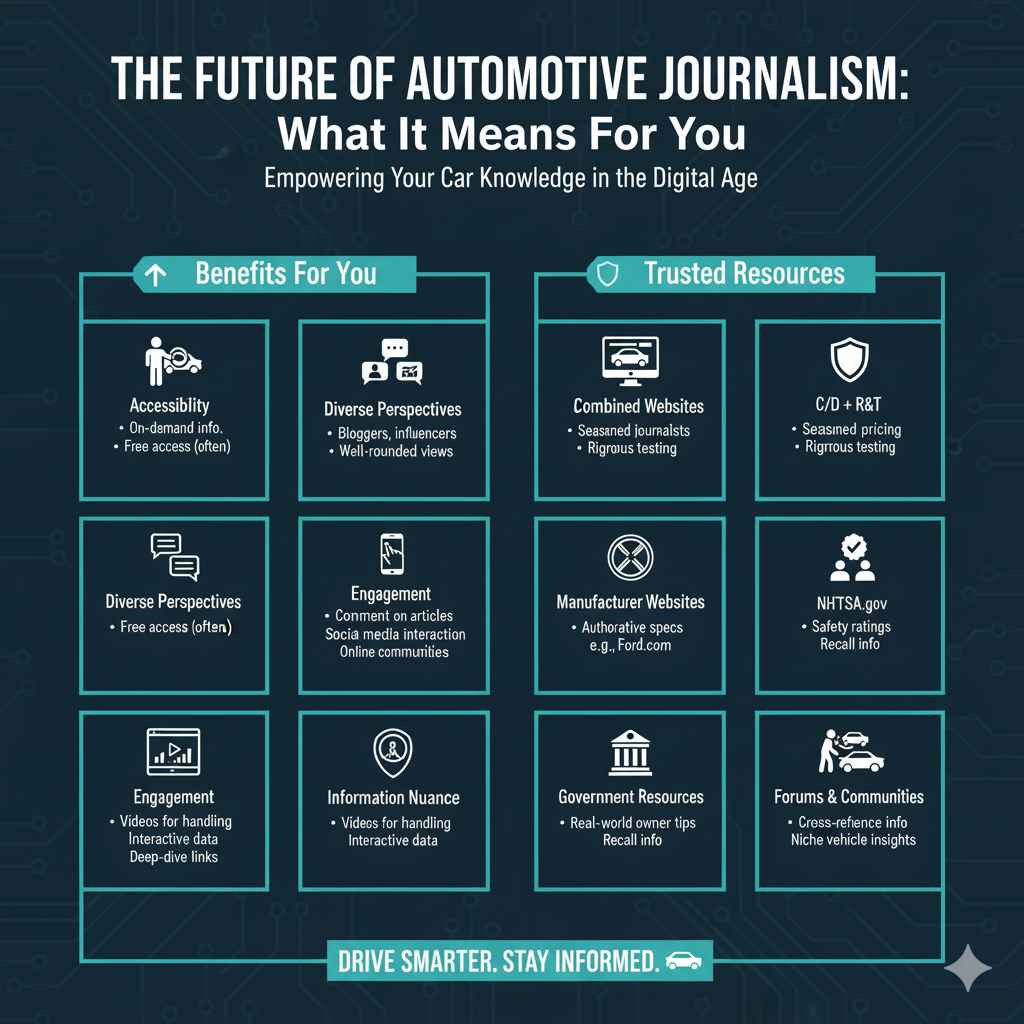
The Future of Automotive Journalism: What It Means for You
The shift in Car and Driver‘s publication model is a symptom of a larger trend impacting automotive journalism and media across the board. The digital revolution has democratized content creation and consumption, forcing established publications to adapt or risk becoming obsolete. For consumers, this means more choices and greater access to information than ever before.
Here are some ways this evolution benefits you as a car owner or enthusiast:
Accessibility: Information that was once locked behind a magazine subscription or was harder to find is now readily available online. You can access reviews, comparisons, and news on demand, often for free.
Diverse Perspectives: The digital space allows for a wider array of voices and opinions. Beyond the major publications, you’ll find independent reviewers, automotive bloggers, and social media influencers offering their takes on vehicles. This diversity can provide a more well-rounded view of any given car.
Engagement: Digital platforms foster interaction. You can often leave comments on articles, engage with reviewers on social media, and participate in online communities, all of which can deepen your understanding and enjoyment of cars.
Information Nuance: While print was great, digital allows for a more nuanced presentation of information. Videos can show you how a car handles, interactive charts can present data more clearly, and links can lead you to deeper dives on specific topics.
It’s important to remain discerning about your sources, of course. Look for publications with a proven track record of thorough testing and objective reporting, like the combined Car and Driver and Road & Track entity. Reputable sources often link to their methodology or explain their review process, much like how the Society of Automotive Engineers (SAE) sets standards for vehicle testing.
Tools and Resources You Can Rely On
The legacy of Car and Driver has always been about providing practical, reliable information. Even with the platform changes, this commitment remains. When researching your next vehicle or looking for maintenance tips, consider these resources:
Official Combined Websites: As mentioned, the primary digital homes for Car and Driver and Road & Track content are invaluable. They employ seasoned automotive journalists who conduct rigorous testing.
Manufacturer Websites: For specific model details, features, and pricing, the official manufacturer websites are authoritative. For example, if you’re looking at a new Ford, Ford.com offers detailed specifications.
Government Resources: For safety ratings and recall information, government agencies are the most trusted sources. The National Highway Traffic Safety Administration (NHTSA) provides comprehensive safety data, including crash test ratings. You can visit nhtsa.gov to check for recalls on your current vehicle or explore safety ratings for new ones.
Reputable Automotive Forums and Communities: While not a primary source for reviews, online communities can offer real-world owner experiences and tips on common issues or maintenance. However, always cross-reference information from forums with more authoritative sources.
The goal is to empower you with knowledge, whether you’re a seasoned gearhead or just learning your way around your car. The digital evolution of Car and Driver actually makes this easier than ever.
Frequently Asked Questions About Car and Driver
Here are some common questions people have about the changes at Car and Driver:
Q1: Did Car and Driver magazine shut down completely?
A1: No, Car and Driver magazine did not shut down completely. It was merged with Road & Track to create a stronger, unified digital platform. While the standalone print magazine ceased, the brand’s content and editorial voice live on online.
Q2: Where can I find the latest reviews from Car and Driver?
A2: You can find the latest reviews and automotive content from the Car and Driver legacy on its official digital platforms, primarily its website. These sites are updated regularly with new car reviews, comparisons, and industry news.
Q3: Is the content still written by the same people?
A3: Many of the well-known writers, editors, and test drivers who contributed to Car and Driver have continued their work with the merged digital publication. You’ll likely recognize many familiar names and faces.
Q4: Will I still be able to read about a wide variety of cars?
A4: Absolutely. The merger aimed to combine the strengths of both publications, so you can expect comprehensive coverage of a broad range of vehicles, from everyday commuters to high-performance machines.
Q5: Is there still a print magazine I can subscribe to?
A5: While the standalone Car and Driver print magazine is no longer published, you can subscribe to its sister publication, Road & Track, which continues to be published in print and features content and editorial influences from the combined entity.
Q6: What is the main goal of merging Car and Driver and Road & Track?
A6: The primary goal was to create a more robust and competitive digital presence in the evolving media landscape, leverage combined editorial talent, and achieve operational efficiencies. It’s about adapting for future success.
Q7: How can I stay updated with Car and Driver news now?
A7: The best ways to stay updated are by visiting their official website regularly, subscribing to their email newsletters, and following their official social media channels.
Conclusion: The Enduring Legacy of Car and Driver***
The automotive world evolves, and so do the publications that cover it. While the form of
Car and Driver has changed, its spirit of delivering insightful, authoritative, and often entertaining automotive journalism endures. The merger with Road & Track by Hearst Magazines marks a strategic adaptation to the digital age, consolidating resources to create a more powerful online presence.
For those who grew up with the magazine or relied on its verdicts for car-buying decisions, the transition might have initially seemed like the end of an era. However, the underlying content, the expert voices, and the commitment to honest automotive evaluation are very much alive and well. By embracing their digital platforms, you can continue to access the high-quality reviews, road tests, and industry insights that made
Car and Driver a household name. The knowledge and passion that defined the publication are now more accessible than ever, ready to inform and inspire the next generation of car enthusiasts and everyday drivers alike. So, while the pages may have shifted from paper to pixels, the journey of discovery with Car and Driver*’s legacy continues.