What Happens If A Car Is Low On Antifreeze? Don’T Ignore
If a car is low on antifreeze, its engine can overheat quickly. This can cause serious damage to engine parts like the radiator, water pump, and even the engine block. Ignoring low antifreeze can lead to costly repairs and a shorter lifespan for your vehicle. It’s vital to check and maintain your antifreeze levels regularly.
The Heart of Your Car: Understanding Antifreeze
Think of antifreeze as your car’s cooling system hero. It does two main jobs. First, it keeps your engine from getting too hot.
Your engine creates a lot of heat when it runs. Antifreeze circulates through the engine. It picks up this heat.
Then, it carries the heat to the radiator. The radiator helps cool the antifreeze down. It’s like a big, metal fan.
This keeps your engine at its best working temperature.
Second, antifreeze also stops your cooling system from freezing. This is super important in places with cold winters. If water in the cooling system freezes, it expands.
This expansion can crack engine parts. Antifreeze has a special chemical in it. This chemical lowers the freezing point of the liquid.
So, even in freezing weather, it stays liquid. This dual protection is why it’s often called coolant.
The antifreeze mixture is usually a 50/50 mix. It’s made of antifreeze concentrate and water. This mix offers the best protection against both heat and cold for most cars.
Some people might try to use just water. But this is a big mistake. Water alone boils at a lower temperature.
It also freezes much easier. So, it offers very little protection.
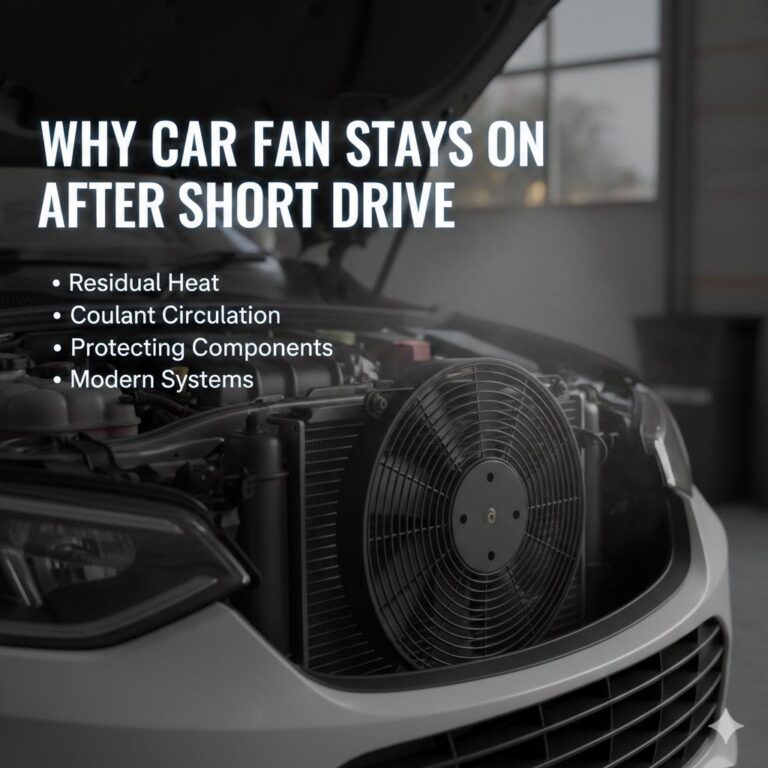
This coolant flows through a complex network of hoses and passages. It’s all designed to manage engine heat efficiently. The water pump helps push the coolant around.
The thermostat opens and closes. It helps control the flow. This ensures the engine warms up quickly.
Then it stays at the right temperature.
What Happens When Antifreeze Levels Are Low?
When your car is low on antifreeze, the whole cooling system struggles. Imagine trying to run a marathon with only half a bottle of water. Your body would overheat fast.
It’s the same for your car’s engine.
The most immediate and common problem is engine overheating. Without enough coolant, the system can’t carry away the heat effectively. The engine temperature gauge on your dashboard will start to climb.
It might go into the red zone. This is a serious warning sign.
Overheating can cause several issues. The metal parts of your engine expand when they get too hot. This can lead to leaks.
It can also cause parts to warp or even break. The water pump might overheat and fail. The thermostat can get stuck.
The radiator itself can become damaged.
If the engine gets extremely hot, it can lead to what’s called a “blown head gasket.” This is a very expensive repair. The head gasket seals the engine’s cylinders. It keeps coolant and oil from mixing.
When it blows, these fluids mix. This can cause major engine damage.
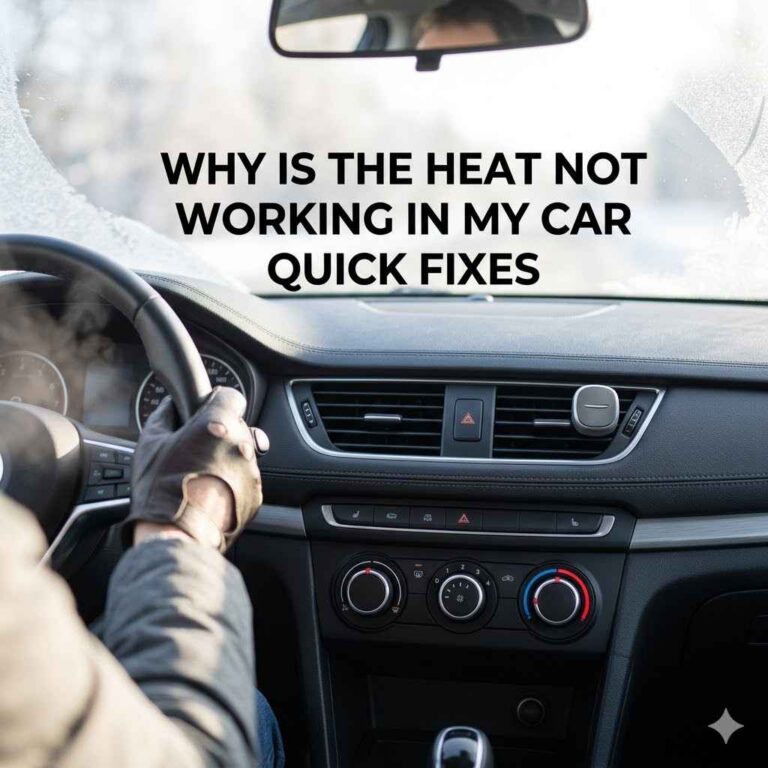
Another thing that can happen is the car’s heater might stop working. The heater in your car uses hot coolant. It runs through a small radiator inside your dashboard.
If there isn’t enough coolant, there’s no heat to give. So, your car might not get warm inside either.
In very cold weather, low antifreeze can be just as bad. If the mix isn’t strong enough, or if there’s just not enough liquid, it can freeze. Frozen coolant expands.
This can crack the engine block. This is one of the worst possible outcomes for an engine.
Signs Your Car Needs More Antifreeze
Overheating: Your temperature gauge climbs higher than normal. It might even go into the red. You might see steam coming from under the hood.
Sweet Smell: Low antifreeze often has a sweet smell. This is from the ethylene glycol in the coolant. You might smell it inside or outside the car.
Puddles Under Car: Check your driveway or parking spot. You might see colored puddles. Green, orange, pink, or yellow are common coolant colors.
Low Coolant Light: Many modern cars have a warning light for low coolant. Don’t ignore this light!
Corrosion: White or rusty deposits can appear on the radiator cap or in the coolant reservoir. This shows the coolant isn’t protecting the metal parts.
My Own Antifreeze Fright: A Story
I remember one sweltering summer day. I was driving my old sedan on a road trip. The air conditioning was blasting.
Suddenly, I noticed the temperature gauge creeping up. I’d seen it do this before on hot days. Usually, it would settle back down.
But this time, it kept going. It inched closer and closer to the red zone.
My gut told me something was wrong. I could smell a faint, sweet odor. It was a smell I’d only smelled once before, after a minor hose leak.
Panic started to bubble up. I didn’t want to be stranded in the middle of nowhere. I pulled over onto the shoulder of the highway.
I turned off the engine immediately. I popped the hood, hoping to see something obvious.
Steam was gently rising from the engine. It wasn’t a huge cloud, but enough to worry me. I waited about 15 minutes.
Then, very carefully, I checked the coolant reservoir. It was almost empty. My heart sank.
I had been so focused on other car maintenance, I’d completely forgotten to check the coolant level. This mistake could have cost me dearly. Thankfully, I was near a small town.
I managed to get some coolant and water to top it up. But that day taught me a powerful lesson about the importance of this simple check.
Why Antifreeze Levels Drop
Evaporation: Over time, a small amount of coolant can evaporate. This is normal, but it’s slow.
Leaks: This is the most common cause. Hoses can crack. Radiators can develop tiny holes.
Water pumps can start to drip. Even a small leak will eventually lower the level.
Internal Engine Issues: Sometimes, coolant can leak inside the engine. It might mix with oil. This is a more serious problem and usually means a blown gasket.
Faulty Radiator Cap: The cap keeps the system pressurized. If it’s old or damaged, it can let coolant escape as vapor.
The Immediate Dangers: Engine Overheating
When your car is low on antifreeze, the engine doesn’t have enough cooling power. The cooling system relies on a specific amount of liquid to work right. When that amount is too low, the engine starts to heat up too much.
This is called overheating.
The temperature gauge on your dashboard is your best friend here. It tells you how hot the engine is. Most cars have a gauge with a “C” for cold and an “H” for hot.
There’s also usually a middle point that’s normal. If the needle moves past the middle and heads toward “H,” you have a problem.
If the temperature gets too high, it can cause parts to expand unevenly. This can lead to leaks in places that weren’t leaking before. It can also cause metal parts to warp.
A warped cylinder head is a very bad day for an engine. It can mean thousands of dollars in repairs.
The water pump is what pushes the coolant. If the coolant level is too low, the pump might not be fully submerged. This can cause it to work harder and overheat.
A damaged water pump will need to be replaced.
The thermostat is like a gatekeeper. It opens when the engine is hot enough. This lets coolant flow to the radiator.
If the engine is overheating, the thermostat should be open. But if it’s stuck closed, it traps hot coolant in the engine. This makes the overheating much worse.
The radiator itself can also suffer. Overheating can put stress on its thin metal fins. It can also cause the seals within the radiator to fail, leading to leaks.
Even a seemingly small leak from a hose can worsen rapidly when the system is stressed by low coolant.
A severely overheated engine can seize up. This means the moving parts inside the engine lock up. It can be caused by extreme heat and lack of lubrication.
A seized engine usually means the engine needs to be replaced entirely. This is the most catastrophic outcome.
When Cold Becomes Critical: Freezing Risks
We often think of antifreeze as being for hot weather. But it’s just as crucial for cold weather. In freezing temperatures, water turns to ice.
Ice takes up more space than water. When water in your cooling system freezes, it expands.
This expansion can be incredibly powerful. It can exert immense pressure on the metal components of your engine. The engine block itself is made of metal.
It has passages for coolant to flow through. If the coolant freezes and expands, it can crack these passages.
Imagine a balloon filled with water. Then you freeze it. The balloon will likely burst.
The engine block can suffer a similar fate. A cracked engine block is usually the end of the line for an engine. It’s a major structural failure.
Repairs are extremely difficult and costly, often more than the car is worth.
The radiator is also vulnerable. It’s made of thin metal tubes and fins. If the coolant inside freezes, it can split these tubes.
This would cause a massive coolant leak. It would also likely destroy the radiator’s ability to function.
The heater core, which is like a small radiator for your car’s cabin, can also freeze and crack. This would mean no heat for you in the car. It would also be another source of coolant leaks.
A proper 50/50 mix of antifreeze and water is designed to prevent freezing. This mix can lower the freezing point of the liquid to well below 0 degrees Fahrenheit. However, if the level is too low, the water content might be too high.
This reduces the antifreeze protection. Or, if the antifreeze itself is old, its protective qualities might have degraded.
Antifreeze vs. Coolant: What’s the Difference?
Antifreeze: This is the concentrated chemical itself. It’s usually made of ethylene glycol or propylene glycol. It’s the ingredient that prevents freezing and raises the boiling point.
Coolant: This is the mixture you put in your car. It’s typically a 50/50 mix of antifreeze and distilled water. Coolant is the liquid that circulates in your cooling system.
Why Use Distilled Water? Tap water contains minerals. These minerals can clog up your cooling system over time. They can also cause corrosion.
Distilled water is pure and won’t cause these problems.
The Long-Term Consequences of Neglect
Even if your car doesn’t immediately break down from low antifreeze, there are long-term effects. Small issues can snowball into bigger problems.
One issue is corrosion. Antifreeze contains additives. These additives protect metal parts from rust and corrosion.
When the antifreeze level is low, or when it gets old and degraded, these protective additives wear out. This allows corrosion to start forming inside the cooling system.
Corrosion can damage the radiator, water pump, heater core, and engine passages. It can create small leaks. It can also create debris that circulates through the system.
This debris can clog up smaller passages. This reduces the efficiency of the cooling system. It can make the engine run hotter even without a major leak.
Another consequence is increased wear and tear on the water pump. The water pump needs to be properly lubricated by the coolant. If the coolant level is low, the pump might not be fully submerged.
This can cause it to wear out faster. It can also lead to overheating of the pump itself.
The constant stress of running at higher temperatures also puts a strain on other engine components. Seals and gaskets can dry out and crack more easily. This can lead to oil leaks or coolant leaks in other areas.
Your engine’s overall lifespan can be reduced. Engines are designed to operate within a specific temperature range. Consistently running hotter than that range causes stress.
This stress accelerates wear. It can lead to premature failure of engine parts.
Think of it like your own body. If you are constantly dehydrated and overheated, your organs suffer. Your car’s engine is no different.
It needs its fluids to be at the right level and the right quality to perform at its best and last a long time.
Quick Check: Your Coolant Reservoir
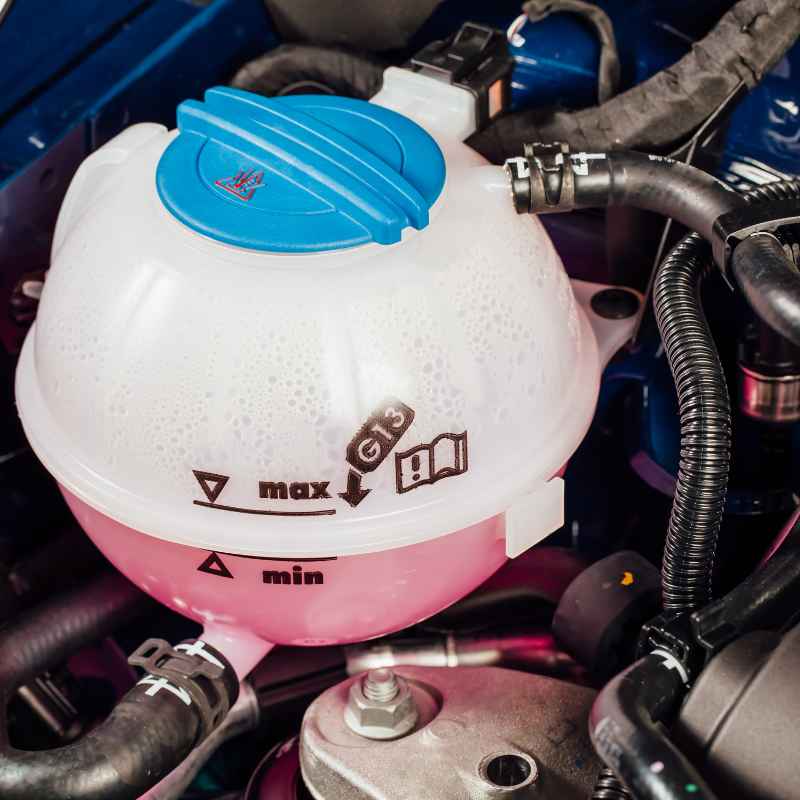
Locate the Reservoir: It’s usually a translucent plastic tank. It’s near the radiator. You’ll see markings for “Full” and “Low” or “Min” and “Max.”
Check the Level: Look at the liquid level. It should be between the “Min” and “Max” lines when the engine is COLD.
NEVER Open Hot Cap: The cooling system is pressurized when hot. Opening the radiator cap or reservoir cap when hot can cause serious burns from scalding liquid and steam.
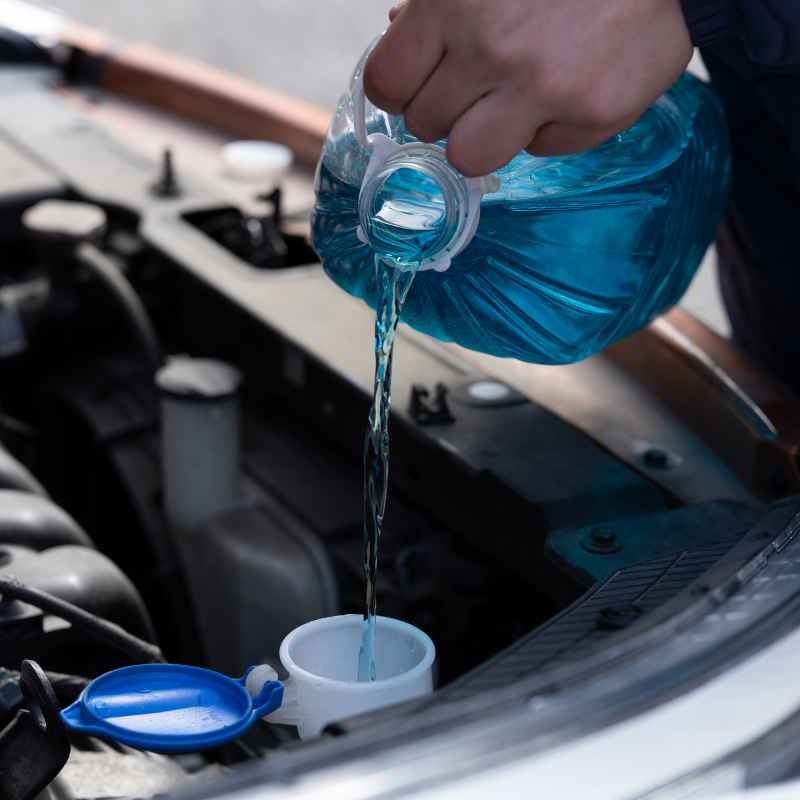
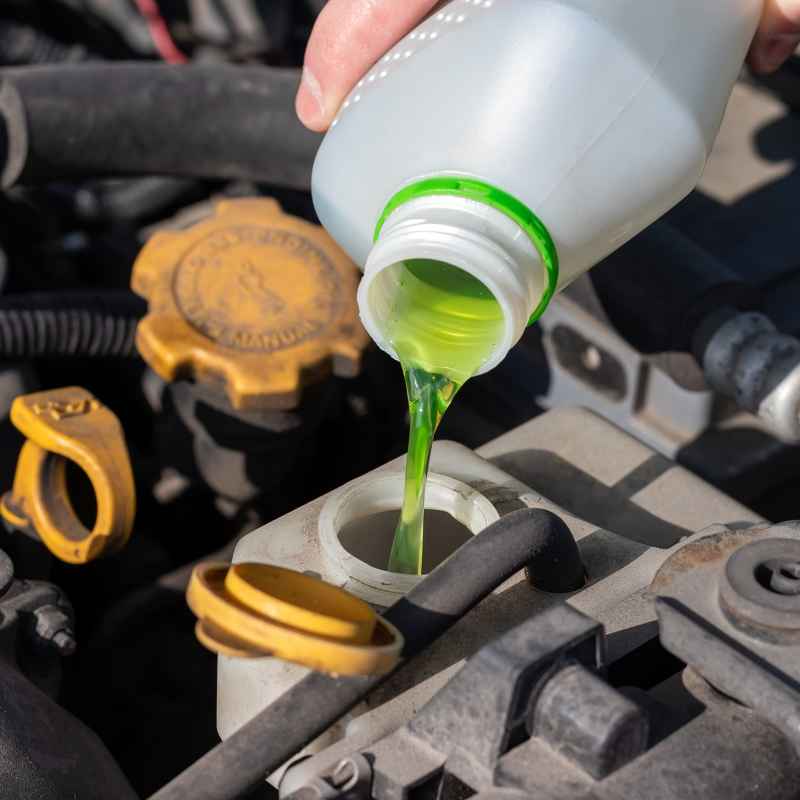
What to Do if Low: If the level is below “Low,” you need to add coolant. Use the correct type for your car (check your owner’s manual). Add a 50/50 mix of antifreeze and distilled water.
Real-World Scenarios: When Low Antifreeze Bites
Let’s look at some common situations where low antifreeze causes trouble. These are things that happen to everyday drivers.
The Commuter’s Nightmare
Sarah drives 40 miles to work each day. She’s busy and often forgets minor car checks. One morning, her car starts sputtering.
The temperature gauge is in the red. She pulls over. Steam pours from under the hood.
Her car overheats badly. She calls a tow truck. The mechanic finds a cracked hose and a leaking water pump.
The repair bill is over $700. All because she didn’t check her coolant level for months. The constant stop-and-go traffic on her commute meant the engine was working hard.
Without enough coolant, it couldn’t cope.
The Road Trip Disaster
Mark was on a long drive with his family. They were heading to the mountains. The weather turned cold faster than expected.
His car started making strange noises. Then, the heater stopped blowing warm air. He thought maybe it was just the cold affecting the car.
But then the engine light came on. He eventually had to pull over. He discovered the coolant had frozen.
The mechanic told him he was lucky. The engine block hadn’t cracked, but the radiator was damaged. The cost to fix it meant they had to cut their vacation short.
His car’s antifreeze mix wasn’t strong enough for the dropping temperatures.
The Used Car Surprise
David bought a used car a few months ago. It seemed to run fine. But lately, he noticed puddles under his car after it sat overnight.
He ignored them, thinking it was just condensation. One day, driving home from the store, his car suddenly lost power. The engine died.
He had to get it towed. The mechanic found a major leak in the radiator. The constant small leaks had slowly drained the system.
The engine overheated so badly it warped the cylinder head. The repair cost more than he paid for the car. He wished he had checked for leaks sooner.
Common Places for Leaks
Radiator Hoses: These rubber hoses carry coolant. They can crack, split, or become loose over time.
Radiator: The radiator can develop leaks from corrosion or impact damage.
Water Pump: The seal on the water pump can fail, causing it to drip.
Thermostat Housing: The gasket that seals the thermostat housing can leak.
Heater Core: This small radiator inside your dash can leak, sometimes causing a wet carpet on the passenger side.
Head Gasket: This is a more serious internal leak, where coolant can enter the combustion chamber or mix with oil.
When Is It Okay? Normal Fluid Levels
It’s important to know that some very small loss of coolant over long periods can happen. Antifreeze does slowly evaporate. Also, there’s a small amount of pressure in the system.
This can cause a tiny bit of vapor to escape.
If you check your coolant reservoir every month or so, and the level is still within the “Min” and “Max” marks, you are likely fine. A slight drop over several months might be normal. It just means you might need to top it up a little between flushes.
The key is to monitor it. If you see the level dropping rapidly, or if it’s consistently below the “Min” line, then it’s not normal. That’s when you need to investigate.
Also, the color of the coolant matters. Modern coolants are dyed bright colors like green, orange, pink, or yellow. If you see a rusty brown color, it means there’s corrosion happening.
This indicates the coolant is old and needs to be replaced. It also means the protective additives are gone.
Your owner’s manual will tell you what type of coolant your car needs. It will also tell you the recommended service interval for flushing and refilling the cooling system. Following these recommendations is crucial for preventing issues.
When to Worry and Simple Checks
You should worry if you notice any of the following:
- The coolant level drops significantly between checks.
- You see puddles of colored liquid under your car.
- Your car’s temperature gauge goes into the red zone.
- You smell a sweet odor coming from the engine.
- Your car’s heater stops blowing hot air.
- The low coolant warning light comes on.
Simple Checks You Can Do:
1. Visual Inspection of the Reservoir: Check the plastic tank regularly. Is the level between the marks?
Is the coolant clear or does it look rusty?
2. Check Hoses: When the engine is COLD, gently squeeze the radiator hoses. Are they hard and brittle, or mushy and soft?
They should feel firm but flexible.
3. Look for Puddles: After parking, especially on a hot day, check under your car for any drips.
4. Monitor the Temperature Gauge: Pay attention to where your car’s temperature gauge normally sits. If it starts to climb higher, investigate immediately.
If you see any signs of leaks or a rapidly dropping coolant level, it’s best to have your car inspected by a mechanic. They can pressure test the system. This helps find even small leaks that might be hard to see.
Contrasting Normal vs. Concerning Signs
Normal: Coolant level drops slightly over 6-12 months. A tiny bit of vapor escapes from the reservoir overflow on very hot days. The color of the coolant is bright and clear (green, orange, pink, etc.).
Concerning: Coolant level drops noticeably in a week or two. Large puddles form under the car. The temperature gauge is consistently in the red.
The coolant is rusty brown or has particles floating in it. Steam is actively pouring from the engine bay.
Quick Tips for Maintaining Your Antifreeze
Here are some easy things you can do:
- Check Monthly: Make it a habit to check your coolant level every month. It takes less than a minute.
- Use the Right Type: Always use the specific type of antifreeze recommended in your car’s owner’s manual. Mixing types can cause problems.
- Use Distilled Water: When mixing antifreeze or topping up, always use distilled water.
- Don’t Overfill: Fill the reservoir to the “Max” line when the engine is COLD. Overfilling can cause issues.
-
Regular Flushes: Follow your car’s maintenance schedule for coolant flushes. This removes old, degraded coolant and
- Address Leaks Promptly: If you suspect a leak, get it checked and fixed right away. Small leaks can become big problems quickly.
- Listen to Your Car: Pay attention to unusual smells or sounds. These can be early warnings of cooling system trouble.
Frequent Questions About Low Antifreeze
What kind of antifreeze should I use?
The type of antifreeze your car needs is very important. It’s usually listed in your car’s owner’s manual. There are different types for different car makes and models.
Some are green, some are orange, some are pink or blue. Using the wrong type can cause damage or reduce protection. Always check your manual or ask a trusted mechanic.
How often should I check my antifreeze level?
It’s a good idea to check your antifreeze level at least once a month. You should also check it before any long road trips, especially if you are driving in extreme weather conditions. Checking it regularly is the easiest way to catch a problem early.
Can I just add water if my antifreeze is low?
You can add a small amount of distilled water if your antifreeze is only slightly low and the engine is cold. However, this will dilute the antifreeze. If you add too much water, you reduce the protection against freezing and overheating.
It’s best to use a 50/50 mix of antifreeze and distilled water. If it’s very low, it’s better to add the correct coolant mix.
How do I know if my car is overheating?
The most common sign is the temperature gauge on your dashboard climbing into the red zone. You might also see steam coming from under the hood. Your car’s performance might also decrease.
You may also notice a sweet smell.
What happens if I ignore a low antifreeze warning?
Ignoring low antifreeze can lead to serious engine damage. The engine can overheat, causing parts like the head gasket, water pump, or radiator to fail. In cold weather, the coolant can freeze and crack the engine block.
These are very expensive repairs, often costing thousands of dollars or more. It can even lead to complete engine failure.
How long does antifreeze last?
Antifreeze doesn’t last forever. The protective additives break down over time. Most manufacturers recommend flushing and replacing the coolant every 30,000 to 60,000 miles, or every 2 to 5 years.
Check your owner’s manual for the specific recommendation for your vehicle. Old antifreeze loses its ability to protect your engine from heat and cold.
Final Thoughts on Keeping Cool
Taking care of your car’s cooling system is straightforward. It doesn’t take much time. A quick check of your antifreeze level can save you from major headaches and costly repairs down the road.
Pay attention to your car. Notice any changes. Address small issues before they become big disasters.
Your car will thank you with reliable service for years to come.
Products related to this article
Sponsored / affiliate links. As an Amazon Associate I earn from qualifying purchases. I may earn additional commission from eligible campaigns.