Does O’Reilly Put Freon In Your Car? What To Know First
O’Reilly Auto Parts sells products for car AC repairs and maintenance, including refrigerant recharge kits. However, Freon (R-12) is an older refrigerant that is no longer used in modern cars. They offer products with newer, safer refrigerants like R-134a or R-1234yf, depending on your car’s make and model.
Understanding Your Car’s Air Conditioning System
Your car’s air conditioning, or AC, is a system that cools the air inside your vehicle. It works much like a refrigerator. The main goal is to move heat from inside your car to the outside. This happens through a cycle of different steps.
The system uses a special fluid called a refrigerant. This fluid changes from a liquid to a gas and back again. This change in state is what allows it to absorb and release heat. Without the right refrigerant, the AC simply cannot cool your car.
Think of the refrigerant as the blood of your AC system. It needs to flow properly and stay at the right pressure. When the refrigerant level gets too low, it means there’s a leak somewhere. That leak is the real problem that needs attention.
How the Refrigerant Cycle Works
The refrigerant starts its journey as a liquid under high pressure. It enters a part called the expansion valve. Here, its pressure drops. This makes it very cold.
This cold liquid then flows into the evaporator. This part sits inside your car’s dashboard. As warm air from your car’s cabin blows over the cold evaporator, the heat transfers to the refrigerant. The refrigerant absorbs this heat and turns into a gas.
The blower motor then pushes this cooled air back into your car. Meanwhile, the refrigerant gas, now warmer, moves to the compressor. The compressor squeezes this gas. This raises its pressure and temperature.
From there, the hot, high-pressure gas goes to the condenser. This is usually in front of your car, near the radiator. Outside air blows over the condenser. This cools the refrigerant, causing it to turn back into a liquid.
This liquid then goes back to the expansion valve. The cycle starts all over again. It’s a continuous loop that keeps you cool.

The Truth About Freon and Refrigerants
The word “Freon” is often used to talk about car AC refrigerant. But it’s important to know that Freon is actually a brand name. The original refrigerant used in cars was called R-12. This is what most people mean when they say “Freon.”
R-12 was very effective at cooling. But it was found to be harmful to the Earth’s ozone layer. Because of this, it was banned in the United States back in 1994. You won’t find R-12 in any car made after that year.
So, if your car is newer than 1994, it does not use Freon (R-12). It uses a different type of refrigerant. The most common one is called R-134a. Many cars made after 2010 use an even newer refrigerant called R-1234yf.
Understanding Refrigerant Types
R-12 (Freon): Used in cars before 1994. Banned due to ozone depletion.
R-134a: The standard for most cars from 1994 to around 2010/2015. Safer for the ozone layer.
R-1234yf: A newer, more environmentally friendly option. Used in many new cars today. It’s a hydrofluoroolefin (HFO).
It’s critical to use the correct refrigerant for your car. Using the wrong type can damage your AC system. It can also be dangerous.
My Own AC Scare on a Road Trip
I remember one summer, I was driving my old sedan on a long trip. It was a sweltering July day, the kind where the asphalt seems to shimmer. My AC had been working okay, but it wasn’t blowing as cold as usual. I figured it was just getting old.
Then, about halfway to my destination, the air coming out of the vents turned lukewarm. Panic started to set in. I pictured myself stuck on the side of a highway, sweating buckets. I pulled into a gas station, hoping for a quick fix.
The attendant looked at my AC system and said, “You probably just need a recharge.” He offered me a can. I looked at the can, and it said “R-134a.” I knew my car was old enough that it might have used R-12. I hesitated. I didn’t want to make things worse.
This is where the confusion really hit me. What if I put the wrong thing in? I ended up just buying a bottle of water and rolling down my windows, which wasn’t ideal at 70 mph. It taught me a valuable lesson: know what your car needs before you try to fix it.
What O’Reilly Auto Parts Offers for AC
O’Reilly Auto Parts is a well-known retailer for car parts and supplies. They definitely sell products that can help with car AC systems. You can find recharge kits there. These kits are designed for DIYers who want to add refrigerant to their car’s AC.
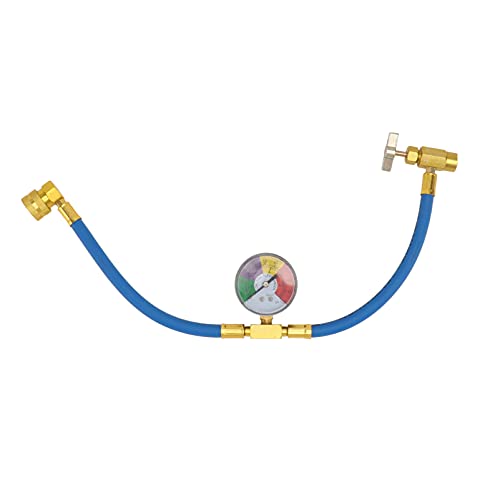
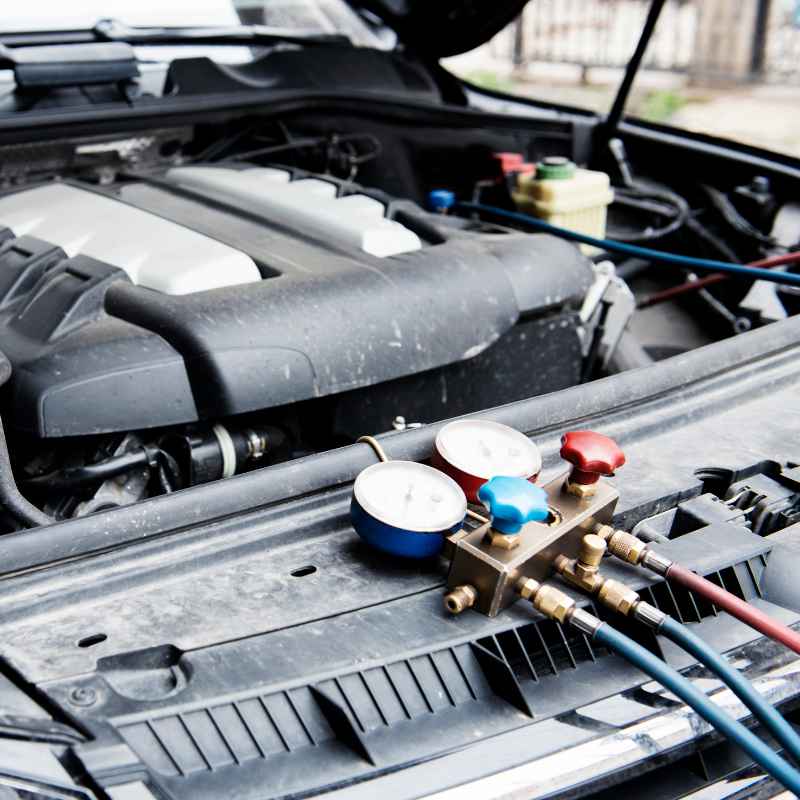
These kits typically come with a can of refrigerant, a hose, and a pressure gauge. The gauge is important. It helps you avoid overcharging the system. Overcharging can be just as bad, if not worse, than undercharging.
When you go to O’Reilly, you’ll see different types of recharge kits. Make sure you get the one that matches your car’s refrigerant type. There will be clear labels on the packaging. It will tell you if it’s for R-134a or R-1234yf systems.
They might also have other AC-related products. This could include AC cleaners, leak sealants, or even diagnostic tools. It’s always a good idea to check the compatibility with your specific car model.
Choosing the Right Recharge Kit
The most important step is knowing what refrigerant your car uses. You can usually find this information in a few places:
Your Car’s Owner’s Manual: This is the best place to start. It will tell you the exact type of refrigerant your car needs.
A Sticker Under the Hood: Many cars have a sticker on the hood, firewall, or under the dashboard that specifies the refrigerant type. It might also state the correct amount of refrigerant.
Consult a Mechanic: If you can’t find the information, a mechanic can tell you.
Once you know the refrigerant type, you can look for the matching kit at O’Reilly. For example, if your car needs R-134a, buy an R-134a recharge kit. Do not buy an R-12 kit, as that refrigerant is no longer available for automotive use.
When to Get Professional Help
While DIY recharge kits can be tempting, they aren’t always the best solution. They are best for simple, minor refrigerant loss. If your AC system is losing refrigerant quickly, it means there’s a leak.
A recharge kit will only add more refrigerant. It won’t fix the leak. The refrigerant will just escape again. This is not only a waste of money but also bad for the environment.
Signs You Need a Mechanic, Not Just a Recharge
- Rapid Coolant Loss: If your AC stops cooling soon after you recharge it.
- Strange Noises: Whining, clicking, or grinding sounds from the AC system.
- AC Only Blows Warm Air: Even after a recharge, no cool air comes out.
- Visible Leaks: Oily residue around AC components.
- System Not Engaging: The AC clutch on the compressor doesn’t engage.
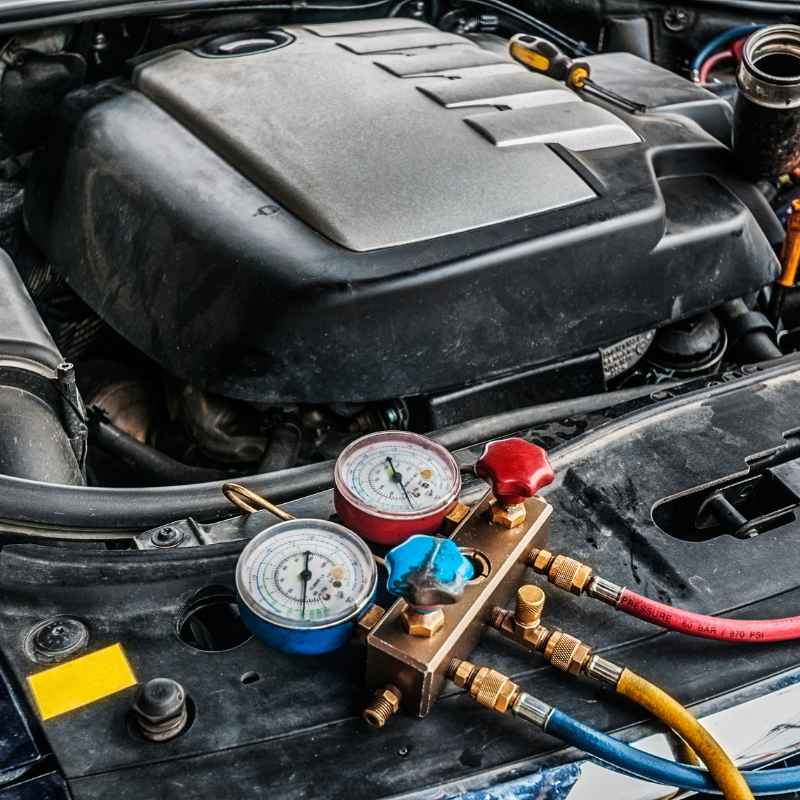
If you notice any of these signs, it’s time to see a qualified mechanic. They have the tools and expertise to find leaks, repair damaged components, and properly recharge your system. They can also ensure that the right amount of refrigerant is used.
Common Myths About Car AC Recharge
There are many ideas about car AC systems that aren’t quite right. Let’s tackle a few common ones you might hear.
Myth 1: “All cars use Freon.”
As we’ve covered, this is not true. Freon (R-12) is only for very old cars. Most cars use R-134a or R-1234yf. Using the wrong refrigerant can cause serious damage.
Myth 2: “If it’s not cold, just add more refrigerant.”
This sounds simple, but it’s often wrong. If your AC isn’t cold, it could be low on refrigerant due to a leak. But it could also be a problem with the compressor, a clogged expansion valve, or an electrical issue. Simply adding more refrigerant might not fix the actual problem. It could also lead to overcharging.
Myth 3: “AC recharge kits can fix any AC problem.”
These kits are for topping off a system that has lost a small amount of refrigerant. They are not designed to fix leaks, broken parts, or electrical faults. If your system has a significant problem, a kit won’t help.
AC Recharge Kit: What They CAN Do
Add Refrigerant: For systems that are slightly low on coolant.
Quick Fix: For a temporary boost in cooling before a professional repair.
Check Pressure: Most kits have a gauge to help prevent overcharging.
AC Recharge Kit: What They CAN’T Do
Fix Leaks: They don’t stop refrigerant from escaping.
Repair Parts: They won’t fix a broken compressor or clogged lines.
Diagnose Problems: They only address refrigerant levels.
Myth 4: “You can use any brand of refrigerant recharge kit.”
While many kits use standard refrigerants, the quality can vary. Also, some kits might contain additives that could potentially harm your system. It’s best to stick with reputable brands and ensure the refrigerant type is correct for your car.
The Importance of Environmental Responsibility
The move away from R-12 was driven by environmental concerns. Refrigerants, even the newer ones, can still have an impact if released into the atmosphere.
R-134a, while better for the ozone layer, is a greenhouse gas. R-1234yf is much better for the climate. It breaks down quickly in the atmosphere. This is why it’s the choice for most new vehicles.
When you get your AC serviced, especially if it’s at a professional shop, they will often recover any old refrigerant before adding new. This prevents it from escaping into the air. It’s a responsible practice that helps protect the environment.
What This Means for Your Car
If your car’s AC isn’t working, the first step is to identify the problem. Don’t just assume it needs a recharge.
When it’s Probably Normal
It’s normal for car AC systems to lose a small amount of refrigerant over time. This is why older cars might need a recharge every few years. If your car is still cooling reasonably well, and it’s just not as cold as it used to be, a DIY recharge with the correct refrigerant might be an option.
When to Worry
You should worry if:
Your AC suddenly stopped working.
You hear loud noises from the AC system.
You see oily spots around AC components.
The system is not blowing cold air at all, even after a recharge.
These are signs of a bigger issue that needs professional attention. Trying to fix these with a simple recharge kit will likely lead to frustration and further damage.
Quick Tips for AC Maintenance
Keeping your car’s AC in good shape is easier than you might think. Here are a few simple things you can do:
Run Your AC Regularly: Even in the winter, turn on your AC for a few minutes every week or two. This helps keep the seals lubricated and prevents them from drying out.
Check for Leaks: Keep an eye out for any oily residue around AC hoses or the compressor. This could indicate a refrigerant leak.
Listen for Strange Sounds: Pay attention to any unusual noises when you turn on your AC.
Get it Checked Professionally: Consider having your AC system inspected by a mechanic every couple of years, especially before the hot summer months. They can check for leaks and ensure the system is working efficiently.
Frequent Questions About Car AC and O’Reilly
Can O’Reilly Auto Parts recharge my car’s AC system for me?
O’Reilly Auto Parts sells DIY AC recharge kits, but they do not typically offer AC recharge services directly. You can purchase the kits and recharge your system yourself, or you can take your car to a professional mechanic for the service.
How do I know if my car needs R-134a or R-1234yf?
The best way to know is to check your car’s owner’s manual or look for a sticker under the hood or on the AC system components. It will specify the type of refrigerant used.
What happens if I put the wrong refrigerant in my car?
Putting the wrong refrigerant in your car can cause significant damage to the AC system. It can lead to component failure, such as damage to the compressor, and may require expensive repairs. It can also be dangerous.
Is it safe to use an AC leak sealant product?
AC leak sealants can sometimes work for very small leaks. However, they can also cause problems with AC system components, like the recovery machine used by mechanics. Many professional mechanics advise against using them.
It’s usually better to find and fix the leak directly.
How much refrigerant does a car AC system typically need?
The amount of refrigerant needed varies greatly by car make and model. Your owner’s manual or a sticker under the hood will usually specify the correct charge amount. Overcharging or undercharging can both cause poor performance and potential damage.
Can a low refrigerant level damage my AC compressor?
Yes, running an AC system with very low refrigerant levels can damage the compressor. The refrigerant not only cools the air but also lubricates the compressor. If there’s not enough refrigerant, the compressor can overheat and seize.
Final Thoughts
When it comes to your car’s air conditioning, understanding what your system needs is key. O’Reilly Auto Parts offers resources for DIY repairs, including refrigerant recharge kits. But remember, these kits are for adding refrigerant, not for fixing underlying problems like leaks. Always check your car’s specific requirements and consider professional help for complex issues. Keeping your AC cool and running smoothly means a more comfortable ride for everyone.
Products related to this article
Sponsored / affiliate links. As an Amazon Associate I earn from qualifying purchases. I may earn additional commission from eligible campaigns.