What Is a Car Dealer? A Simple Explanation
Figuring out What Is a Car Dealer? Simple Explanation can be a little tricky when you’re just starting. It’s common to feel lost because there are so many things to learn, like different types of dealers and how they work. But don’t worry! We’ll break it down step-by-step so you’ll easily grasp this topic. Get ready to explore everything about car dealers so you can easily understand their role in the car-buying process.
What Is a Car Dealer and What Do They Do?
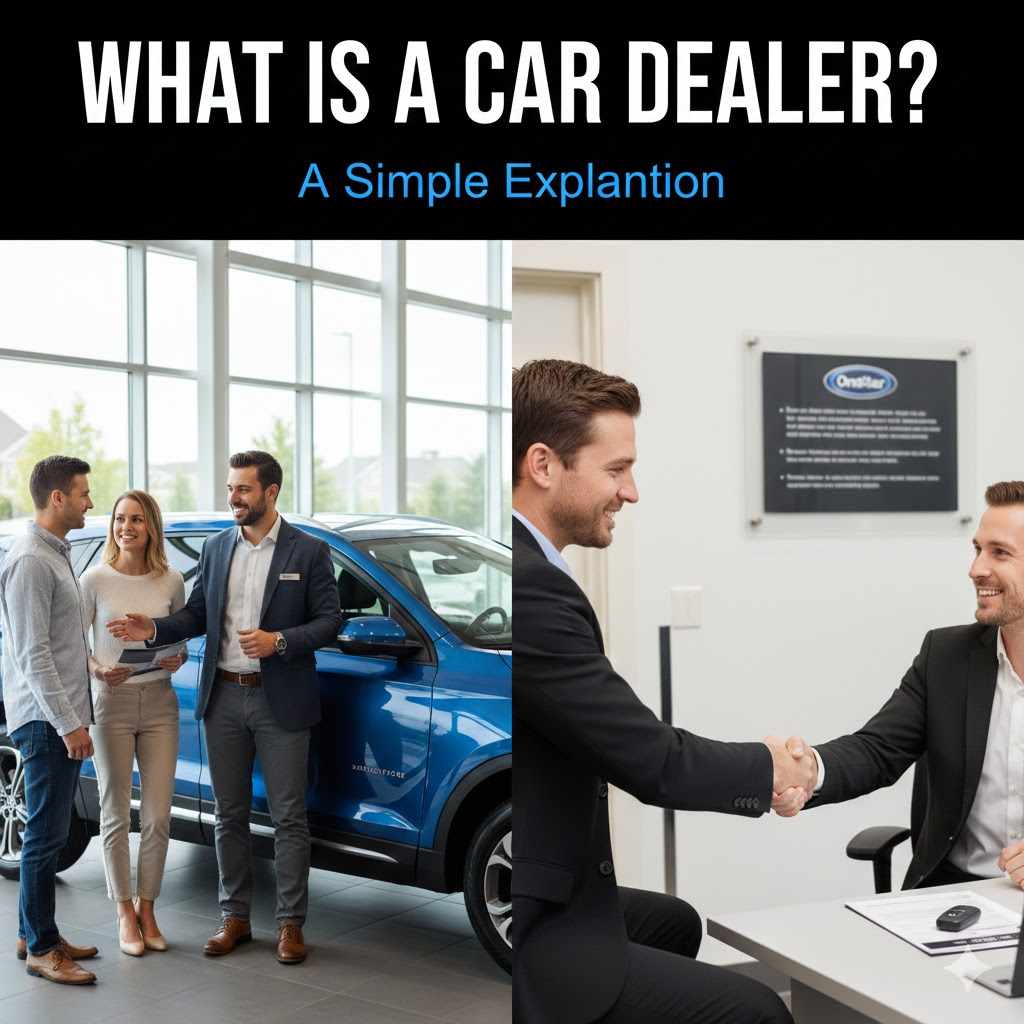
A car dealer is a business that buys and sells vehicles. Think of them as the middleman between the car manufacturer and you, the customer. They have a physical location, like a dealership lot, where you can see and test drive the cars. They also have staff who help you with everything from picking out the right car to sorting out the paperwork and financing. Dealers are very important because they give you access to a wide selection of cars, often with different options and features.
Types of Car Dealers
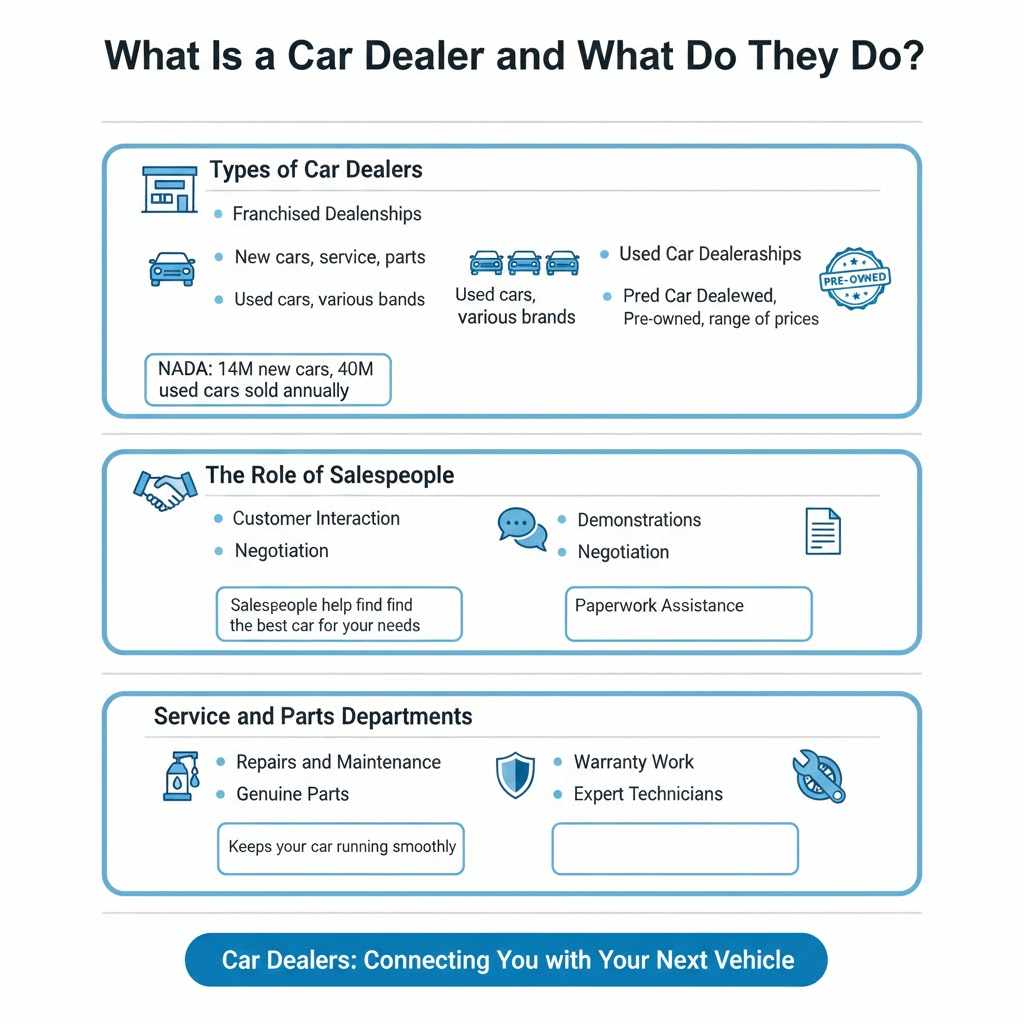
There are different kinds of car dealers. Some dealers sell brand-new cars directly from the manufacturer. These are often called franchised dealerships. They usually have a service department to repair and maintain the cars they sell. Other dealers specialize in used cars, buying and selling previously owned vehicles. These used car dealerships can offer a wider range of makes and models, and often different price points. Understanding these distinctions helps you know where to go based on your needs.
- Franchised Dealerships: These dealers have an agreement with a specific car manufacturer. They sell new cars, have a service department for repairs, and sell parts. Their inventory usually includes the manufacturer’s models.
- Independent Dealers: These dealers are not tied to a single manufacturer. They often sell used cars, but can sometimes offer new vehicles from various brands. Their inventory can vary widely, depending on the cars they acquire.
- Used Car Dealerships: These businesses focus on selling pre-owned vehicles. They can be independent or part of a larger chain. They offer a range of makes, models, and prices.
According to the National Automobile Dealers Association (NADA), in a recent year, new car sales accounted for approximately 14 million vehicles in the United States alone. Used car sales were even higher, with about 40 million units sold in the same time frame. This shows how crucial car dealers are to the automotive market.
The Role of Salespeople
Salespeople at car dealerships are there to assist you. They show you around the cars, answer your questions, and arrange test drives. They also negotiate the price and help with the paperwork. Building a good relationship with a salesperson can make the buying process easier. They have a deep knowledge of the cars they sell and can help you find the best vehicle for your needs and budget. A good salesperson is patient, informative, and focused on helping you.
- Customer Interaction: Salespeople interact with potential buyers, answering questions and providing information about different cars. They try to understand customer needs.
- Demonstrations: They provide test drives and showcase the features of various vehicles to help customers make informed choices.
- Negotiation: They work to agree on a price, which often involves bargaining and considering trade-ins.
- Paperwork Assistance: They guide customers through the necessary paperwork for purchasing a car, like financing and warranties.
Service and Parts Departments
Most car dealers have a service department and parts department. The service department handles repairs and maintenance for vehicles, while the parts department sells necessary components. These departments keep your car running smoothly long after you purchase it. Regular servicing ensures your car stays in great shape and retains its value. Dealers’ service departments are equipped with specialized tools and trained technicians who know your car inside and out.
- Repairs and Maintenance: The service department handles routine services, like oil changes and tire rotations, as well as more complex repairs.
- Genuine Parts: The parts department provides original equipment manufacturer (OEM) parts, designed specifically for your car’s make and model.
- Warranty Work: If your car is under warranty, the service department handles covered repairs, making sure you don’t have to pay out-of-pocket.
- Expert Technicians: Service departments employ certified technicians who are trained to work on specific car brands, ensuring high-quality work.
The Car Buying Process and How Dealers Fit In
Buying a car involves several steps, and car dealers are involved in each of them. From choosing a car to signing the final documents, they guide you through the process. Dealers can offer financing options, help with trade-ins, and handle all the paperwork. Knowing the steps makes the process less stressful. It allows you to make informed decisions and get the best deal for your needs. The process is a collaborative one, where the dealer assists you.
Researching Cars
Before you even step foot in a dealership, you should do some research. Decide what type of car you need, such as a sedan, SUV, or truck. Research different makes and models that fit your criteria, comparing features, prices, and reviews. This homework allows you to narrow down your choices and walk into the dealership with an idea of what you want and how much you’re willing to spend. Websites, car magazines, and online reviews are valuable resources for this step.
- Determine Needs: Figure out what you need your car for. Consider your daily commute, family size, and any special requirements, such as towing capabilities.
- Set a Budget: Know how much you can comfortably spend, including the car’s price, insurance, and other related expenses.
- Compare Models: Research different models, comparing features, fuel efficiency, safety ratings, and owner reviews.
- Online Resources: Use websites like Edmunds, Kelley Blue Book (KBB), and Consumer Reports to gather information, compare prices, and read reviews.
Visiting Dealerships
After researching, go to dealerships. Talk to salespeople, check out different cars, and ask questions. Take test drives to get a feel for the car’s performance and comfort. This is also when you can start to negotiate the price. Visiting multiple dealerships allows you to compare different offers and make the best decision. Don’t feel pressured to buy right away; take your time and make sure the car is right for you.
- Test Drives: Take each car you are interested in for a test drive to evaluate its handling, comfort, and features.
- Ask Questions: Inquire about warranties, maintenance schedules, and any extra fees.
- Negotiation: Negotiate the price of the car, including the value of your trade-in, if applicable.
- Inspect the Vehicle: Carefully examine the car for any damage, and ensure that all features function properly.
Negotiating and Financing
Negotiating the price is a key part of the car-buying process. Research the car’s market value beforehand so you know a fair price. Dealers often have some room to lower the price, so don’t be afraid to make an offer. You can also discuss financing options with the dealer or arrange your own financing from a bank or credit union. Compare interest rates and terms to get the best deal possible. Getting pre-approved for a loan can give you more bargaining power.
- Research Prices: Use online resources to find out the fair market value of the car you want.
- Make an Offer: Start by offering a price lower than the asking price and negotiate from there.
- Trade-In: If trading in your current car, negotiate the value separately from the new car’s price.
- Financing: Compare financing options from the dealer and other lenders. Consider the interest rate, loan term, and monthly payments.
According to a report by Experian, the average new car loan term has grown to nearly 70 months. This illustrates the importance of understanding the financing terms offered by the dealer.
Closing the Deal
When you’ve agreed on a price and financing, it’s time to close the deal. Review all the paperwork carefully, including the purchase agreement, financing documents, and warranty information. Make sure you understand all the terms and conditions. The dealer will guide you through the process, but don’t hesitate to ask questions. Once you’re happy with everything, sign the documents, and you’re the owner of a new car. Be sure to check what to expect with your car insurance.
- Review Documents: Carefully examine the purchase agreement, financing terms, and warranty information.
- Final Price: Make sure the final price matches what you agreed upon, including all taxes and fees.
- Sign the Papers: Once you are satisfied, sign all necessary documents.
- Receive the Keys: Get the keys and any manuals for your new car.
How to Get the Best Deal at a Dealership
Getting a great deal at a car dealership involves preparation and strategy. Researching the market value of the car you want is an important first step. Knowing the value helps you negotiate a fair price. Timing can also make a difference. Dealers may offer better deals at the end of the month, quarter, or year. Being prepared and patient can help you save money.
Research the Market Value
Before visiting a dealership, discover the fair market value of the car. Use online resources like Kelley Blue Book (KBB) or Edmunds to see what similar cars are selling for in your area. This information gives you a strong position when negotiating. Knowing the market value helps you avoid overpaying and allows you to make an informed offer. Comparing prices and knowing the car’s value makes the dealer’s offers more clear.
- KBB and Edmunds: Use these websites to find out the market value of the car, including its options and mileage.
- Check Local Listings: Look at car listings in your area to see what similar cars are selling for.
- Invoice Price: Consider finding the invoice price, which is the amount the dealer paid for the car.
Timing and Negotiation
The time of year, month, or even the day, can influence pricing. Dealers often want to meet their sales quotas at the end of the month or quarter, which means they might be more willing to negotiate. Be polite but firm when negotiating. Don’t be afraid to walk away if you don’t get the deal you want. This lets the dealer know you’re serious about getting a fair price. Negotiating the price separately from financing and trade-in can also be useful.
- End-of-Month Deals: Dealers often try to meet their sales goals at the end of the month, making them more willing to lower prices.
- Negotiate Separately: Negotiate the price of the car first, then discuss financing and your trade-in.
- Be Patient: Don’t rush. Take your time to get the best deal, and be ready to walk away if needed.
Financing and Trade-Ins
Getting pre-approved for financing before you go to the dealership can give you a better position. Dealers may offer their own financing options, but compare them to what you can get from a bank or credit union. If you’re trading in your current car, research its value beforehand. Separately negotiating the trade-in value from the new car’s price ensures you get the best deal. Being prepared and knowing your options can save money.
- Get Pre-Approved: Apply for financing from your bank or credit union before going to the dealership.
- Compare Rates: Compare financing options from the dealer and outside lenders to get the lowest interest rate.
- Trade-In Value: Research the value of your trade-in and negotiate that price separately from the price of the new car.
A recent study showed that about 40% of car buyers finance their vehicle purchases through the dealership. This highlights the importance of shopping around to find the best deal.
What Is a Car Dealer’s Role in Modern Sales?
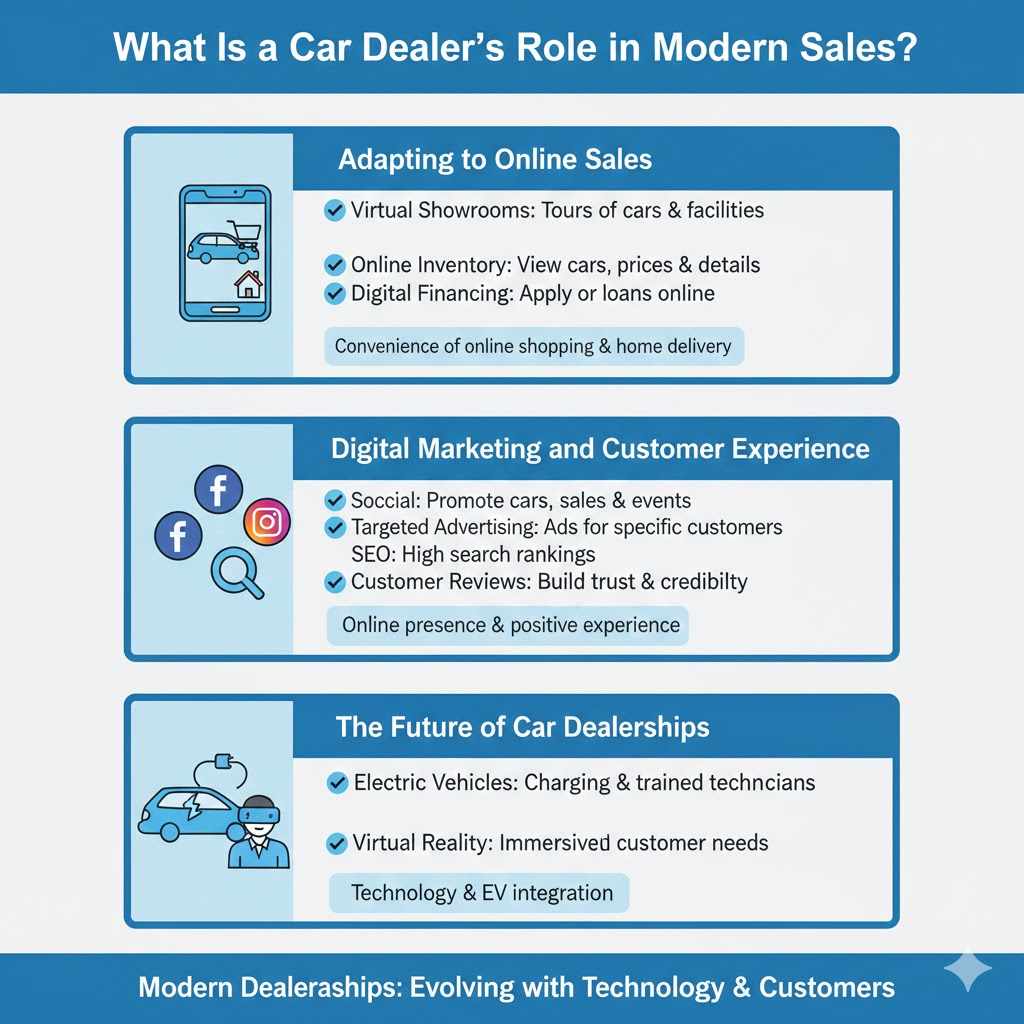
Car dealers continue to evolve with technological advancements. Online car shopping has become increasingly popular, with dealers adapting their business models to include online sales and virtual showrooms. They also use digital tools, such as online advertising and social media, to reach customers. Understanding these adaptations helps you get the best experience and the best price when buying a car.
Adapting to Online Sales
Car dealers have adjusted to the rise of online sales, offering ways to buy cars without having to visit a dealership in person. Many dealers now have websites where you can view inventory, get pricing information, and even complete the purchase process. This includes arranging financing and trade-ins. The convenience of online shopping attracts many buyers. Dealers also offer delivery services to complete the online transaction.
- Virtual Showrooms: Many dealerships now offer virtual tours of their cars and facilities.
- Online Inventory: You can view the available cars, their prices, and details on a dealership’s website.
- Digital Financing: Some dealers allow you to apply for financing online, simplifying the process.
- Home Delivery: Many dealers offer to deliver the car to your home after the purchase is complete.
Digital Marketing and Customer Experience
Dealers use digital marketing strategies to reach customers. This includes social media, online advertising, and search engine optimization (SEO). They often use targeted advertising to showcase specific models or special offers. Also, they have improved their customer service with online chat features and easy-to-use websites. Dealers strive to provide a positive experience, from the first online search to driving the car home. It’s becoming the standard in a very competitive market.
- Social Media: Dealers use platforms like Facebook and Instagram to promote their cars, sales, and events.
- Targeted Advertising: Dealers run digital ads that are targeted to specific customer groups.
- SEO: Dealers work to make their websites show up high in search results when people look for cars.
- Customer Reviews: Online reviews and testimonials are often used to build trust and credibility.
The Future of Car Dealerships
The future of car dealerships will likely include even greater use of technology. We will probably see more integration of electric vehicles (EVs) and hybrid vehicles, with specialized service departments and sales teams. They may also use virtual reality (VR) and augmented reality (AR) to enhance the car-buying experience. Dealerships are in a constant state of adjustment and refinement to provide the best possible service for customers in the future.
- Electric Vehicles: Dealerships will need to adjust to the increasing demand for EVs, including charging stations and trained technicians.
- Virtual Reality: Dealerships might use VR to offer immersive virtual test drives and car views.
- Data Analytics: Dealers may utilize data analytics to better understand customer needs and improve their services.
Frequently Asked Questions
Question: What is the main job of a car dealer?
Answer: A car dealer’s main job is to buy and sell vehicles, connecting car manufacturers with customers and providing a location for sales and services.
Question: How do I know if I’m getting a good deal at a car dealership?
Answer: Research the market value of the car before you go to the dealership. Compare prices from different dealers and negotiate firmly.
Question: What’s the difference between a franchised and an independent car dealer?
Answer: Franchised dealers sell new cars from a specific manufacturer, while independent dealers can sell new and used cars from various brands.
Question: Can I finance a car through a car dealer?
Answer: Yes, most car dealers offer financing options and can help you get a loan to buy a car.
Question: What are some important things to do before visiting a car dealer?
Answer: Research the cars you’re interested in, set a budget, and get pre-approved for financing.
Final Thoughts
So, What Is a Car Dealer? Simple Explanation: You’ve learned they are the link between car makers and buyers, providing places to buy, test, and get service for cars. They offer various types of cars, from brand new to pre-owned, and help with financing and paperwork. This detailed guide has gone over the buying process, ways to get the best deal, and how dealers are changing with technology.
The most important thing is to do your homework and go in prepared. By knowing what to expect and doing your research, you can confidently explore the car-buying process. Now you have a good base. Go explore car dealerships and find the car that suits you.