What Is a Car Dealer and Their Role in Vehicle Sales?
Figuring out What Is a Car Dealer and What Do They Do? can seem tricky at first. It involves many things, from buying cars to helping customers. Don’t worry, though! It’s simpler than you might think. This post breaks it down step by step, so you’ll easily understand what goes on at a car dealership. We’ll start with the basics, making it easy to see how dealers work, and what they provide.
The Basics of Vehicle Dealerships
Vehicle dealerships are businesses that sell new and used cars. They’re like shops, but instead of clothes or groceries, they offer vehicles. The role of these businesses is critical in getting cars from the factories where they are made to the people who want to drive them. They handle everything from choosing what vehicles to sell to helping customers finance their purchases and servicing those vehicles down the line. It’s a busy place with many moving parts, all aimed at making sure people can get the cars they need.
The Main Functions of Dealerships
Car dealerships have several core functions. First and foremost, they sell cars. This includes helping customers pick the right vehicle, arranging test drives, and negotiating prices. But it’s about much more than sales. Dealerships also provide financial services, helping customers secure loans. They have service departments that provide maintenance and repairs. They also handle the paperwork involved in vehicle ownership, like registration and warranty claims. Dealerships truly are a one-stop-shop for car buyers.
-
- Sales: The primary function is selling vehicles. This involves interacting with customers, understanding their needs, demonstrating vehicles, and closing deals.
Dealership salespeople guide customers through the car-buying process, from the first hello to handing over the keys. They showcase different models, explain features, and discuss options, all designed to make the sale process smooth and exciting. They negotiate prices, helping customers find a vehicle that fits their budget and needs.
-
- Financing: Dealerships often offer financing options. They help customers secure loans and arrange payment plans.
Financing is a key part of what dealerships offer. They work with banks and other lenders to get customers loans so they can afford a car. This means dealing with paperwork, checking credit scores, and explaining loan terms. It’s about making car ownership possible for many people.
-
- Service and Maintenance: Dealerships have service departments that provide maintenance and repair services.
The service department keeps cars running well. They offer regular check-ups, like oil changes and tire rotations. They also fix problems when they occur, from minor issues to more complex repairs. These departments use their specialized training and tools to care for vehicles.
-
- Parts: Dealerships stock and sell vehicle parts and accessories.
Many dealerships have parts departments that keep parts available for people to repair or improve their cars. If a customer needs a new air filter, a set of floor mats, or something more serious, the parts department is where they go. These components include everything from the smallest screw to larger assemblies.
The Sales Process: From Test Drive to Purchase
Buying a car involves several steps, from the first look at a car to driving it home. The sales process typically begins with a customer visiting a dealership and browsing the available vehicles. A salesperson will then assist the customer, answering questions, and providing information. If the customer likes a vehicle, they’ll usually take it for a test drive. Following the test drive, the salesperson and customer negotiate the price. Finally, if an agreement is reached, the customer signs the paperwork and drives away with their new car. This can take anywhere from an hour to multiple days, depending on how specific the customer’s needs and wants are.
-
- Initial Contact: The customer enters the dealership and is greeted by a salesperson or begins by browsing the vehicles on the lot.
The initial interaction can vary. It could start with a friendly greeting from a salesperson, or the customer might prefer to explore the lot independently at first. Either way, the dealership’s goal is to make the customer feel welcome and comfortable.
-
- Needs Assessment: The salesperson asks questions to figure out the customer’s requirements and preferences.
Understanding the customer’s needs is key. The salesperson will ask about things like budget, what they will be using the car for, features they need, and any preferences. This helps to recommend the right vehicles.
-
- Vehicle Selection: The salesperson shows the customer vehicles that match their needs and preferences.
Based on the conversation, the salesperson will show the customer cars that meet their needs. This might include a few different models or trims, explaining the features and differences of each.
-
- Test Drive: The customer takes the car for a test drive to experience how it feels and performs.
The test drive gives the customer a chance to drive the car and see how they like it. The salesperson will often go with the customer to answer questions and point out features.
-
- Negotiation: The salesperson and customer agree on a price, potentially including trade-in and financing options.
Once the customer likes a car, the salesperson and customer negotiate the price. This may involve trading in an old car and sorting out how the car will be paid for. The goal is to reach a price both parties are happy with.
-
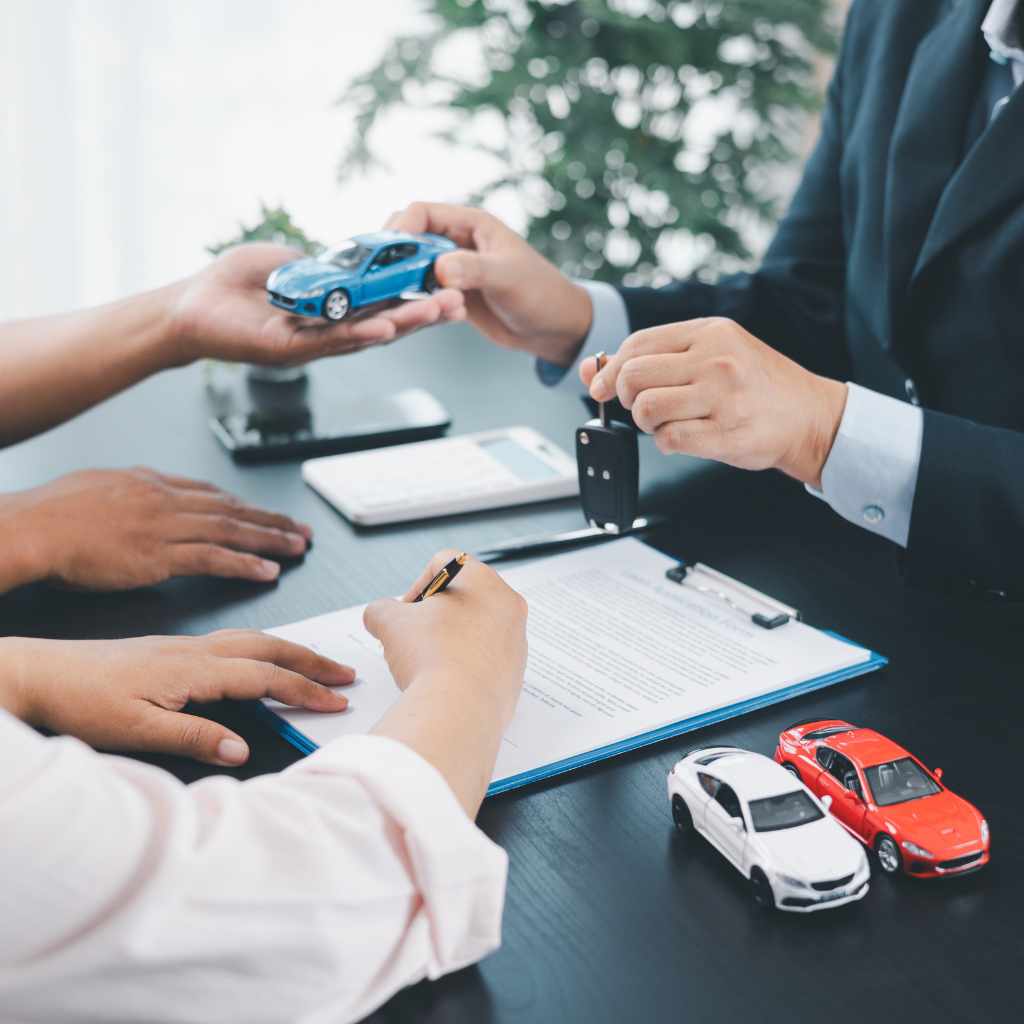
- Paperwork and Delivery: The customer signs the necessary paperwork and takes possession of the vehicle.
After the price is agreed upon, the customer signs all the necessary documents to finalize the purchase. This includes loan documents if they’re financing, warranty information, and vehicle registration. Finally, the customer drives away in their new car.

How Vehicle Dealers Earn Money
Dealerships make money in several ways. The most obvious is through the sale of vehicles. When a customer buys a car, the dealership makes a profit on the sale. They also make money from the financing process, where they sometimes receive a commission for securing loans for customers. The service department and the parts department are also significant revenue generators. Customers are charged for maintenance, repairs, and the sale of vehicle parts.
Profit from Car Sales
The core of a dealership’s business is the sale of vehicles, both new and used. Dealerships buy cars from manufacturers or trade-in from customers, then sell them at a higher price to make a profit. Profit margins vary depending on the type of vehicle, market demand, and the dealership’s negotiation skills. The goal is to sell as many cars as possible while ensuring each sale contributes to the bottom line. It’s a delicate balance that depends on customer satisfaction and the ability to close deals.
-
- Markup on New Cars: The difference between what the dealership pays for a car and what they sell it for is their profit.
Dealerships get new vehicles from the manufacturer at a wholesale price. They then sell these cars at a retail price, which includes the manufacturer’s suggested retail price (MSRP) and any added costs. The amount they make depends on how well they can negotiate and any add-ons they include.
-
- Profit from Used Cars: Dealerships buy used cars and sell them for a higher price, with the difference being the profit.
Used cars are an important part of a dealership’s revenue. They often acquire these vehicles through customer trade-ins or at auctions. Dealerships fix any problems with the car, clean it up, and then set a price based on condition, mileage, and market value. The profit depends on how well they assess the car’s value and their ability to sell it quickly.
-
- Incentives and Rebates: Dealerships may receive incentives and rebates from manufacturers, which increase profits.
Manufacturers offer incentives to dealerships, which can include bonuses for hitting sales targets or helping to clear out a certain type of vehicle. These incentives help the dealership increase profits on sales. Rebates and discounts offered to customers often make sales more attractive.
Revenue from Service and Parts
In addition to car sales, service and parts departments play a vital role in a dealership’s financial health. The service department provides routine maintenance, repairs, and other services. The parts department supplies the necessary components to get those jobs done. Both departments create a steady stream of income and help build customer loyalty, as people are more likely to return for service and parts. Dealerships earn more money when they can keep vehicles running smoothly.
-
- Service Revenue: Income from maintenance, repairs, and other services.
The service department provides everything from routine oil changes to major engine repairs. The dealership charges customers for labor and parts, adding to the overall revenue. Regular service helps maintain the vehicle, while repairs deal with unexpected issues.
-
- Parts Sales: Revenue from selling parts and accessories.
The parts department sells a variety of components, from oil filters and brake pads to tires and other accessories. Customers can purchase parts for repairs or modifications, which creates a profit margin. They also keep the service department running smoothly by stocking the parts needed for repairs.
-
- Warranty Work: Revenue from performing warranty repairs.
When vehicles are under warranty, the dealership gets paid by the manufacturer to perform repairs covered by the warranty. This is a crucial way to keep revenue coming in and ensure customer loyalty. This also increases traffic to the service department.
Financing and Other Income Sources
Besides vehicle sales, service, and parts, dealerships get money from financing options and other offerings. They often make money by assisting customers in obtaining loans from banks or other lending institutions. They also may offer products such as extended warranties and vehicle protection plans. These additional services contribute to the dealership’s overall profitability. Every element helps to create a comprehensive business model.
-
- Financing Commissions: Dealerships can earn commissions from helping customers get vehicle loans.
Dealerships work with banks and other lenders to give customers loan options. They can get commissions for securing the loans for customers. This adds extra income on top of the car’s sale.
-
- Extended Warranties and Protection Plans: Additional income is generated by selling extended warranties and vehicle protection plans.
Customers can purchase products to protect their car and cover unexpected issues. Dealerships earn commissions on these protection plans. These plans offer an additional revenue stream.
-
- Trade-In Value: Dealerships can profit from the difference between the trade-in value and the eventual selling price.
Customers will sometimes trade in their existing car when purchasing a new one. Dealerships then sell these vehicles. If the dealership sells the car for more than its trade-in value, they make a profit, adding to the bottom line.
Types of Car Dealerships
There are different types of car dealerships. These include franchise dealerships, independent dealerships, and used-car dealerships. Each kind of dealership operates differently, but all are dedicated to selling cars. The dealership type determines how the business is run, what types of vehicles they sell, and how they interact with customers. Understanding the different kinds of dealerships helps customers to know where to shop.
Franchise Dealerships
Franchise dealerships are the most common type. They are authorized by a vehicle manufacturer, like Ford or Honda, to sell their vehicles. These dealerships must follow the manufacturer’s standards for sales, service, and customer service. They usually sell new cars, along with certified pre-owned vehicles. They also have a service department for maintenance and repairs. Franchise dealerships often offer a wide selection of models and brands, providing a good choice for customers.
-
- Manufacturer Authorization: They are authorized by a specific vehicle manufacturer.
Franchise dealerships must have an agreement with a car manufacturer like Ford, Toyota, or General Motors. They get the right to sell the manufacturer’s vehicles and use the brand name.
-
- New and Certified Pre-Owned (CPO) Sales: These dealerships primarily sell new vehicles and certified pre-owned cars.
They offer the newest models and also provide used cars that meet the manufacturer’s requirements. This gives buyers a mix of options, balancing budget and needs.
-
- Service and Parts Departments: Franchise dealerships must provide service and parts departments for maintenance and repairs.
They have specialized technicians, tools, and parts to service the vehicles they sell. This ensures customers can maintain their cars. This also builds customer relationships.
Independent Dealerships
Independent dealerships are not tied to a specific manufacturer. They can sell cars from multiple brands and sources. They usually focus on used vehicles. They have the flexibility to offer a diverse range of cars at different price points. Since they’re not bound by franchise agreements, they can respond quickly to market trends. They offer options to customers, but often lack some of the resources of franchise dealerships, like manufacturer-backed service departments.
-
- Multi-Brand Sales: Independent dealerships can sell cars from many different manufacturers.
Unlike franchise dealerships, they aren’t limited to a single brand. This means customers can compare different makes and models in one place. This makes it easier for consumers to shop around.
-
- Focus on Used Cars: Independent dealerships typically specialize in selling used vehicles.
While they can sell new cars, used cars are their main focus. They often have a wide selection of used cars to choose from, often at varying price points.
-
- Flexible Sourcing: They can source cars from various channels, including auctions and trade-ins.
They can acquire cars from several places, including auctions and trade-ins. This gives them control over what cars they offer to customers and allows them to adjust their inventory based on market demand.
Specialty Dealerships
Specialty dealerships are designed to focus on particular types of vehicles. They might deal with luxury vehicles, such as those from brands like Mercedes-Benz or BMW. They could concentrate on trucks and SUVs, or even focus on electric vehicles. These dealerships cater to customers with specific needs. Their focus can make them better able to serve the distinct needs of each buyer.
-
- Luxury Vehicles: Specializing in high-end brands like Mercedes-Benz, BMW, or Lexus.
These dealerships concentrate on selling luxury cars. They provide tailored service to match the high-end vehicles. They have a specific clientele.
-
- Trucks and SUVs: Focusing on larger vehicles like trucks and SUVs.
Some dealerships only sell trucks and SUVs. This kind of dealership has models for customers who want space, power, or capabilities.
-
- Electric Vehicles (EVs): Dealerships that sell primarily electric cars.
With EVs becoming more common, some dealerships focus on electric vehicles. They supply customers with expert knowledge about electric cars and support the unique needs of EV owners.
The Role of Dealership Employees
Dealerships are staffed by people with different jobs, each playing an important role in the business. From salespeople who interact with customers to mechanics who service vehicles, every employee contributes to the dealership’s overall success. A good team creates a pleasant experience for customers and keeps the business running efficiently. Each role has specific responsibilities and expertise, working together to achieve the dealership’s goals. The people who make up the car dealership are key to it functioning properly.
Sales Team Members
The sales team is the front line, responsible for interacting with customers, understanding their needs, and selling vehicles. The team is made up of salespeople, sales managers, and finance managers. These employees guide customers through the sales process, from the first contact to finalizing the purchase. They need good communication skills and a strong knowledge of vehicles. These roles are critical for driving sales and creating customer relationships.
-
- Salesperson: Interacts with customers, demonstrates vehicles, and closes sales.
The salesperson is the main point of contact for a customer. They explain the features of the car, do test drives, and help with negotiations. Their success depends on product knowledge and the ability to work with people.
-
- Sales Manager: Supervises the sales team and oversees sales operations.
The sales manager guides the sales team, manages sales processes, and ensures that sales goals are achieved. This role often involves setting sales targets, training, and providing feedback to the sales team.
-
- Finance Manager: Assists customers with financing options and manages the financing process.
The finance manager helps customers with financing. They explain loan terms, negotiate rates, and arrange paperwork. Their role is about helping customers secure financing and managing the financial aspects of car sales.
Service and Parts Department Staff
The service and parts departments are where vehicles are maintained and repaired. The staff in these departments includes service advisors, mechanics, and parts specialists. These employees keep cars running well, ensuring that the dealership’s reputation stays high. They need a deep knowledge of vehicles and excellent technical skills. Their performance is crucial in providing excellent customer service.
-
- Service Advisor: Greets customers, schedules service appointments, and explains repair needs.
Service advisors are the main point of contact for service customers. They schedule appointments, explain what work is needed, and keep customers informed. They help keep the service process smooth.
-
- Mechanic: Performs maintenance and repairs on vehicles.
Mechanics work on the vehicles, carrying out routine maintenance and fixing problems. They must have good technical skills, often specializing in certain brands or types of repair. They are critical to the service department’s function.
-
- Parts Specialist: Orders, stocks, and sells vehicle parts and accessories.
Parts specialists ensure the service department and customers have the parts needed. They order and stock parts. They also provide customers with the right accessories and parts for their vehicles.
Management and Administrative Staff
Management and administrative staff keep the dealership running smoothly. They handle various tasks, from overseeing daily operations to managing finances. They include general managers, office staff, and marketing personnel. These employees support the other departments and ensure that the dealership runs efficiently. Their contributions are essential in maintaining the organization of the business and ensuring everything works well.
-
- General Manager: Oversees all aspects of the dealership’s operations.
The general manager is in charge of the entire dealership. They coordinate all the different departments, from sales to service. They set goals, manage budgets, and make sure everything runs smoothly. They are key to the dealership’s success.
-
- Office Staff: Handles administrative tasks, such as paperwork and customer records.
The office staff performs administrative work. This includes managing paperwork, handling customer records, and supporting all departments. Their accuracy and efficiency are crucial for the business.
-
- Marketing Personnel: Creates marketing strategies and promotes the dealership’s brand.
The marketing personnel promote the dealership. They develop advertisements and promotions. They work to bring in customers and build the dealership’s brand.
The Future of Car Dealerships
Car dealerships face change in the industry. Innovations like electric vehicles (EVs) and online sales have affected how dealers operate. Dealerships must adapt to these new trends to stay relevant and to meet the needs of customers. They’re changing how they operate to keep up with developments in the auto industry.
Adapting to Technological Advancements
Technology plays a huge role in the car business. Dealerships have integrated online sales platforms, where customers can research cars and even complete purchases from home. They utilize digital marketing to reach potential customers online. Also, dealerships use advanced diagnostic tools in their service departments. All of these advancements show that adapting to these tech changes is essential. Dealerships that do so are better placed to compete and provide modern service to consumers.
-
- Online Sales Platforms: Many dealerships now offer online sales platforms.
Customers can view cars, get quotes, and sometimes complete a purchase online. This provides people with convenience and expands the dealership’s reach.
-
- Digital Marketing: Dealerships increasingly use digital marketing to reach customers.
They use social media, search engine optimization (SEO), and targeted ads. The goal is to get their vehicles in front of potential buyers. This strategy helps them engage more people and bring them into the dealership.
-
- Advanced Diagnostic Tools: Service departments utilize cutting-edge diagnostic tools.
Modern vehicles have many computerized systems, so dealerships now use tech to diagnose issues quickly. This helps mechanics to perform repairs more efficiently and accurately.
The Rise of Electric Vehicles (EVs)
Electric vehicles are transforming the car industry. Dealerships are preparing by investing in EV charging stations and providing service for electric cars. They are retraining their technicians to handle EVs. The rise of EVs demands adjustments, from charging infrastructure to service. Dealerships are changing to address the specific needs of EV owners.
-
- EV Charging Stations: Many dealerships are installing EV charging stations.
As EVs become more common, dealerships offer charging stations for customers. This shows that the dealership can assist with all parts of EV ownership.
-
- EV Service and Maintenance: Technicians are being trained to service and maintain EVs.
EVs have different maintenance needs compared to gasoline-powered cars. Dealerships are educating their staff. This assures owners that they can take their electric cars for service.
-
- EV Sales and Promotion: Dealerships are focusing on marketing and selling EVs.
They educate potential buyers about the advantages of EVs, such as fuel savings and environmental benefits. They show people the appeal of owning an EV.
Changes in Customer Expectations
Customers now expect more convenience, transparency, and a personalized experience. Dealerships respond by providing online tools, such as virtual tours and online appointment scheduling. They focus on customer service to build trust and loyalty. Meeting customer expectations means adapting to the changing wants and needs of people.
-
- Enhanced Customer Service: Customer service becomes a main focus.
Dealerships now put a greater emphasis on providing a positive customer experience. This can include flexible hours, personalized service, and a friendly atmosphere. The goal is to build relationships.
-
- Online Tools and Resources: Dealerships offer tools such as virtual tours and online booking.
Online tools make shopping and service easier. Customers can now browse cars remotely, get quotes, and schedule service. These features improve convenience.
-
- Transparency and Trust: Dealerships try to boost transparency to build customer trust.
They clearly show prices, and offer clear information about vehicle history and financing options. Customers want a smooth and open purchasing experience.

Frequently Asked Questions
Question: What’s the main function of a car dealership?
Answer: The primary role is selling new and used vehicles to the public, providing financing options, and offering service and parts.
Question: What do salespersons do at a dealership?
Answer: They interact with customers, explain vehicle features, arrange test drives, and help customers close the sale.
Question: How do dealerships make money?
Answer: Dealerships earn revenue from vehicle sales, service and repair work, and the sale of vehicle parts.
Question: What’s the difference between a franchise dealership and an independent dealership?
Answer: Franchise dealerships sell specific brands authorized by a manufacturer, while independent dealerships can sell cars from various brands.
Question: What are some of the changes car dealerships are facing right now?
Answer: Dealerships are dealing with the rise of electric vehicles, the growth of online sales, and changing customer expectations.
Final Thoughts
In short, a car dealership is a busy place, filled with people helping customers get the vehicles they need. What Is a Car Dealer and What Do They Do? is a question that’s easy to answer once you know the basics. Dealerships sell cars, provide services, and help customers find financing. They earn money through vehicle sales, the service department, and from the parts department. They come in various types, such as franchise and independent dealerships, each with their own set of goals. The people who work there, from sales staff to mechanics, are vital for the dealership to function. The auto industry is changing, and dealerships have to keep up with new technology, electric vehicles, and what customers want. If you’re considering buying a car, take your time, ask questions, and explore what dealerships have to offer. That way, you’ll be able to find the right vehicle for your needs.