Best Dashboard Sprays for a Spotless Interior: We Compared
The best dashboard cleaning sprays are pH-balanced, low-residue formulas matched to the job: a true cleaner for dust and grime, and a protectant when you want UV defense or a different finish. For matte interiors, pick an OEM-style interior detailer; for screens, use an alcohol-free cleaner. Wrong chemistry can leave glare, film, or brittle plastics that clean poorly and age faster. This guide matches spray type and finish to dust, UV protection, touchscreen safety, and factory-matte dashboards.
Quick comparison
| Product | Badge | Best for | Price | ||
|---|---|---|---|---|---|
 |
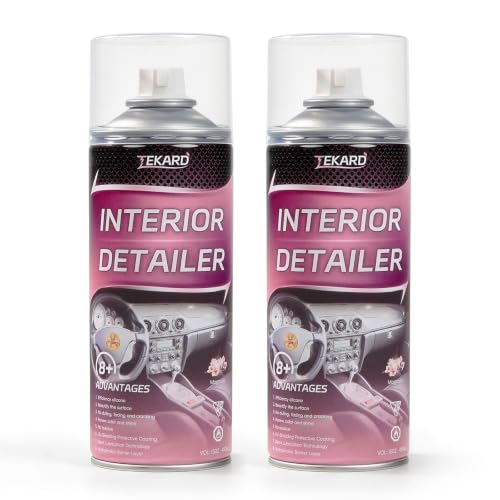
TEKARD Fine-Mist Interior Detailer Spray, Car InteriorTEKARD | Our pick | 30 oz total · Fine mist · Magnolia | $25.90
Price as of 22 Oct 2026
|
View |
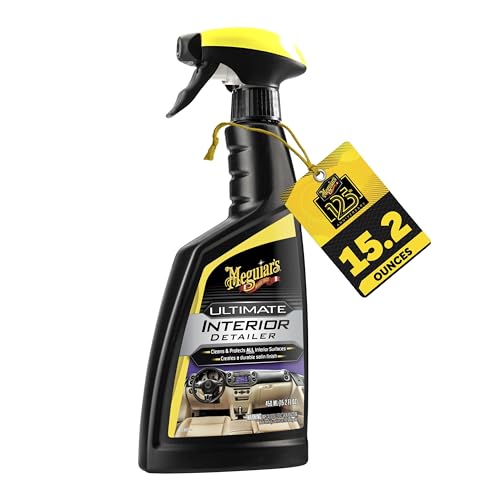 |
Meguiar’s Ultimate Interior Detailer Spray, 15.2 Oz |Meguiar’s | Also great | 15.2 oz · Satin · UV protection | $8.00
Price as of 22 Oct 2026
|
View |
 |
303 Automotive Protectant for Vinyl, Plastic & Rubber, 16303 Products | Budget pick | 16 oz · Matte · UV protection | $17.03
Price as of 22 Oct 2026
|
View |
 |
SEM 13003 Flexible High Gloss Clear Interior Vinyl &SEM | Upgrade pick | Aerosol · High gloss · Refinish | $26.19
Price as of 22 Oct 2026
|
View |
 |
Chemical Guys, Natural Shine Satin Dressing, Plastic,Chemical Guys | Also great | 16 oz · Satin · Low gloss | $10.99
Price as of 22 Oct 2026
|
View |
Use the table to sort cleaners from protectants before you buy. That is where most mistakes happen.
A cleaner removes dirt and old dressing. A protectant leaves a film behind, which can be matte, satin, medium shine, or deep gloss depending on the formula.
How we chose
We compared published product details, compatibility claims, finish descriptions, and the failure cases shoppers actually care about: streaks, gloss buildup, dust attraction, and haze on screens.
Priority went to products that clearly state what they are for, what surfaces they fit, and what finish they leave behind. We also looked for reapplication guidance, because UV protection and dust resistance fade at different rates in hot, parked-outside vehicles.
When a formula is meant for multiple surfaces, that only helps if the surface list is specific. Vague “safe for everything” claims do not help on piano black trim, touchscreens, or factory-matte dashboards.
Chemical Guys InnerClean: best for fast dust removal
Chemical Guys InnerClean is the best fit when the main issue is everyday dust on dashboards, plastics, and vinyl, and you want a low-key factory look rather than a shiny finish. The manufacturer describes it as a fast, pineapple-scented dust repellent with a non-greasy finish.
That makes it a strong match for daily drivers that pick up a light film quickly. It also works well if you want the cabin to feel refreshed without adding a slick layer that can catch glare in daylight.
The drawback is simple: it is aimed at dust control and appearance, not at heavy UV defense or a protective film that lasts longer in harsh sun. If your dashboard sits in direct exposure every day, a dedicated protectant is the safer choice.
CERAKOTE Rapid Ceramic Interior Detailer: best for dry-to-the-touch protection
CERAKOTE Rapid Ceramic Interior Detailer is the right choice when you want a cleaner-protectant blend that feels dry after application. It is positioned as a dry-to-the-touch interior cleaner and protectant, with spray-and-wipe use and UV protection.
That combination suits drivers who want some defense against fading without a greasy dashboard. It also makes sense on newer interiors where you want a low-transfer finish on high-contact areas.
The tradeoff is that ceramic-style interior products usually sit closer to a protectant than a deep cleaner. If the dash already has built-up dust or old dressing, you may need a separate cleaner first.
303 Products Interior Cleaner: best for screens and residue-free cleaning
303 Products Interior Cleaner is the safest all-around cleaner in this group for modern cabins with screens. It is described as residue-free and streak-free, and it is said to be safe for touch screens and LCDs, as well as vinyl, plastic, leather, rubber, and glass.
That makes it a smart pick for a family SUV or work truck with a big center display, piano black trim, and a dashboard that needs a plain-clean finish. It is also the best fit when haze on a display is the main complaint, because low residue matters more than added gloss.
The drawback is that it is a cleaner first, not a protectant first. If you want UV defense after cleaning, you still need a second step.
SHINE ARMOR Car Interior Cleaner: best for dust resistance and odor control
SHINE ARMOR Car Interior Cleaner is positioned around nanotechnology, dust resistance, odor control, and UV protection. That makes it a sensible pick for a vehicle that gets frequent light dusting and needs a fresher cabin feel between deeper details.
It is best for drivers who want one spray to cover cleanup and upkeep without pushing shine too far. The UV angle also helps if the vehicle is parked outside often.
The downside is that this type of all-in-one formula can be harder to predict on finish than a dedicated matte protectant. If you are chasing a factory-flat look, read the finish claims carefully before buying.
P & S Swift Clean & Shine: best for an easy satin finish
P & S Swift Clean & Shine is the pick for someone who wants a simple clean-and-protect step with a satin result. It leaves a satin finish and is meant for leather, vinyl, and plastic.
That puts it in the middle ground between matte and gloss. It works well for drivers who want a cleaner look than bare plastic, but not the wet look that can make a dash seem oily.
The limitation is the same one that helps it sell: satin is not matte. If you want a true OEM-style low-glare finish, you may prefer a flatter product.
303 Automotive Protectant Spray: best for matte UV protection
303 Automotive Protectant Spray is the clearest match for a factory-matte dashboard finish. It is described as having UV protection and a matte finish, with reapplication every 3–5 weeks, which makes it one of the most useful options for parked-outside vehicles.
This is the product to consider if your priority is low glare, dust and staining resistance, and protection that does not turn the dash shiny. It works especially well for drivers who hate the greasy look some protectants leave behind.
The drawback is that it is a protectant, not a deep cleaner. If the dash is already dusty or coated with old residue, clean it first and then apply this layer.
Meguiar’s Ultimate Protectant: best for a deep, rich shine
Meguiar’s Ultimate Protectant is the better pick when you want a richer, darker look rather than a matte one. It includes UV clear coat technology and is sold for interior and exterior use, which helps explain its more polished finish.
That makes it a fit for showier interiors, older trim that looks dull, or drivers who prefer a dressed appearance over a plain factory look. It is also a reasonable choice when you want one product that can move between cabin plastics and exterior trim.
The honest drawback is the finish itself. If you are sensitive to glare, or if your dashboard has a large windshield exposure area, this is usually too shiny for the job.
Armor All Protectant Wipes: best for quick wipe-downs
Armor All Protectant Wipes are the convenience pick. The wipe format makes them useful for quick maintenance, and they are described as offering UVA/UVB protection with a medium shine.
They are a decent glovebox option for fast touch-ups on dashboards, consoles, and trim when you do not want to spray and buff. That convenience matters in work trucks, rideshare vehicles, and busy family cars.
The drawback is control. Wipes are less precise than a spray, so it is easier to over-apply product on piano black trim or near displays and end up with streaks or haze.
Dashboard cleaner vs. protectant
A dashboard cleaner removes dirt, dust, body oils, and old residue. A protectant leaves a film that can help with UV defense, dust resistance, and the final look, but it should not be mistaken for a true cleaner.
That difference matters because many buyers choose the wrong product for the problem. If the dashboard is simply dirty, use a cleaner first. If the surface is already clean and you want UV defense or a finish change, use a protectant second.
What a cleaner removes
A cleaner is for loose dust, light grime, fingerprints, and built-up film. 303 Products Interior Cleaner fits this role best in the group because it is described as residue-free and streak-free, including on touch screens and LCDs.
What a protectant leaves behind
A protectant leaves a finish and a protective layer. 303 Automotive Protectant Spray is the clearest matte example; Meguiar’s Ultimate Protectant moves toward a deep, richer shine; Armor All Protectant Wipes land in the middle with medium shine.
When to use both in one routine
Use both when the dash is dirty and exposed to sun. Clean first, let the surface dry, then apply the protectant lightly. That sequence reduces smearing and helps prevent the greasy feel that happens when dressing goes over existing dust.
Dashboard cleaner decision matrix
This matrix maps the most common interior problems to the right spray type, finish, and caution points. It is the fastest way to avoid buying a glossy protectant when you needed a cleaner, or a screen-safe cleaner when you needed UV defense.
| Interior problem | Right spray type | Expected finish | Compatibility warning | Reapplication interval | What can go wrong |
|---|---|---|---|---|---|
| Dust on a daily driver dash | True cleaner or dust-repellent cleaner | Matte to low-sheen | Check piano black trim for streaking | As needed, often weekly in dusty use | Greasy residue can attract more dust |
| Direct sun and parking outside | Protectant with UV defense | Matte, satin, or medium shine | Do not overapply near screens and gauges | Every 3–5 weeks in harsh exposure | Gloss buildup and film on high-touch areas |
| Touchscreens and LCDs | Screen-safe cleaner | Clear, residue-free | Avoid oily protectants on display surfaces | Whenever haze or fingerprints return | Touchscreen haze and smear marks |
| Factory-matte look | Matte cleaner or matte protectant | Flat, low-glare | Test on hidden trim before wide use | About monthly, sooner in heat | Shiny spots, uneven sheen, streaking |
| Gloss goal for show use | Rich protectant | Medium to deep shine | Not ideal for touchscreens or bright sun | When shine drops or dust grabs | Windshield glare and slippery-looking trim |
Suppose a family SUV has a center display, piano black trim, and a sun-baked dashboard. A residue-free cleaner should handle the screen, then a matte protectant can go on the dash only. Using one glossy spray on everything is how haze and glare start.
A common first-timer mistake is wiping a protectant across the whole cabin because the bottle says “interior.” That can leave streaks on piano black trim and a cloudy film on touch surfaces, especially if the dash has been parked in heat.
Which dashboard cleaner is safe on touchscreens and screens?
303 Products Interior Cleaner is the safest call here because it is specifically described as safe for touch screens and LCDs, while also being residue-free and streak-free. That combination matters more than shine, because screens punish any leftover film very quickly.
Use a light mist on a microfiber cloth, not a direct soak on the display. Keep protectants away from the screen unless the product specifically says it is safe there, and even then, use only the smallest amount needed.
Products with the safest compatibility notes
303 Products Interior Cleaner is the clearest screen-safe option from the group. Meguiar’s Ultimate Interior Detailer Spray is also described as safe on screens and navigation, with a non-greasy satin finish.
Surfaces to avoid or test first
Piano black trim, glossy infotainment bezels, and some coated displays should be treated cautiously. Any formula that leaves shine should be tested in a hidden spot first, because that is where streaks and haze are easiest to spot later.
How to prevent haze on displays
Put product on the cloth, not directly on the panel. Wipe in one direction, then buff lightly with a dry cloth if needed. If haze remains, the formula is too heavy for the screen and should stay off display glass.
How often should you reapply dashboard protectant spray?
Reapplication depends on heat, sun exposure, and parking habits. In a hot climate or for a car parked outdoors every day, protectant may need refreshment every 3–5 weeks. Garage-kept vehicles can usually go longer, especially if the cabin stays out of direct UV exposure.
303 Automotive Protectant Spray gives the clearest published cadence in this group, at 3–5 weeks. Other protectants should be refreshed when the finish stops looking even, the dash feels dry again, or dust seems to cling more than before.
Short interval use in hot climates
In summer heat or high-UV regions, the protective film breaks down faster. If the dash lives under a windshield every day, reapply sooner rather than waiting for the surface to look faded or chalky.
Typical cadence for garage-kept vehicles
Garage-kept vehicles can usually stretch the interval. A monthly or slightly longer schedule is common for protectants, provided the surface still looks even and does not feel dry or dusty.
Signs that the coating has worn off
Watch for patchy sheen, faster dust buildup, and the return of a dry, untreated look. If fingerprints start sticking more easily or the dash looks uneven in sunlight, the coating has likely thinned out.
Which one should you buy?
If you want a factory-like finish, start with 303 Automotive Protectant Spray. It is the clearest matte option here, and it pairs well with a separate cleaner for the actual dirt-removal step.
If you want UV defense with a softer satin look, P & S Swift Clean & Shine is the simpler all-in-one route. If you want the safest screen-focused cleaner, pick 303 Products Interior Cleaner.
If convenience matters most, Armor All Protectant Wipes are the fastest grab-and-go choice. If you want a deeper shine, Meguiar’s Ultimate Protectant is the glossier pick, but it is not the best fit for a low-glare dashboard.
A good rule is simple: choose by surface and finish, not by the word “interior” on the label.
Frequently asked questions
What is the best dashboard cleaning spray for a matte finish?
For a matte finish, 303 Automotive Protectant Spray is the strongest match because it is described as matte and UV protective. If the goal is cleaning with little to no added sheen, 303 Products Interior Cleaner is the safer first step, then you can decide whether you want any protectant layer afterward.
Do dashboard cleaning sprays leave a greasy or dusty residue?
Some do, especially formulas that lean glossy or use too much product. Residue-free and non-greasy cleaners are the goal. A greasy film can attract dust faster, and on glossy trim it can show every streak under sunlight.
Which interior spray offers UV protection for dashboards?
303 Automotive Protectant Spray, Meguiar’s Ultimate Protectant, CERAKOTE Rapid Ceramic Interior Detailer, and SHINE ARMOR Car Interior Cleaner all emphasize UV protection in some form. The best choice depends on whether you want matte, satin, or shinier finish behavior.
Can I use one spray on vinyl, plastic, leather, and rubber?
Yes, but only if the label specifically lists those materials. Some products here do, including 303 Products Interior Cleaner and P&S Swift Clean & Shine. Even then, check screens and piano black trim separately, because a product safe on vinyl may still haze a display.
What is the difference between an interior cleaner and a protectant?
A cleaner removes dirt and residue. A protectant leaves a coating that changes the finish and helps resist UV damage or dust. The cleaner step is for contamination; the protectant step is for appearance and defense after the surface is already clean.
Products related to this article
Sponsored / affiliate links. As an Amazon Associate I earn from qualifying purchases. I may earn additional commission from eligible campaigns.
 SHINE ARMOR Car Interior Cleaner & Protectant - Interior Detailer Spray with UV Defense, Streak-Free Car Cleaning Spray for Dashboard, Leather, Vinyl, Plastic & Rubber - Trucks, SUVs & RVs - 8 fl oz
 MPD PRO Interior Detailer Spray – Car Interior Cleaner for Dashboard, Plastic & Leather Trim – Repels Dust, Professional Automotive Interior Cleaning Spray – 16 oz (Pack of 1)