What Is A Hot Rod Car? Meaning And History Explained
At its heart, a hot rod car is a classic car. But it’s more than just old. It has been modified.
The goal is speed. It also aims for a unique look. Think of it as a canvas for creativity.
People take older cars and make them faster. They also make them stand out. This often involves adding a bigger engine.
Sometimes, they change the car’s body shape too. It’s about taking something classic and giving it a powerful new life.
The term “hot rod” itself comes from the old days. It meant a car that was “hot.” This meant it was tuned up for performance. “Rod” likely refers to the connecting rods inside the engine.
These are key parts for making the engine work. So, “hot rods” were cars with fast, powerful engines.
What you’ll often see is a stripped-down look. Many parts that aren’t needed for racing are removed. This makes the car lighter.
Lighter cars go faster. The suspension is often lowered. This gives them that classic, aggressive stance.
The wheels and tires might also be upgraded. These changes aren’t just for show. They all contribute to better performance.
They help the car handle better and accelerate quicker.
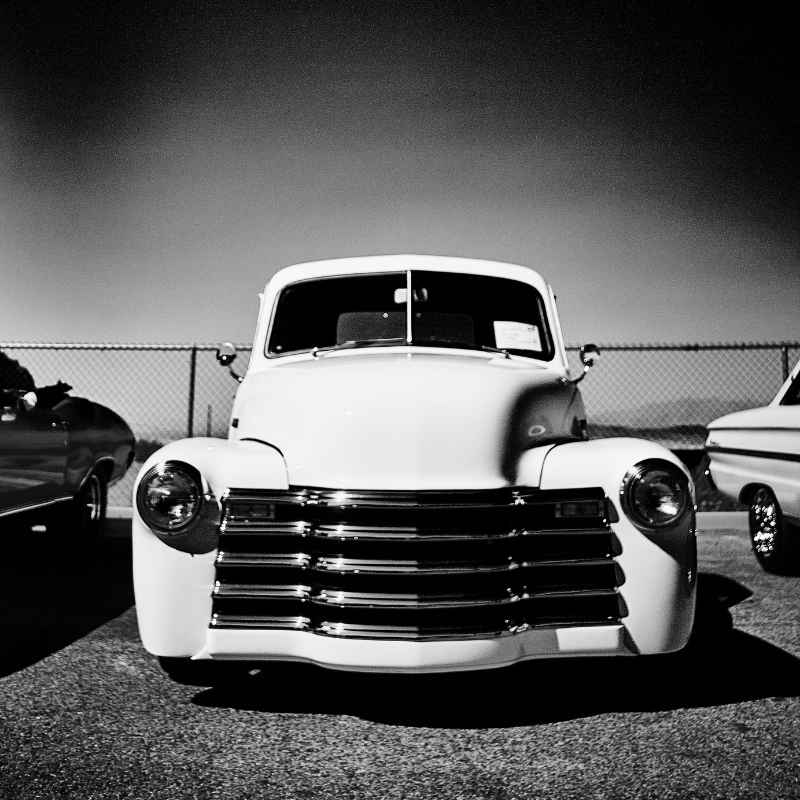
You’ll find many different types of cars can become hot rods. The most common are from the 1920s to the 1950s. Think Ford Model Ts, Model As, and early Chevrolets.
But a hot rod can be any older car modified for speed and style. The spirit of hot rodding is about personal expression. It’s about making a car your own.
The culture around hot rods is big. It’s about more than just the cars. It’s about car shows.
It’s about cruising events. It’s also about the people who build and love them. They share a passion for automotive history and custom builds.
The Fascinating History of Hot Rods
The story of the hot rod car really kicked off in the 1930s and 1940s. This was in Southern California. Back then, young drivers wanted faster cars.
They couldn’t always afford new models. So, they bought older, cheaper cars. These were often Fords from the 1920s and 1930s.
They would then work on these cars themselves.
They used parts from other cars. They added bigger engines. They learned how to tune them up for more power.
This was partly for fun. It was also for illegal street racing, a tradition that lives on today in a different form as the car sideshow. These races happened on dry lake beds.
The Bonneville Salt Flats were famous for this. They also raced on deserted roads. The goal was always to go faster.
These early modifiers were pioneers. They figured out how to get more speed from basic engines. They developed techniques.
These included “channeling” the body over the frame. This lowered the car. They also “dropped” the front axle.
This lowered the front end. These custom touches gave the cars their distinct look. They made them look tough and ready to race.
After World War II, things really took off. Many returning soldiers had mechanical skills. They had worked with engines and vehicles in the war.
They brought this knowledge home. They applied it to their cars. This led to more advanced modifications.
The hot rod scene grew bigger. Car clubs started forming. These clubs were places for enthusiasts to share ideas.
They also organized events.
Magazines dedicated to hot rods appeared. These publications showed off the latest builds. They shared technical tips.
This helped spread the hot rod culture. It inspired more people to get involved. The look of the hot rod started to solidify.
The chopped roofs, powerful engines, and custom paint jobs became iconic. It was a blend of function and style. Performance was key, but so was making the car look amazing.
In the 1950s, hot rod culture became mainstream. Movies and music started featuring hot rods. This brought them to a wider audience.
The term “hot rod” became well-known. It represented a spirit of rebellion and freedom. It was about customizing something ordinary into something extraordinary.
It was a uniquely American creation.
Over the decades, hot rodding has evolved. But the core idea remains the same. It’s about taking a classic car and enhancing its performance and appearance.
It’s a testament to ingenuity and passion. It celebrates the joy of building and driving something special.
Key Eras in Hot Rod History
Early Days (1930s-1940s): Focus on speed. Modified Fords. Dry lake racing starts.
Basic engine tuning. Dropped axles and channeled bodies.
Post-War Boom (1940s-1950s): Returning soldiers bring skills. More advanced modifications. Car clubs grow.
Hot rod magazines emerge. Iconic styles develop.
Mainstream Popularity (1950s-1960s): Movies and music feature hot rods. Culture spreads widely. Spirit of rebellion and freedom.
Customization is key.
Evolution and Modern Era (1970s-Present): New technologies emerge. Diverse styles develop. Restoration and restomod trends.
Continues to be a vibrant community.
The Anatomy of a Hot Rod: What Makes It Special?
When you see a hot rod car, certain features usually jump out. These aren’t accidents. They are deliberate choices made by the builder.
Let’s break down what makes a car a hot rod.
The Base Car
Most hot rods start with a classic American car. The Ford models from the 1930s and 1940s are very popular. This includes the Model A and Model B.
Early Chevrolets are also common. But any older car can be turned into a hot rod. The key is that it has potential.
It needs a strong frame. It needs space for engine upgrades.
Engine Upgrades
This is where the “hot” in hot rod comes from. The original engines are often replaced. They are swapped out for much more powerful ones.
V8 engines are very common. These are big, powerful engines. They can make the car accelerate incredibly fast.
Builders might use engines from later classic cars. Or they might use modern crate engines. These are brand-new, high-performance engines.
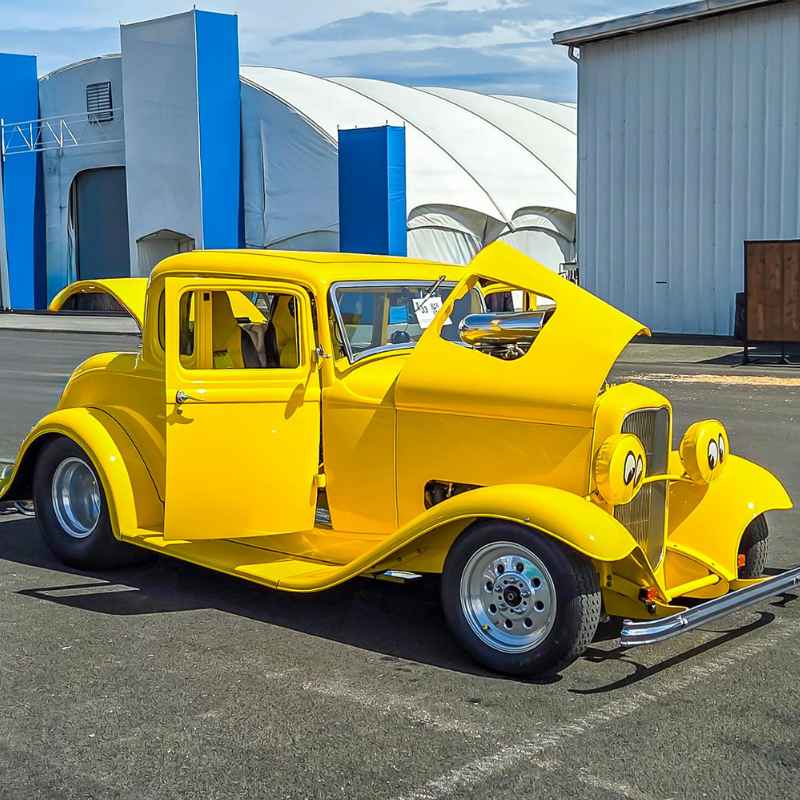
The engine is often visible. It might stick out from under the hood. Or the hood might be removed entirely.
This shows off the power. It’s a big part of the hot rod’s aggressive look. Fuel systems are also upgraded.
Carburetors might be added. These help feed the engine the right amount of fuel.
Body Modifications
This is where the unique style really comes in. Many hot rods have their roofs chopped. This means the roofline is lowered.
It makes the car look sleeker. It also gives it a lower profile. The body might be “channeled” over the frame.
This means the body sits lower on the car’s chassis. It reduces the car’s overall height.
Fenders are often removed. This is called “fenderless.” It exposes the wheels and tires. It gives the car a raw, mechanical look.
The grille might be swapped out. The headlights and taillights can be changed too. Custom paint jobs are a huge part of hot rod culture.
Bright colors, flames, and unique graphics are common. It’s all about making the car one of a kind.
Chassis and Suspension
The frame of the car is critical. It needs to be strong to handle the new engine’s power. Often, the original frame is reinforced.
Sometimes, a completely new chassis is used. The suspension is modified for performance. The front axle is often “dropped.” This lowers the front of the car.
It gives it that classic “raked” look. The rear suspension is also adjusted for better handling. Better shocks and springs are added.
The wheels and tires are important too. They are usually larger than stock. They need to handle the car’s speed and power.
Custom wheels are very popular. They add to the car’s unique style — see our full guide to custom wheels for classic cars for styles, sizing, and fitment.
Quick Scan: Hot Rod Essentials
- Classic Car Base: Often from the 1920s-1950s.
- Powerful Engine: Usually a V8, upgraded for speed.
- Modified Body: Chopped roofs, fenderless designs.
- Lowered Stance: Dropped axles and custom suspension.
- Unique Wheels/Tires: Upgraded for performance and looks.
- Custom Paint: Bright colors and unique graphics.
My First Encounter with a True Hot Rod
I remember my first real introduction to the world of hot rods. It was a sweltering summer afternoon. I was maybe ten years old.
My dad took me to a local car show. It wasn’t a fancy, huge event. It was more of a community gathering.
Cars lined a park. Families walked around, pointing and chatting.
Then I saw it. It was a deep, metallic cherry red Ford from the late 1930s. It looked completely different from anything else there.
The roof was low. The front wheels seemed almost to stick out from under the fenders. The engine, a massive V8, was gleaming.
It had chrome parts everywhere. It looked like a metal beast.
The owner was a friendly older man. He had a weathered face and a proud smile. He let me look under the hood.
The engine was huge. It smelled of oil and something powerful. He told me about the modifications.
He explained how he built it himself over many years. He talked about the engine roaring to life. He described the feeling of the open road.
I felt a sense of awe. This wasn’t just a car. It was a work of art.
It was a machine built with passion and skill. It represented freedom and speed. The sheer power it exuded was intoxicating.
It sparked something in me. It was the beginning of appreciating custom cars. It was my first real look at what a hot rod car truly represented.
That experience stayed with me. It showed me that cars could be more than just transportation. They could be personal statements.
They could be reflections of dreams and hard work. The roar of that engine, even though it was off, echoed in my memory for a long time.
Real-World Hot Rod Scenarios
Hot rods aren’t just in museums or garages. You see them out in the world. They participate in specific events.
They live a life beyond the build.
Car Shows and Cruise Nights
This is where hot rods shine. Many local communities have weekly or monthly cruise nights. People bring their classic and custom cars.
They drive around town slowly. They show off their vehicles. Car shows are larger events.
They can be regional or national. They feature judging and awards. A hot rod car at a show often turns heads.
Its unique design stands out.
These events are social. People meet up with friends. They talk about cars.
They admire each other’s work. It’s a great way to see a variety of hot rods. You can see different styles and eras.
You can learn a lot just by walking around.
Drag Racing
The roots of hot rodding are in racing. Some hot rods are built for drag strips. Drag racing is a competition.
Cars race down a straight track over a short distance. Hot rods built for this are highly modified. They have incredibly powerful engines.
They have specialized tires. They are designed for maximum acceleration. You’ll see them pop wheelies.
They leave impressive tire marks on the starting line.
This is where the performance aspect of hot rodding is on full display. The roar of the engines is deafening. The speed is incredible.
It’s thrilling to watch.
Hot Rod vs. Restomod
Hot Rod: Focuses on classic styling with performance upgrades. Often uses period-correct or similar-era parts. Can look quite raw and aggressive.
Restomod: A blend of “restoration” and “modification.” Takes a classic car and updates it with modern technology. Think modern engines, suspensions, electronics, and safety features, while maintaining a classic exterior look. Often looks very clean and refined.
Classic Car Rallies
Some hot rods are built for touring. They might not be as extreme as drag cars. They are made to be driven long distances.
They have comfortable interiors. They might have modern engines for reliability. But they still have the classic hot rod look.
Rallies involve driving through scenic routes. They test the car’s endurance and the driver’s skill.
These events show that a hot rod can be both beautiful and functional. It can be a pleasure to drive. It can be a part of an adventure.
The Owner’s Personal Use
Many hot rods are not just for shows. They are driven regularly by their owners. They are used for weekend trips.
They might be used for errands. The owners love the experience of driving them. They love the attention they get.
They love the connection to automotive history. Owning and driving a hot rod is a lifestyle choice.
It takes dedication to maintain a hot rod. They require regular care and attention. But for the owners, it’s a labor of love.
They enjoy every mile.
What This Means For You
Understanding what a hot rod car is can be useful. It helps you appreciate classic automotive culture. It can also influence your own car dreams.
When It’s “Normal” to Be a Hot Rod
A car is considered a hot rod when it’s a vintage vehicle. It has been intentionally modified. These changes focus on increased speed and unique visual style.
Think older cars with souped-up engines and custom looks. This is the standard definition. It’s about taking something old and making it perform and look better.
When to Consider It Something Else
Not every old car is a hot rod. If a car is simply restored to its original condition, it’s a classic or a vintage car. If it’s an older car with modern performance parts but retains its original appearance with no custom bodywork, it might be called a “restomod.” The key difference for a hot rod is the aggressive modification for performance and a distinct, often non-original, visual style.
Some cars might look “hot-roddy” but aren’t true hot rods if they lack the deep mechanical and aesthetic changes.
Also, modern sports cars with performance upgrades aren’t hot rods. The term applies specifically to older vehicles being customized. A brand-new muscle car, while powerful, doesn’t fit the hot rod mold.
Simple Checks to Consider
If you see an older car, ask yourself a few questions:
- Is it an older model, typically pre-1960s?
- Does it look significantly different from its original factory design?
- Is the engine unusually large or prominent?
- Is the car sitting very low to the ground?
- Are there custom paint jobs or unique features?
If you answer yes to several of these, you’re likely looking at a hot rod. It’s a car that has been reborn with power and personality.
Is It a Hot Rod? Quick Guide
| Feature | Hot Rod Indicator | Not Typically a Hot Rod |
| Age of Car | Classic (1920s-1950s common) | Modern car, recent model |
| Engine | Larger, powerful V8, often visible | Standard factory engine, hidden |
| Body Style | Chopped roof, fenderless, custom look | Original factory appearance, restored |
| Stance | Lowered, aggressive profile | Standard ride height |
| Purpose | Performance, unique style, personal expression | Original restoration, daily driver (stock) |
Quick Tips for Appreciating Hot Rods
If you’re new to the world of hot rods, here are a few simple ideas to help you appreciate them more.
- Look at the details: Notice the custom paint. See how the wheels fit. Check out the engine bay. Every part is often chosen with care.
- Imagine the build: Think about the work that went into it. How many hours? What skills were needed? It’s a labor of love.
- Listen to the sound: If you ever hear a hot rod’s engine start, listen. It’s a deep, powerful sound. It’s very different from regular cars.
- Talk to the owners: Most hot rod owners love to talk about their cars. They are proud of their creations. Ask them questions. They can tell you fascinating stories.
- Visit car shows: This is the best way to see many hot rods at once. You can compare different styles. You can get a feel for the community.
Frequently Asked Questions About Hot Rod Cars
What is the main goal when building a hot rod car?
The main goal is to enhance a classic car’s performance, especially its speed and acceleration. It also involves giving the car a unique, personalized visual style that makes it stand out.
Are all old cars considered hot rods?
No, not all old cars are hot rods. A car becomes a hot rod when it’s intentionally modified for speed and custom styling. A car that is simply restored to its original condition is considered a classic or vintage car.
What are the most popular car models used for hot rods?
Historically, Ford models from the 1930s and 1940s, like the Model A and Model B, have been very popular. Early Chevrolets are also common choices. However, many different makes and models can be turned into hot rods.
Do hot rods have to have V8 engines?
While V8 engines are very common and popular in hot rods due to their power, they are not an absolute requirement. Some hot rods may use other powerful engine types. The focus is on a significant performance upgrade over the original engine.
What does “chopped” mean when talking about a hot rod’s body?
“Chopped” refers to lowering the car’s roofline. This is a common modification that gives the car a sleeker, more aggressive profile. It makes the entire car appear lower to the ground.
Are hot rods safe to drive on modern roads?
Safety can vary greatly. Many modern hot rods are built with upgraded braking systems, suspension, and sometimes even modern safety features. However, older designs might lack some of the safety standards we expect today.
It’s important to drive them with caution and awareness.
Conclusion
So, now you know. A hot rod car is more than just an old car. It’s a piece of automotive art.
It’s a symbol of speed and personal style. It has a rich history tied to innovation and passion. From its humble beginnings to its modern-day marvels, the hot rod continues to capture imaginations.
It’s a testament to what happens when you blend classic charm with raw power.
Products related to this article
Sponsored / affiliate links. As an Amazon Associate I earn from qualifying purchases. I may earn additional commission from eligible campaigns.